 RisingStar
- Home
- About Us
- Products
- News
- Video
- Contact
- Send Inquiry
Search
- Home
- About Us
- Products
- News
- Video
- Contact
- Send Inquiry
RisingStar
An IPS (In-Plane Switching) computer monitor is a type of LCD (Liquid Crystal Display) technology designed to improve the visual performance of flat-panel displays, particularly in terms of color accuracy, viewing angles, and response time. Unlike older TN (Twisted Nematic) panels, which dominated the market for many years, IPS panels offer superior image quality and are now widely adopted in professional-grade monitors, gaming setups, and high-end consumer electronics.
The core innovation of IPS technology lies in how it aligns liquid crystal molecules. In TN panels, crystals twist 90 degrees when voltage is applied, allowing light to pass through. This method limits viewing angles and color consistency—especially when viewed from the sides or at an angle. IPS, on the other hand, aligns the liquid crystals parallel to the plane of the glass substrate, enabling them to rotate within the same plane rather than twisting. This arrangement significantly enhances color reproduction and ensures that colors remain consistent even when viewed from off-center positions—typically up to 178° horizontally and vertically.
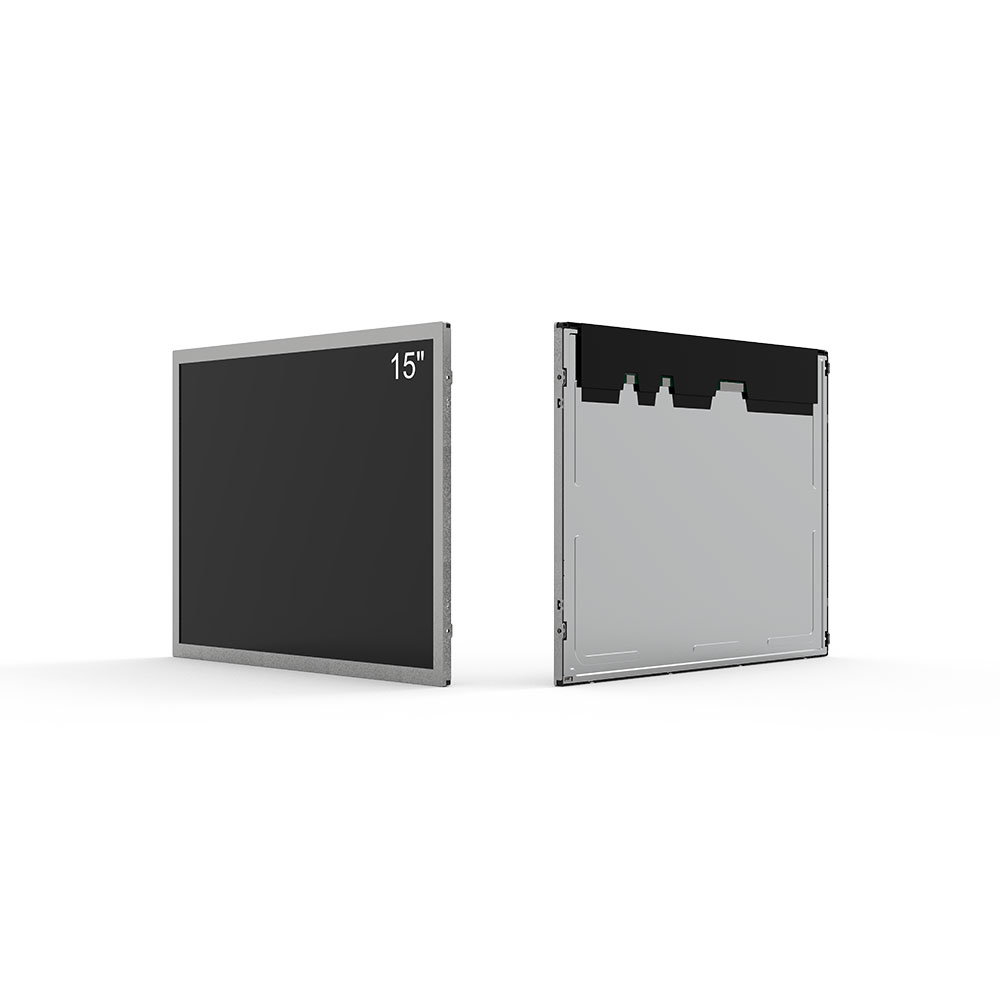
This makes IPS monitors ideal for creative professionals such as graphic designers, photographers, video editors, and architects who rely on accurate color representation. For example, Adobe RGB and sRGB color spaces are often supported by IPS panels with 99% or higher coverage, ensuring that digital work translates accurately to print or web output. Additionally, many modern IPS monitors feature factory-calibrated color profiles and hardware calibration tools, further enhancing their suitability for color-critical workflows.
Another advantage of IPS technology is its improved contrast ratio and reduced motion blur compared to TN panels. While early IPS panels suffered from slower response times (often 4–8 ms), recent advancements have brought response times down to as low as 1 ms, making IPS monitors viable for competitive gaming. Brands like LG, Dell, ASUS, and BenQ now produce high-refresh-rate IPS monitors (up to 240 Hz) tailored for gamers without compromising image clarity.
However, IPS panels do come with trade-offs. They typically consume more power than TN panels due to the complexity of controlling the liquid crystals, and they can be more expensive. Also, black levels may appear slightly less deep than OLED or VA (Vertical Alignment) panels, though this difference is often negligible in well-lit environments.
According to industry reports from DisplaySearch (now part of Omdia), IPS technology accounts for over 60% of the global monitor market share as of 2023, driven by increasing demand for color-accurate displays in remote work, education, and media production. The technology has also been adapted for use in smartphones, tablets, and automotive infotainment systems, underscoring its versatility and reliability.
In summary, an IPS computer monitor offers a compelling balance of color fidelity, wide viewing angles, and evolving performance metrics. Whether you're a professional designer, a gamer, or a casual user seeking better visuals, choosing an IPS monitor means investing in a display that delivers both precision and flexibility across a wide range of applications.