RisingStar
- Home
- About Us
- Products
- News
- Video
- Contact
- Send Inquiry
Search
- Home
- About Us
- Products
- News
- Video
- Contact
- Send Inquiry
RisingStar
High-brightness sunlight-readable LCD screens are critical components in modern outdoor display systems, especially in applications where visibility under direct sunlight is essential. These displays are engineered to maintain clarity, contrast, and color accuracy even in intense lighting conditions—such as those found in automotive dashboards, military equipment, industrial control panels, and public information kiosks. Unlike standard LCDs, which suffer from washed-out images and poor readability in bright environments, sunlight-readable LCDs utilize advanced backlighting, anti-glare coatings, and high peak brightness levels—often exceeding 5,000 nits—to ensure optimal performance in any lighting scenario.
The core technology behind these screens involves several innovations. First, ultra-high-brightness LED backlights provide luminance levels that surpass ambient light, enabling the display to remain legible even under full sun exposure. Second, advanced optical bonding techniques eliminate air gaps between the glass cover and the liquid crystal layer, reducing internal reflections and improving contrast. Third, specialized polarizers and diffusers minimize glare and enhance viewing angles, ensuring consistent image quality from various positions. Some models also incorporate automatic brightness adjustment based on ambient light sensors, optimizing energy efficiency while maintaining visibility—a feature increasingly demanded in portable and battery-powered devices.
Industry standards such as MIL-STD-810 for environmental durability and IEC 60068 for temperature and humidity resistance further validate the robustness of these screens. For example, in defense applications, sunlight-readable LCDs must function reliably across extreme temperatures—from -40°C to +70°C—and withstand shock, vibration, and moisture ingress. Similarly, in commercial settings like airport information displays or solar-powered IoT terminals, these screens offer long-term reliability with minimal maintenance requirements.
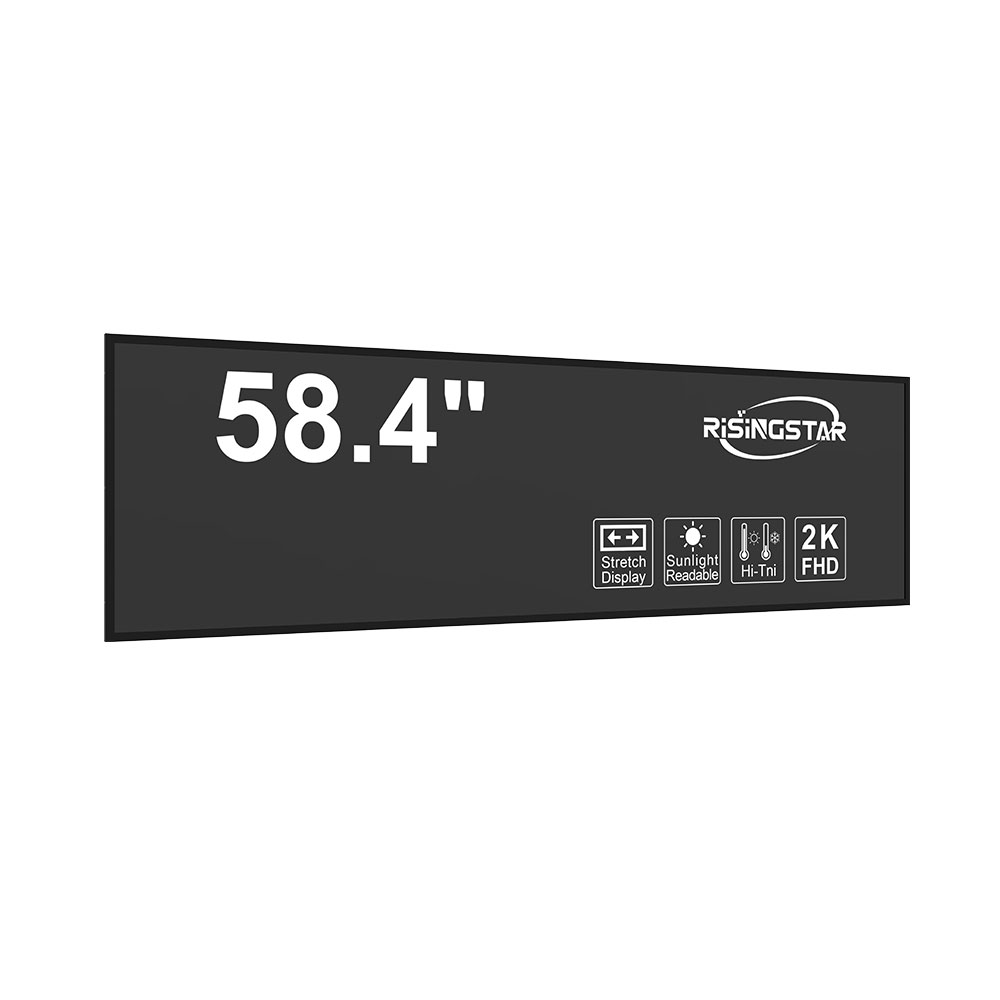
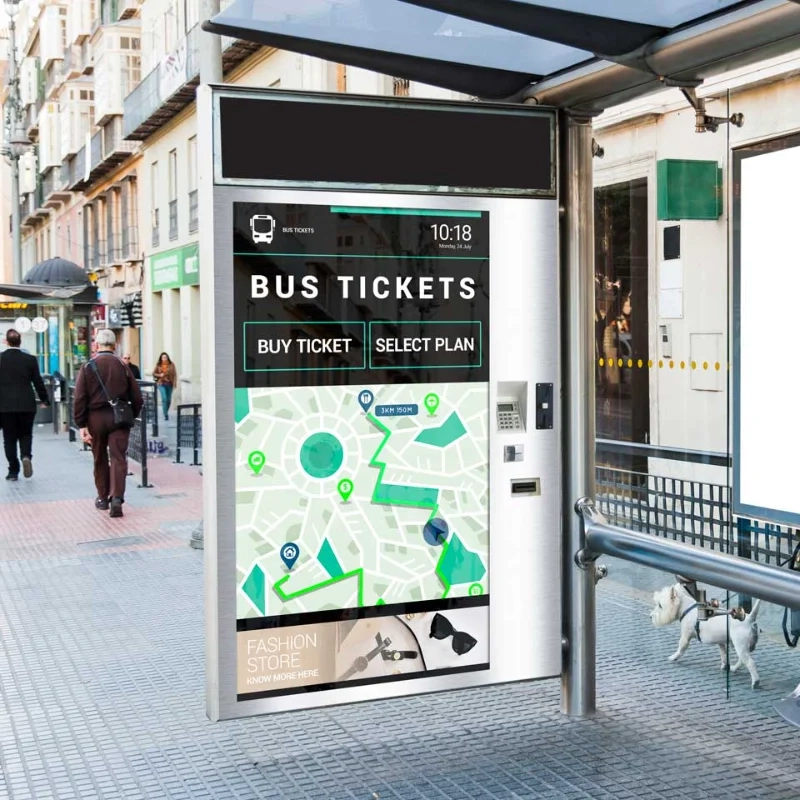
Case studies support their effectiveness: a U.S. Department of Defense project deployed high-brightness LCDs in field communication devices used by soldiers in desert environments; these displays maintained 98% readability under 10,000 lux sunlight conditions. In another instance, a European railway operator integrated these screens into ticketing machines at outdoor stations, reporting a 40% reduction in user complaints about screen visibility compared to previous models.
As global demand for reliable outdoor digital signage increases—driven by smart city initiatives, autonomous vehicle interfaces, and renewable energy monitoring systems—the role of high-brightness sunlight-readable LCDs becomes more pivotal. Future developments may include integration with AI-based adaptive brightness algorithms, flexible OLED alternatives, and improved power efficiency through quantum dot enhancements. The continued evolution of this technology ensures it remains indispensable for mission-critical and consumer-facing applications alike.