RisingStar
- Home
- About Us
- Products
- News
- Video
- Contact
- Send Inquiry
Search
- Home
- About Us
- Products
- News
- Video
- Contact
- Send Inquiry
RisingStar
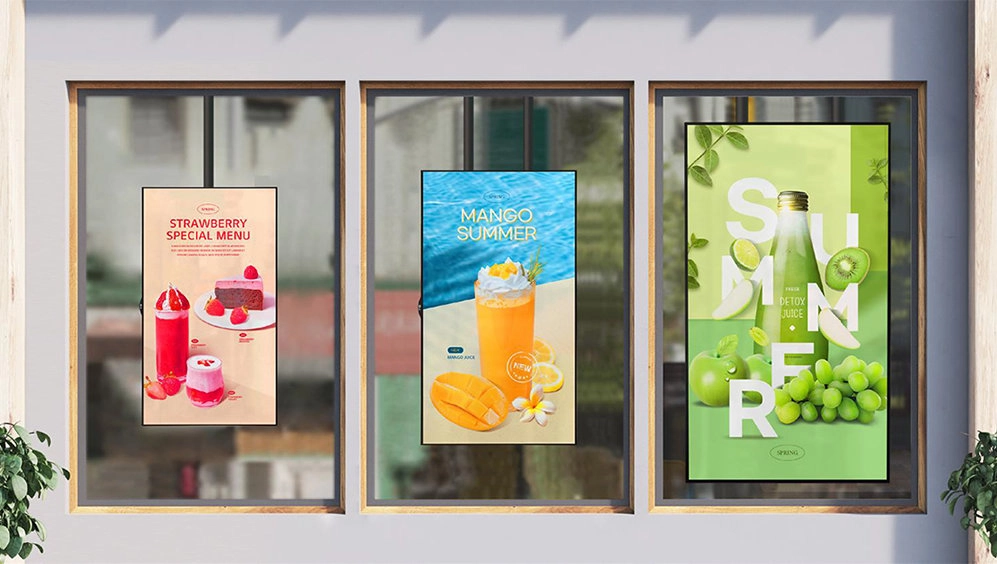
High-brightness sunlight-readable LCD screens have become indispensable in modern outdoor environments, from military field operations to public transportation and industrial control panels. These displays are engineered to maintain visibility under intense ambient light conditions—such as direct sunlight—where standard LCDs fail due to poor contrast and washed-out images. The demand for such technology has surged as industries increasingly rely on digital interfaces for real-time data access in open-air settings.
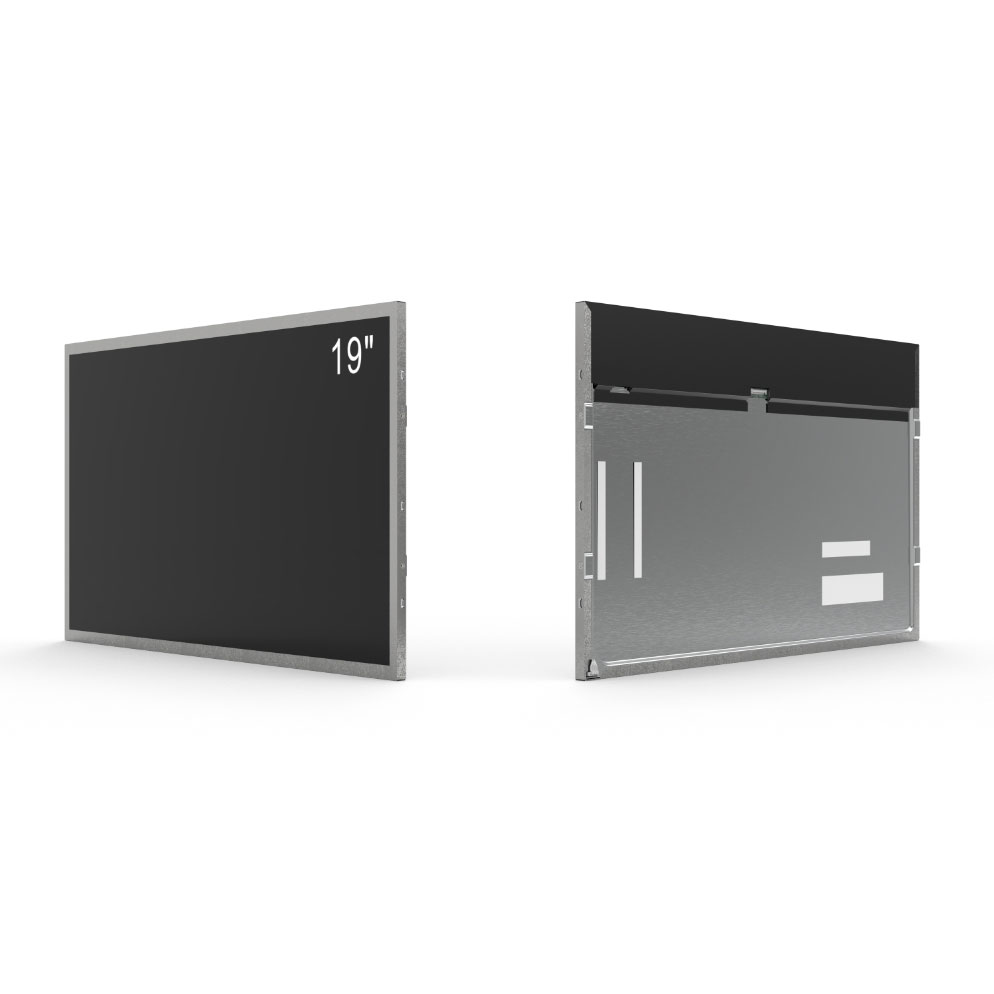
The core of a high-brightness sunlight-readable LCD lies in its ability to achieve brightness levels exceeding 5,000 nits—often up to 10,000 nits or more—compared to typical indoor displays that range from 200–500 nits. This performance is enabled by several key technologies: advanced LED backlighting with precision optical films, anti-glare and anti-reflection coatings, and high-contrast liquid crystal materials. For example, manufacturers like LG Display, BOE, and Innolux have developed proprietary polarizer and diffuser systems that minimize light loss while maximizing forward luminance.
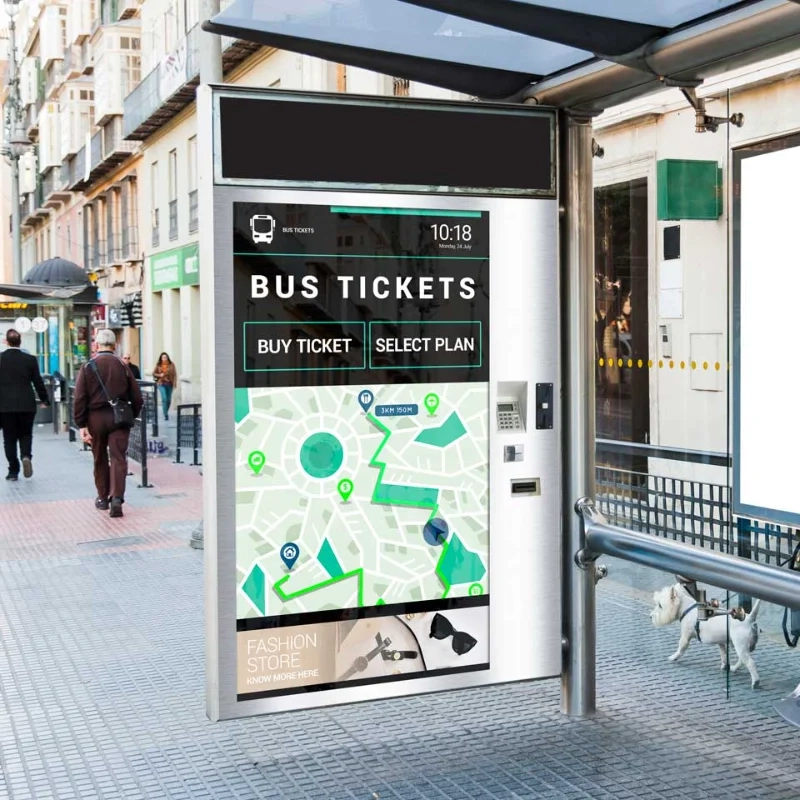
Case studies highlight the effectiveness of these screens in real-world applications. In a 2023 deployment by the U.S. Department of Defense, high-brightness LCDs were used in tactical command units deployed in desert environments. These units maintained readability even at noon under 10,000 lux sunlight, outperforming conventional displays by over 400% in contrast ratio. Similarly, in Japan’s JR East railway system, sunlight-readable LCDs are integrated into train station information kiosks, enabling clear display of departure schedules during peak daylight hours without user complaints about visibility.
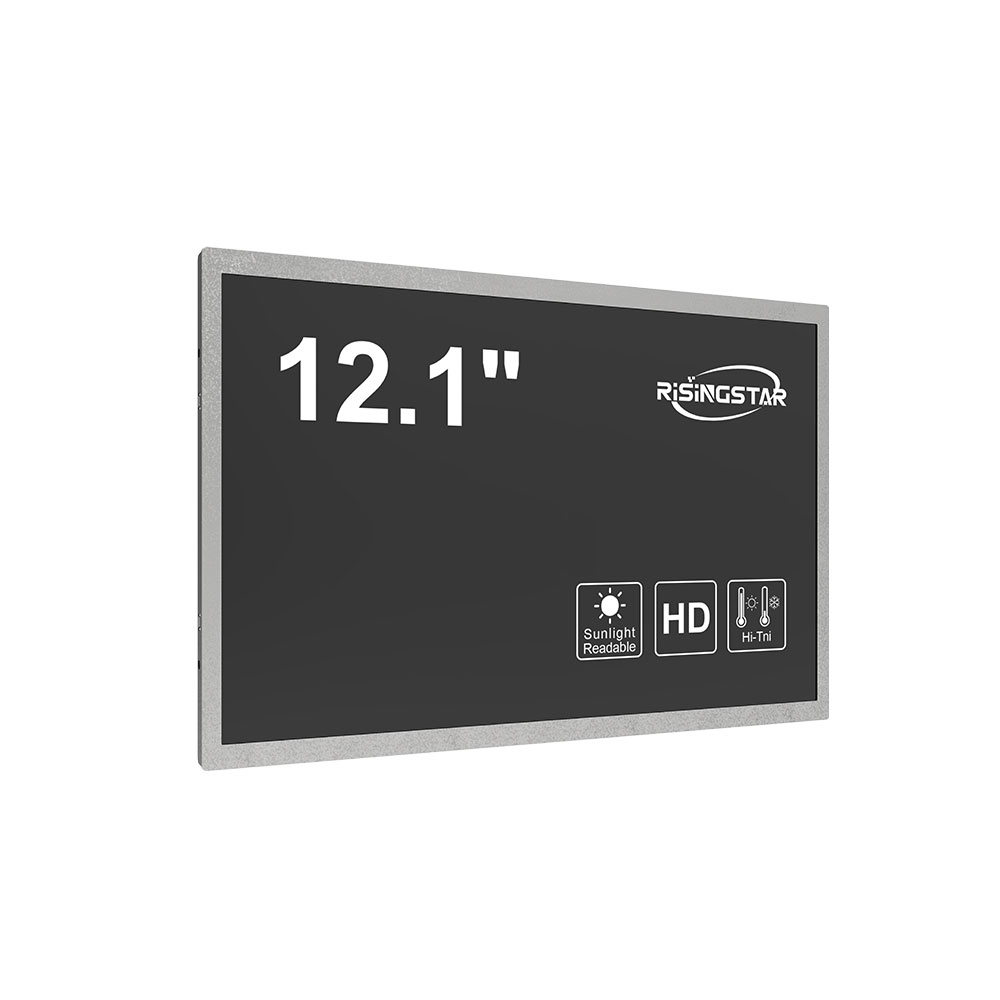
Another critical factor is environmental resilience. These displays are often rated IP65 or higher for dust and water resistance, ensuring durability in harsh weather. They also support wide temperature ranges—from -30°C to +70°C—making them suitable for Arctic monitoring stations and tropical construction sites alike. Thermal management solutions, such as passive heat sinks and dynamic brightness control algorithms, prevent overheating while conserving power—an essential feature for battery-powered devices.
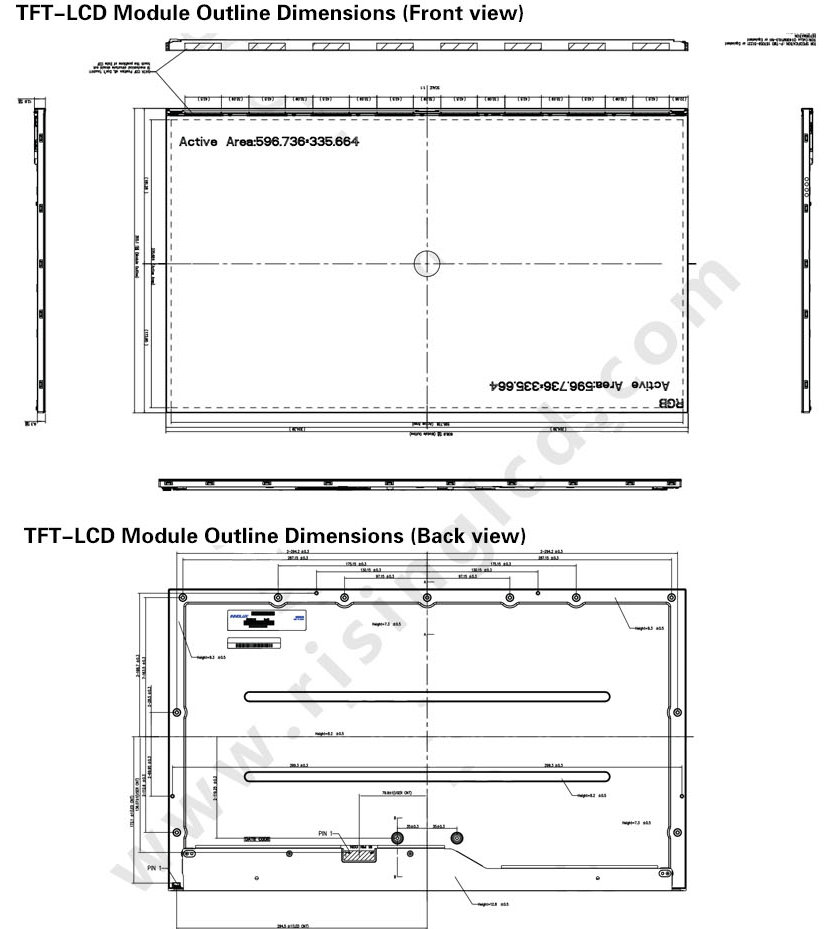
From an engineering perspective, achieving sunlight readability involves balancing multiple variables: optical design, thermal stability, power efficiency, and cost-effectiveness. Leading manufacturers now use AI-driven calibration tools to fine-tune pixel-level brightness uniformity, reducing hotspots and enhancing overall image quality. Furthermore, the integration of touchscreens with glove compatibility (e.g., using capacitive or resistive technologies) adds functional versatility for users operating in extreme conditions.
In conclusion, high-brightness sunlight-readable LCDs represent a mature yet rapidly evolving segment of display technology. With increasing adoption across defense, transportation, agriculture, and smart city infrastructure, their role in enabling reliable human-machine interaction outdoors will only grow. As global markets push for greater energy efficiency and sustainability, innovations such as micro-LED backlights and adaptive HDR processing are poised to redefine the next generation of outdoor-ready displays.