RisingStar
- Home
- About Us
- Products
- News
- Video
- Contact
- Send Inquiry
Search
- Home
- About Us
- Products
- News
- Video
- Contact
- Send Inquiry
RisingStar
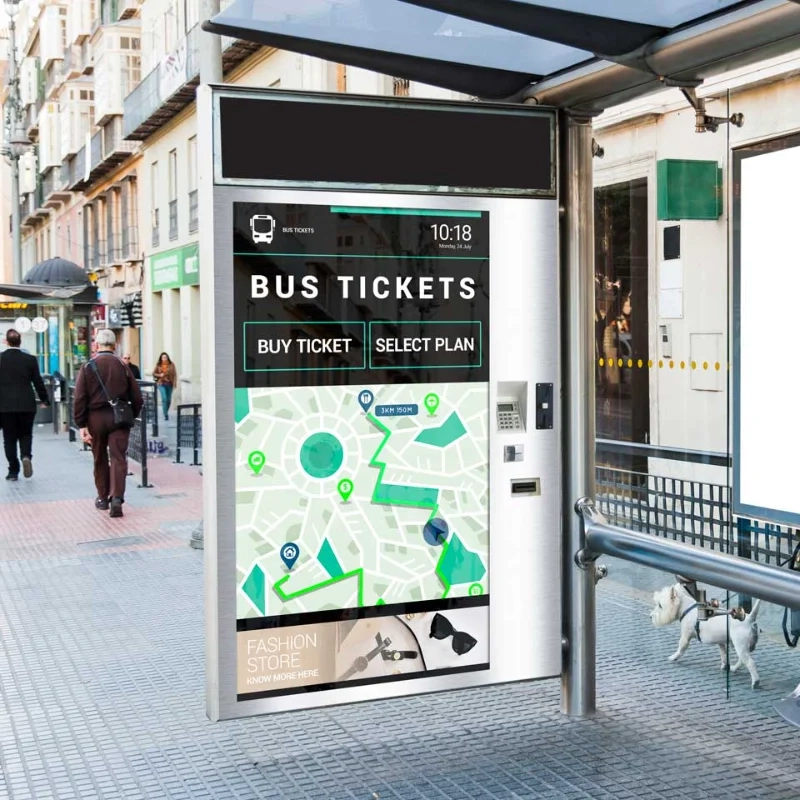
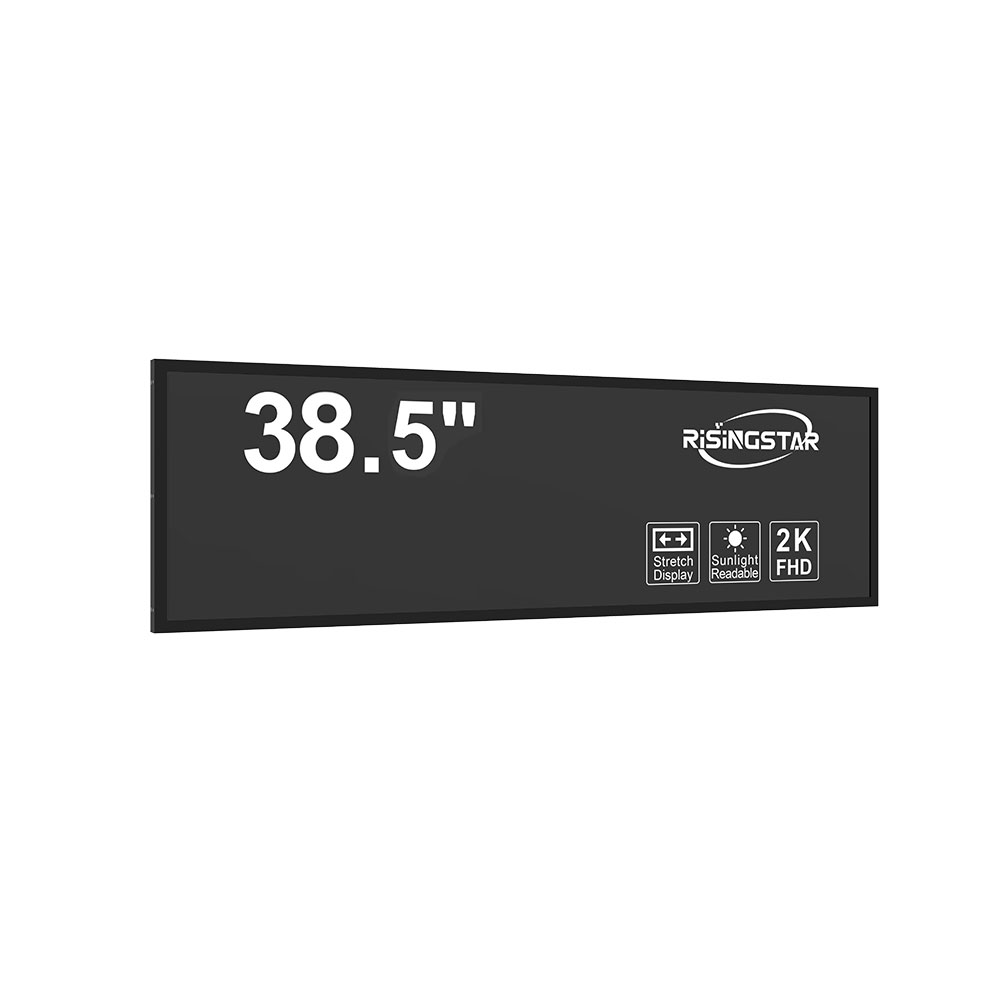
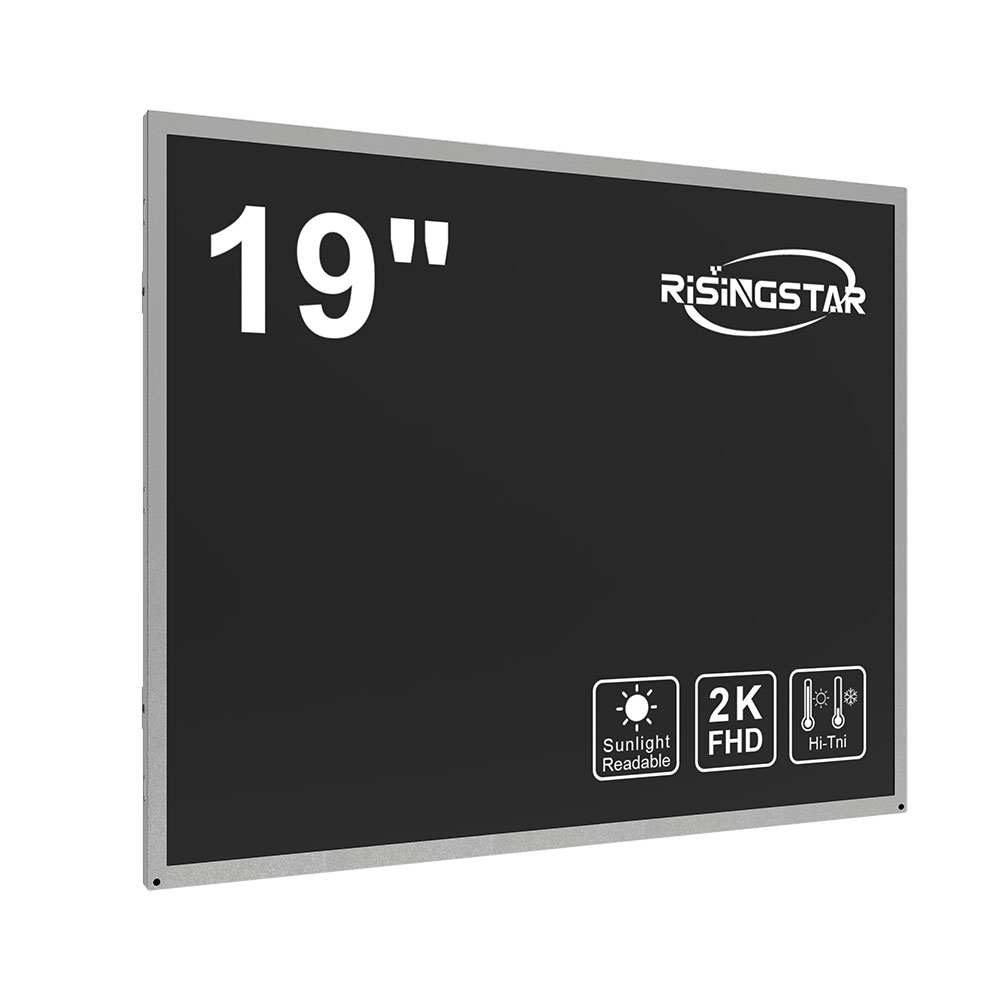
In modern urban environments, public transport signage plays a critical role in guiding passengers efficiently, reducing congestion, and improving overall transit experience. One of the most significant technological advancements in this domain is the adoption of high-brightness sunlight-readable LCD displays. These specialized screens are engineered to remain clearly visible even under intense direct sunlight—a common challenge in outdoor bus stops, train platforms, and subway stations.
Unlike standard LCDs that suffer from washed-out images or reduced contrast when exposed to ambient light, sunlight-readable LCDs utilize advanced optical technologies such as transflective liquid crystal layers, anti-glare coatings, and high-luminance LED backlights. For example, many city transit authorities—like London’s Transport for London (TfL) and New York City’s MTA—have transitioned to 5000 nits brightness levels in their digital signage systems to ensure readability during peak daylight hours. This is not just about visibility—it's about reliability, safety, and inclusivity.
These displays are also used in real-time passenger information systems (PIS), showing live updates on arrival times, service disruptions, route maps, and accessibility alerts. The integration of sunlight-readable technology ensures that visually impaired users and elderly passengers benefit equally from clear text and iconography, aligning with global accessibility standards such as ISO 21000 and ADA compliance.
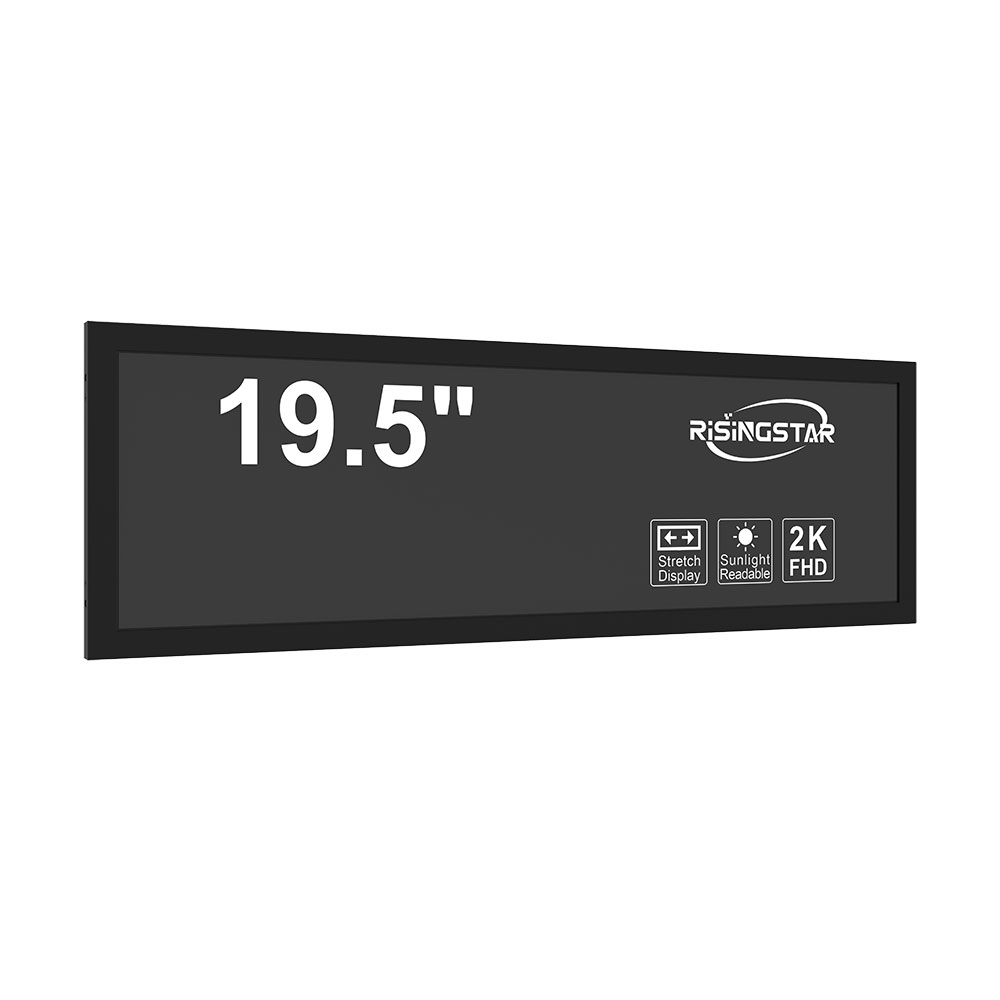
Case studies from cities like Singapore and Tokyo reveal that deploying high-brightness LCDs has led to measurable reductions in passenger confusion and increased satisfaction scores. In one pilot program at Tokyo Metro, the use of 6000-nit reflective LCDs in outdoor kiosks improved boarding accuracy by over 22% during midday sun exposure. Similarly, in Singapore’s Land Transport Authority (LTA) system, these screens have contributed to a 15% decrease in customer inquiries at major hubs due to clearer communication.
Beyond hardware, software optimization matters too. Smart signage solutions now incorporate dynamic contrast adjustment algorithms that automatically adapt brightness based on environmental lighting conditions, conserving energy while maintaining legibility. This is particularly valuable for transit agencies aiming to meet sustainability goals such as those outlined in the UN SDG 11 (Sustainable Cities and Communities).
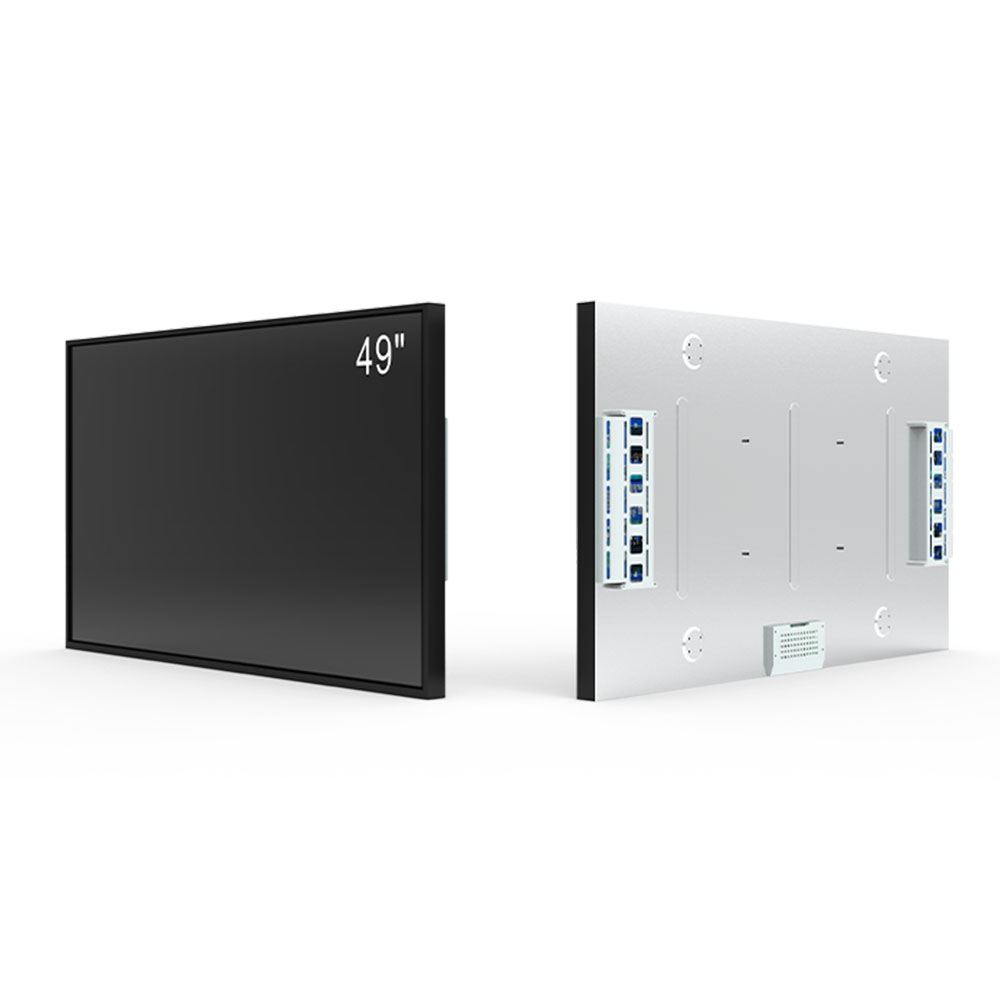
Manufacturers like Sharp, LG Display, and AU Optronics are leading innovation in this space, offering ruggedized, IP65-rated panels designed for outdoor durability against dust, rain, and temperature extremes. Many systems are also built to support edge computing capabilities—allowing local data processing without relying on cloud connectivity, which enhances responsiveness in low-bandwidth areas.
Ultimately, sunlight-readable LCDs are not merely an upgrade—they are a necessity for next-generation public transportation infrastructure. They empower transit operators to deliver consistent, accurate, and user-friendly information regardless of weather or time of day, making urban mobility more efficient, equitable, and resilient.