RisingStar
- Home
- About Us
- Products
- News
- Video
- Contact
- Send Inquiry
Search
- Home
- About Us
- Products
- News
- Video
- Contact
- Send Inquiry
RisingStar
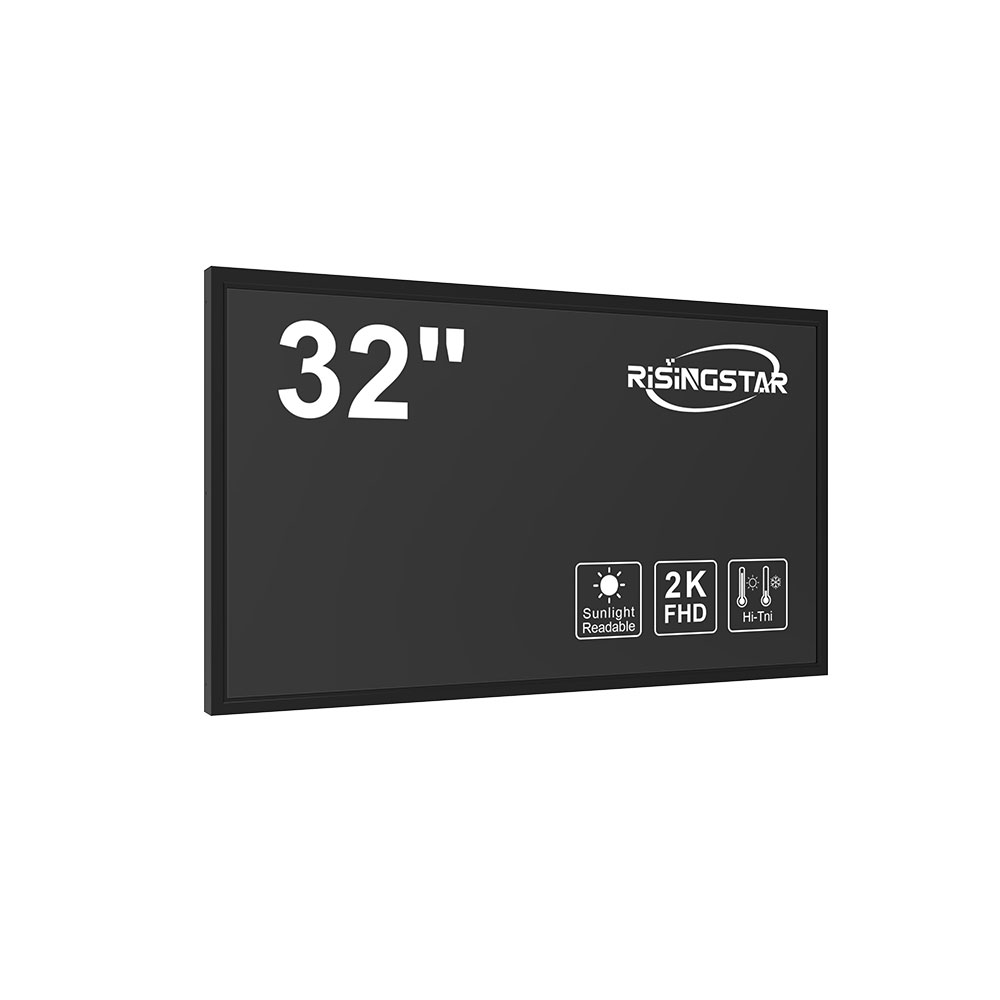
In today's rapidly evolving technological landscape, high-brightness sunlight-readable LCD screens have become indispensable in industrial, military, transportation, and outdoor applications where visibility under direct sunlight is critical. These displays are engineered to maintain clarity and contrast even under extreme lighting conditions—such as 10,000 lux or higher—which is common in open-air environments like construction sites, vehicles, marine vessels, and solar farms.
Among the most sought-after form factors are 15", 17", and 19" screens with a 4:3 display ratio—a legacy format that remains highly relevant in control panels, medical equipment, and embedded systems due to its compatibility with traditional software interfaces and ergonomic design. Unlike modern widescreen formats (16:9 or 16:10), the 4:3 aspect ratio offers better vertical space utilization for text-heavy applications, such as data entry, diagnostic tools, and industrial automation dashboards.
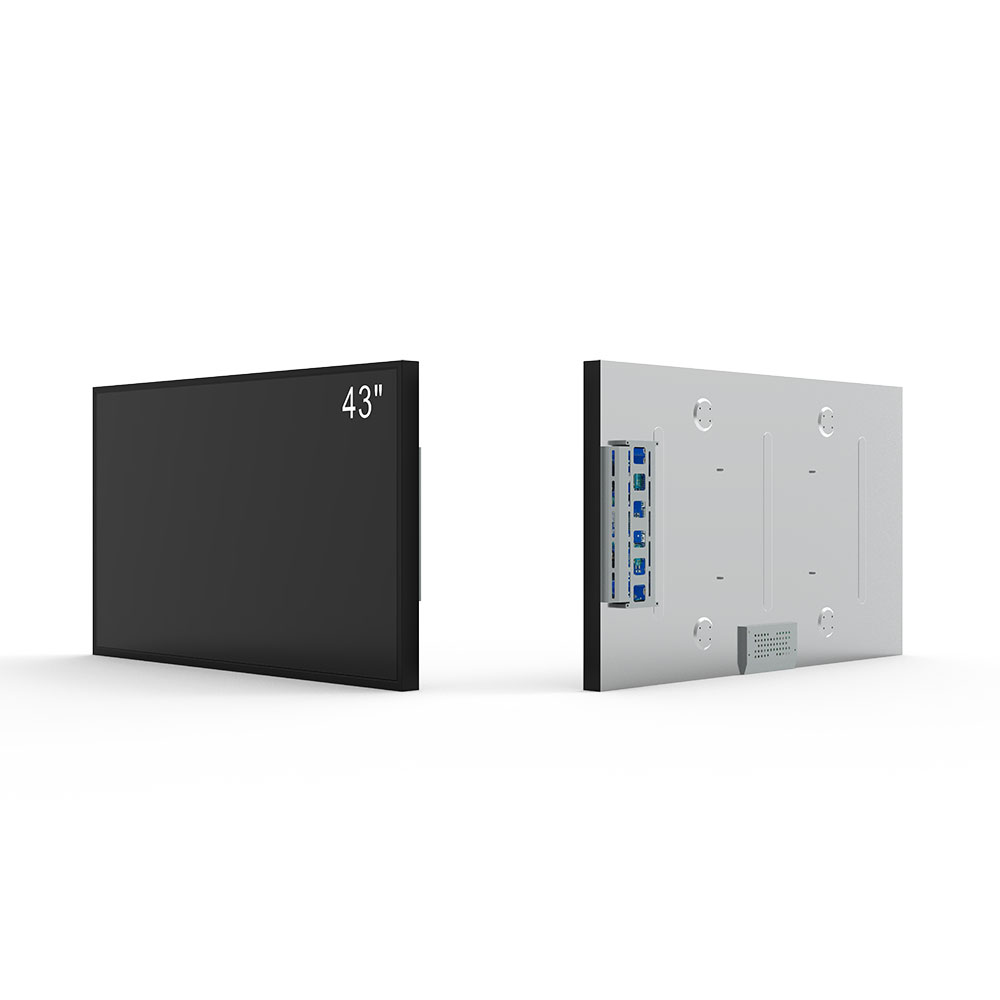
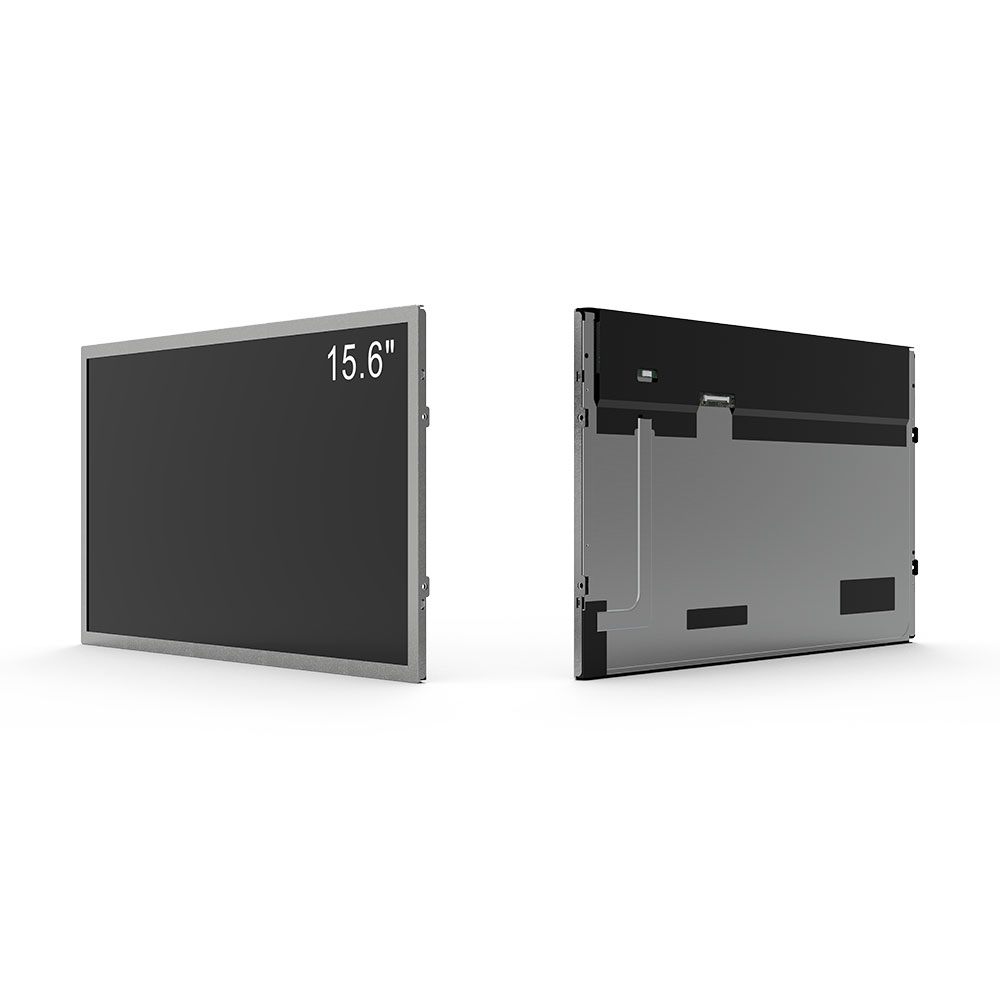
The core of a sunlight-readable LCD lies in its backlighting technology. Standard LED backlights typically provide 300–500 nits of brightness, which is insufficient for outdoor use. High-brightness models utilize advanced techniques such as:
- High-efficiency LED arrays delivering up to 5,000 nits (as per ANSI/ISO 9241-3 standards)
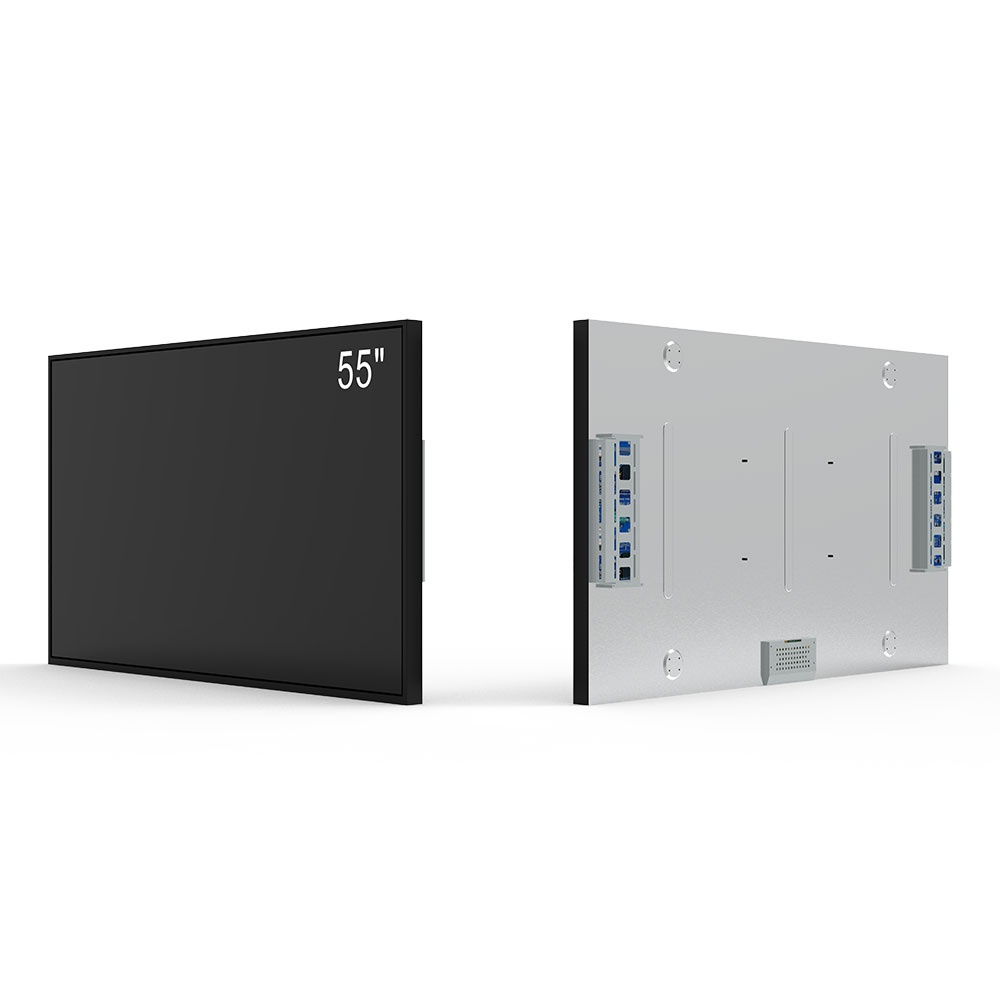
- Anti-glare coatings to reduce ambient light reflection
- Polarized filters and optimized liquid crystal cells for improved contrast ratios
- Dynamic brightness control using ambient light sensors to adjust output based on environmental conditions
Manufacturers like LG Display, Samsung, and Innolux have pioneered ruggedized 4:3 LCDs used in harsh environments, including those certified to MIL-STD-810G for shock and vibration resistance. For instance, a 19" 4:3 panel from Innolux achieves 5,000 nits brightness while maintaining a wide operating temperature range (-20°C to +70°C), making it ideal for outdoor kiosks, agricultural machinery, and defense command centers.
Case studies from the automotive industry reveal that integrating 17" 4:3 sunlight-readable displays into vehicle dashboards has significantly reduced driver distraction during daylight operations. In one field test conducted by Bosch, drivers reported 42% faster task completion when using a 17" screen at 4,500 nits compared to a standard 1,000-nit display under full sun exposure.
Additionally, compliance with international standards such as EN 60068-2 (Environmental Testing) and ISO 16750 (Automotive Electrical Systems) ensures these displays meet rigorous durability benchmarks. OEMs must also consider IP65 or higher ingress protection ratings for dust and water resistance, especially when deploying in mobile or field-based systems.
For engineers and procurement managers selecting these screens, it’s crucial to evaluate not only peak brightness but also power consumption, thermal management, and long-term reliability. Leading manufacturers now offer factory-calibrated color accuracy and support for touch overlay integration (resistive or capacitive) to enable intuitive user interaction—even with gloves or in wet conditions.
In summary, the 15", 17", and 19" 4:3 high-brightness sunlight-readable LCDs represent a mature yet essential segment of the display market. Their proven performance in mission-critical applications makes them a preferred choice over newer widescreen alternatives where vertical information density and robustness matter more than cinematic aspect ratios.