RisingStar
- Home
- About Us
- Products
- News
- Video
- Contact
- Send Inquiry
Search
- Home
- About Us
- Products
- News
- Video
- Contact
- Send Inquiry
RisingStar
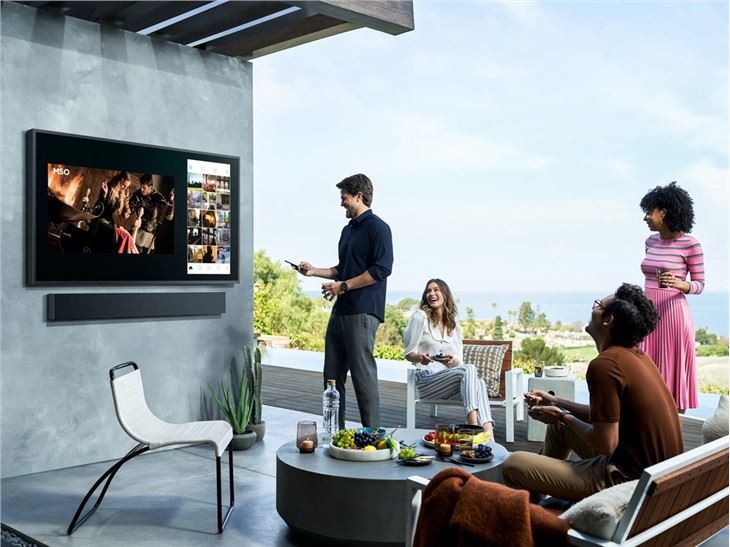
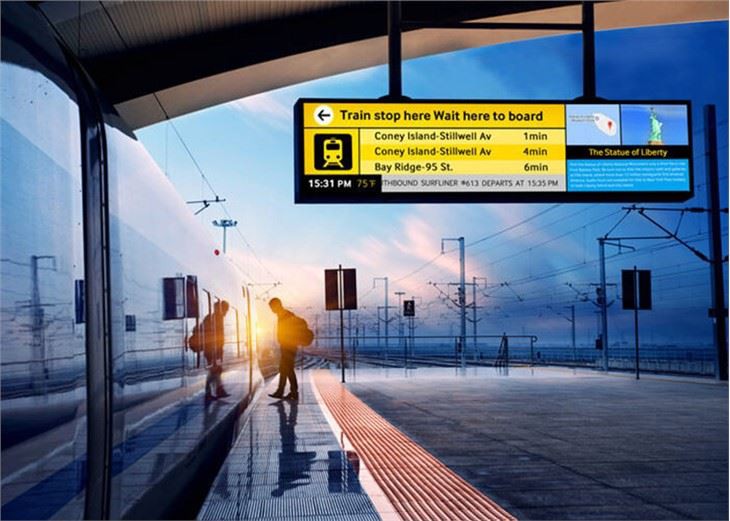
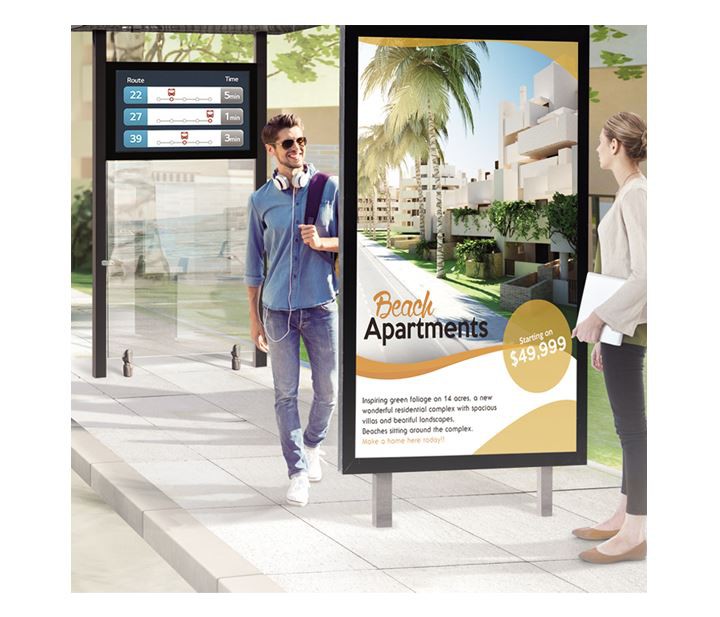
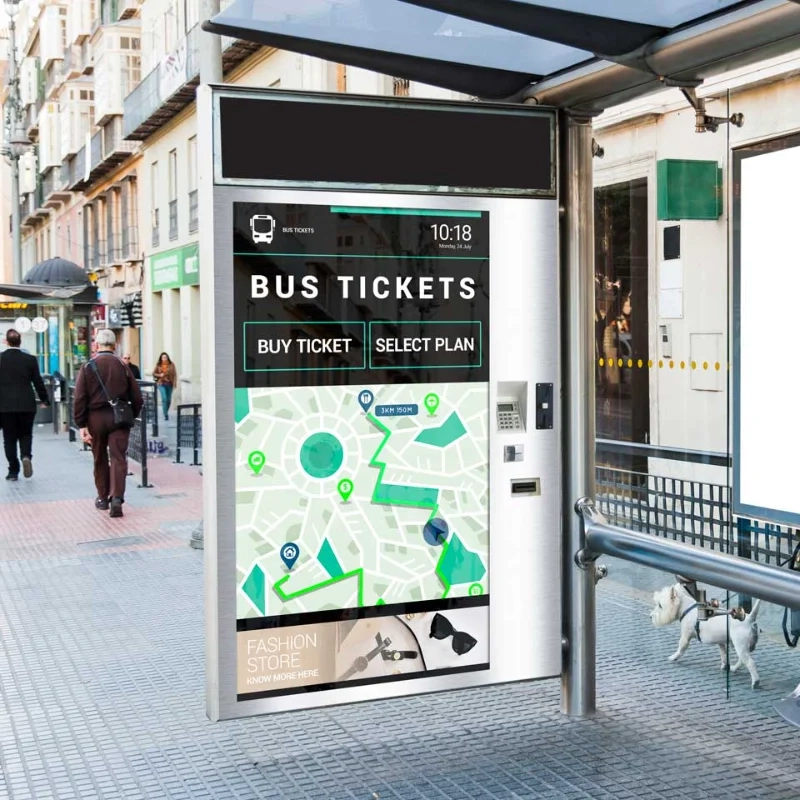
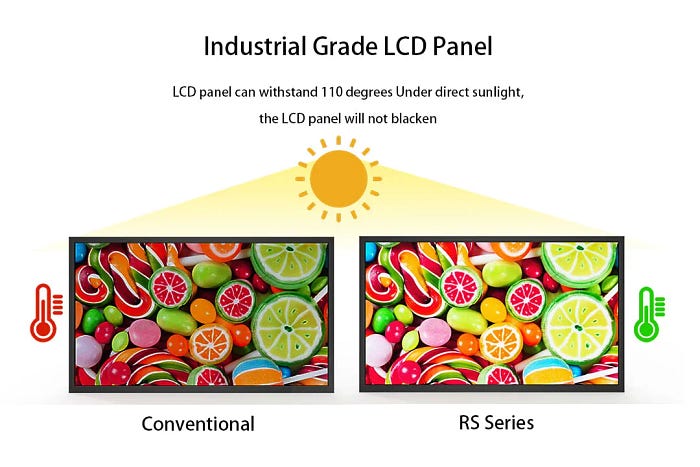
High-brightness sunlight-readable LCD screens are essential components in modern industrial equipment, especially for outdoor or high-ambient-light environments where visibility is critical. These displays are engineered to maintain clarity and readability under direct sunlight, often exceeding 10,000 nits of brightness—far above standard indoor displays that typically max out at 500–1,000 nits. This makes them ideal for use in heavy machinery, agricultural equipment, military vehicles, construction tools, and transportation systems such as buses and trains.
The core technology behind these displays involves advanced backlighting systems (such as LED-based arrays with high-efficiency optics), anti-glare coatings, and optimized liquid crystal materials. Unlike conventional LCDs, sunlight-readable variants incorporate features like high-contrast ratios (>1000:1), wide viewing angles (up to 178°), and enhanced color fidelity even in extreme temperatures—from -20°C to +70°C. Additionally, they comply with international standards such as MIL-STD-810G for shock and vibration resistance, IP65 for dust and water ingress protection, and ISO 16750 for automotive-grade durability.
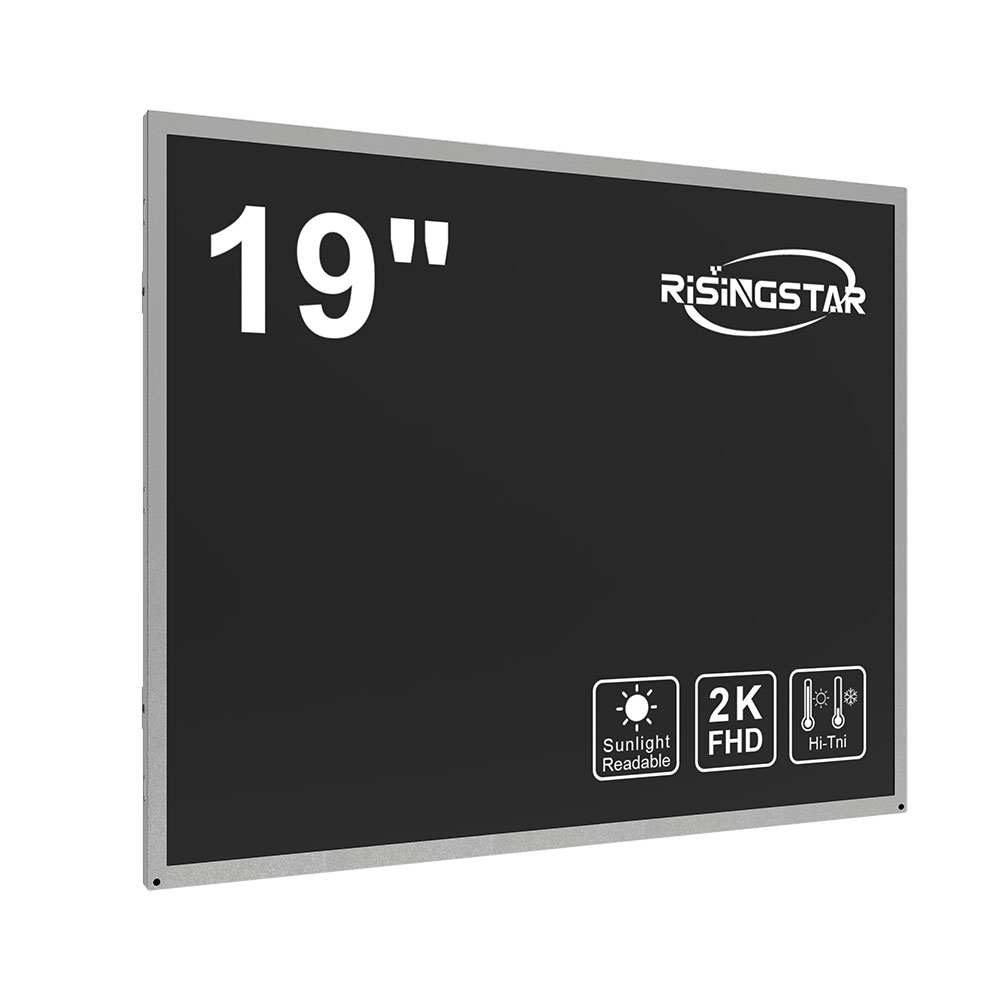
Case studies from leading manufacturers show that integrating sunlight-readable LCDs into remote monitoring units on oil rigs reduced operator errors by up to 40% due to improved visibility during daylight operations. In another instance, a European agricultural tractor manufacturer reported a 30% increase in field productivity after replacing low-brightness screens with 7,000-nit sunlight-readable alternatives, enabling real-time GPS navigation and data input under full sun exposure.
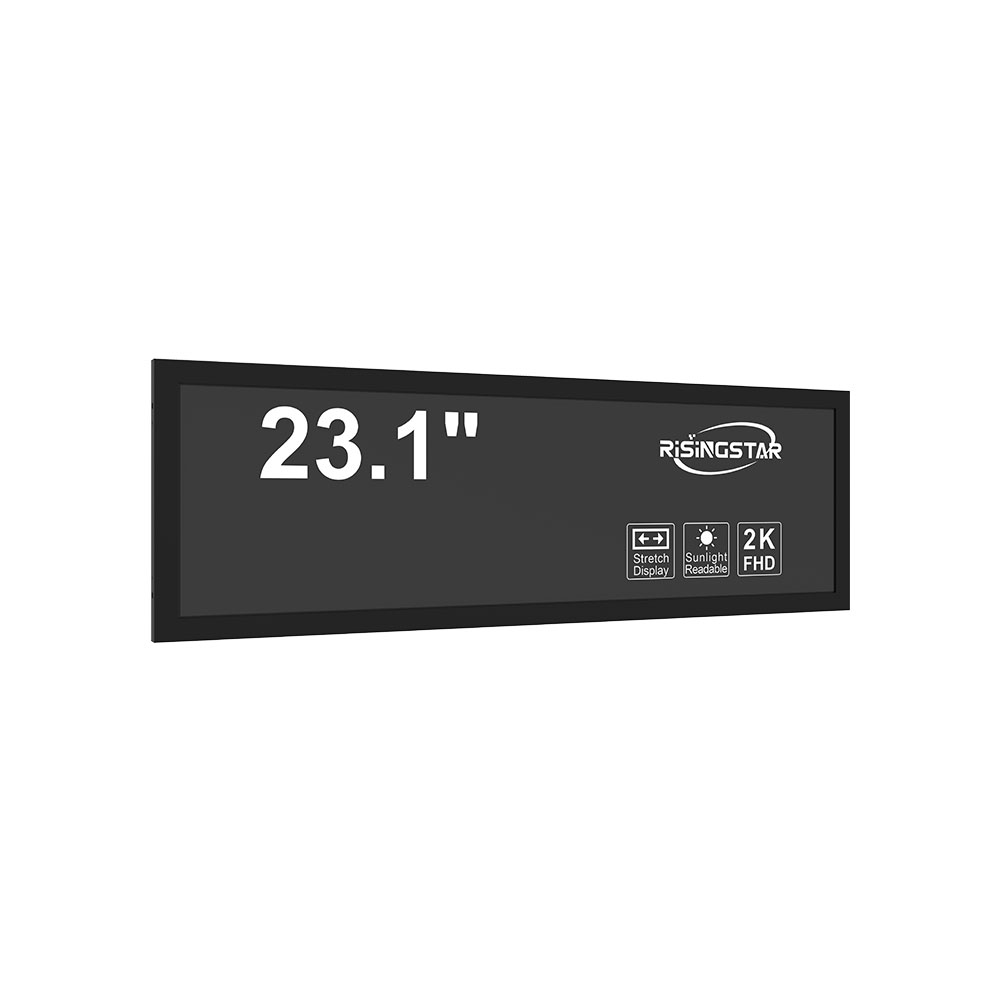
From an engineering perspective, these displays must balance power efficiency, thermal management, and long-term reliability. For example, newer generation modules utilize local dimming techniques and adaptive brightness control to reduce energy consumption while maintaining optimal visibility. They also support various interfaces including LVDS, RGB, and MIPI, ensuring compatibility with existing embedded systems used by overseas equipment OEMs and distributors.
As global markets demand more ruggedized, intelligent, and connected devices, the adoption of high-brightness sunlight-readable LCDs continues to rise—particularly in emerging sectors like smart agriculture, renewable energy infrastructure, and autonomous logistics. With over 15 years of R&D investment, companies now offer customizable solutions tailored to specific application requirements, including custom bezels, touch integration (resistive or capacitive), and ruggedized glass covers with scratch resistance and UV protection.
For overseas equipment manufacturers and distributors, selecting the right sunlight-readable LCD means not only enhancing product performance but also gaining a competitive edge in demanding environments where visibility equals safety, accuracy, and uptime.