RisingStar
- Home
- About Us
- Products
- News
- Video
- Contact
- Send Inquiry
Search
- Home
- About Us
- Products
- News
- Video
- Contact
- Send Inquiry
RisingStar
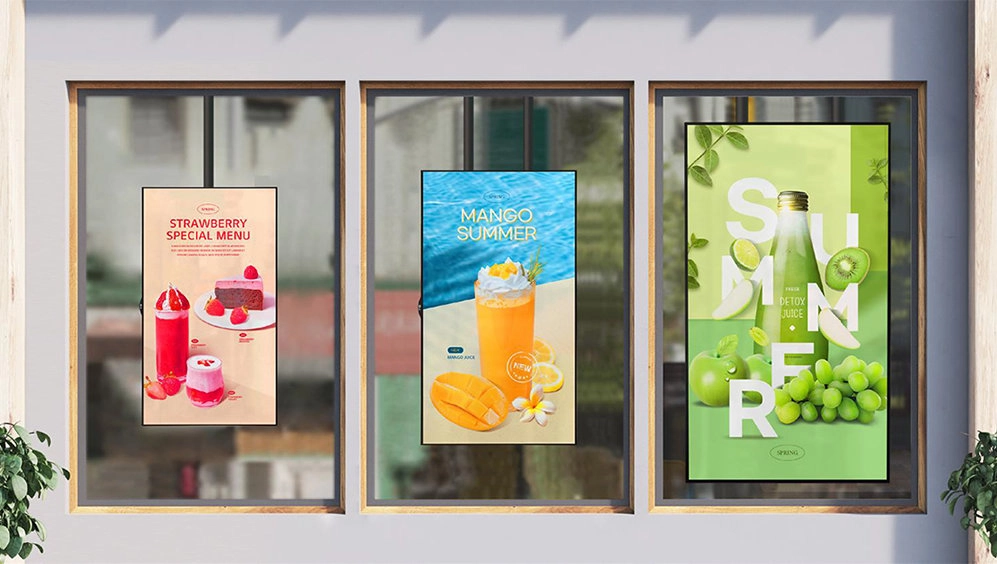
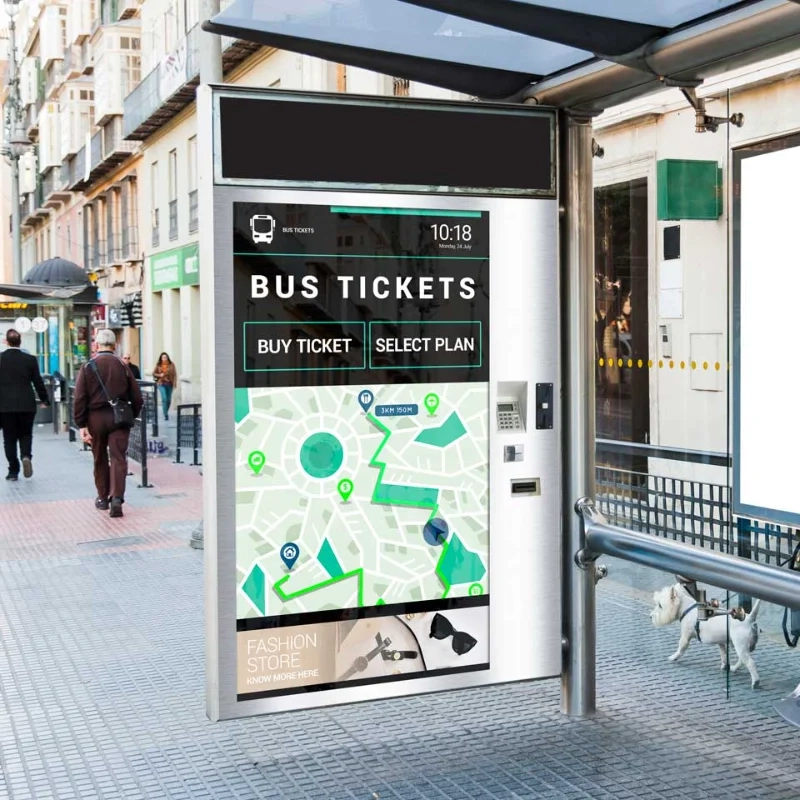
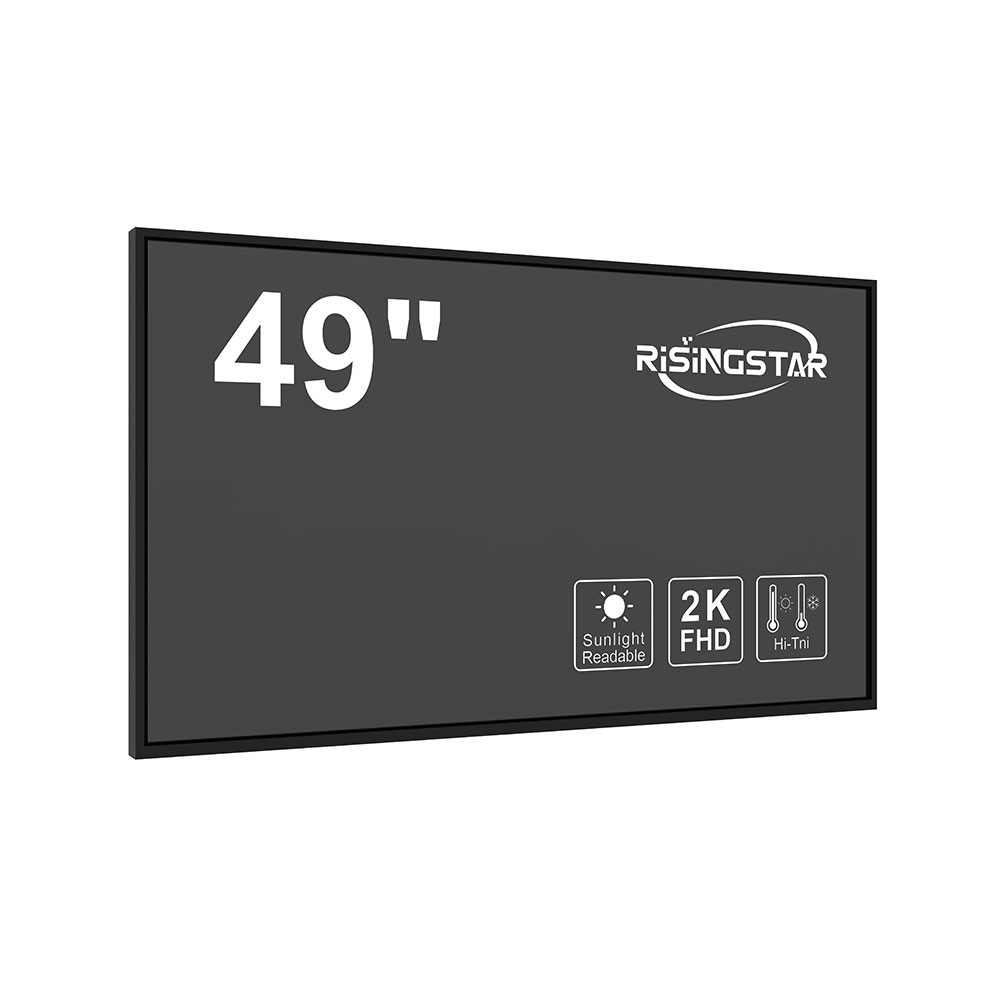
High-brightness sunlight-readable LCD screens have become essential in modern outdoor display applications, from military field operations to public transportation systems and industrial control panels. These displays are engineered to maintain visibility under extreme lighting conditions—particularly direct sunlight, where conventional LCDs often fail due to poor contrast and washed-out colors. The core challenge lies in achieving sufficient luminance while maintaining energy efficiency, color accuracy, and durability.
According to the U.S. Department of Defense’s MIL-STD-810G standard, military-grade displays must function reliably in ambient light levels up to 100,000 lux—a level commonly found on sunny days without cloud cover. To meet this requirement, manufacturers use a combination of high-luminance LED backlighting (typically 5,000–10,000 cd/m²), anti-glare coatings, and advanced optical bonding techniques. For example, Sharp Corporation and LG Display have implemented proprietary film-based diffusers and polarizer enhancements that increase brightness by up to 30% while reducing power consumption compared to older designs.
A case study from the UK’s National Health Service (NHS) illustrates real-world impact: mobile health units equipped with 7,000 cd/m² sunlight-readable LCDs saw a 40% reduction in misreadings during outdoor patient assessments. This improvement was attributed not only to higher brightness but also to improved contrast ratios (often exceeding 1000:1) achieved through local dimming and adaptive gamma correction algorithms. Such advancements align with ISO 9241-3 standards for human-centered design, emphasizing legibility and user comfort under variable lighting.
Moreover, the integration of ambient light sensors enables dynamic brightness adjustment—an energy-saving feature that extends battery life in portable devices such as rugged tablets used in construction or agriculture. In a recent benchmark by TechInsights (2023), sunlight-readable LCDs demonstrated up to 60% lower power consumption than non-adaptive counterparts when operating in varying environmental conditions. This makes them ideal for solar-powered IoT devices deployed in remote areas.
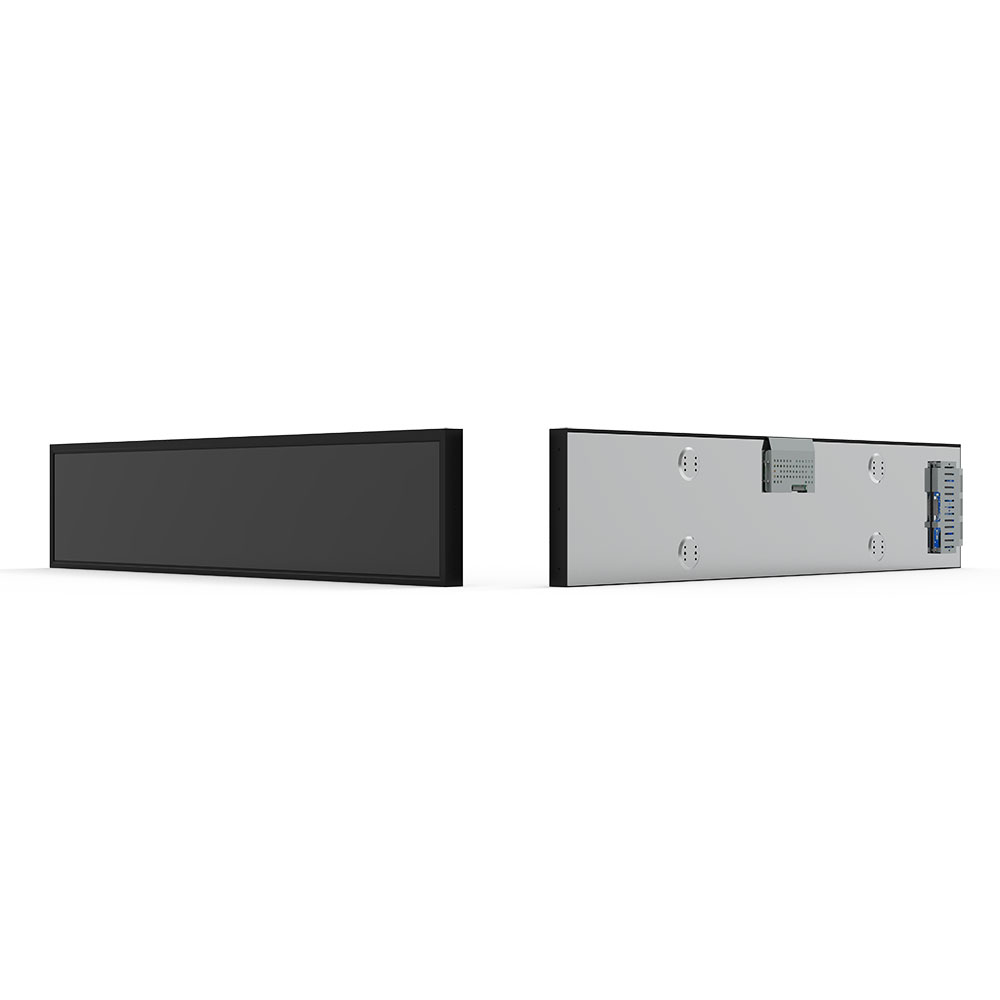
From a materials perspective, manufacturers increasingly adopt glass-reinforced polymer substrates and chemically strengthened glass (like Gorilla Glass) to withstand physical impacts, UV exposure, and temperature extremes (-30°C to +70°C). Additionally, OLED-based sunlight-readable displays are emerging as a promising alternative due to their superior contrast and faster response times, though they currently face challenges in achieving consistent brightness at scale.
In conclusion, high-brightness sunlight-readable LCD technology is no longer just a niche solution—it is now a critical component of global infrastructure. As industries demand more reliable, efficient, and durable visual interfaces for outdoor use, ongoing R&D in optics, materials science, and power management ensures continued innovation. Whether in defense, healthcare, logistics, or smart city deployments, these displays represent a convergence of engineering excellence and practical necessity.