RisingStar
- Home
- About Us
- Products
- News
- Video
- Contact
- Send Inquiry
Search
- Home
- About Us
- Products
- News
- Video
- Contact
- Send Inquiry
RisingStar
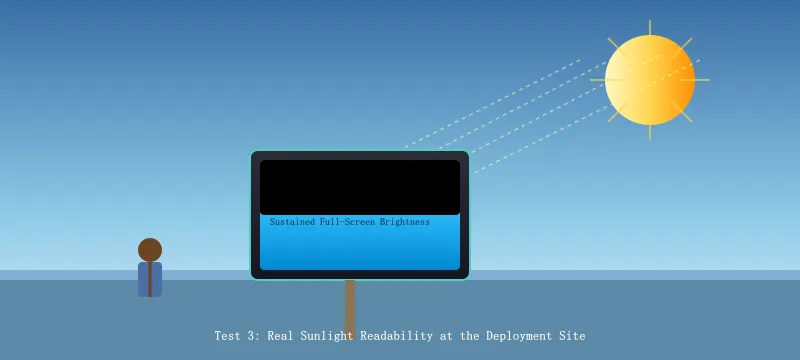
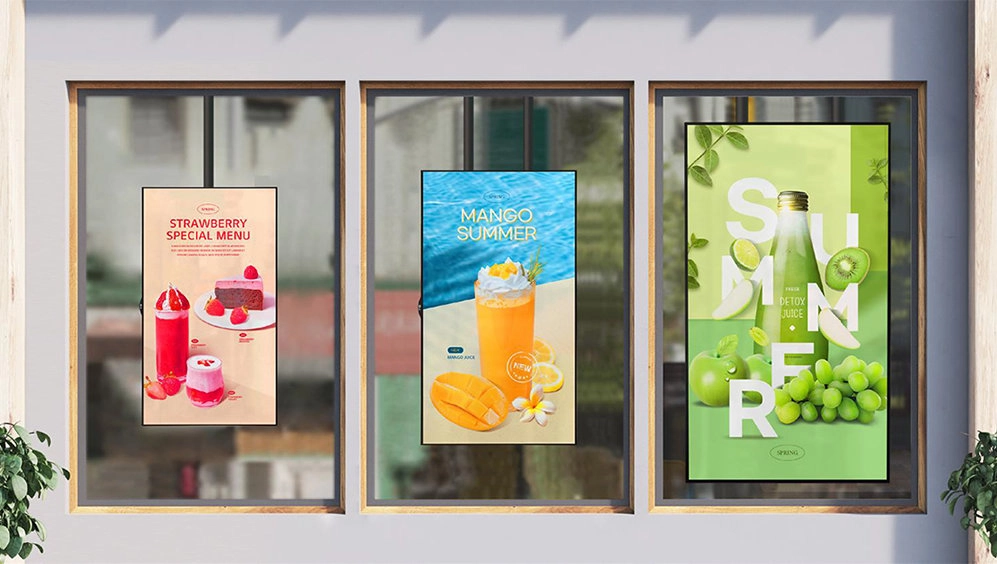
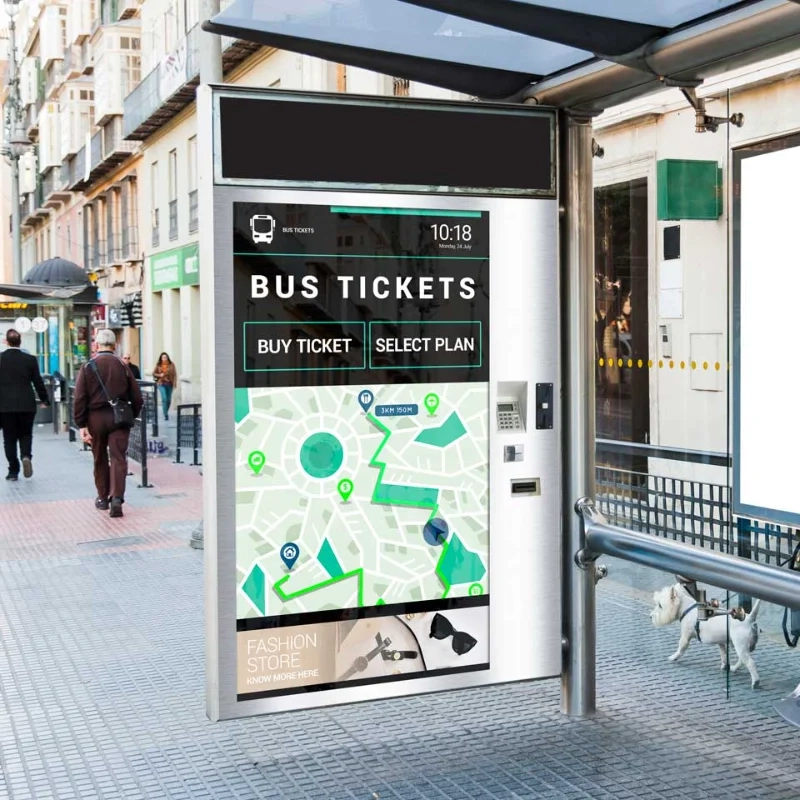
High-brightness sunlight-readable LCD screens are essential components in modern outdoor display systems, particularly in environments where ambient light intensity can exceed 100,000 lux—such as on military vehicles, industrial control panels, transportation kiosks, and public information signage. These displays must remain legible under direct sunlight, which demands not only exceptional luminance but also advanced optical design and power-efficient technologies.
The key technical differentiator of a sunlight-readable LCD is its peak brightness, typically ranging from 3,000 to 10,000 nits—far exceeding the 250–500 nits found in standard indoor displays. For example, the MIL-STD-188-141B military specification requires that displays maintain readability under 100,000 lux of sunlight, which equates to approximately 6,000–10,000 nits of brightness at the screen surface. This level of performance is achieved through several innovations:
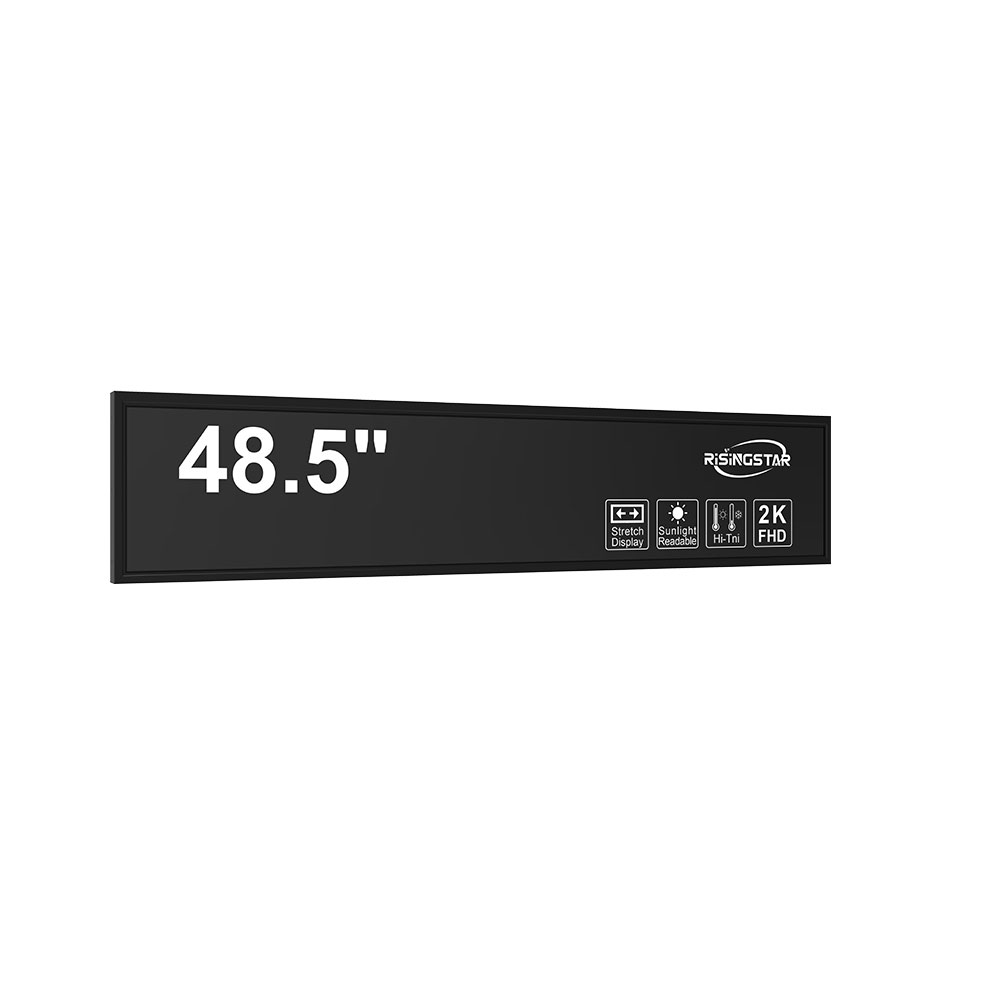
First, high-brightness LED backlighting is used, often with local dimming zones to optimize contrast and reduce power consumption. Second, anti-glare coatings and polarization filters minimize reflections while enhancing contrast ratios—critical for visual clarity in bright conditions. Third, specialized liquid crystal materials such as twisted nematic (TN) or in-plane switching (IPS) with optimized response times ensure consistent color accuracy and fast refresh rates even at elevated temperatures.
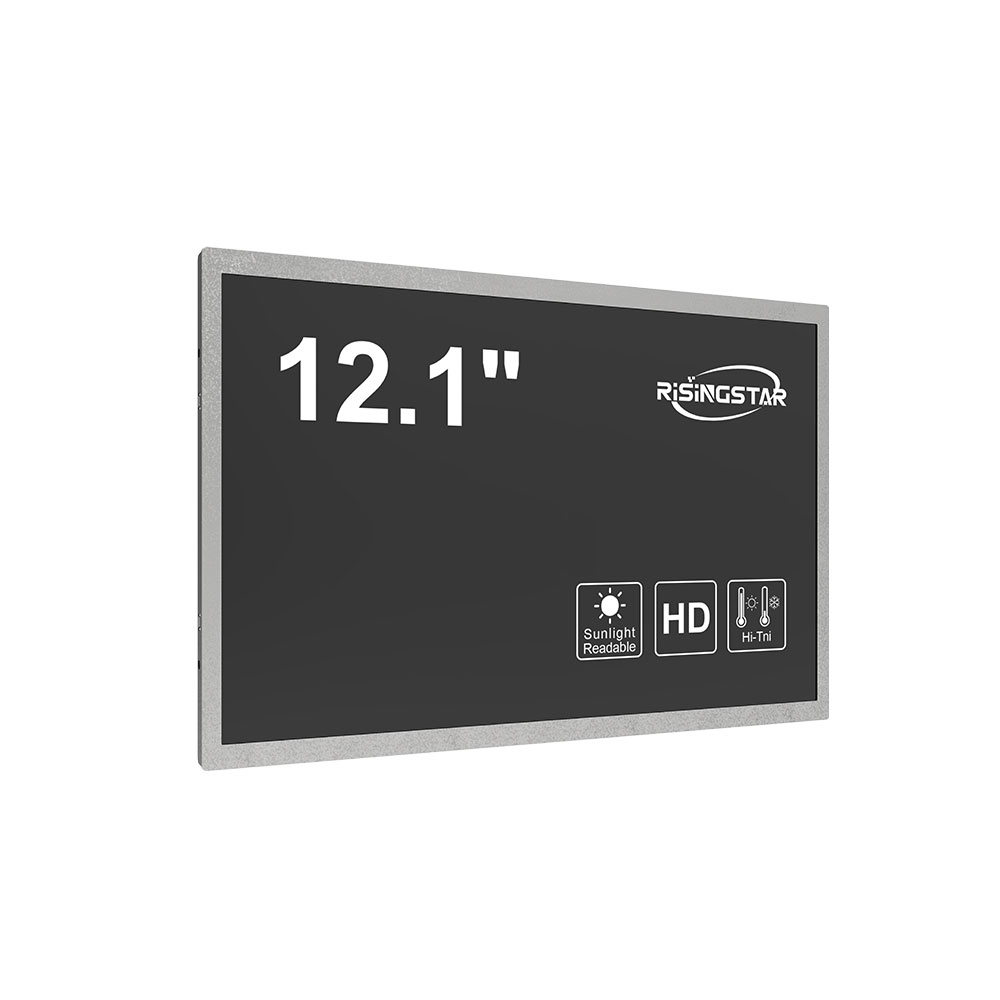
Case studies demonstrate the real-world effectiveness of these designs. In 2022, a U.S. Department of Defense project deployed custom-built 15-inch sunlight-readable LCDs in unmanned ground vehicles operating in desert environments. These units delivered 7,500 nits of brightness and maintained functionality across -40°C to +70°C temperature ranges—a testament to their ruggedized construction and thermal management capabilities. Similarly, Japanese transit authorities have adopted high-brightness LCDs for digital train station displays, improving passenger experience by ensuring clear readability during both daytime and nighttime operations.
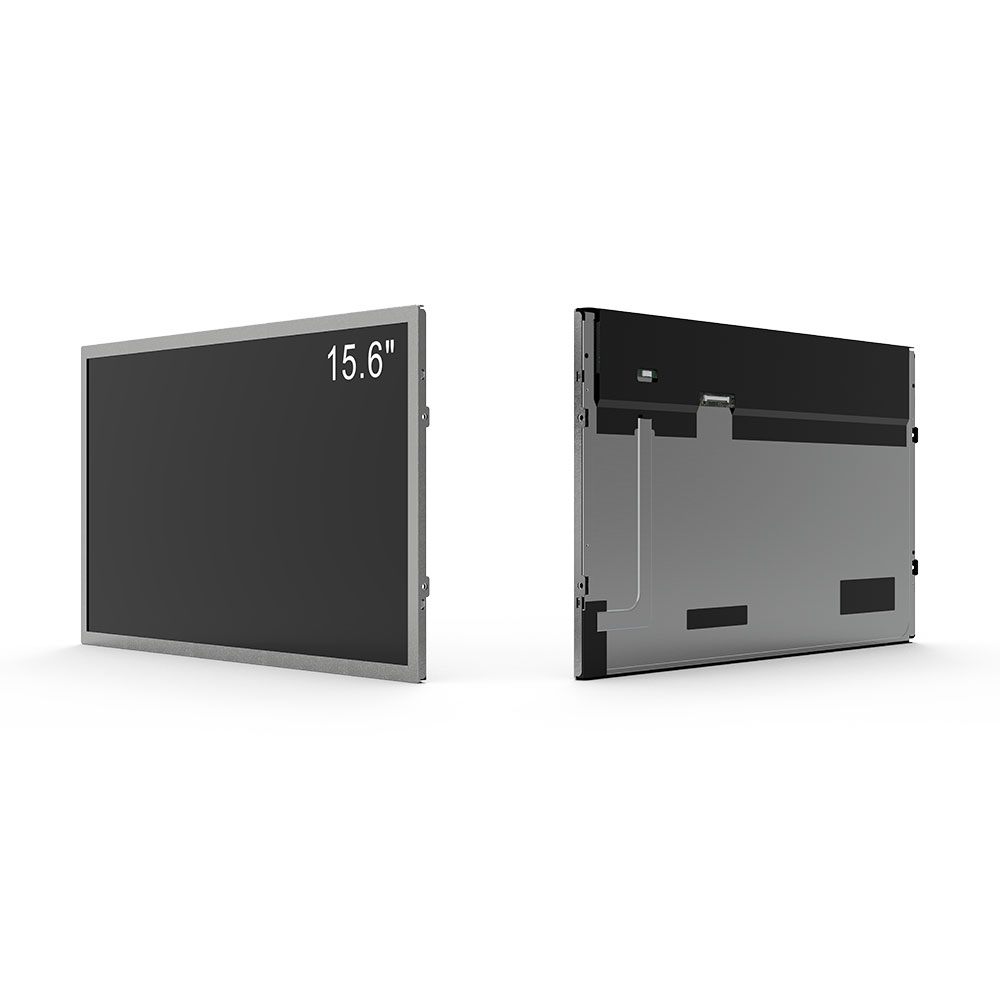
Manufacturers like Sharp, LG Display, and Innolux now offer full-color, wide-viewing-angle, sunlight-readable panels designed for OEM integration. Industry standards such as ISO 9241-307 (Human-centred design for interactive systems) guide the ergonomic development of these displays, ensuring usability across diverse user demographics. Additionally, advancements in low-power consumption technologies, including OLED-based sunlight-readable displays, are emerging as promising alternatives to traditional LCDs due to higher contrast ratios and better black levels.
From an engineering perspective, the challenge lies in balancing brightness, energy efficiency, and thermal performance. Engineers use computational fluid dynamics (CFD) simulations and finite element analysis (FEA) to model heat dissipation paths in compact housing. Furthermore, the integration of automatic brightness adjustment sensors—based on ambient light detection—helps reduce power draw when less brightness is required, extending battery life in portable devices.
In conclusion, high-brightness sunlight-readable LCD technology is no longer just a niche requirement—it’s a foundational enabler of smart infrastructure, defense applications, and consumer electronics designed for extreme environments. As global demand grows for durable, reliable, and readable outdoor displays, continued innovation in materials science, optical engineering, and system-level integration will drive future developments in this critical field.