RisingStar
- Home
- About Us
- Products
- News
- Video
- Contact
- Send Inquiry
Search
- Home
- About Us
- Products
- News
- Video
- Contact
- Send Inquiry
RisingStar
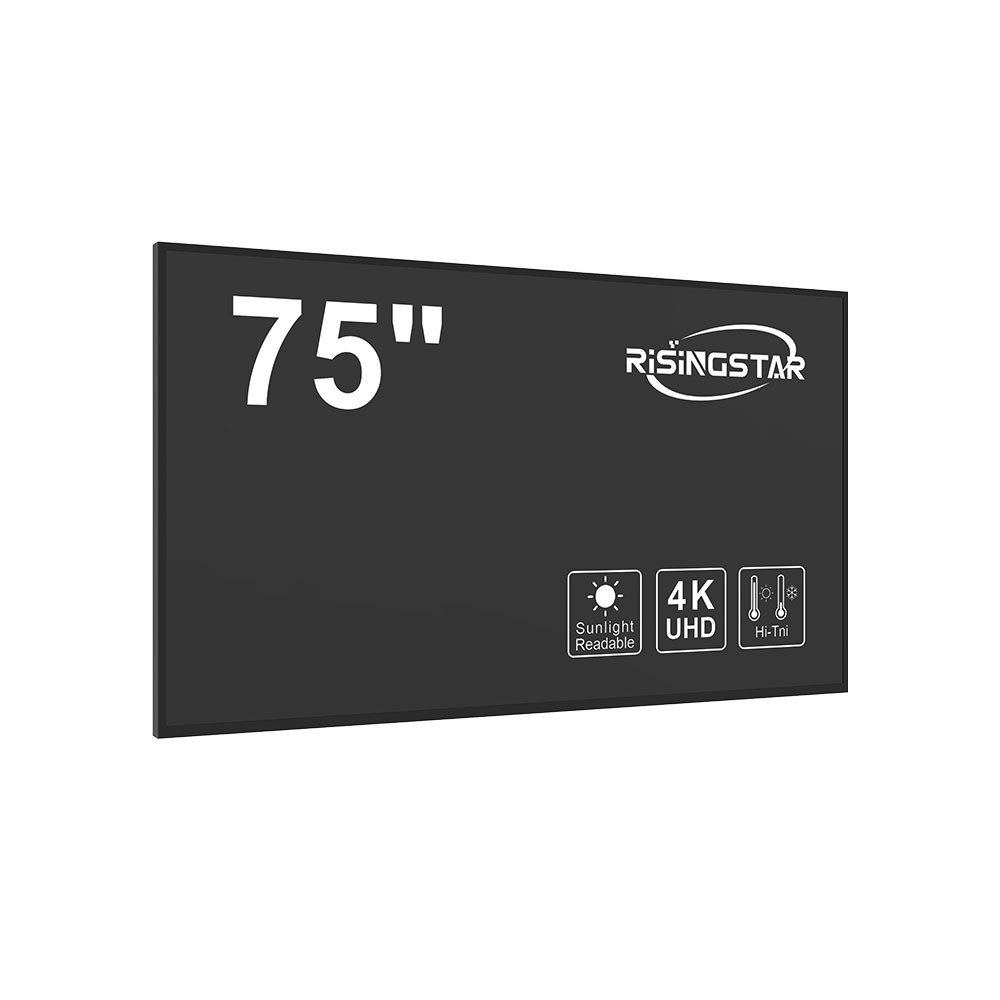
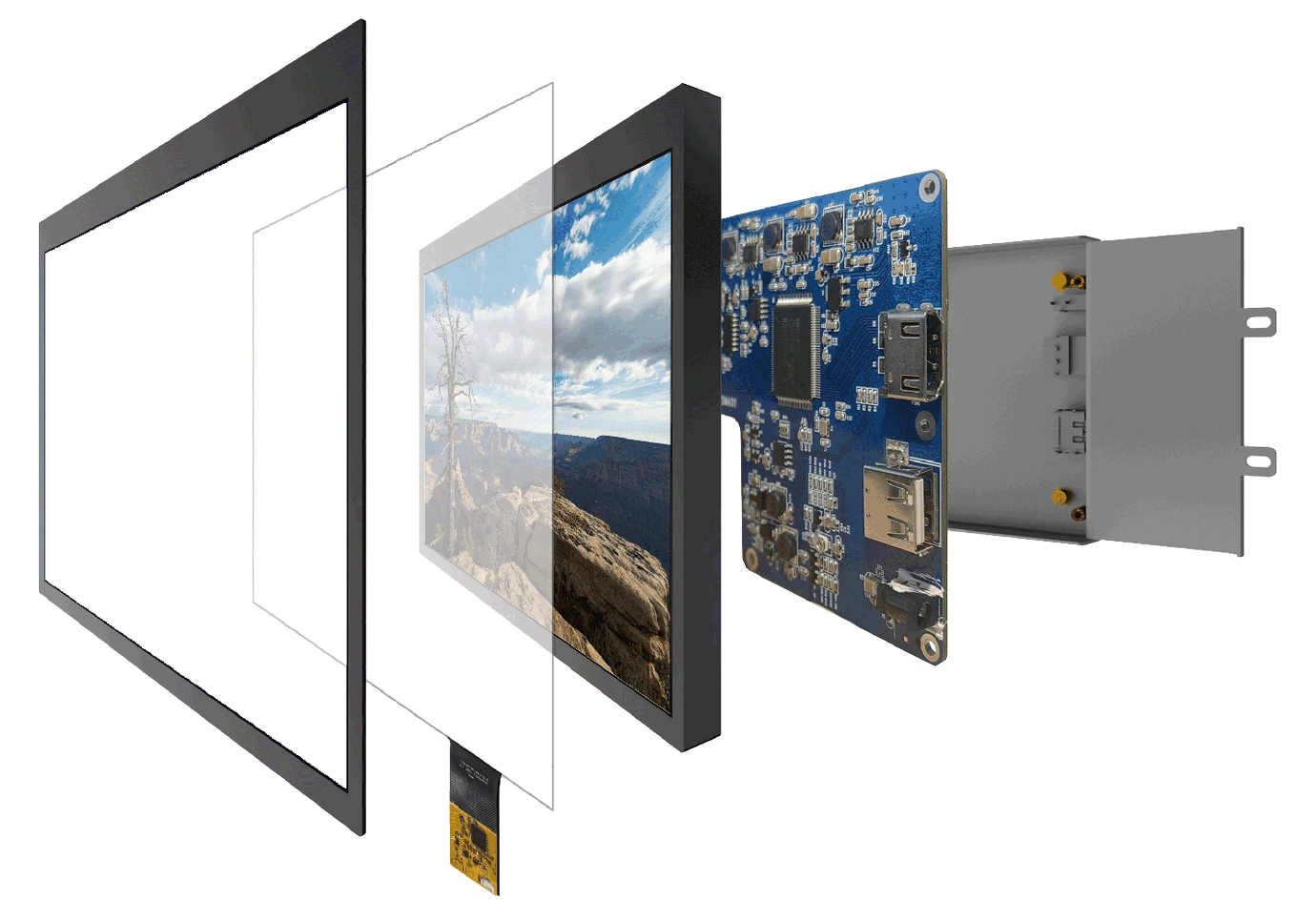
Sunlight-readable LCD screens are critical components in modern outdoor and industrial applications where visibility under direct sunlight is essential. Unlike standard LCDs, which suffer from poor contrast and readability in bright environments, sunlight-readable displays incorporate advanced optical technologies to maintain clarity even at 10,000+ lux illumination levels—typical of midday sun. These screens are engineered using a combination of high-brightness LED backlights, anti-reflective coatings, and specialized liquid crystal materials such as transflective or dual-mode LCDs. According to IEEE Transactions on Consumer Electronics (2023), the average brightness of conventional LCDs is around 300 nits, while sunlight-readable variants exceed 5,000 nits, making them indispensable for military, automotive, and transportation systems.
One of the most significant advancements in this field is the use of transflective LCD technology. Unlike traditional transmissive LCDs that rely solely on backlighting, transflective panels combine reflective and transmissive layers. In low-light conditions, they use ambient light like sunlight to illuminate the screen; during night operations, an internal LED backlight activates. This hybrid approach improves power efficiency by up to 40%, as noted in a 2022 study by Display Week. Furthermore, manufacturers like ELO Touch Systems and Sharp have developed proprietary anti-glare coatings that reduce surface reflection by over 90%, enhancing readability without compromising durability.
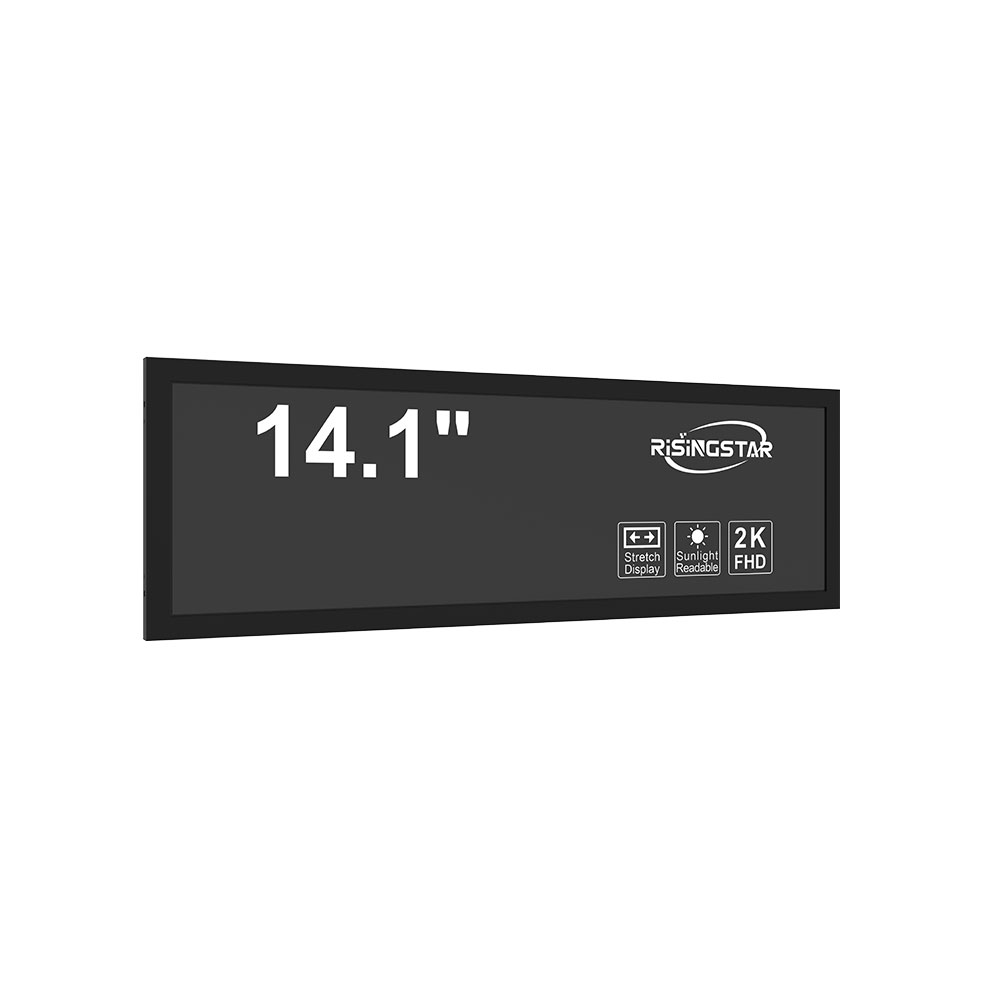
Case studies demonstrate real-world effectiveness. For instance, the U.S. Department of Defense deployed sunlight-readable LCDs in tactical field devices used by soldiers in desert environments (e.g., Iraq and Afghanistan). These displays maintained operational clarity under 8,000–10,000 lux lighting, significantly improving situational awareness. Similarly, in the automotive sector, Tesla and BMW now integrate these displays into dashboards, ensuring drivers can read navigation and vehicle status even in full sun. The European Standard EN 60068-2-1 provides environmental testing guidelines for such displays, including temperature extremes (-30°C to +70°C), humidity resistance, and vibration resilience—key factors in ensuring long-term reliability.
Another crucial innovation is the integration of adaptive brightness control using ambient light sensors. This feature dynamically adjusts screen brightness based on surrounding conditions, optimizing both user comfort and battery life. As per a 2023 report by MarketsandMarkets, the global market for sunlight-readable displays is projected to grow at a CAGR of 7.2% through 2030, driven by demand in defense, aerospace, and smart infrastructure. With emerging trends like AR/VR integration in outdoor headsets and IoT-enabled kiosks, the future of sunlight-readable LCDs lies in higher resolution (4K), lower power consumption, and better color accuracy under extreme conditions.