RisingStar
- Home
- About Us
- Products
- News
- Video
- Contact
- Send Inquiry
Search
- Home
- About Us
- Products
- News
- Video
- Contact
- Send Inquiry
RisingStar
In today’s increasingly connected world, industrial, military, and outdoor applications demand electronic displays that can withstand extreme environmental conditions—including dust, moisture, and mechanical stress. Among the most critical certifications for such environments is the IP66 rating—a standard defined by the International Electrotechnical Commission (IEC) under IEC 60529. An IP66-rated display offers complete protection against dust ingress (the “6” in IP66) and powerful water jets from any direction (the “6” for water resistance), making it an essential component for high-brightness sunlight-readable LCDs used in ruggedized systems.
The engineering behind an IP66 waterproof LCD involves more than just sealing the screen. It begins with a robust housing design using materials like stainless steel or aluminum alloy, which not only protects the internal electronics but also dissipates heat efficiently—an important factor in high-brightness LED-backlit displays. The display panel itself must be sealed at the glass-to-frame interface using high-quality gasket materials such as silicone or EPDM rubber. These gaskets are tested to ensure they maintain their integrity across wide temperature ranges—from -40°C to +70°C—common in automotive, marine, and aerospace applications.
Manufacturers typically perform rigorous testing protocols to validate IP66 compliance. This includes a dust chamber test where fine powder (like talcum) is circulated for 8 hours to simulate prolonged exposure to dusty environments. For water resistance, a pressure water jet test is conducted using 12.5 liters per minute of water at 100 kPa pressure, directed from multiple angles for 3 minutes each. These tests are standardized and recognized globally, ensuring consistency across industries. According to the IEC 60529 specification, devices passing these tests must show no harmful ingress of dust or water—even under continuous exposure to heavy rain or hose-directed spray.
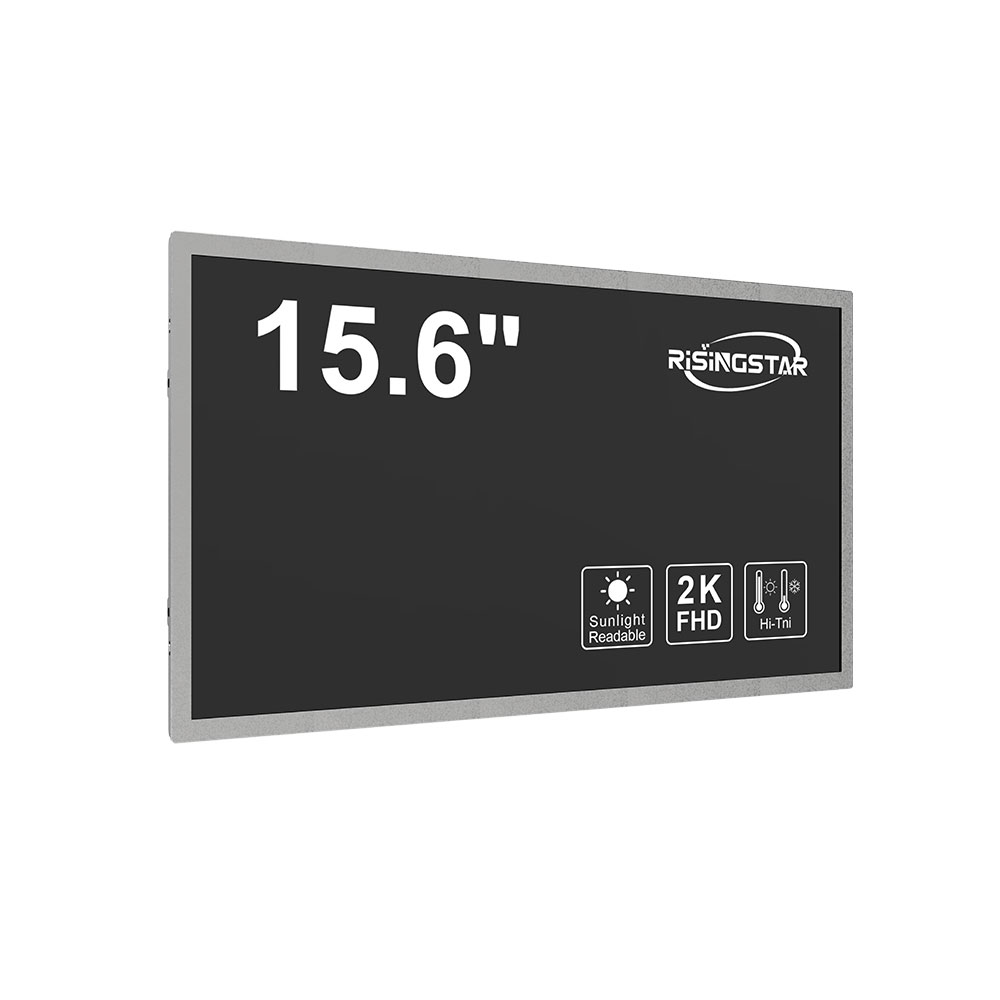
Real-world case studies demonstrate the importance of IP66-rated LCDs. For example, a defense contractor integrating a 10.4-inch sunlight-readable display into a battlefield command unit required a solution that could survive desert sandstorms and rapid weather changes. By selecting an IP66-certified display from a reputable supplier like COTS (Commercial Off-The-Shelf) provider LG Display or Sharp, the system achieved both operational reliability and extended field life. Similarly, maritime vessels equipped with IP66 displays for navigation consoles have reported zero failures due to water ingress over 5+ years of operation, even in saltwater-rich environments.
From an application perspective, IP66 waterproof LCDs are indispensable in smart agriculture (e.g., soil monitoring systems exposed to irrigation), construction equipment (e.g., excavator dashboards), and public transportation (e.g., bus information screens in rainy climates). They also support the growing trend of IoT-enabled edge devices that operate in uncontrolled environments, such as environmental sensors in oil rigs or solar farms. In all these cases, maintaining display functionality under harsh conditions directly impacts safety, uptime, and user trust.
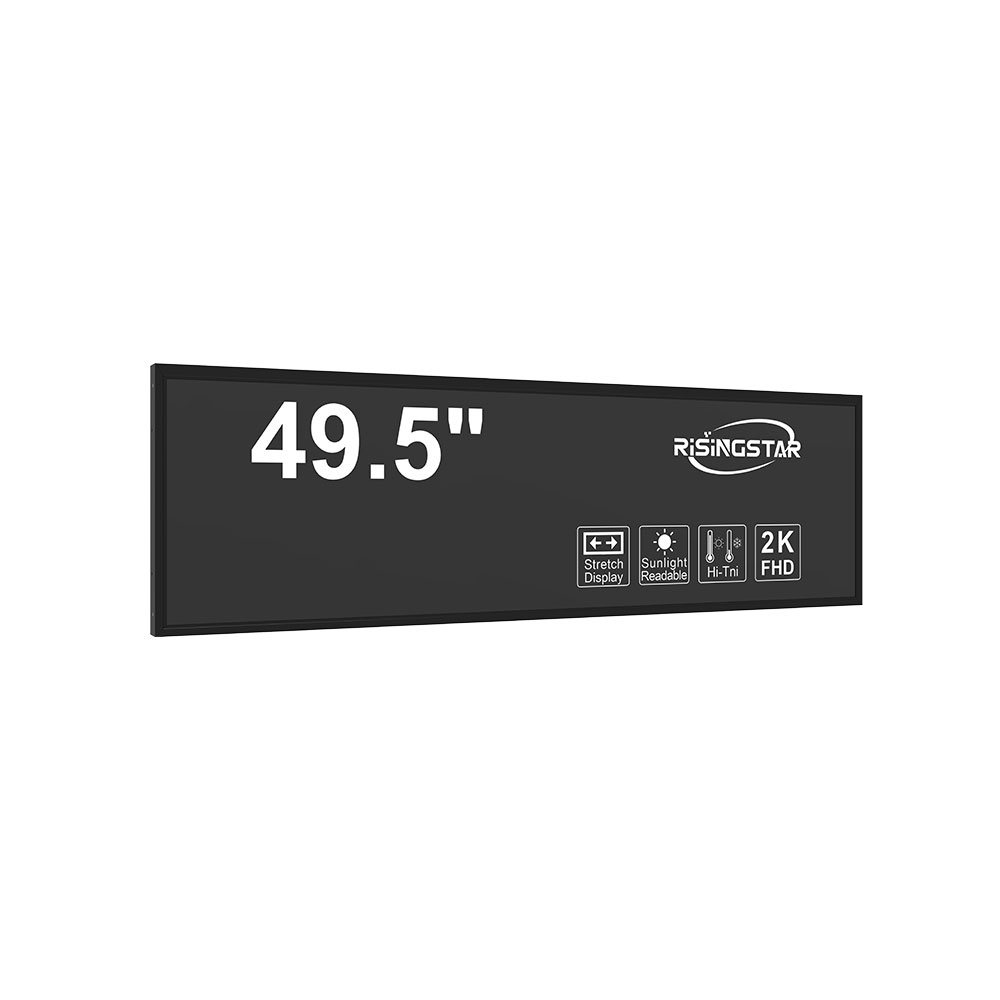
Designers and engineers must consider trade-offs when specifying IP66 displays: while enhanced protection improves durability, it may affect thermal management or touch sensitivity if not properly integrated. Therefore, collaboration between OEMs, display manufacturers, and third-party testing labs (such as UL or Intertek) is vital during the development phase. Additionally, adherence to ISO 16750 (vehicle electrical systems) and MIL-STD-810G (military environmental standards) further enhances product credibility.
In conclusion, IP66 waterproofing is not merely a label—it is a proven engineering solution that enables high-brightness LCDs to function reliably in real-world hostile environments. As industries move toward smarter, more resilient systems, IP66 remains a gold standard for protecting critical display components in demanding applications worldwide.