RisingStar
- Home
- About Us
- Products
- News
- Video
- Contact
- Send Inquiry
Search
- Home
- About Us
- Products
- News
- Video
- Contact
- Send Inquiry
RisingStar
High-brightness sunlight-readable LCD screens have become indispensable in modern outdoor applications where visibility under direct sunlight is critical. These displays are engineered to maintain clarity and readability even in intense ambient lighting conditions—such as those found in military operations, transportation systems, industrial control panels, and public information kiosks. Unlike standard LCDs that often appear washed out or invisible under bright daylight, high-brightness sunlight-readable LCDs utilize advanced optical technologies, including high-luminance backlighting, anti-reflection coatings, and enhanced contrast ratios to ensure optimal performance.
The core of these displays lies in their ability to achieve brightness levels ranging from 3,000 to 10,000 nits (cd/m²), far exceeding the typical 250–500 nits of consumer-grade LCDs. For instance, MIL-STD-188-114 and ISO 11451 standards define stringent requirements for display performance in harsh environments, particularly for military and aerospace use. High-brightness sunlight-readable LCDs must also meet IP65 or higher ingress protection ratings to resist dust and water exposure, making them suitable for ruggedized field deployments.
A key innovation in this domain is the use of transflective liquid crystal technology, which combines both transmissive and reflective modes. In low-light conditions, the display uses a backlight like a traditional LCD; however, in strong sunlight, it leverages ambient light reflection through a mirrored layer behind the pixel array—a feature especially useful in battery-powered devices such as handheld field computers. This dual-mode operation improves energy efficiency while maintaining visibility.
Case studies from industries such as aviation and rail transport further illustrate the value of these screens. For example, Boeing’s flight deck displays utilize 5,000-nit sunlight-readable LCDs to ensure pilots can read critical data during takeoff and landing, even in direct sunlight. Similarly, Siemens’ train control interfaces rely on similar technology for real-time operational monitoring across open-air platforms.
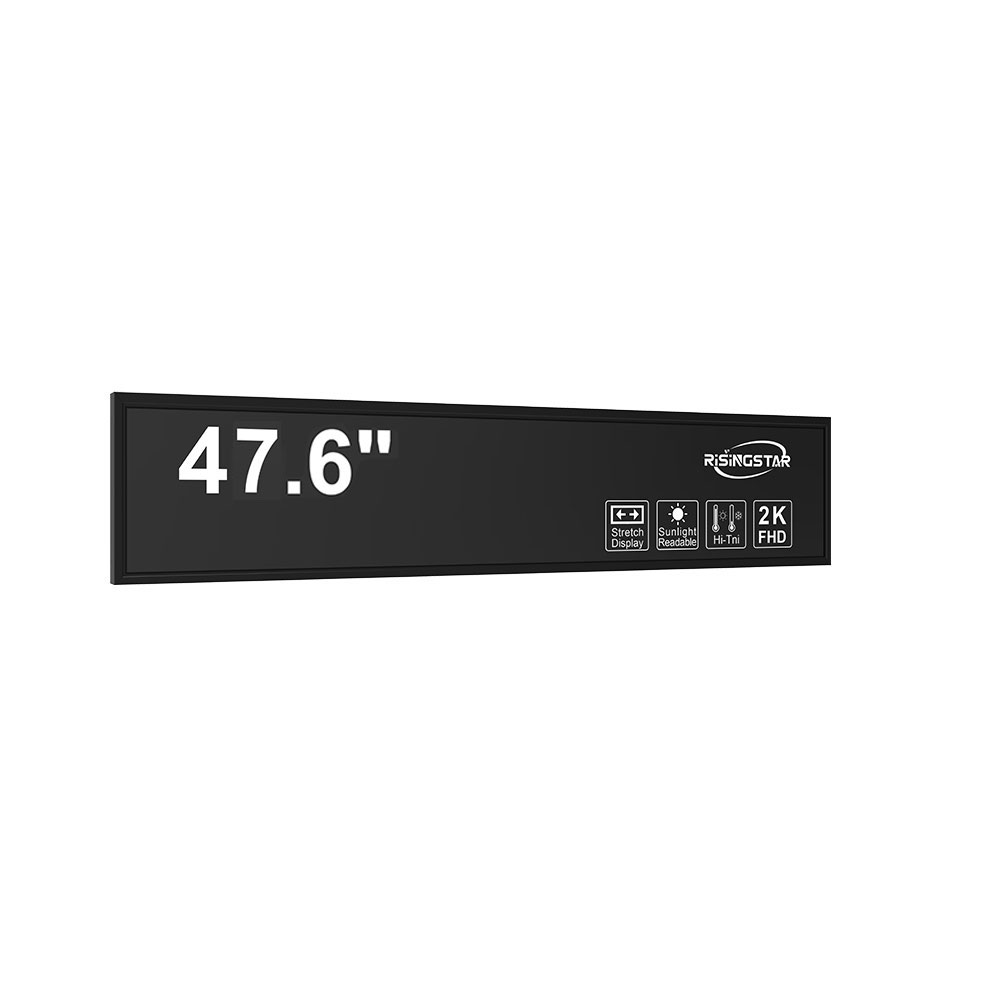
Another critical factor is the integration of wide viewing angles (typically ≥170°) and fast response times (<10ms), ensuring dynamic content remains sharp and responsive. OLED-based variants are emerging but remain cost-prohibitive for mass deployment; thus, LED-backlit TN/IPS panels dominate due to their balance of cost, performance, and durability.
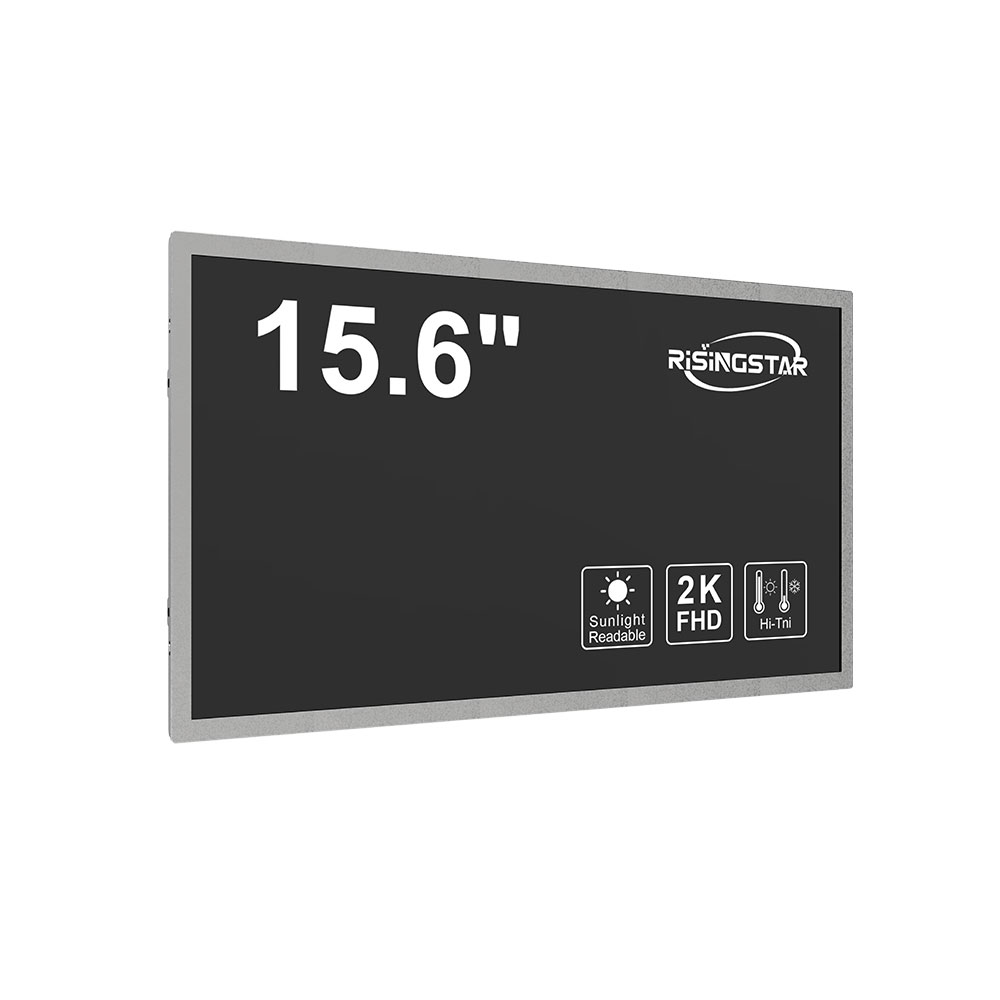
Manufacturers like LG Display, Sharp, and AU Optronics have developed proprietary solutions, including multi-layer polarizers, micro-lens arrays, and edge-lit backlight systems with uniform intensity distribution. These innovations not only improve luminance but also reduce power consumption—an essential metric for mobile and remote applications.
In summary, high-brightness sunlight-readable LCD technology represents a mature yet continuously evolving field driven by global demand for reliable, human-centric interface design in outdoor settings. As smart cities, autonomous vehicles, and IoT infrastructure expand, the need for robust, readable displays will only intensify, reinforcing the strategic importance of this specialized display engineering discipline.