 RisingStar
- Home
- About Us
- Products
- News
- Video
- Contact
- Send Inquiry
Search
- Home
- About Us
- Products
- News
- Video
- Contact
- Send Inquiry
RisingStar
TFT, or Thin-Film Transistor, is a core technology behind the high-performance displays found in smartphones, tablets, laptops, and industrial control panels. At its essence, a TFT is a type of active-matrix liquid crystal display (LCD) that uses a thin-film transistor array to control each pixel independently—allowing for faster response times, higher resolution, and better contrast than passive-matrix LCDs. This innovation has revolutionized how we interact with digital screens in both consumer and professional environments.
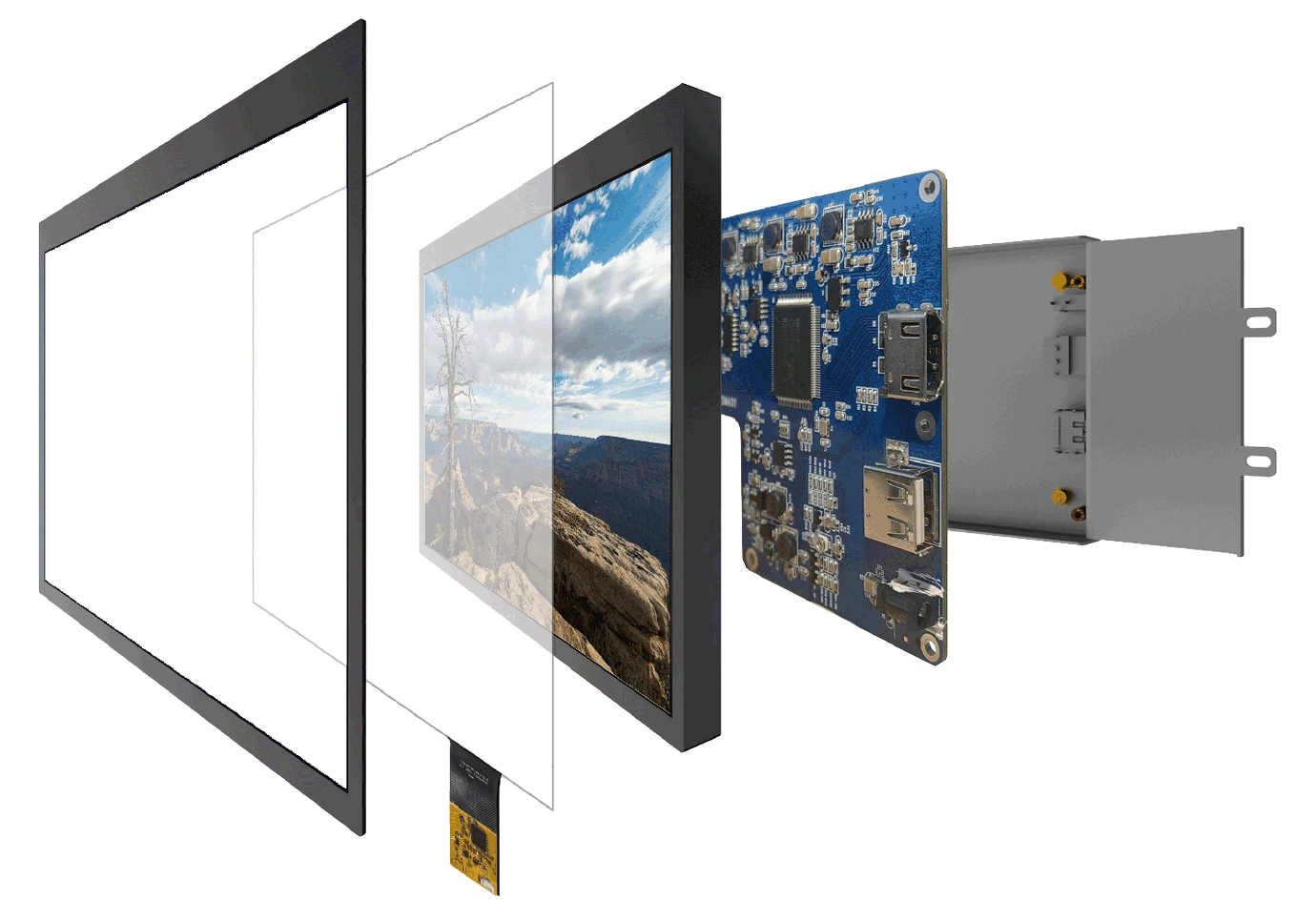
The full form of TFT—Thin-Film Transistor—is more than just an acronym; it represents a critical advancement in display engineering. Each pixel in a TFT-LCD panel is controlled by at least one transistor made from amorphous silicon or, in newer models, low-temperature polycrystalline silicon (LTPS). These transistors act as switches, turning pixels on or off rapidly to produce crisp images, smooth video playback, and stable visuals even under bright ambient lighting conditions.
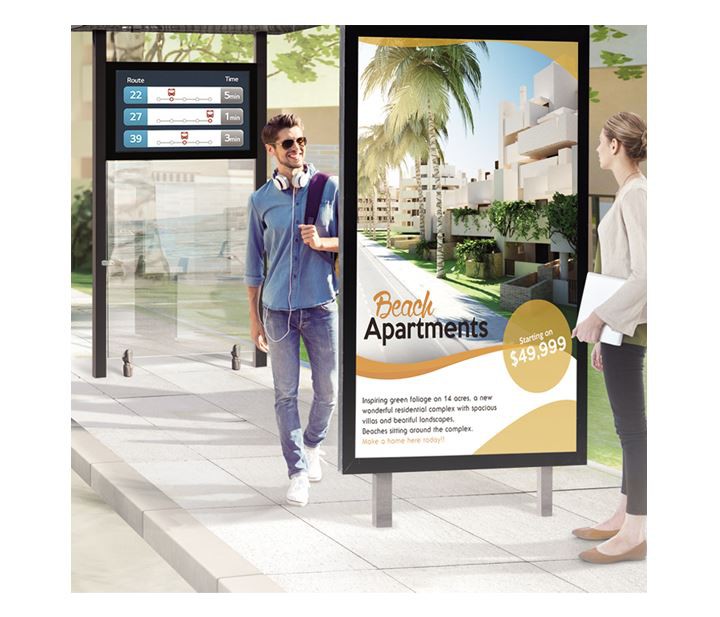
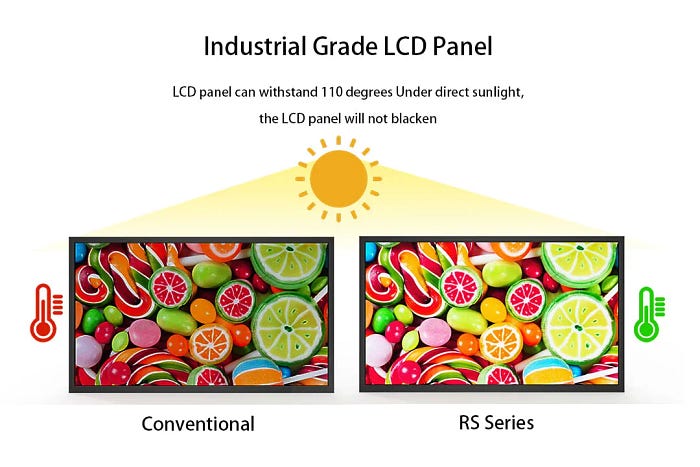
One of the most notable applications of TFT technology is in sunlight-readable displays. Because of their ability to maintain brightness levels up to 5,000 nits or more (as seen in military-grade and outdoor kiosks), TFT-based screens are widely used in automotive dashboards, aviation cockpits, medical devices, and field service equipment. According to industry data from Display Supply Chain Consultants (DSCC), over 70% of all smartphone displays today utilize some form of TFT-LCD technology due to its balance of cost, performance, and power efficiency.
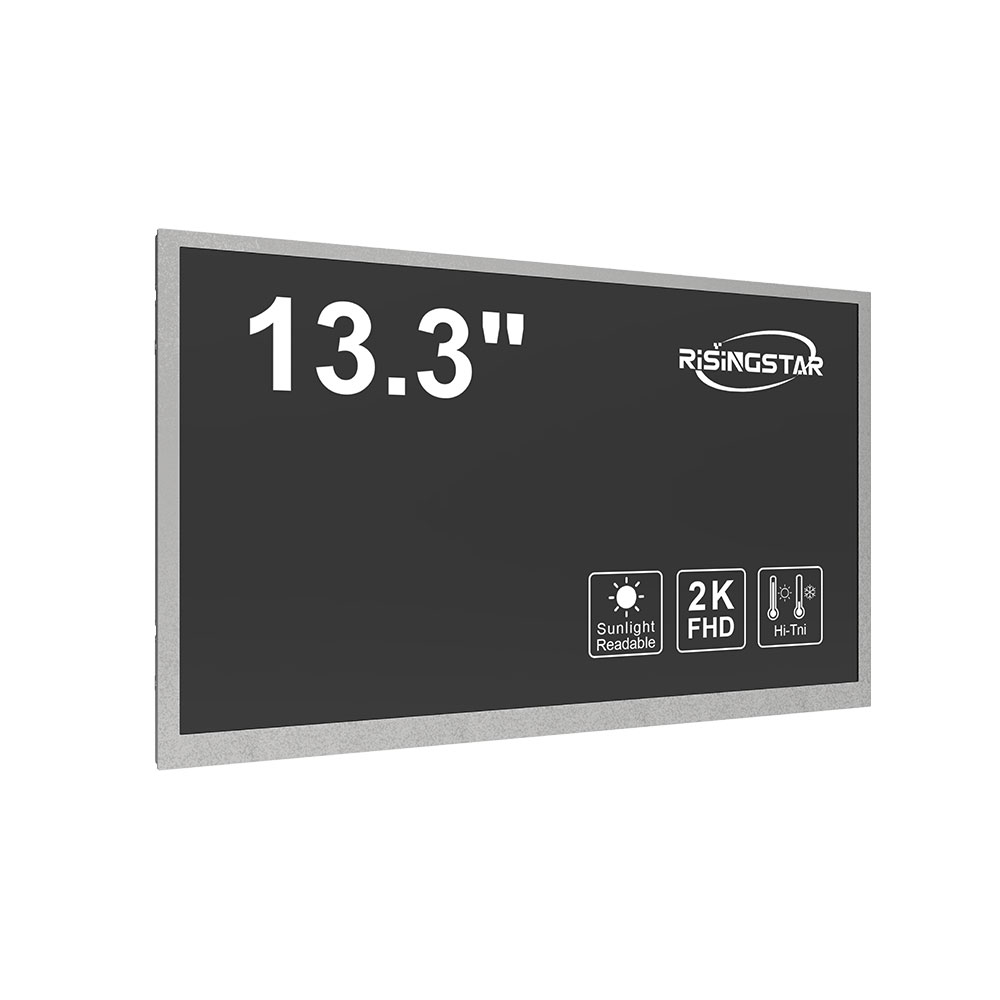
Beyond consumer electronics, TFT panels are integral to specialized sectors such as industrial automation, where clarity under harsh lighting and temperature variations is essential. For example, Siemens and Honeywell use custom-built TFT displays in their PLC systems to ensure operators can read critical status indicators during plant operations—even in direct sunlight. The development of advanced backlights like LED-edge-lit and mini-LED configurations further boosts luminance while reducing energy consumption, making TFT displays not only brighter but also more sustainable.
In recent years, OLED and micro-LED technologies have emerged as alternatives, particularly in premium smartphones. However, TFT remains the dominant choice for mid-range and industrial applications due to its maturity, scalability, and reliability. As per Wikipedia’s detailed documentation on LCD technology, TFT-LCDs have been the standard in flat-panel displays since the early 2000s and continue to evolve through innovations such as IPS (In-Plane Switching) and VA (Vertical Alignment) panel types that improve viewing angles and color accuracy.
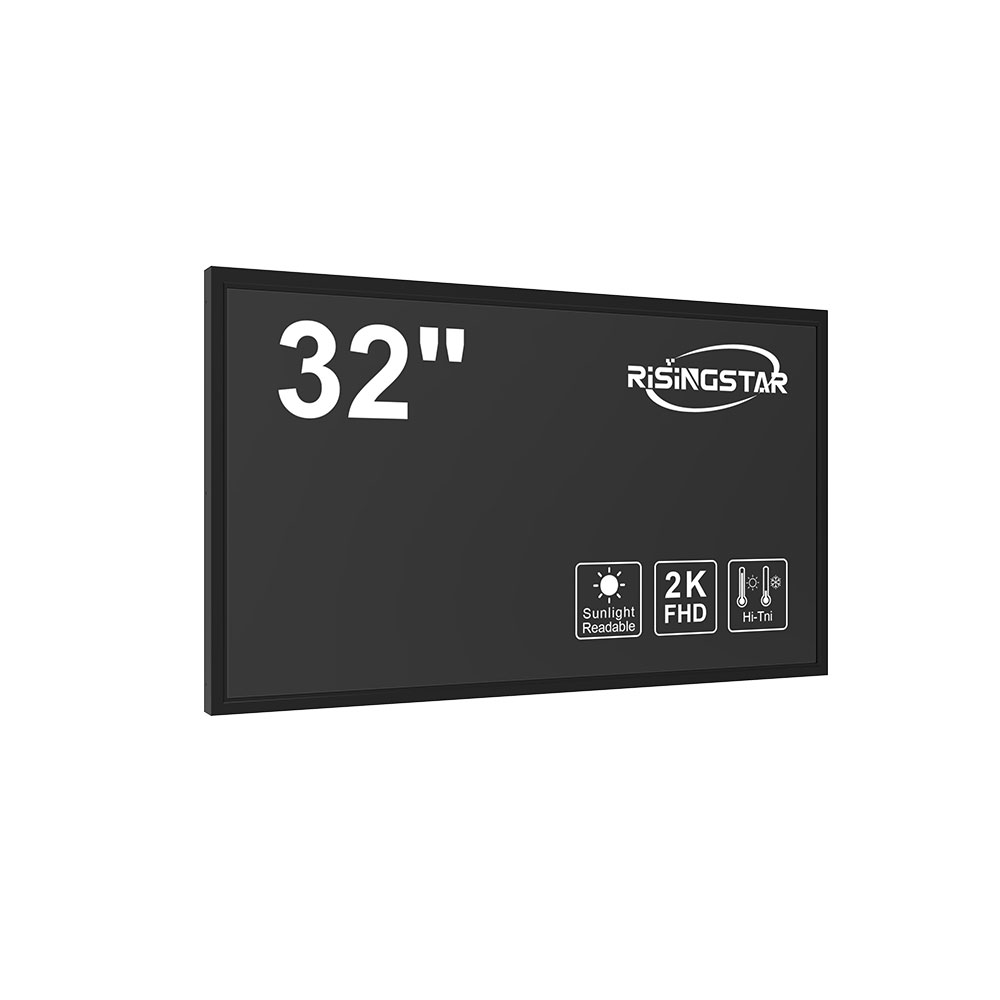
When considering "what is TFT," it's crucial to recognize that this isn't just about screen resolution—it’s about precision, durability, and adaptability. Whether you're designing a rugged handheld scanner for warehouse logistics or building a dashboard for autonomous vehicles, understanding the role of TFT transistors ensures optimal display performance across diverse operating conditions. With ongoing research into flexible TFT substrates and transparent displays, the future of TFT technology promises even greater integration into smart cities, wearable tech, and next-generation human-machine interfaces.