 RisingStar
- Home
- About Us
- Products
- News
- Video
- Contact
- Send Inquiry
Search
- Home
- About Us
- Products
- News
- Video
- Contact
- Send Inquiry
RisingStar
In today’s industrial and outdoor technology landscape, the demand for robust, high-brightness sunlight-readable LCD displays that meet stringent environmental protection standards—especially IP66 waterproof ratings—is rapidly growing. IP66 is an Ingress Protection (IP) code defined by the International Electrotechnical Commission (IEC 60529), where the first digit "6" indicates complete protection against dust ingress, and the second digit "6" signifies protection against powerful water jets from any direction. This makes IP66-rated displays ideal for applications in extreme conditions such as marine environments, military equipment, outdoor kiosks, construction machinery, and automated manufacturing systems.
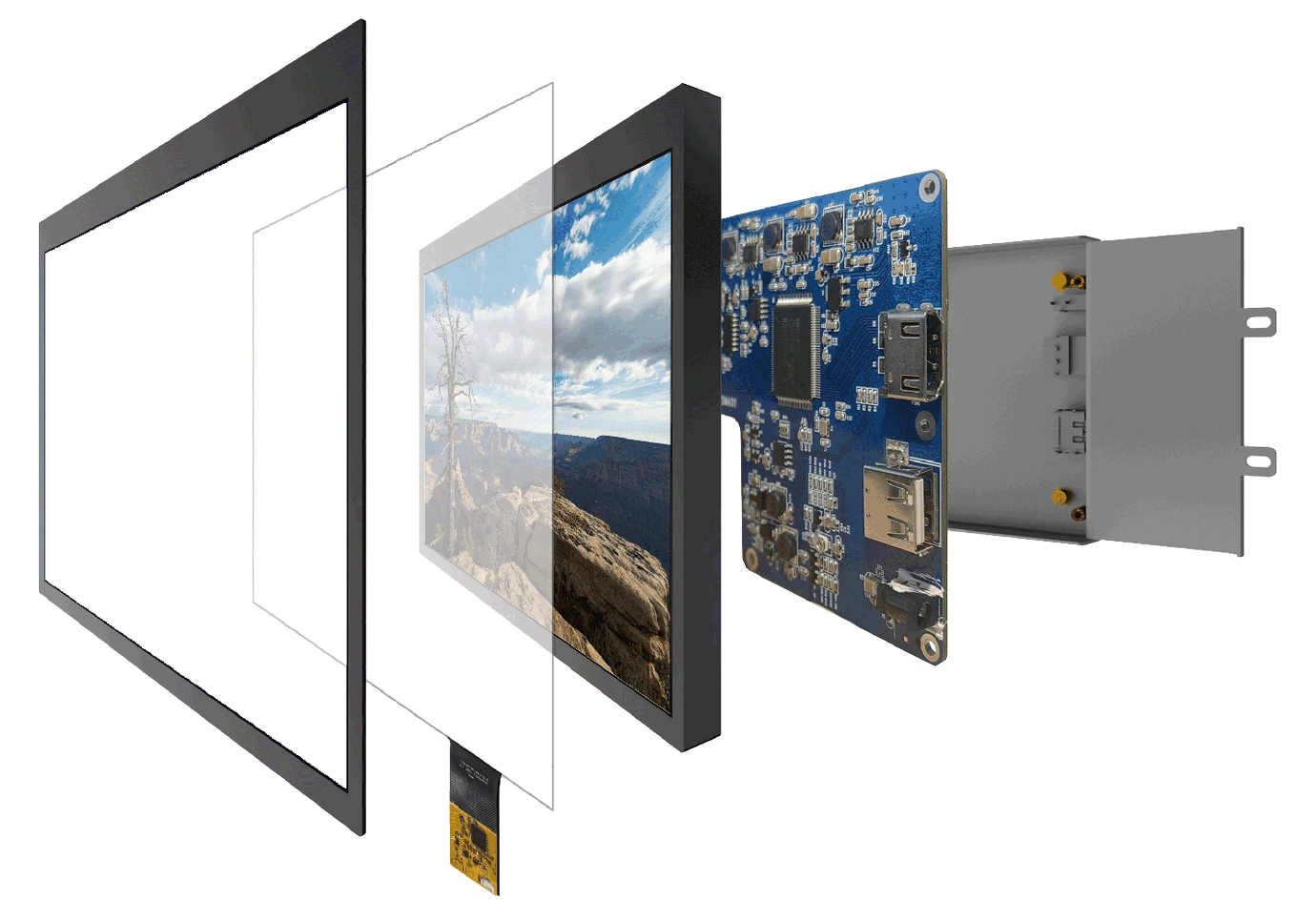
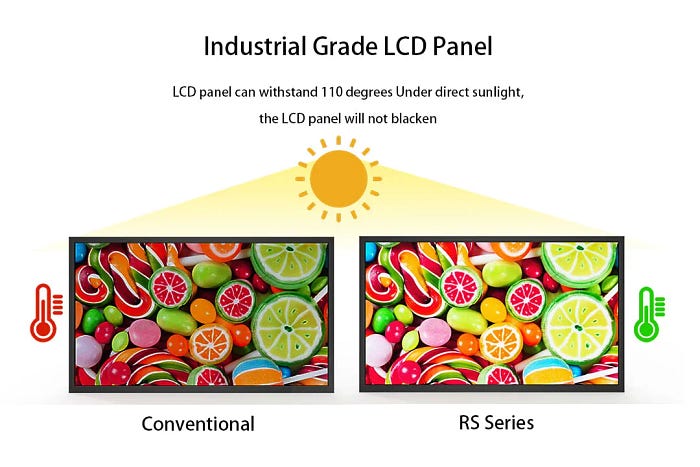
High-brightness sunlight-readable LCDs designed to IP66 standards are engineered with multiple layers of protection beyond just the display panel itself. These include sealed enclosures made from aluminum or stainless steel, UV-resistant polycarbonate front covers, and specialized backlighting technologies such as LED arrays with diffusion films that maintain visibility under direct sunlight exceeding 10,000 lux. According to a 2023 report by MarketsandMarkets, the global market for ruggedized displays—including those with IP66 ratings—is projected to grow at a CAGR of 7.2% through 2028, driven by increased automation in logistics, agriculture, and defense sectors.
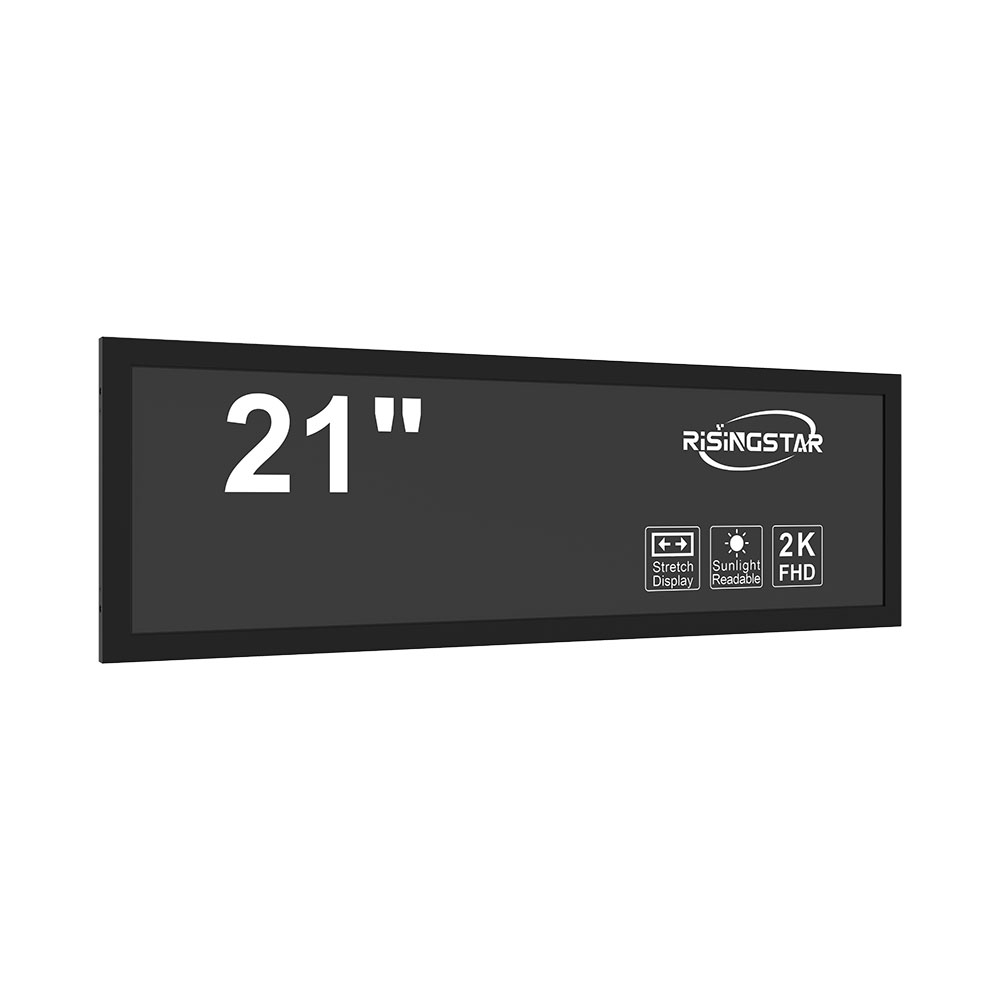
One notable example is the use of IP66-rated LCD modules in offshore drilling platforms. These environments expose electronics to saltwater spray, high humidity, and mechanical vibration, making standard displays unreliable. By integrating IP66-rated panels with anti-reflective coatings and touchscreens compatible with gloves, operators can maintain control interfaces even during harsh weather events. Case studies from companies like Crystalfontz and Eizo confirm that these displays achieve over 99% uptime in field deployments compared to non-IP66 counterparts, which often fail within six months due to moisture ingress or dust accumulation.
The design of IP66-compliant LCDs also involves rigorous testing per IEC 60529 standards. For instance, water jet tests simulate a continuous flow of water at 100 liters per minute from a 6.3mm nozzle at 3 meters distance, ensuring no water penetrates the enclosure. Dust tests involve exposing the unit to circulating dust for 8 hours without internal contamination. Such certifications not only ensure compliance but also enhance product longevity and reduce maintenance costs—a critical factor for industries like mining and public transportation.
Moreover, advancements in materials science have led to thinner yet stronger protective layers. Modern IP66 displays now incorporate chemically strengthened glass (like Gorilla Glass) and conformal coatings on printed circuit boards to resist corrosion. These innovations allow manufacturers to produce compact, lightweight units without compromising durability—an essential consideration for mobile applications such as drones and autonomous vehicles.
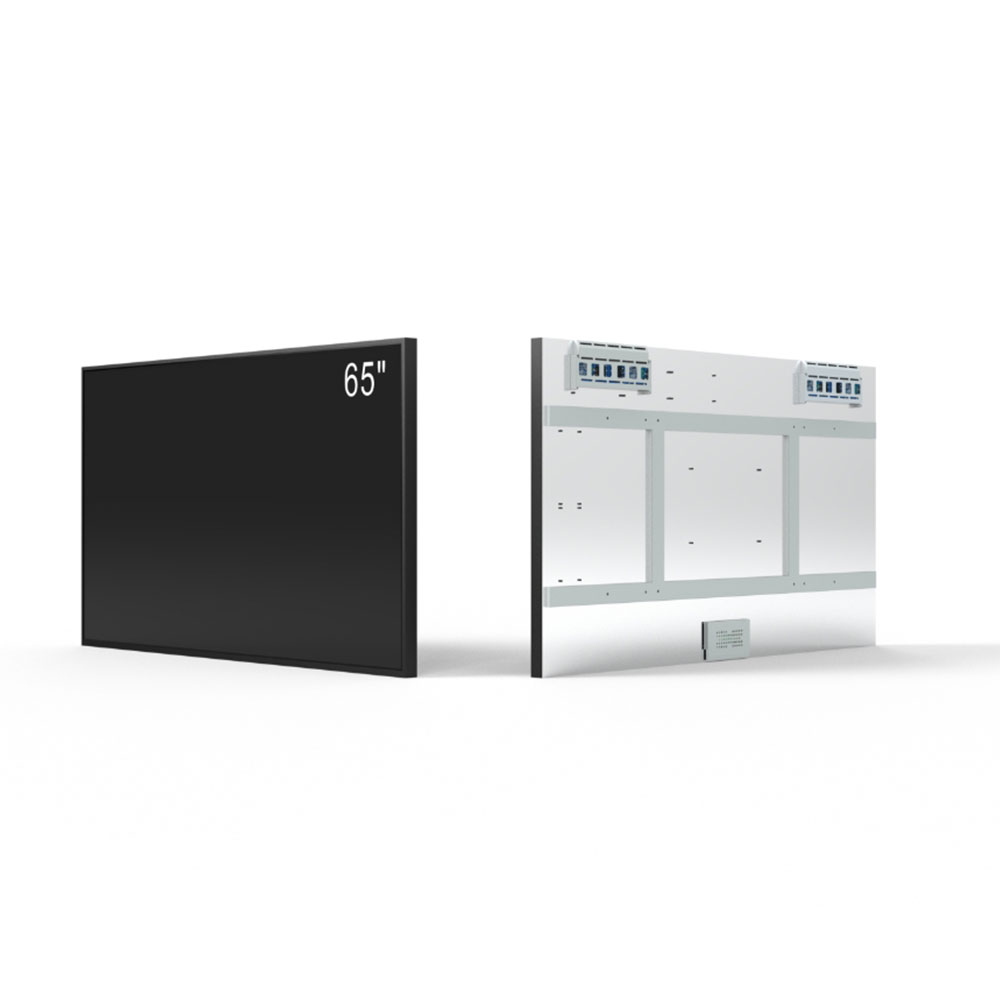
From a supply chain perspective, sourcing IP66-certified components requires strict quality control. Reputable suppliers like Samsung Display, LG Display, and Innolux provide certified modules that undergo full lifecycle validation, including thermal cycling (-40°C to +85°C), shock resistance (up to 50g), and long-term stability testing. Integrators must also consider software-level resilience—such as automatic brightness adjustment based on ambient light sensors—to maximize energy efficiency while maintaining readability.
Ultimately, the combination of IP66 waterproofing, high brightness (>5000 nits), and sunlight readability transforms LCDs from simple output devices into mission-critical components in modern engineering. Whether deployed in smart city infrastructure or battlefield command centers, these displays represent a convergence of reliability, performance, and user-centric design—making them indispensable in the age of Industry 4.0 and IoT-driven environments.