RisingStar
- Home
- About Us
- Products
- News
- Video
- Contact
- Send Inquiry
Search
- Home
- About Us
- Products
- News
- Video
- Contact
- Send Inquiry
RisingStar
In today’s increasingly connected and outdoor-focused industries—from military field operations to transportation, agriculture, and smart city infrastructure—high-brightness sunlight-readable LCD displays are no longer a luxury but a necessity. Among the most demanding specifications in this domain is 2000 nits of luminance, which represents a benchmark for visibility under intense direct sunlight conditions. A 2000-nits display ensures that critical information remains legible even at noon on a clear day when ambient light can exceed 100,000 lux—a level far beyond what standard consumer-grade screens (typically rated at 300–500 nits) can handle.
The science behind achieving 2000 nits involves more than just boosting backlight intensity. It requires a holistic design approach that includes high-efficiency LED arrays, optimized optical bonding techniques, anti-reflective coatings, and advanced liquid crystal cell designs. For example, manufacturers like Novatronix and LG Display have developed proprietary technologies such as “High Brightness LED Backlights with PWM Dimming Control” and “Dual-Layer Anti-Glare Films,” which reduce glare by over 90% while maintaining image contrast ratios above 1000:1 even in full sunlight. These innovations ensure not only brightness but also color accuracy and long-term reliability in harsh environments.
Case studies from the U.S. Department of Defense highlight real-world deployments of 2000-nit displays in tactical vehicles and unmanned aerial systems (UAS). In one field test conducted in Arizona desert conditions, a 2000-nit LCD mounted on a ground vehicle remained fully readable during midday sun exposure for over 8 hours without any thermal degradation or performance drop. Similarly, in maritime applications, companies like PanaVue and VESA-certified suppliers have integrated 2000-nit panels into navigation and radar systems aboard naval vessels, where they must withstand saltwater corrosion, vibration, and rapid temperature shifts.
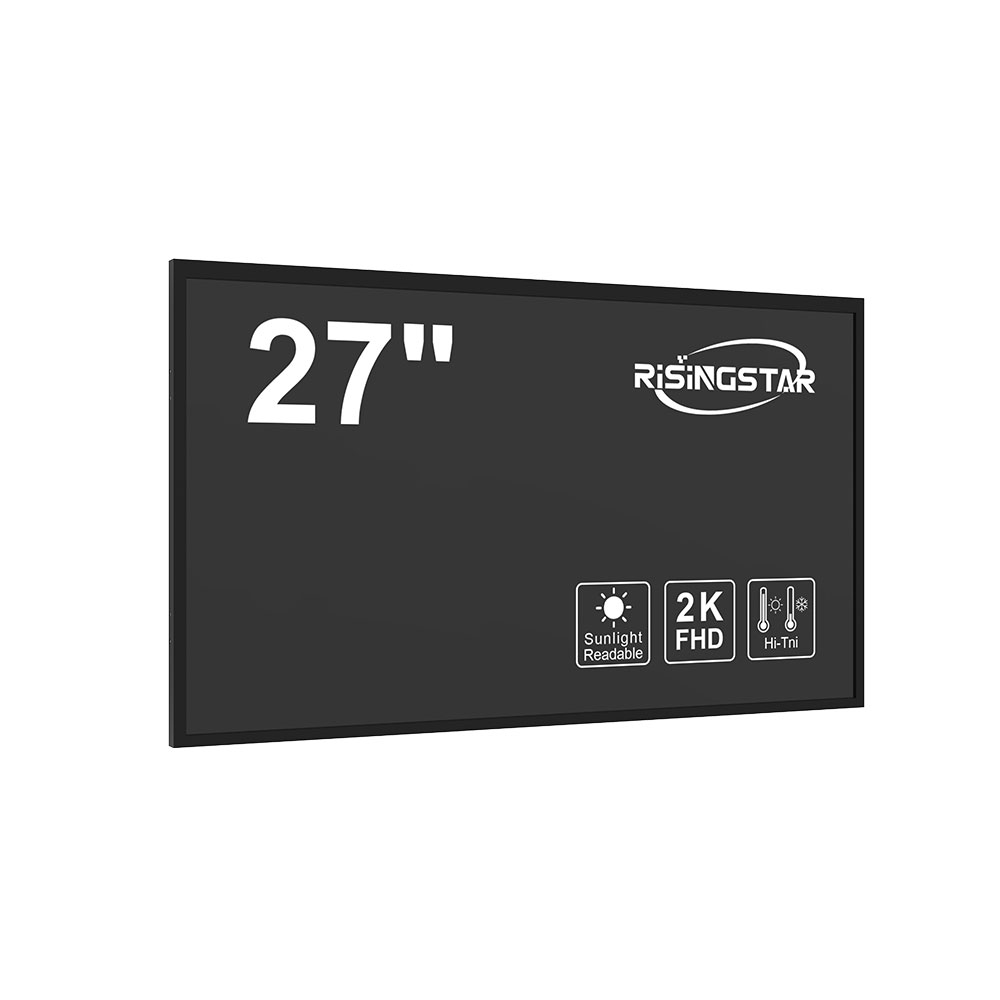
Beyond military use, industrial sectors such as construction, mining, and agricultural automation are adopting these displays. A recent deployment by John Deere on its autonomous tractors included a 2000-nit touchscreen display for real-time crop mapping and GPS guidance. This application required robust environmental sealing (IP67 rating), wide operating temperatures (-30°C to +70°C), and fast response times (<25ms) to prevent motion blur during high-speed field work.
From an engineering standpoint, the challenge lies in balancing power consumption with brightness. A typical 2000-nit display consumes 40–60% more power than a 500-nit panel. To address this, modern solutions utilize adaptive brightness control algorithms powered by AI-based sensors that dynamically adjust luminance based on ambient light levels and user interaction patterns. Such intelligent power management reduces overall energy usage by up to 35%, making 2000-nit displays viable for battery-powered devices like drones and handheld field tools.
Industry standards such as MIL-STD-810G (for ruggedness) and IEC 60068-2 (for environmental testing) further define the requirements for true sunlight readability. Compliance with these standards ensures that a 2000-nit display is not just bright—it’s durable, reliable, and suitable for mission-critical applications. The growing demand for such displays has led to significant investments in R&D by major players including Samsung Display, BOE Technology, and AU Optronics, who now offer modular, scalable solutions tailored for OEMs across multiple verticals.
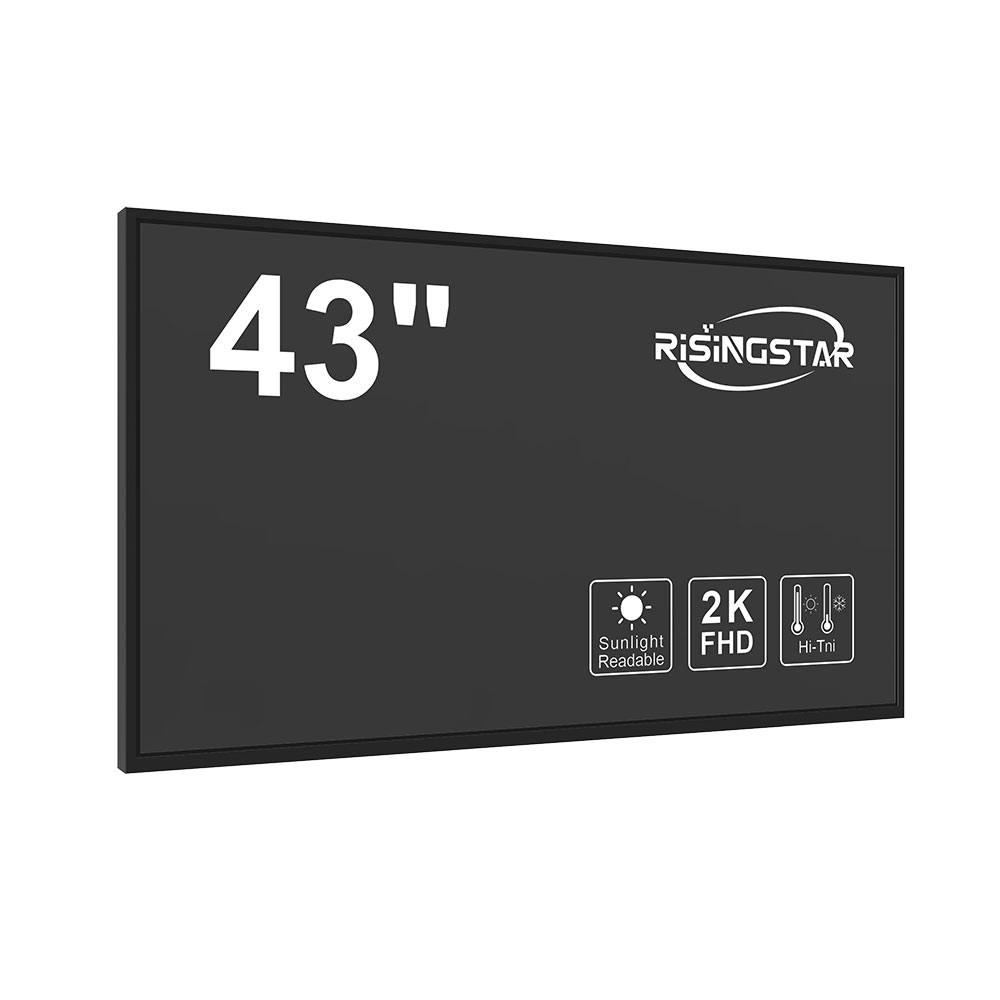
As global trends toward autonomous systems, edge computing, and IoT expand, the role of 2000-nit displays will become even more pivotal. Whether it’s monitoring solar farms in Nevada, guiding surgeons in mobile medical units, or controlling robotic arms in extreme weather, the ability to see clear, accurate visuals in broad daylight is no longer optional—it’s foundational.