 RisingStar
- Home
- About Us
- Products
- News
- Video
- Contact
- Send Inquiry
Search
- Home
- About Us
- Products
- News
- Video
- Contact
- Send Inquiry
RisingStar
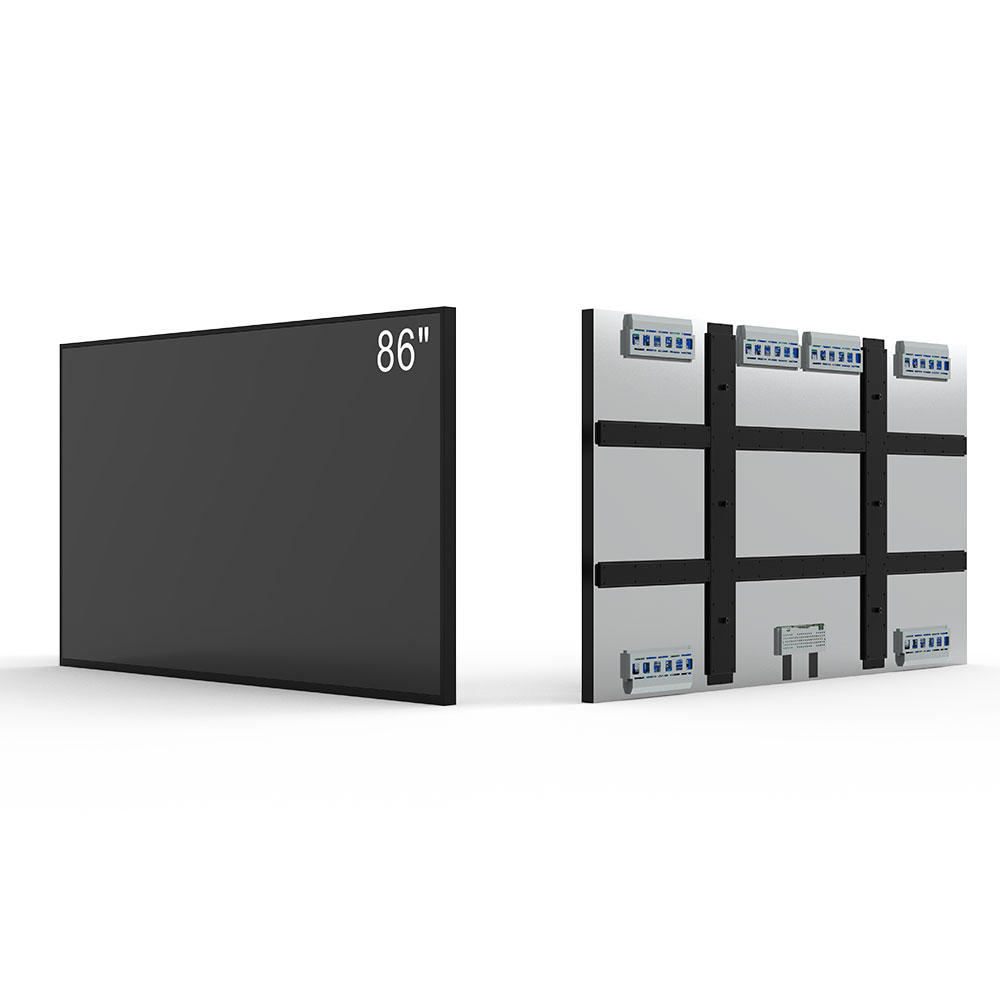
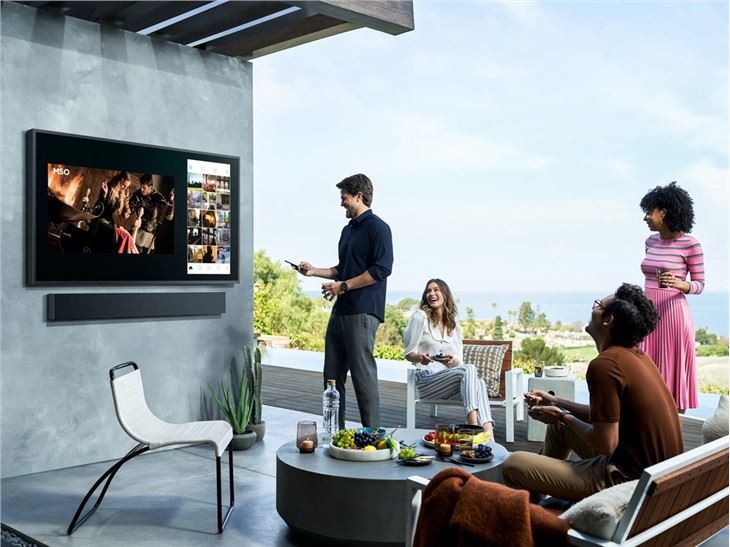
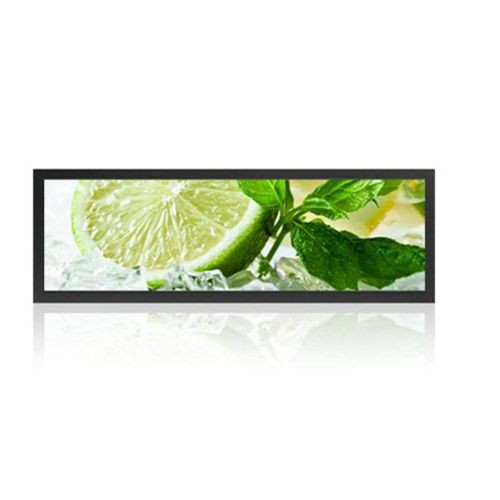
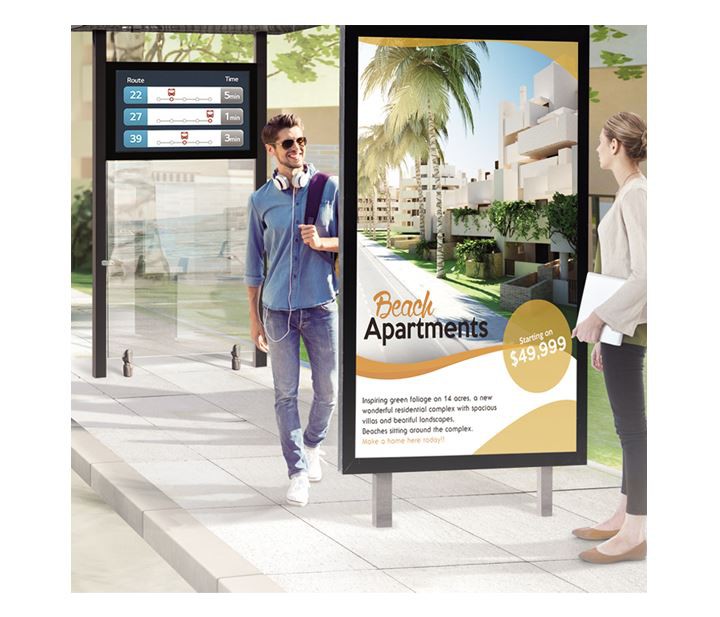
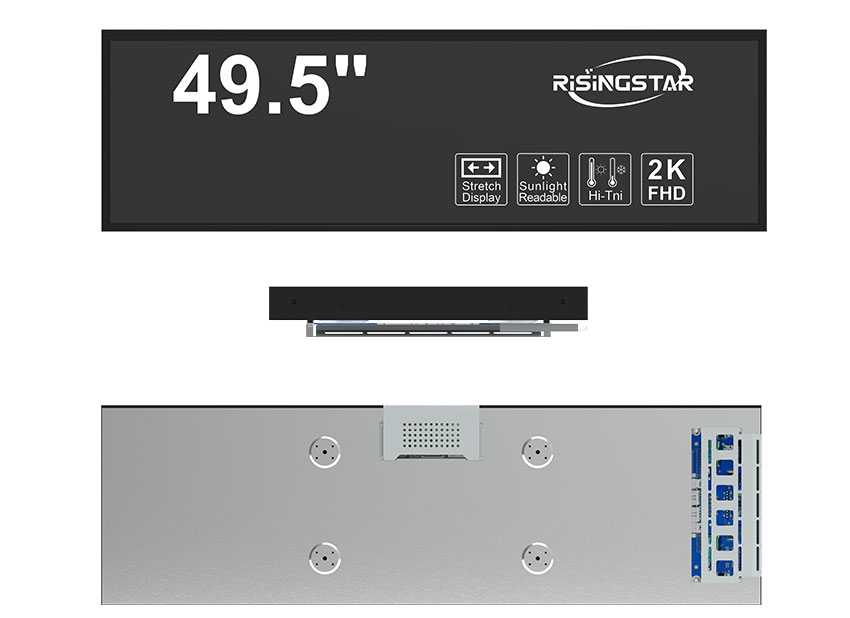
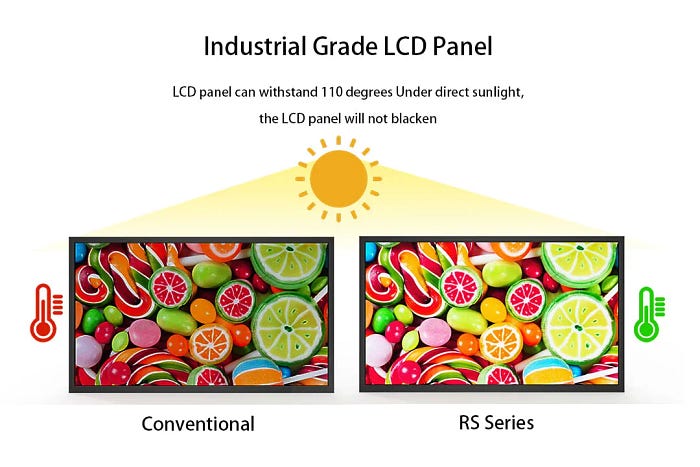
Strip screen series with display sizes ranging from 14.1 inches to 86 inches are engineered for demanding environments where visibility under direct sunlight is critical. These high-brightness sunlight-readable LCD screens are widely used in industrial automation, transportation, military systems, medical equipment, and outdoor kiosks. The key technical differentiator lies in achieving luminance levels of at least 5000 nits—significantly higher than standard indoor displays (typically 300–500 nits)—to ensure clarity even in intense solar irradiance. For example, a 24-inch strip screen used in an automated manufacturing plant must maintain readability during peak daylight hours when ambient light exceeds 100,000 lux. This performance is enabled through advanced technologies such as high-efficiency LED backlighting, anti-glare coatings, and reflective polarizers that reduce ambient light reflection by up to 90%.
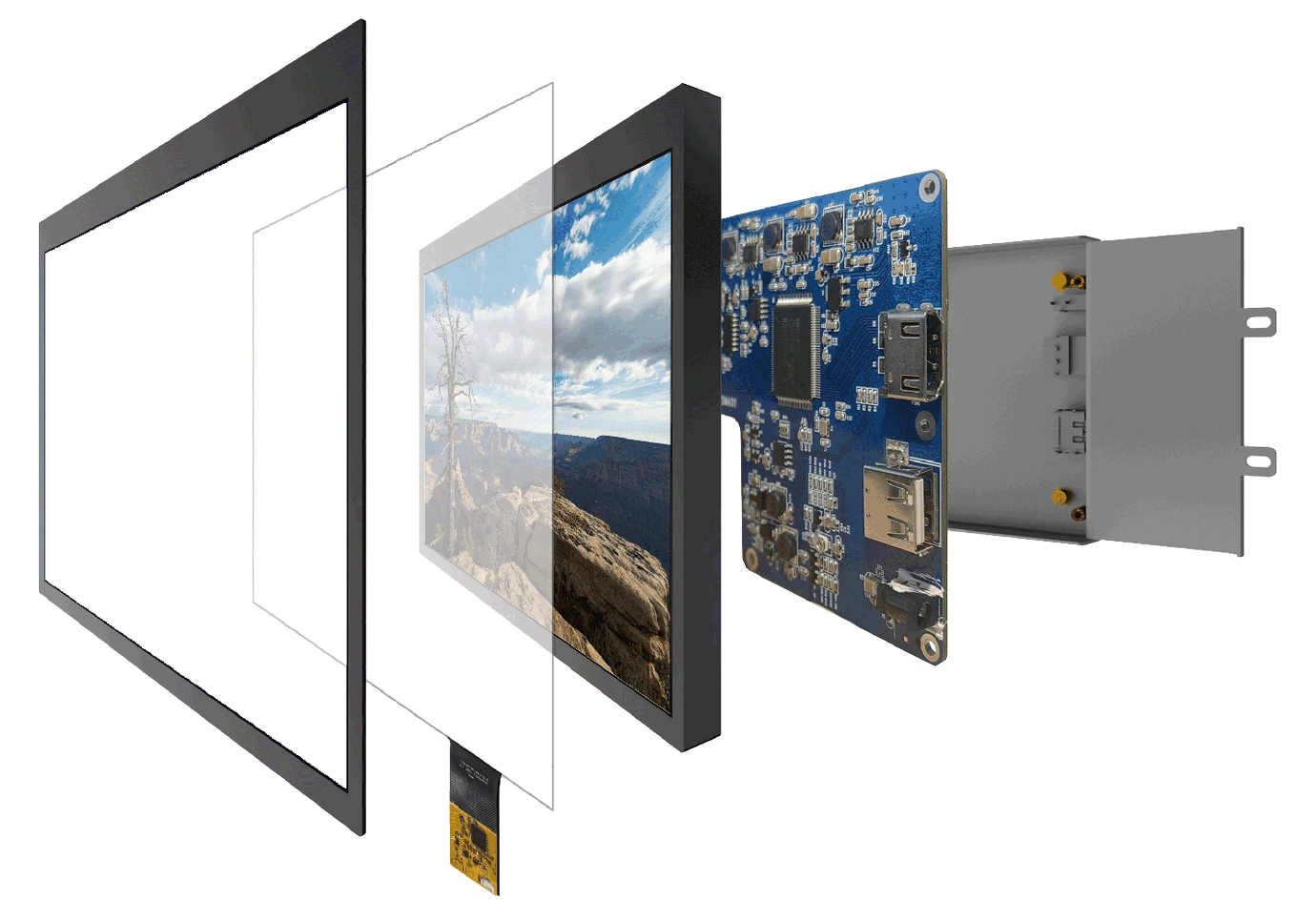
Manufacturers like LG Display, Sharp, and BOE have developed proprietary architectures for these screens, including transmissive liquid crystal cells optimized for wide viewing angles (up to 178°) and fast response times (less than 10ms). In the case of a 58.4-inch strip screen deployed in a military vehicle command center, it must not only withstand extreme temperatures (-30°C to +70°C) but also resist shock and vibration per MIL-STD-810G standards. To meet this, the screen integrates ruggedized glass (often Gorilla Glass or equivalent), IP65-rated enclosures, and thermal management systems using passive heat sinks or active cooling fans.
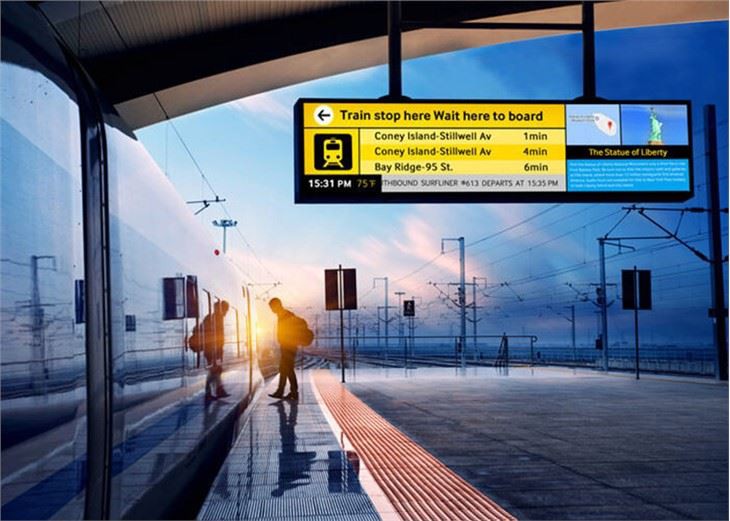
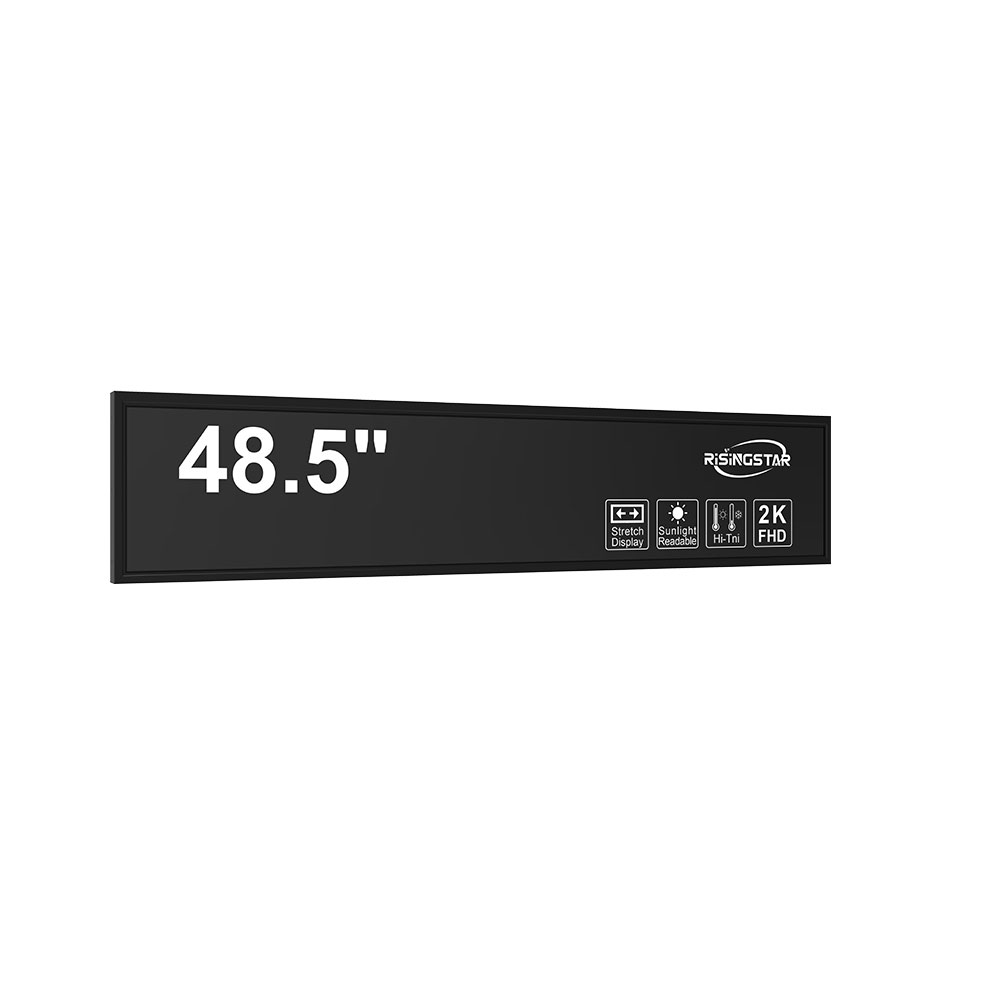
The increasing adoption of these screens in smart city infrastructure—such as traffic control panels (e.g., 48.5-inch models) and public information displays—is driving demand for standardized interfaces like LVDS, HDMI, and USB-C for easy integration into existing systems. According to a 2023 report by MarketsandMarkets, the global market for sunlight-readable displays is projected to grow at a CAGR of 8.7% through 2030, fueled by growth in autonomous vehicles and IoT-enabled outdoor monitoring. Additionally, compliance with RoHS, CE, and FCC regulations ensures environmental safety and electromagnetic compatibility across international markets.
In summary, selecting the right strip screen involves balancing brightness, durability, environmental resistance, and connectivity options based on application-specific requirements—from compact 14.1-inch units for handheld devices to massive 86-inch screens for digital signage in stadiums. With continuous innovation in panel technology, power efficiency, and intelligent brightness control algorithms, these displays are becoming more accessible and versatile for both industrial and consumer-grade outdoor use cases.