RisingStar
- Home
- About Us
- Products
- News
- Video
- Contact
- Send Inquiry
Search
- Home
- About Us
- Products
- News
- Video
- Contact
- Send Inquiry
RisingStar
High-brightness sunlight-readable LCD screens are critical components in modern outdoor display technology, especially in environments where visibility under direct sunlight is essential. These displays are engineered to maintain clarity and contrast even under extreme lighting conditions—typically exceeding 5,000 nits of brightness, compared to standard indoor LCDs that usually peak at 300–500 nits. This makes them indispensable in applications such as military command centers, public transportation systems (e.g., bus stop information panels), industrial control panels, agricultural monitoring systems, and automotive infotainment displays.
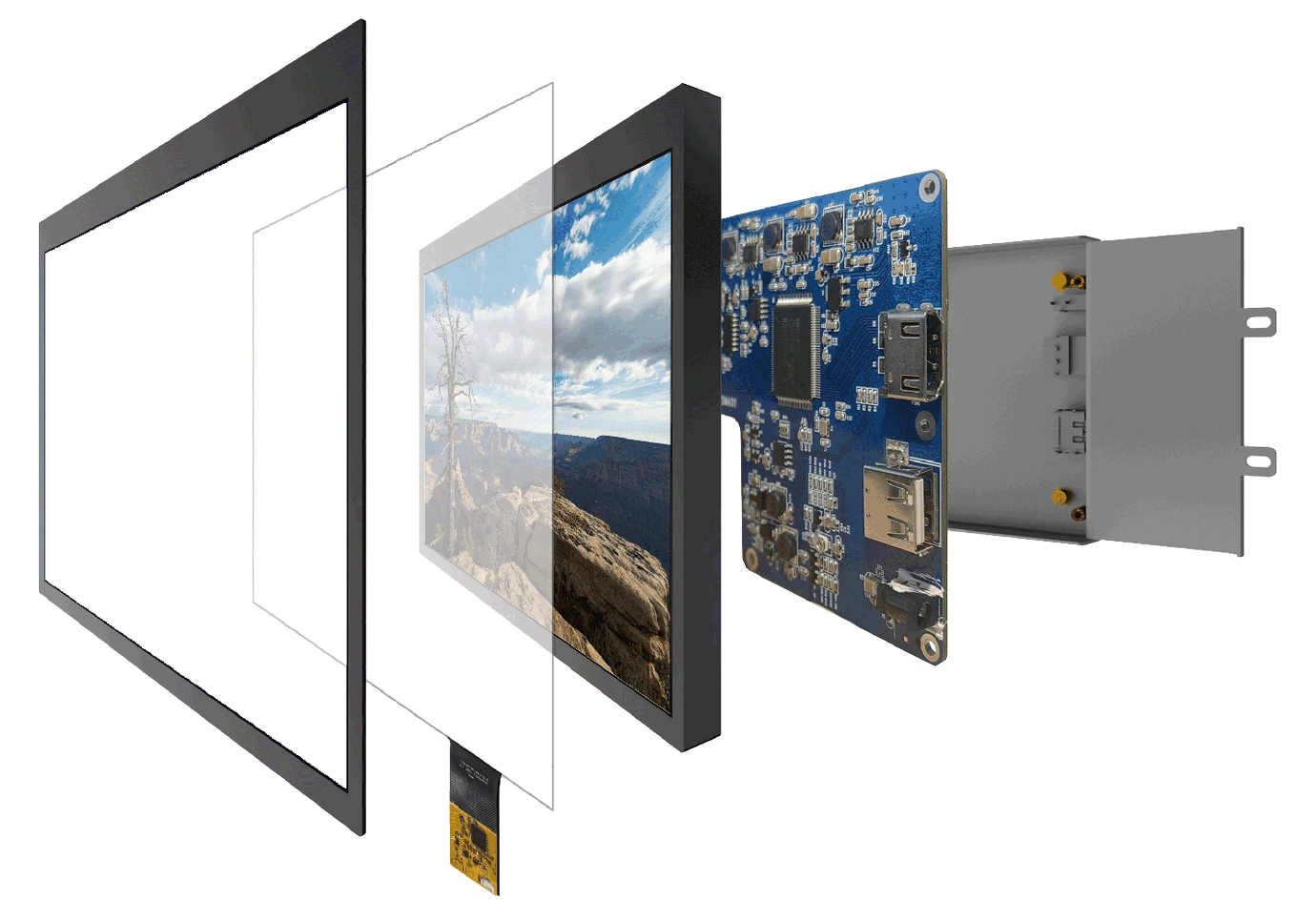
One of the primary advantages of high-brightness sunlight-readable LCDs lies in their optical design. Unlike conventional LCDs that rely on backlighting alone, these screens incorporate reflective or transflective technologies that use ambient light to enhance readability. For example, some models employ a dual-layer liquid crystal structure—where one layer reflects sunlight while the other transmits backlit illumination—allowing optimal performance both indoors and outdoors. According to a 2023 study published in the IEEE Transactions on Consumer Electronics, this hybrid approach can reduce power consumption by up to 40% while maintaining consistent image quality across varying light conditions.
Practical applications span across multiple industries. In defense, high-brightness displays are used in battlefield communication devices, ensuring that operators can read critical data even during daylight operations. In agriculture, solar-powered sensors with built-in sunlight-readable LCDs monitor soil moisture and crop health in real-time, improving yield prediction accuracy. Public infrastructure, such as digital signage in airports or train stations, benefits from robust, glare-free screens that remain legible in bright sunlight without requiring additional shading or enclosure modifications.
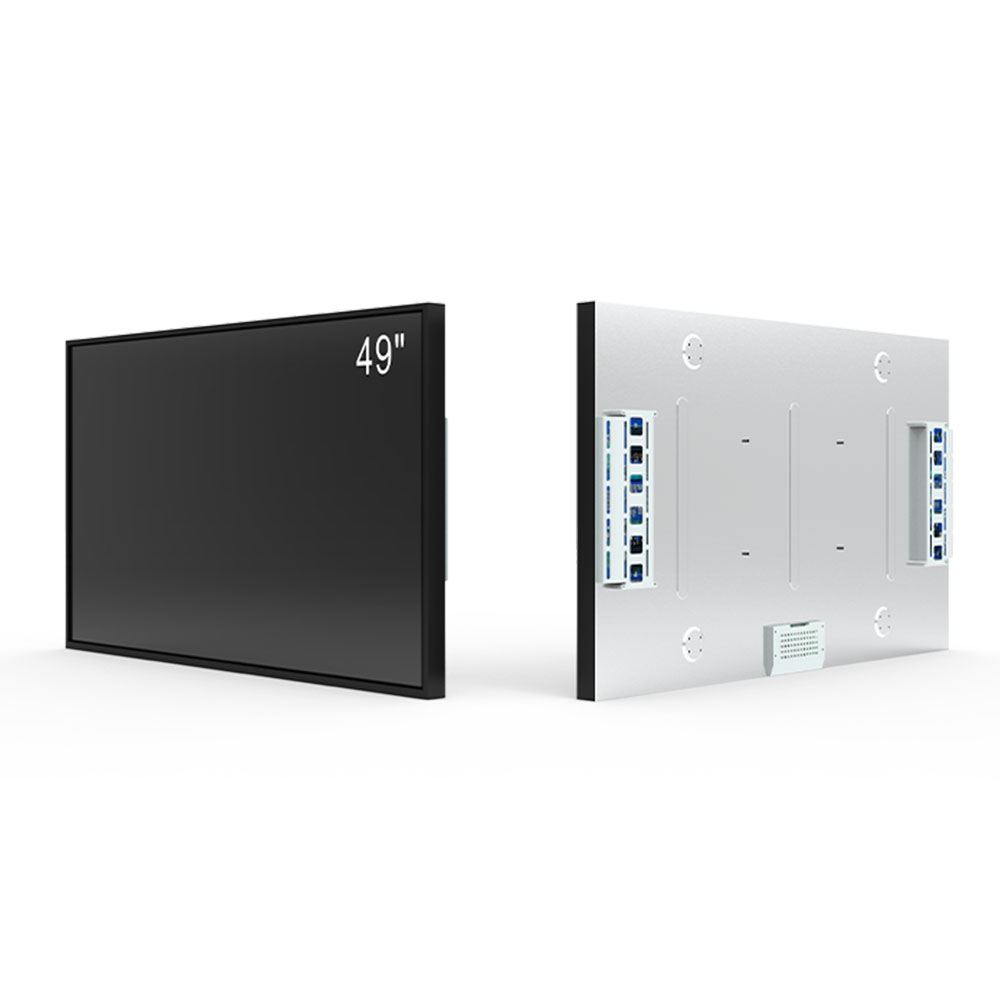
Despite their benefits, common problems persist. One major issue is thermal management—high brightness levels generate more heat, which can lead to reduced lifespan or screen degradation if not properly addressed. Engineers often integrate passive cooling solutions like heat-dissipating aluminum frames or active cooling via mini fans. Another challenge is cost; high-brightness displays typically use specialized materials such as high-efficiency LEDs, anti-reflection coatings, and ruggedized glass, increasing manufacturing expenses. However, recent trends show significant cost reductions due to mass production scaling and advancements in LED efficiency, particularly in GaN-based blue LEDs, which offer higher luminance per watt than older technologies.
The latest trend in the industry is the integration of AI-driven brightness adjustment algorithms. These adaptive systems dynamically adjust screen brightness based on ambient light sensors and user behavior patterns—improving energy efficiency and reducing eye strain. Additionally, flexible and transparent OLED variants are emerging as promising alternatives for next-generation sunlight-readable displays, though they currently face durability and cost barriers.
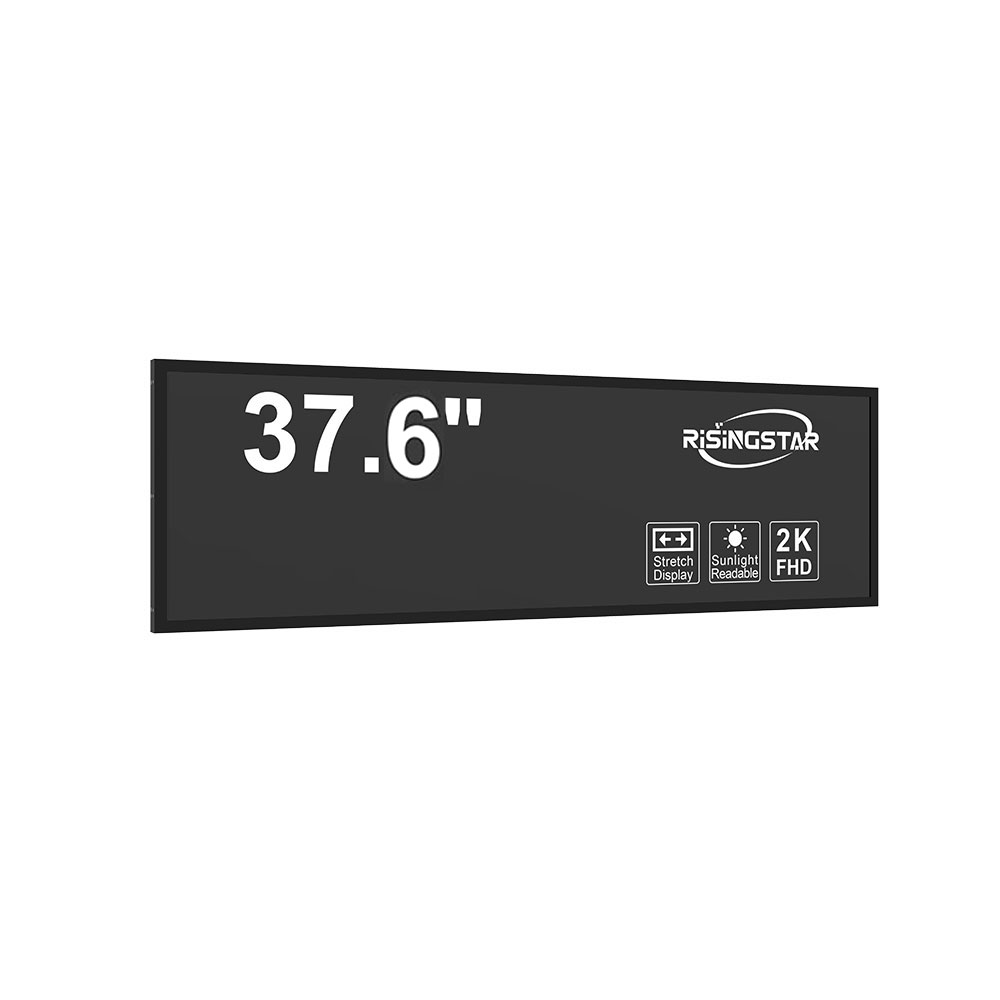
In conclusion, high-brightness sunlight-readable LCDs are not just an engineering solution—they are a necessity in today’s connected world. As global demand for outdoor digital interfaces rises, driven by smart city initiatives and Industry 4.0 adoption, the evolution of these screens will continue to shape how humans interact with technology in natural lighting environments.