RisingStar
- Home
- About Us
- Products
- News
- Video
- Contact
- Send Inquiry
Search
- Home
- About Us
- Products
- News
- Video
- Contact
- Send Inquiry
RisingStar
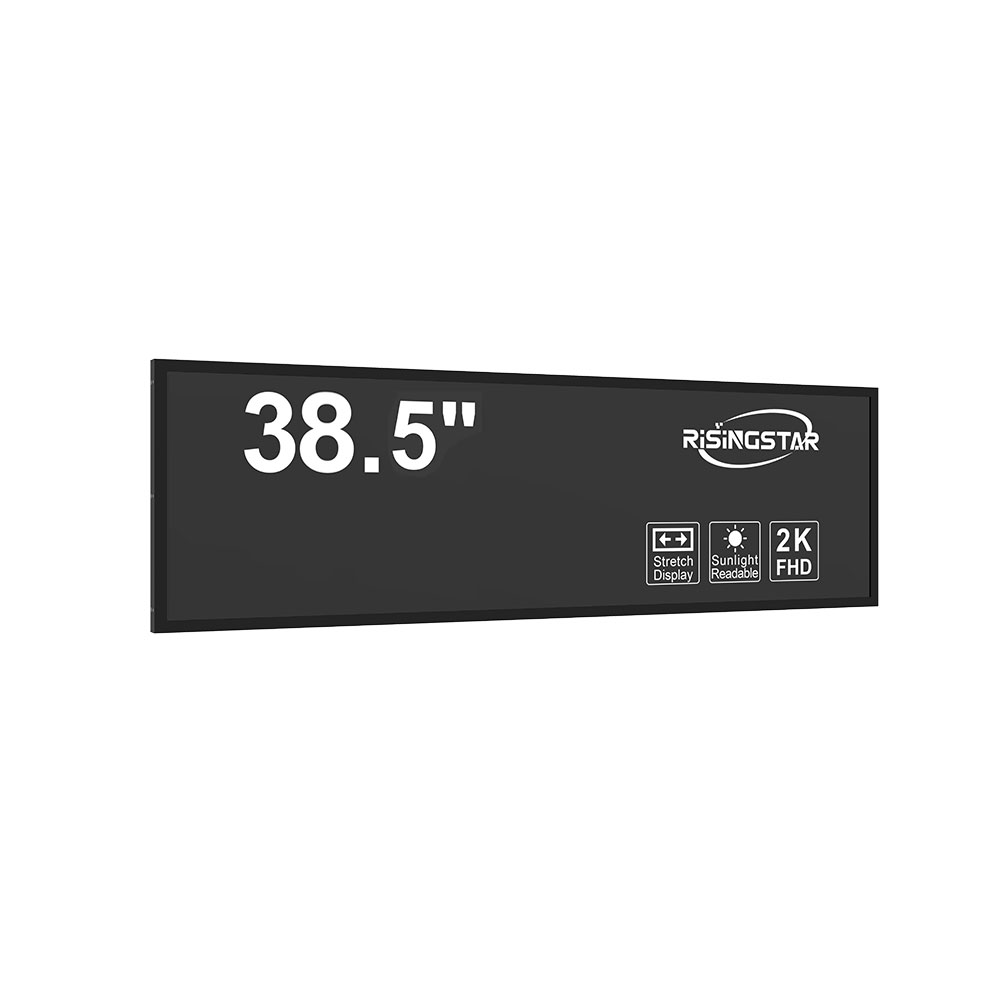
High-brightness sunlight-readable LCD strip screens have become essential components in demanding environments such as military operations, outdoor industrial control systems, public transportation, and solar-powered IoT devices. These displays are engineered to maintain visibility under direct sunlight—typically exceeding 5,000 nits of brightness—while maintaining low power consumption and high durability. The strip screen series includes sizes ranging from 14.1” to 86”, offering flexibility for diverse applications like command centers, ruggedized handheld terminals, vehicle dashboards, and large-format digital signage in extreme conditions.
For example, the 21.2” and 29.4” models are widely used in battlefield communication units due to their balance of portability and clarity. Meanwhile, the 48.3” and 58.6” variants are preferred in air traffic control and railway monitoring systems where multiple users must view the same screen simultaneously under bright ambient light. Recent advancements in LED backlighting technologies, such as mini-LED arrays with local dimming, have significantly improved contrast ratios while reducing heat generation—a critical factor in sealed enclosures or mobile platforms.
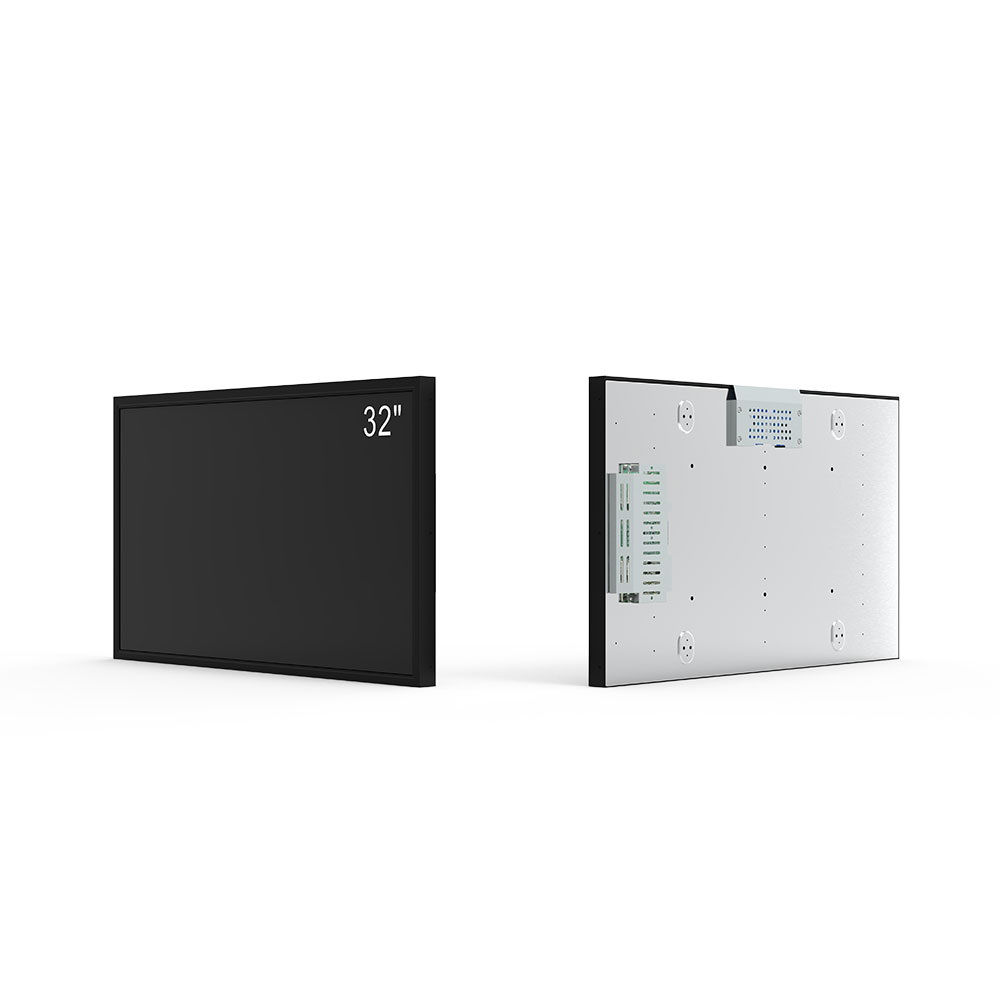
According to a 2023 report by MarketsandMarkets, the global sunlight-readable display market is projected to grow at a CAGR of 7.2% through 2028, driven by increasing demand from defense, automotive, and smart city infrastructure sectors. Leading manufacturers like Evesham Technology, Candes, and Lilliput have adopted MIL-STD-810G and IP65/IP67 certifications to ensure resilience against shock, vibration, dust, and moisture. These standards guarantee that strip screens can operate reliably in temperatures from -40°C to +70°C, making them ideal for polar research stations or desert surveillance units.
Moreover, modern strip screens often integrate touch functionality using infrared (IR) or capacitive sensors, which remain responsive even when operators wear gloves—an essential feature for field personnel. Power efficiency has also improved dramatically; many newer models consume under 10W per inch, enabling extended battery life in portable systems. When combined with wide viewing angles (>170°), these displays support collaborative decision-making across teams in real-time scenarios.
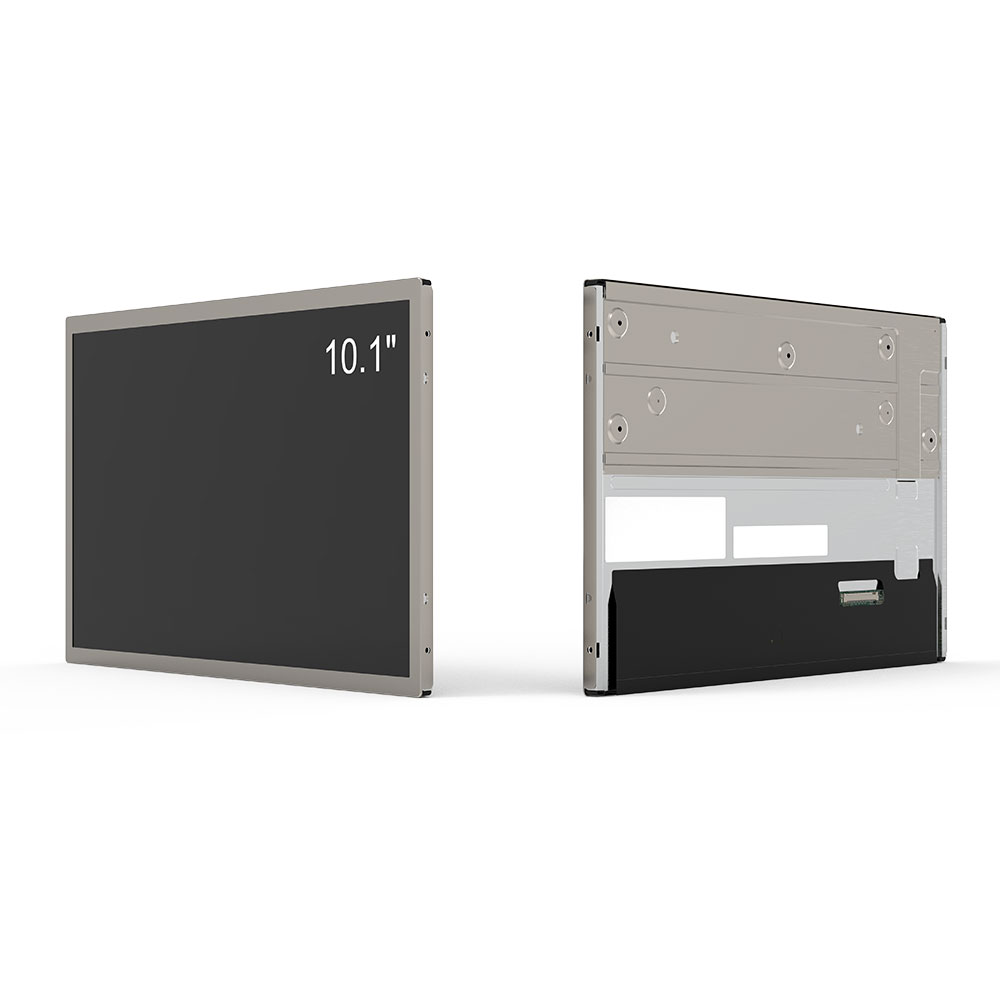
In summary, the evolution of strip screen technology—from small 14.1” embedded modules to massive 86” panoramic displays—has been driven by the need for human-machine interface reliability in harsh lighting and environmental conditions. Whether deployed in a U.S. Navy ship’s bridge or an autonomous mining vehicle in Australia’s outback, these high-brightness displays continue to redefine operational effectiveness through superior visibility, robust design, and seamless integration with modern electronics.