RisingStar
- Home
- About Us
- Products
- News
- Video
- Contact
- Send Inquiry
Search
- Home
- About Us
- Products
- News
- Video
- Contact
- Send Inquiry
RisingStar
High-brightness sunlight-readable LCD screens have become essential in modern outdoor technology due to their ability to maintain visibility under direct sunlight, making them indispensable in industries such as transportation, defense, industrial automation, and public information systems. Unlike standard LCDs that suffer from reduced contrast and visibility in bright environments, these specialized displays use advanced backlighting, anti-glare coatings, and high-luminance panels to ensure optimal readability even in full daylight.
The introduction of high-brightness LCDs began in the early 2000s, primarily driven by military and aerospace needs where display clarity in extreme conditions was critical. Today, commercial applications like kiosks, vehicle dashboards, digital signage, and solar-powered monitoring devices rely heavily on this technology. According to a 2023 report by MarketsandMarkets, the global market for sunlight-readable displays is projected to exceed $6 billion by 2028, growing at a CAGR of 7.4%, with automotive and industrial sectors leading demand.
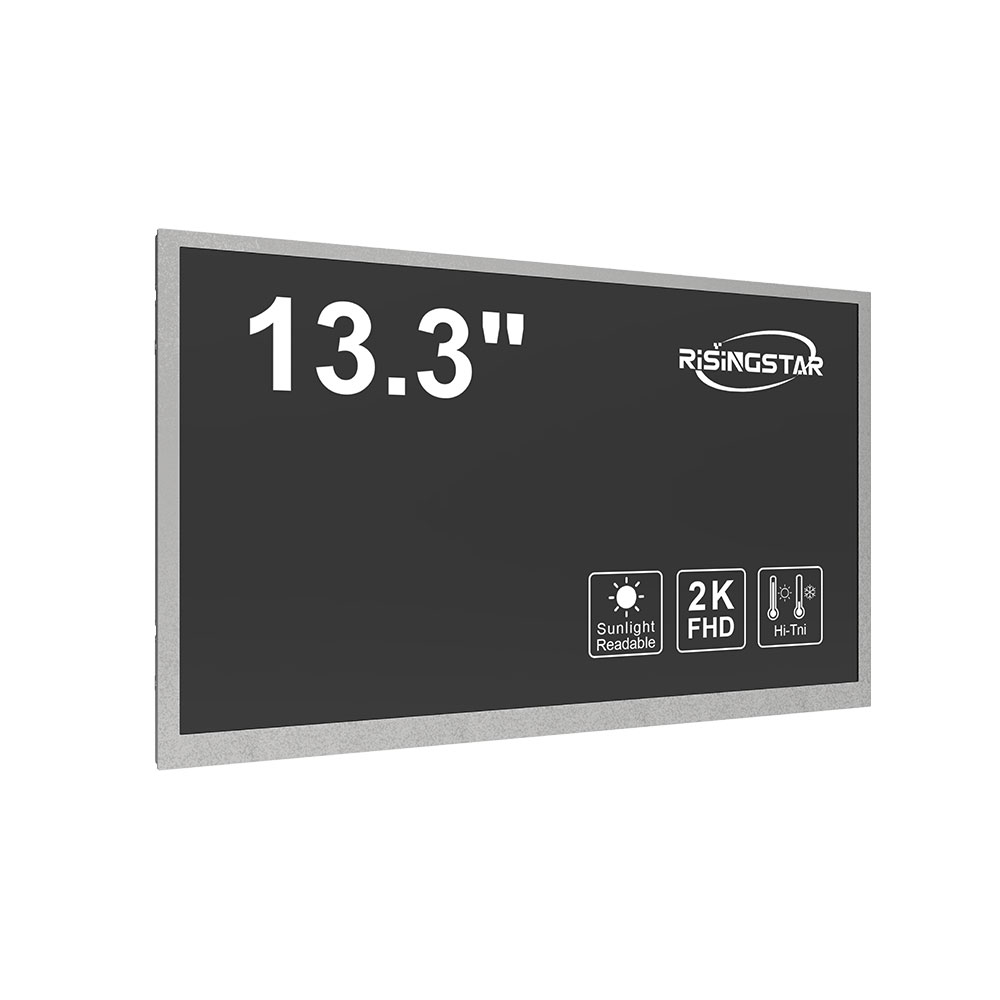
The main body of this technology revolves around three core components: brightness output (measured in nits), optical design, and environmental resilience. Brightness levels typically range from 5,000 to 10,000 nits—far exceeding consumer-grade displays that usually operate at 300–500 nits. To achieve this, manufacturers use LED-backlit panels with precision optics and diffusion layers that evenly distribute light without hotspots. Additionally, polarized filters and anti-reflection (AR) coatings reduce glare by up to 90%, ensuring clear text and images regardless of angle or ambient lighting.
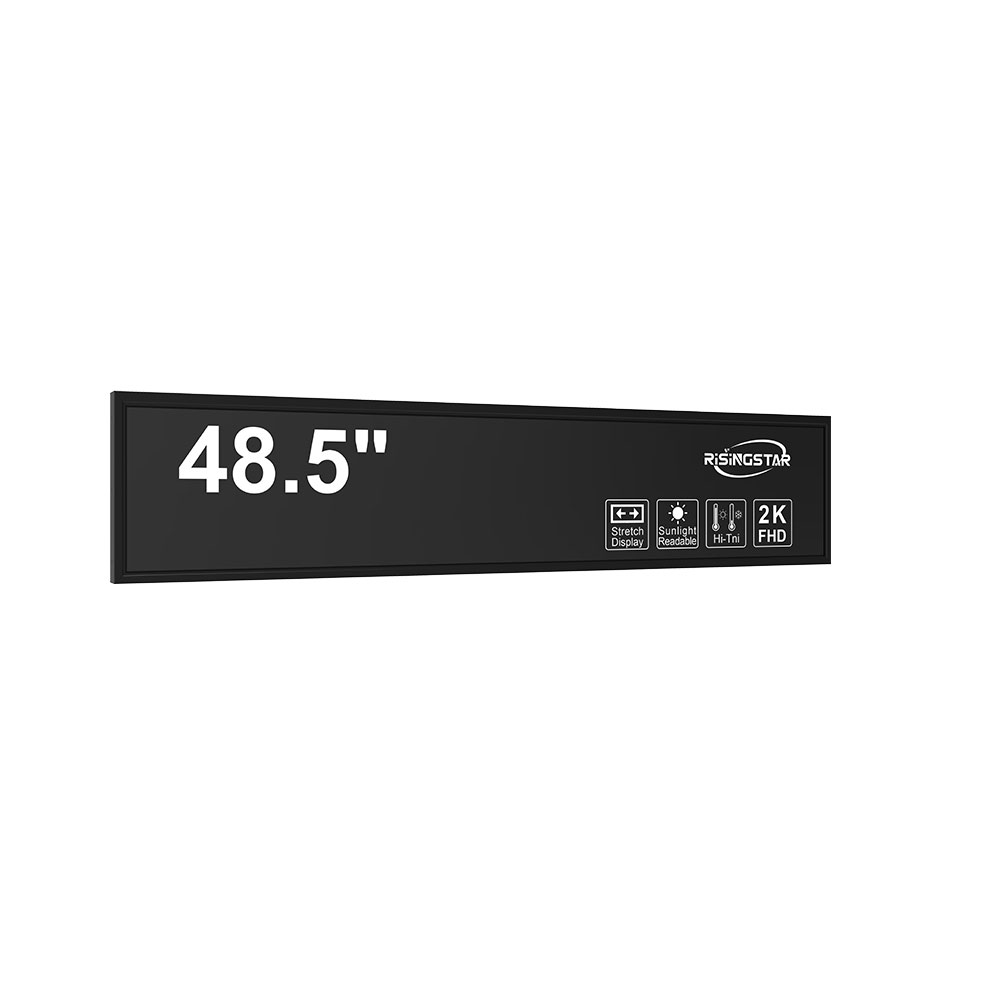
Another critical factor is the use of wide-viewing-angle technologies such as IPS (In-Plane Switching) or FFS (Fringe Field Switching), which provide consistent color and contrast across different viewing angles—a necessity for users standing at various positions around a display. In harsh environments, ruggedized versions incorporate IP65 or higher sealing ratings to resist dust, water, and vibration, often meeting MIL-STD-810G standards for durability.
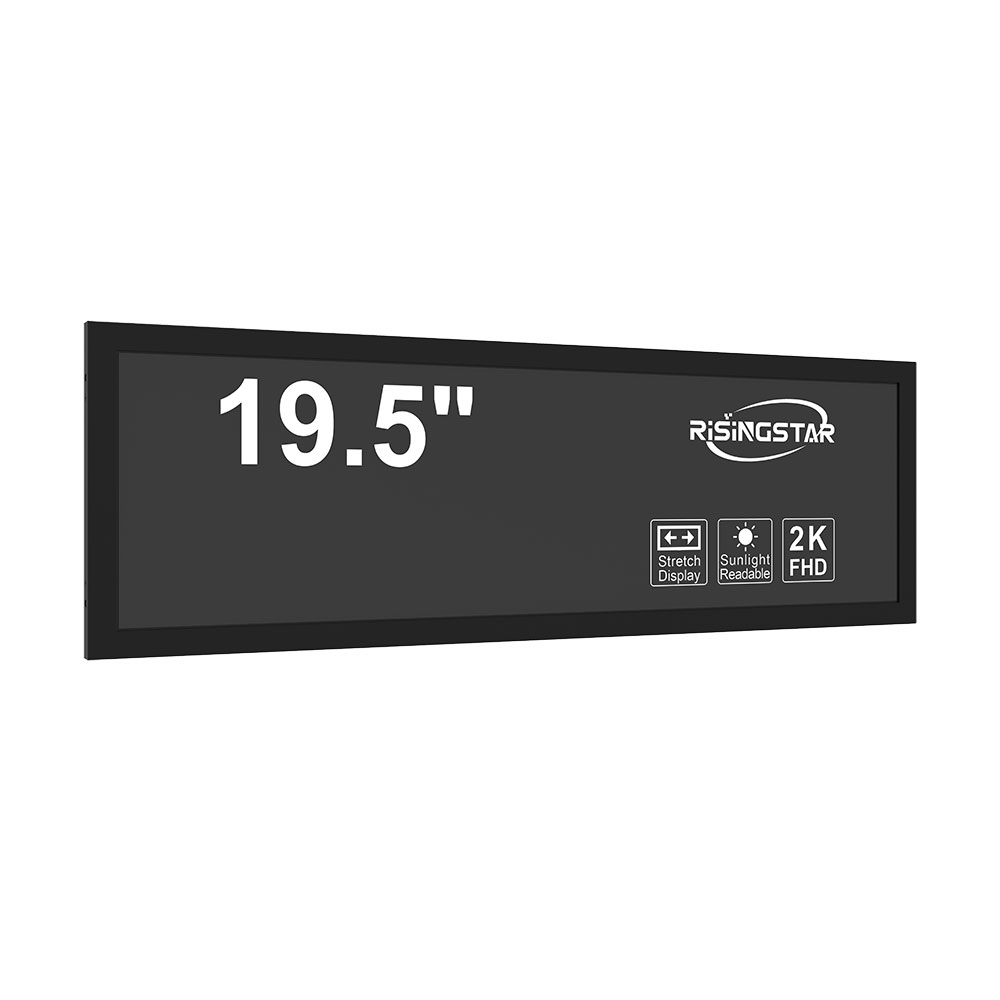
Case studies demonstrate real-world effectiveness. For example, a major European rail operator deployed sunlight-readable LCDs in train control panels, reporting a 65% reduction in operator errors during daytime operations compared to older displays. Similarly, a U.S. Department of Energy project using solar-powered IoT sensors equipped with 8,000-nit LCDs achieved uninterrupted data logging in desert conditions, where ambient light exceeds 100,000 lux—conditions that would render standard screens unusable.
Finally, advancements in low-power consumption technologies now allow high-brightness displays to run efficiently on battery or solar power, extending their utility in remote locations. Features like adaptive brightness control, which automatically adjusts based on ambient light, further enhance energy efficiency without compromising visibility.
In conclusion, high-brightness sunlight-readable LCD screens represent a mature yet rapidly evolving field that bridges technological innovation with practical necessity. As industries continue to prioritize user experience, operational safety, and energy efficiency, the adoption of these displays will only accelerate globally. Whether in smart cities, autonomous vehicles, or off-grid monitoring systems, they are no longer optional—they are foundational.