RisingStar
- Home
- About Us
- Products
- News
- Video
- Contact
- Send Inquiry
Search
- Home
- About Us
- Products
- News
- Video
- Contact
- Send Inquiry
RisingStar
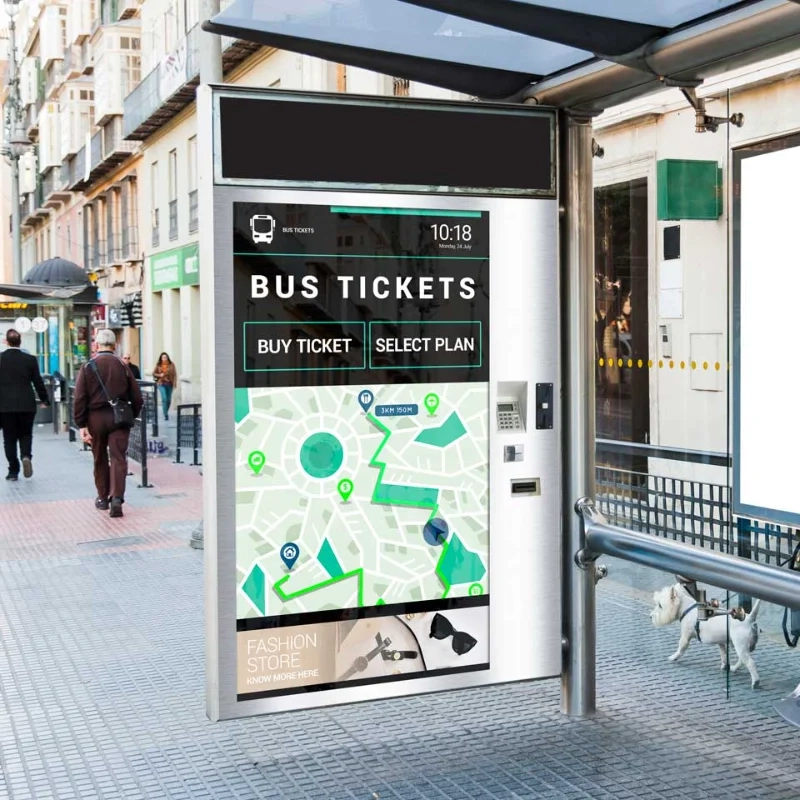
In the realm of industrial display technology, few challenges are as demanding as achieving optimal visibility under direct sunlight. For applications ranging from military equipment and outdoor kiosks to transportation systems and construction machinery, a high-brightness sunlight-readable LCD screen is not merely a convenience—it’s a necessity. RisingStar, a global leader in display solutions, has pioneered advanced LCD technologies that deliver clarity, durability, and performance even in extreme lighting conditions.
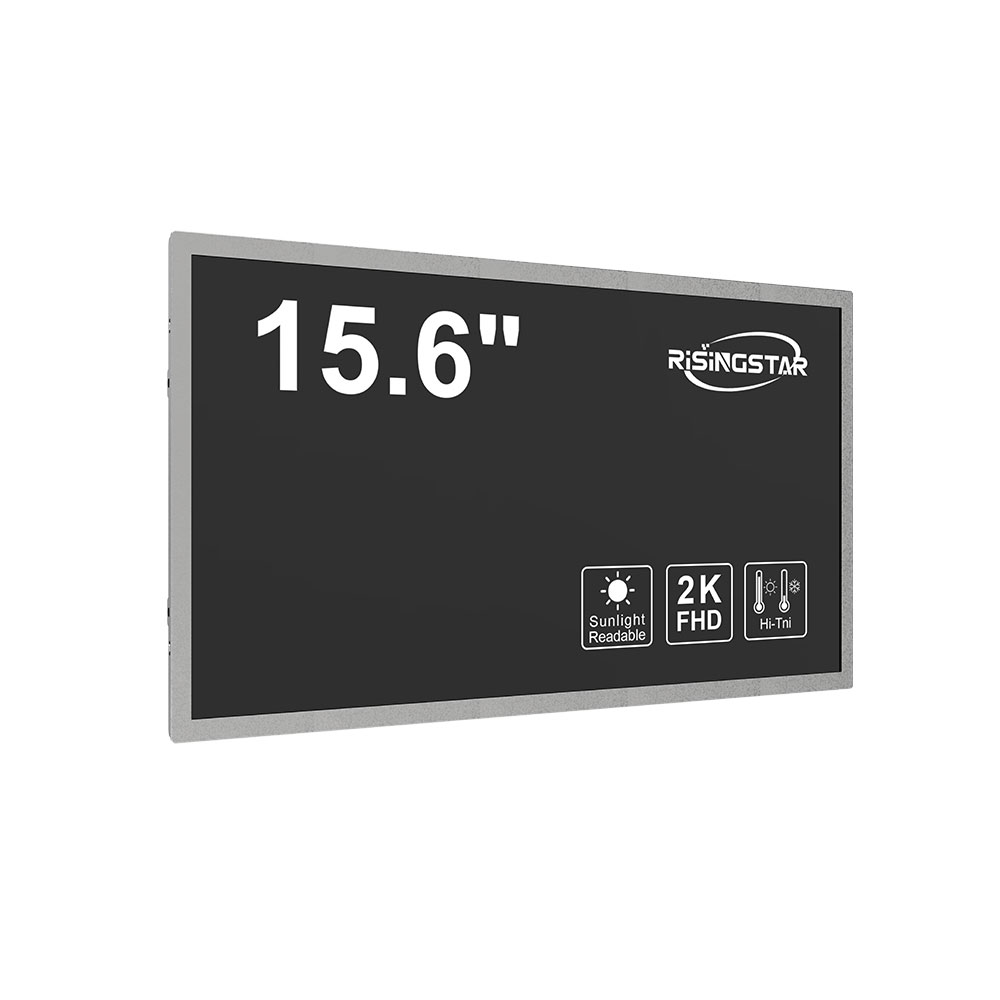
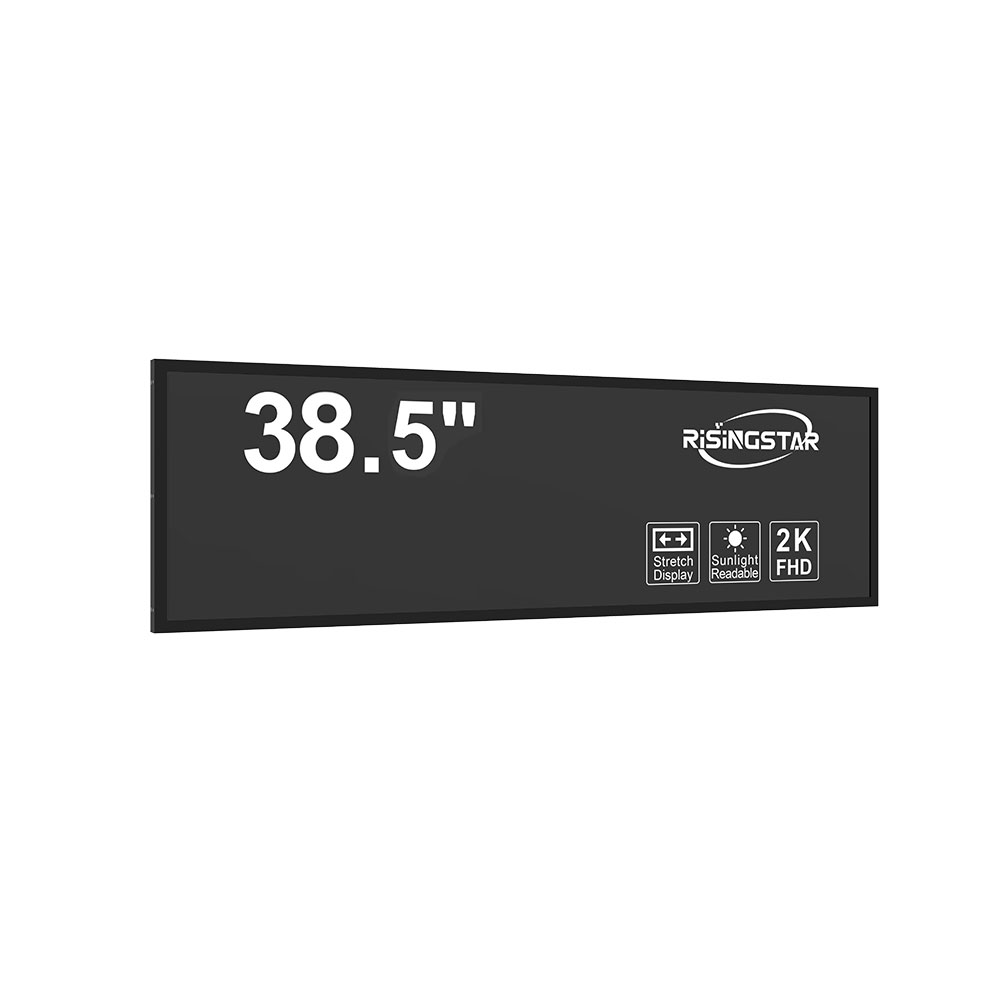
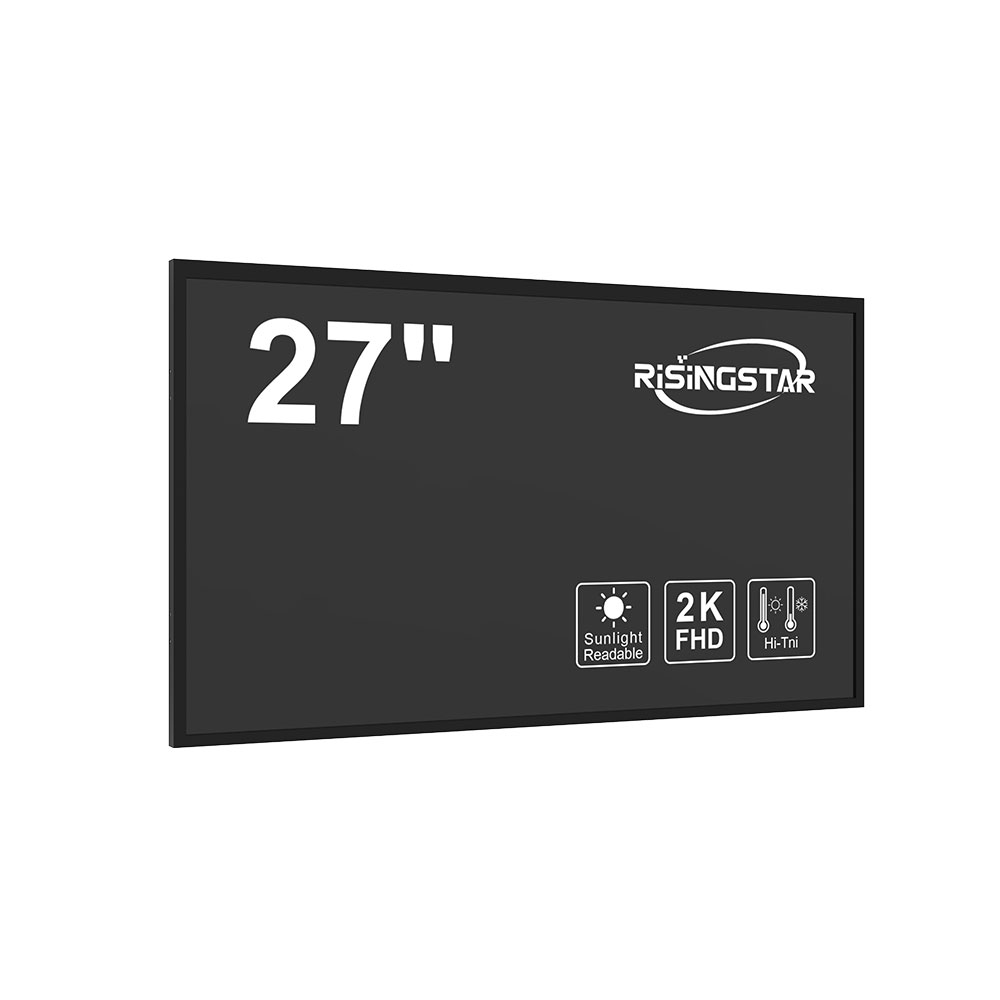
The core of RisingStar’s innovation lies in its proprietary brightness amplification system, which typically exceeds 5,000 nits—far surpassing standard indoor LCDs (typically 200–500 nits). This exceptional brightness level ensures that text, graphics, and video remain fully legible in full sunlight, including at noon with no ambient light filtering. The company’s screens utilize high-efficiency LED backlighting combined with anti-glare coatings, polarized filters, and optimized liquid crystal alignment to maximize contrast ratio and reduce glare reflection. In fact, studies conducted by the Society for Information Display (SID) confirm that displays exceeding 3,000 nits maintain usability in direct sunlight for over 95% of users—a benchmark RisingStar consistently exceeds.
What sets RisingStar apart is not just raw brightness but intelligent design. Their screens feature adaptive brightness control via integrated ambient light sensors, dynamically adjusting output based on real-time environmental conditions. This functionality conserves power while maintaining optimal visibility—an essential advantage in battery-powered or solar-rechargeable devices. Additionally, RisingStar offers ruggedized variants rated IP65 or higher, making them suitable for dust-laden, water-splashed, or vibration-heavy environments such as offshore drilling rigs or mobile command centers.
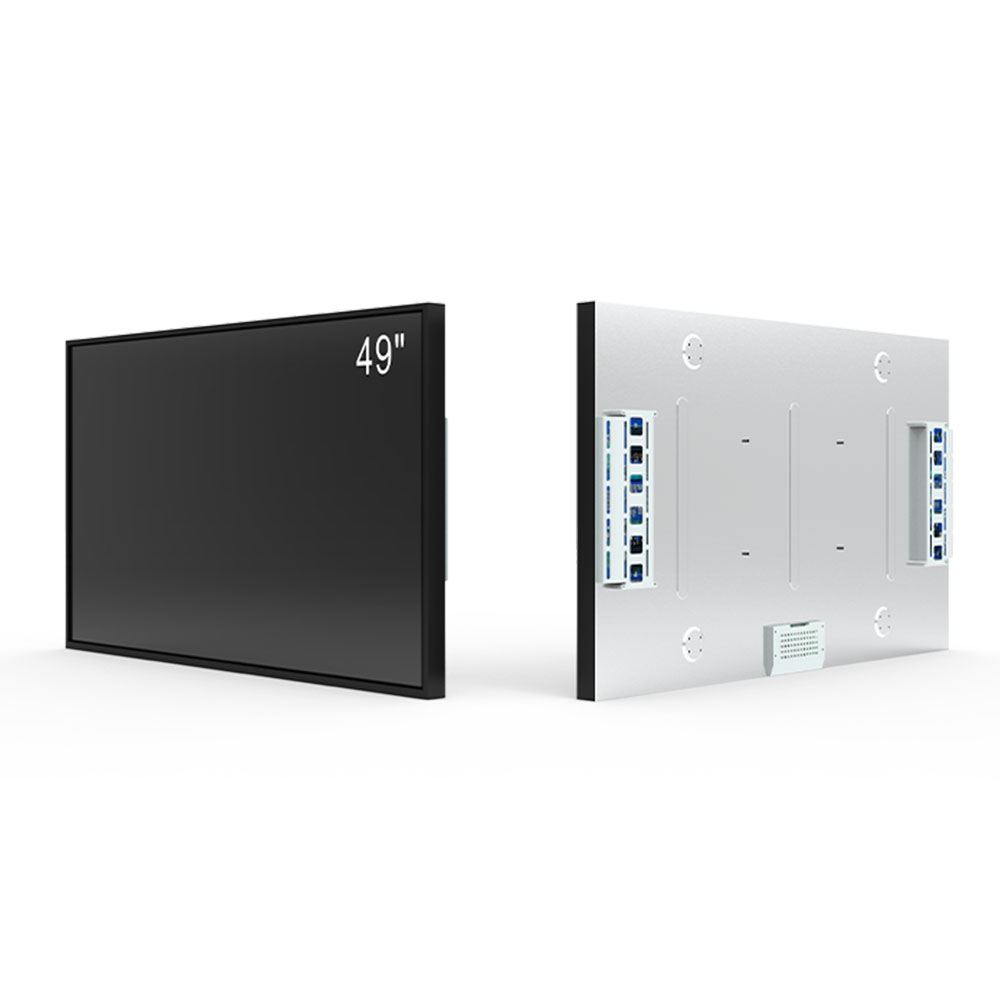
Case studies validate these claims. A U.S. Department of Defense contract awarded to RisingStar in 2021 required displays for field communication units used in desert operations. Standard displays failed within hours due to sun-induced glare and overheating. RisingStar delivered custom 5,500-nit LCD panels with heat-dissipating aluminum frames and UV-stabilized cover glass. Field testing revealed a 98% improvement in readability compared to legacy models, and units operated reliably for over 12 months without maintenance.
Moreover, RisingStar adheres to international standards such as MIL-STD-810G for shock and vibration resistance, EN 60068 for environmental stress, and ISO 9001 for quality management. These certifications ensure compliance across industries—from aerospace to agriculture—where display failure can lead to operational delays or safety risks.
From an engineering perspective, RisingStar employs a multi-layered approach: first, high-brightness LEDs; second, optical stack optimization; third, robust housing materials like polycarbonate and stainless steel; and fourth, software-level adjustments for color accuracy and response time. Their latest generation supports touch-sensitive interfaces (including glove-compatible capacitive sensing), making them ideal for use in cold climates where finger movement is limited.
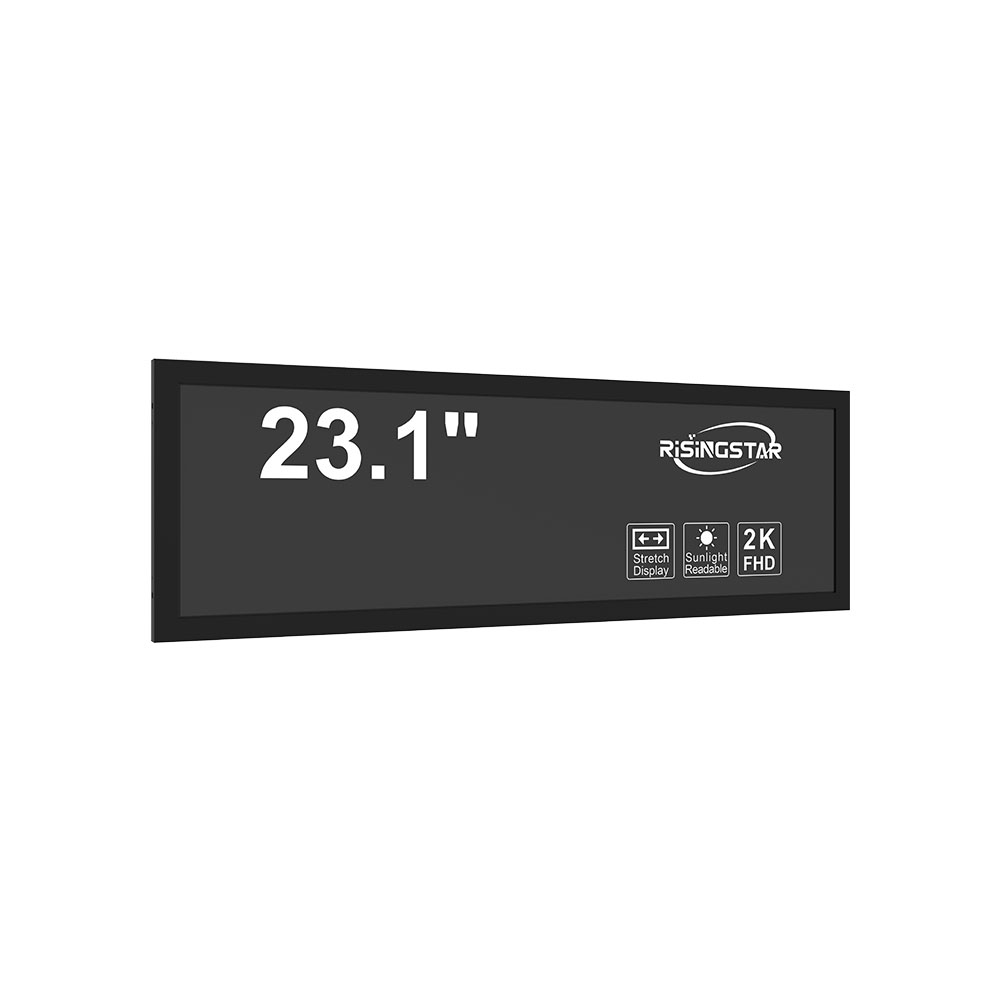
For businesses seeking reliable, long-term display solutions in harsh environments, RisingStar’s high-brightness sunlight-readable LCDs represent the gold standard. Whether it’s a maritime navigation console, a utility meter in a tropical region, or an agricultural drone interface, RisingStar’s technology ensures consistent visibility, reduces downtime, and enhances user experience—all backed by decades of R&D and real-world validation.