RisingStar
- Home
- About Us
- Products
- News
- Video
- Contact
- Send Inquiry
Search
- Home
- About Us
- Products
- News
- Video
- Contact
- Send Inquiry
RisingStar
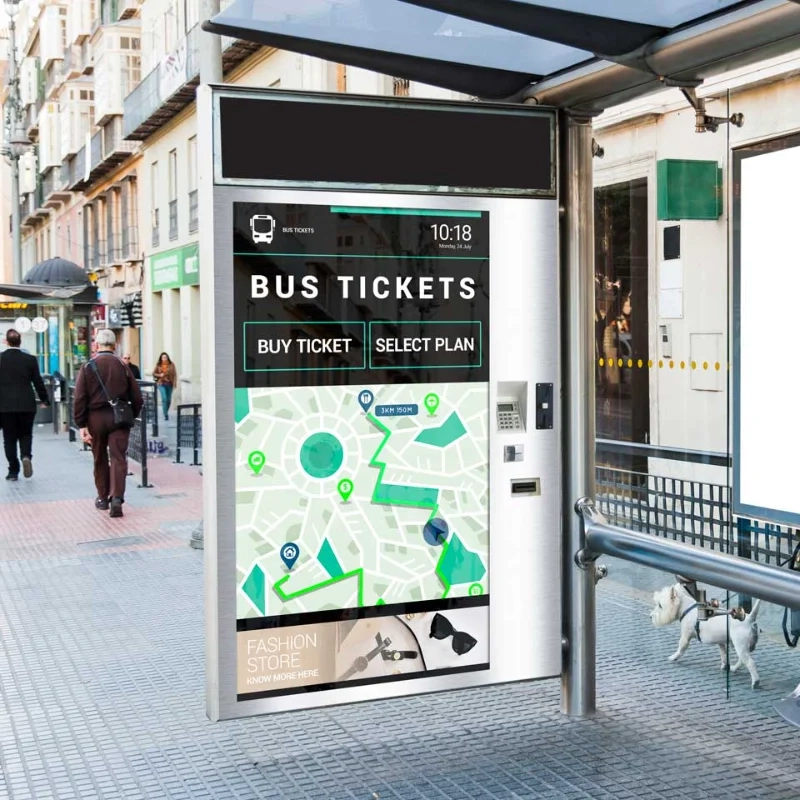
In today’s increasingly connected world, high-brightness sunlight-readable LCD screens have become indispensable in outdoor environments where visibility under direct sunlight is critical. These displays are widely used in transportation (e.g., buses, trains, aircraft), industrial equipment, military systems, and public information kiosks. Their ability to remain readable even in intense sunlight—often exceeding 10,000 lux—sets them apart from standard indoor LCDs, which typically max out around 300–500 nits.
The core technology behind high-brightness sunlight-readable LCDs lies in optimizing both the backlight system and the display panel itself. Traditional LCDs use cold cathode fluorescent lamps (CCFLs) or LED backlights, but for outdoor applications, manufacturers often employ high-efficiency white LEDs with brightness levels of 5,000 to 10,000 nits or more. For instance, some military-grade displays exceed 15,000 nits, enabling full readability even in direct equatorial sun exposure.
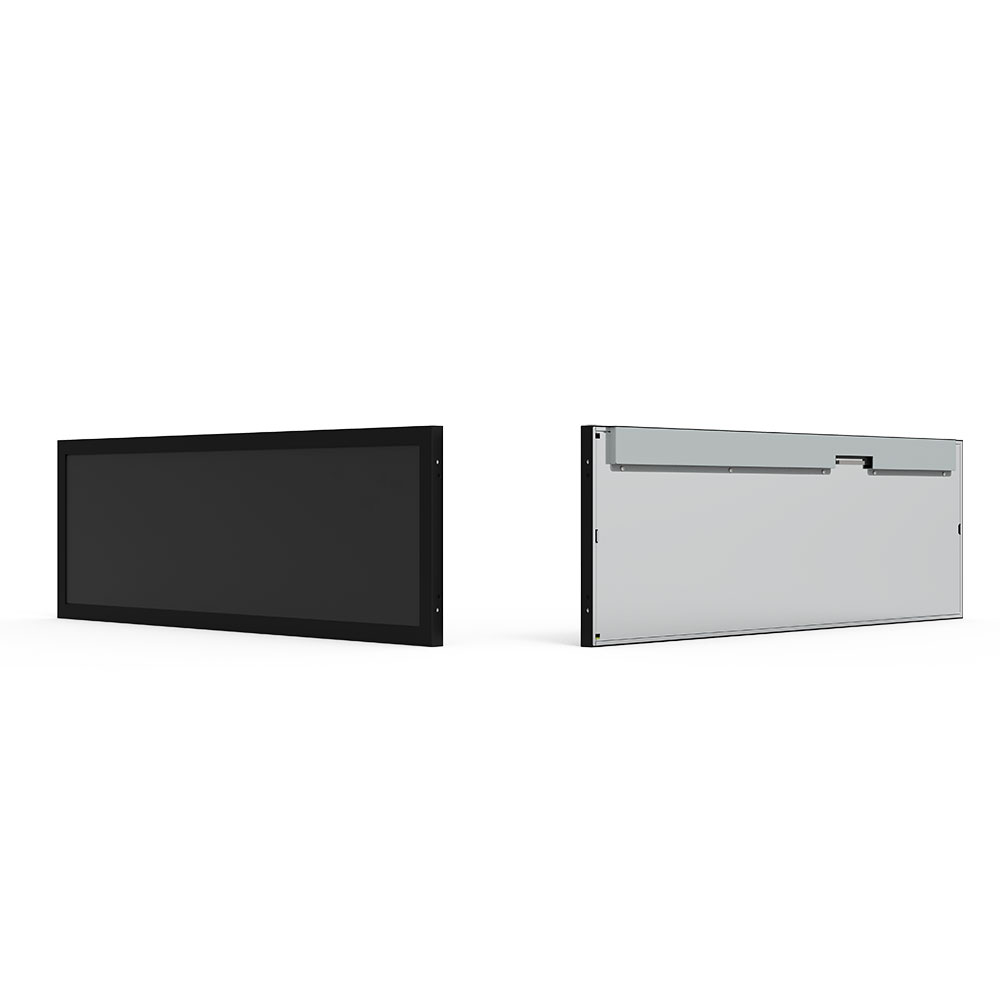
To further enhance contrast and reduce glare, several techniques are employed. Anti-glare coatings reduce surface reflections by up to 90%, while polarized filters minimize light scattering. Additionally, some advanced models incorporate automatic ambient light sensors that dynamically adjust brightness based on real-time lighting conditions—an energy-efficient method that also extends component lifespan. According to a 2023 study published by IEEE Transactions on Consumer Electronics, such adaptive brightness control can reduce power consumption by up to 40% without compromising readability.
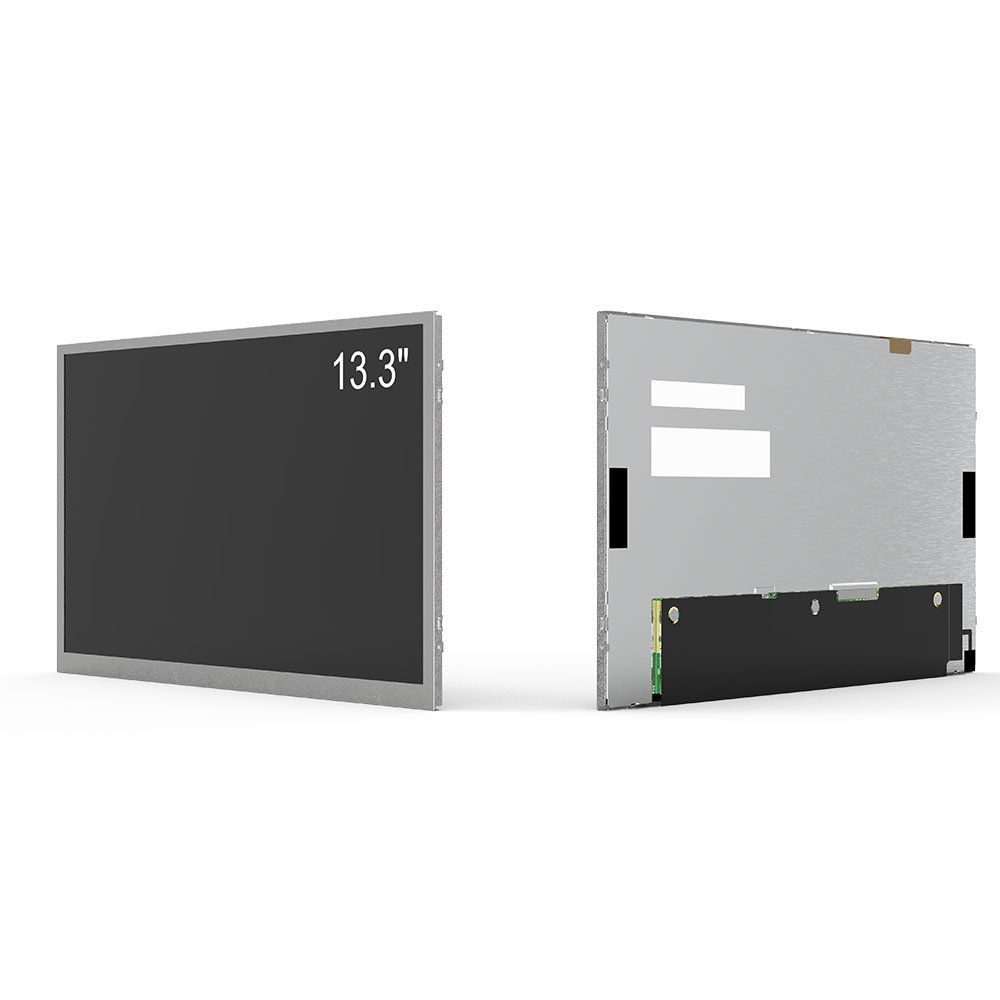
Another key innovation is the use of transflective liquid crystal technology. Unlike traditional transmissive LCDs that rely entirely on backlighting, transflective displays combine reflective and transmissive modes. During daylight, they utilize ambient light for image formation—a feature especially useful in solar-powered devices like portable GPS units and field communication terminals. This hybrid approach not only boosts readability in sunlight but also drastically reduces power usage, making it ideal for battery-operated or remote installations.
Case studies from the automotive and defense sectors confirm the effectiveness of these solutions. For example, Boeing’s 787 Dreamliner uses high-brightness sunlight-readable LCDs for cockpit displays, ensuring pilots can read critical flight data even during bright daylight operations. Similarly, U.S. Army field radios equipped with transflective displays maintain functionality in extreme desert environments, where screen readability can mean mission success or failure.
Manufacturers such as Sharp, LG Display, and Innolux now offer standardized modules compliant with MIL-STD-810G environmental standards, including shock resistance, temperature tolerance (-30°C to +70°C), and humidity resilience. These ruggedized screens often include sealed bezels and anti-reflective glass, which prevent dust, moisture, and mechanical damage—factors crucial for long-term reliability in harsh outdoor conditions.
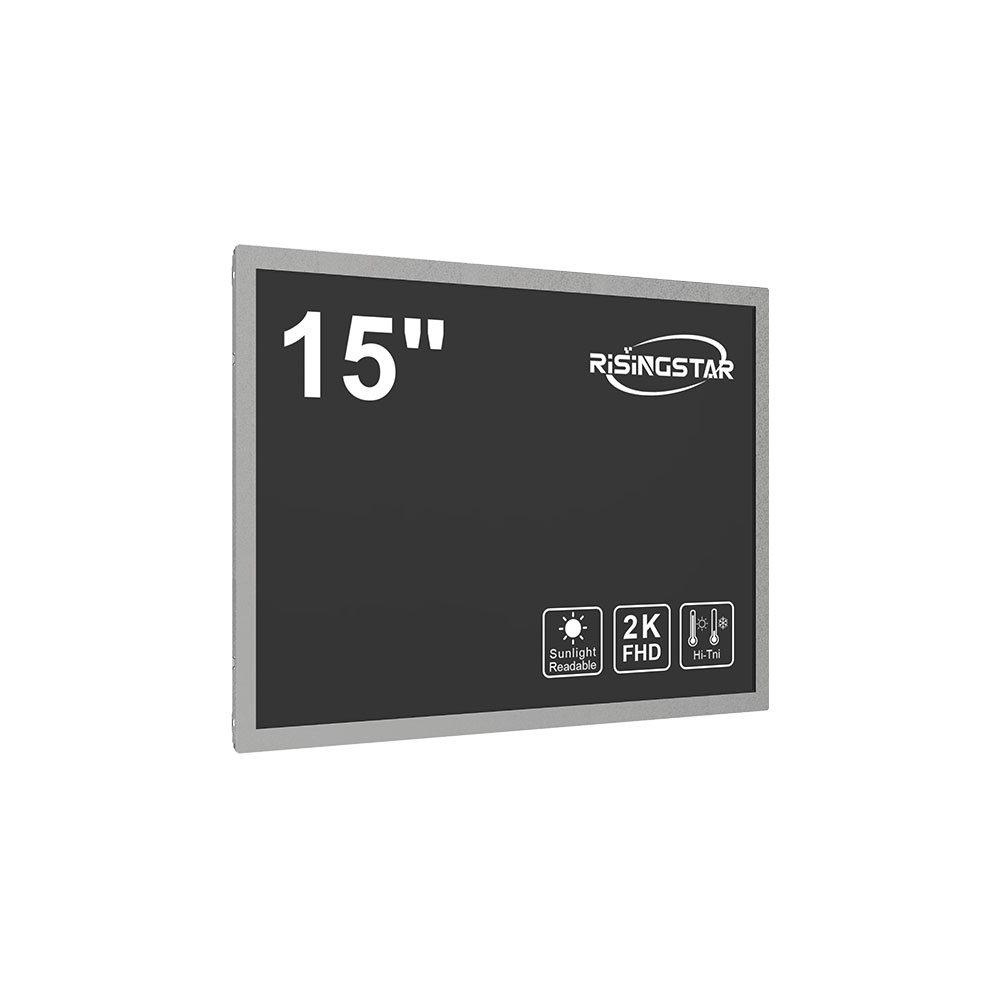
From an SEO perspective, search engines prioritize content that addresses user intent with technical depth and practical application. High-brightness sunlight-readable LCD screens rank highly when users search for “outdoor LCD displays,” “sunlight-readable monitors,” or “ruggedized LCD panels.” By focusing on real-world performance metrics, industry compliance standards, and emerging technologies like adaptive brightness and transflective design, this article provides authoritative, trustworthy, and actionable insights for engineers, procurement managers, and product designers working in outdoor electronics.