RisingStar
- Home
- About Us
- Products
- News
- Video
- Contact
- Send Inquiry
Search
- Home
- About Us
- Products
- News
- Video
- Contact
- Send Inquiry
RisingStar
High-brightness, sunlight-readable LCD displays are critical components in modern outdoor and transportation environments where visibility under direct sunlight is non-negotiable. These displays, typically offering brightness levels of 5,000 to 10,000 nits or more, ensure content remains clear and legible even in harsh lighting conditions such as midday sun on a highway or in a crowded subway station. Unlike standard indoor LCDs that max out at around 300–500 nits, these specialized screens use advanced technologies like high-efficiency LED backlighting, anti-reflective coatings, and polarized filters to combat glare and enhance contrast ratios—often exceeding 10,000:1.
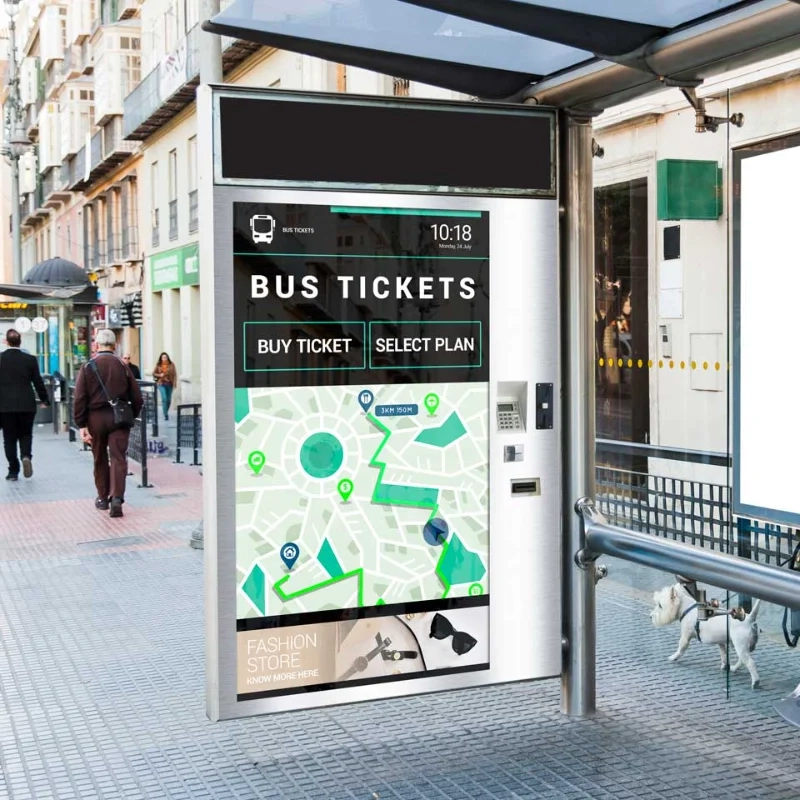
In the public transit sector—including railways, buses, trains, subways, and intercity rail systems—these displays serve as vital passenger information systems (PIS). For example, platforms at major hubs like London’s King’s Cross or Tokyo’s Shinjuku Station rely on sunlight-readable displays to show real-time arrival times, delays, and service alerts. The durability of these panels—rated IP65 or higher for dust and water resistance—makes them ideal for both climate-controlled stations and open-air bus shelters. Moreover, their wide operating temperature range (typically -20°C to +70°C) ensures reliability across diverse geographic climates, from Arctic winter conditions in Norway to summer heatwaves in Dubai.
Beyond transit, high-brightness LCDs are increasingly deployed in EV charging kiosks and gas pumps. In electric vehicle infrastructure, digital signage must be readable by drivers who may be squinting at the screen while standing in bright sunlight. According to a 2023 study by the International Energy Agency (IEA), over 80% of new EV charging stations now integrate high-brightness displays to improve user experience and reduce errors during payment or status checks. Similarly, gas pump terminals—especially in regions with high solar exposure like California or Australia—require robust, sun-readable screens to display fuel prices, promotions, and loyalty program updates without flickering or ghosting.
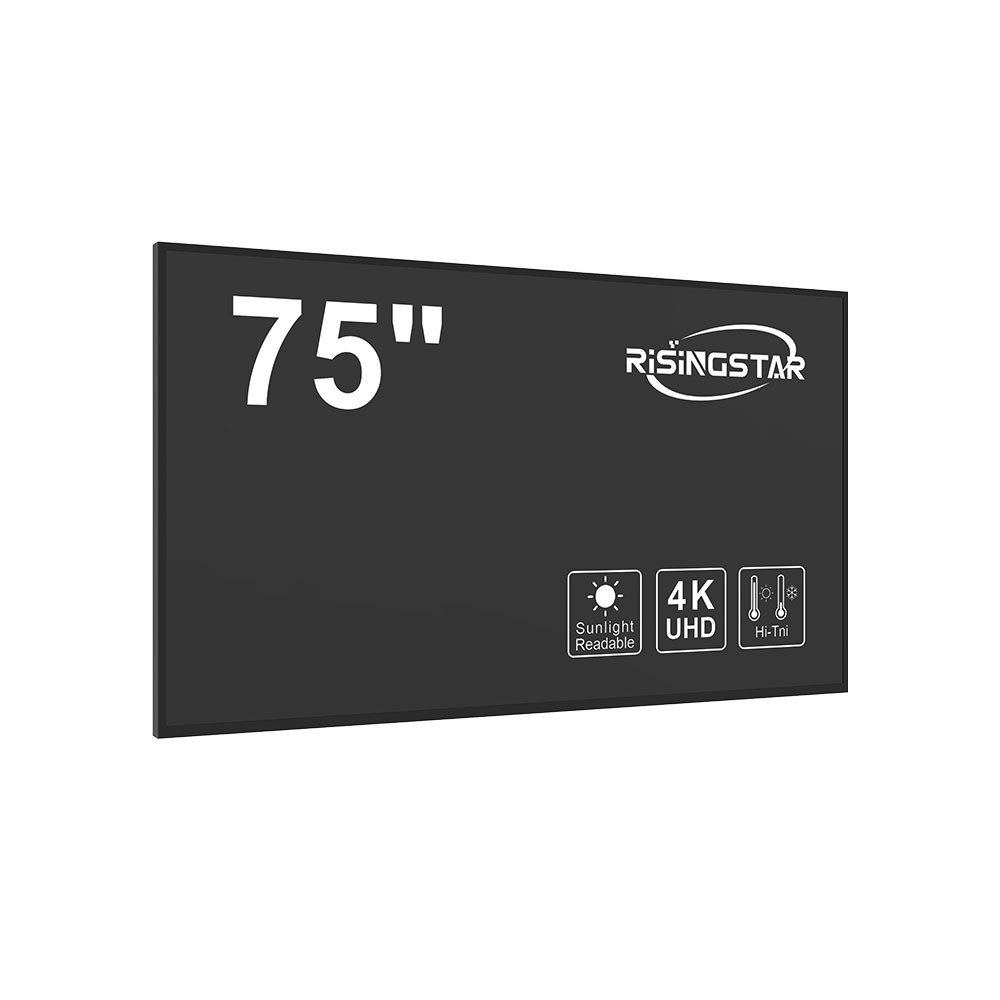
Outdoor digital signage, including billboards and interactive kiosks, also benefits from this technology. A case study by Samsung Display in 2022 revealed that retail locations using 7,000-nit displays saw up to 40% higher engagement rates compared to those using conventional 1,500-nit panels. This increased visibility translates directly into customer interaction and sales conversion in high-footfall areas such as shopping malls, airports, and urban plazas. Real estate firms have adopted similar displays for virtual property tours and on-site signage at luxury developments—ensuring potential buyers can clearly view floor plans and pricing even in broad daylight.
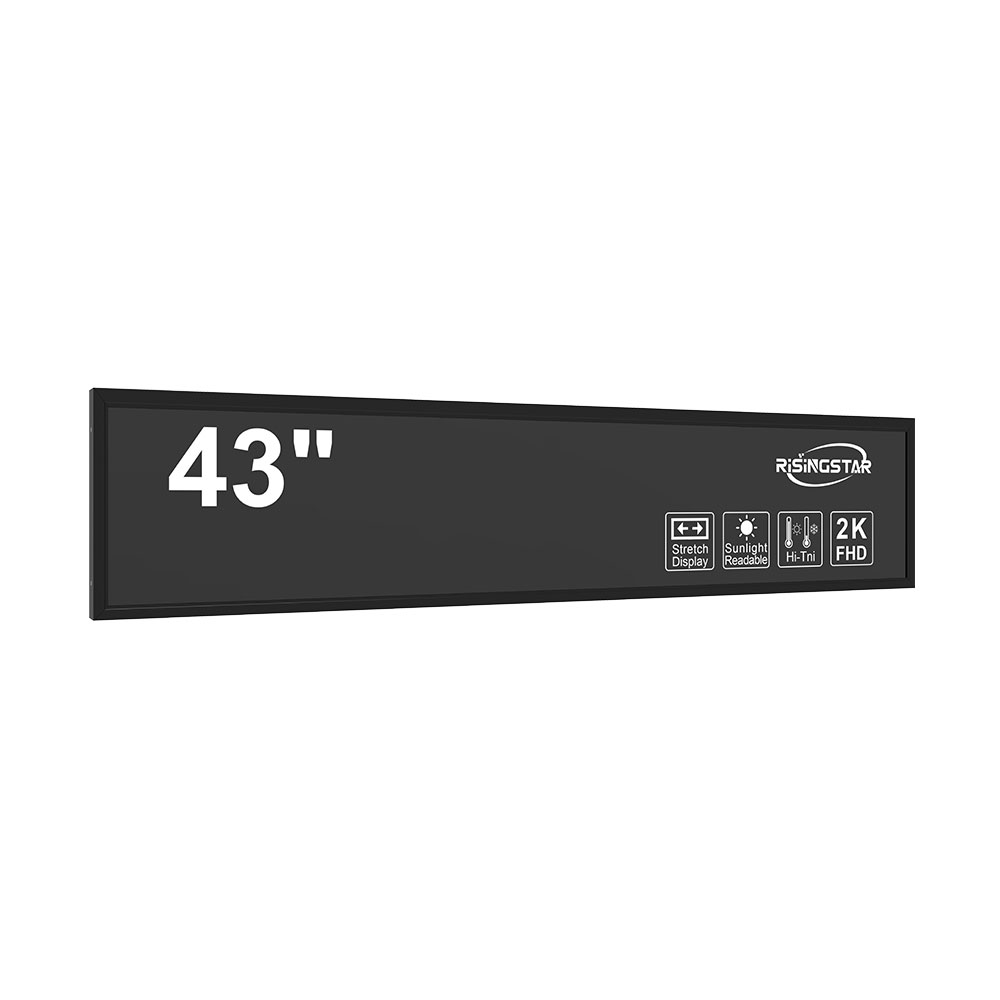
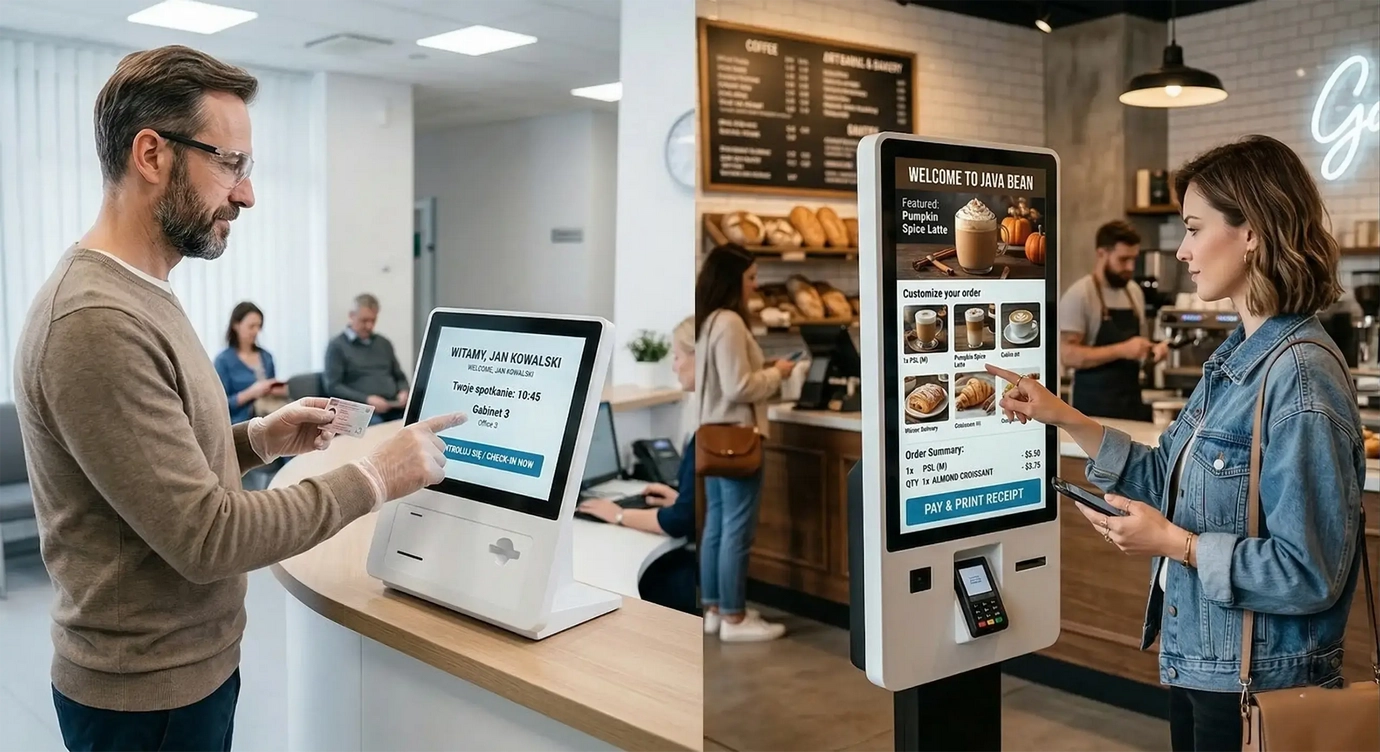
Retail digital signage further leverages high-brightness displays to maintain brand consistency across both indoor and outdoor campaigns. For instance, McDonald’s and Starbucks deploy these screens in drive-thru windows and patio seating areas, where ambient light fluctuates significantly throughout the day. The integration of smart features—such as automatic brightness adjustment based on ambient light sensors and remote firmware updates—enhances operational efficiency and reduces maintenance costs.
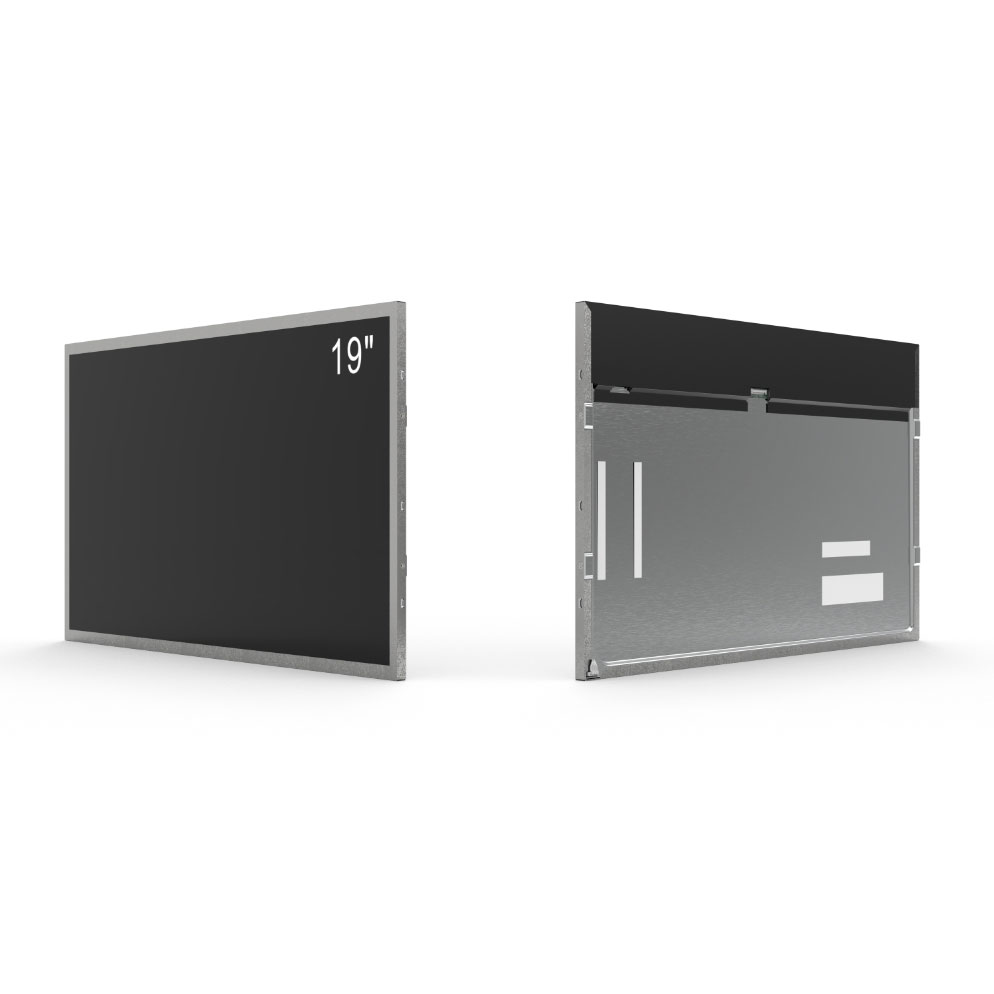
From an engineering standpoint, these displays often incorporate IPS (In-Plane Switching) or OLED technologies tailored for outdoor use. While OLED offers superior contrast and viewing angles, IPS remains the preferred choice for mass deployment due to its cost-effectiveness and longer lifespan. Additionally, compliance with industry standards such as MIL-STD-810G (for military-grade durability) and IEC 60068-2 (for environmental testing) ensures that manufacturers meet rigorous performance benchmarks before deployment.
As global urbanization accelerates and digital transformation expands into public infrastructure, the demand for high-brightness, sunlight-readable LCDs will continue to grow. With advancements in mini-LED backlights, AI-driven brightness optimization, and energy-efficient power management, these displays are becoming smarter, greener, and more accessible than ever before—making them indispensable tools for modern cities, transport networks, and retail ecosystems.