RisingStar
- Home
- About Us
- Products
- News
- Video
- Contact
- Send Inquiry
Search
- Home
- About Us
- Products
- News
- Video
- Contact
- Send Inquiry
RisingStar
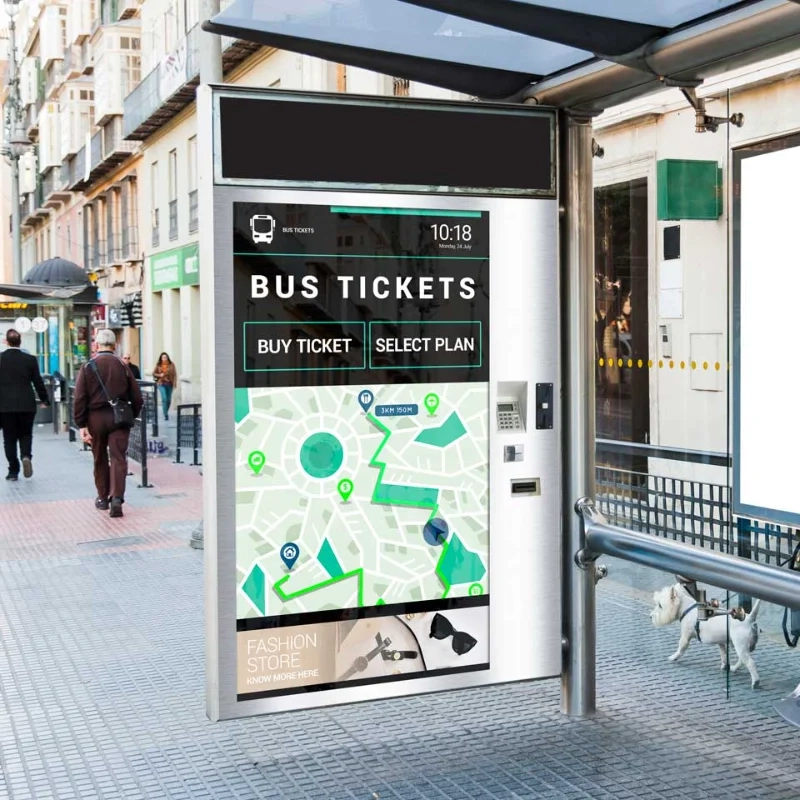
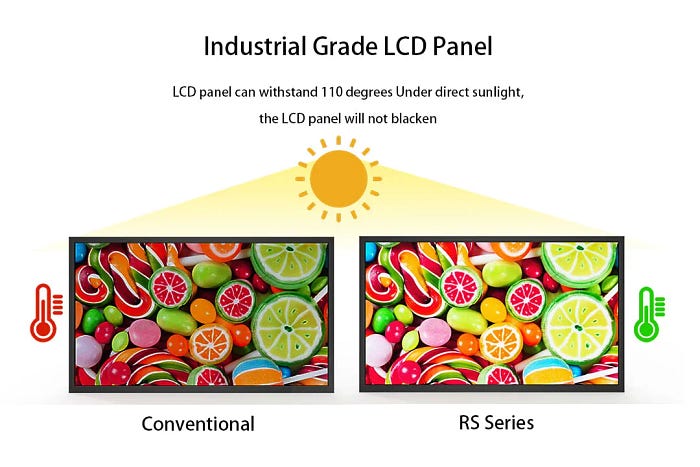
In today’s increasingly mobile and outdoor-centric world, high-brightness sunlight-readable LCD screens have become indispensable across military, industrial, transportation, and consumer sectors. These displays are engineered to maintain visibility under direct sunlight, extreme temperatures, and harsh environmental conditions—where standard LCDs fail due to low contrast, poor brightness, or limited viewing angles. According to the U.S. Department of Defense (DoD), over 80% of tactical field equipment now requires sunlight-readable displays for mission-critical operations, underscoring their strategic importance.
The core challenge in designing such displays lies in achieving luminance levels that surpass ambient light, typically exceeding 5,000 nits (cd/m²). For context, a typical indoor LCD emits around 300–500 nits, while a high-end automotive display may reach 1,500 nits. In direct sunlight, ambient brightness can exceed 100,000 lux, making it essential for display manufacturers to optimize both backlighting and panel technology. Technologies such as LED-backlit diffusers, anti-glare coatings, and advanced polarizer designs are commonly used to enhance readability under these conditions.
One leading approach involves using high-efficiency LEDs with narrow spectral output and precise optical stacking. For instance, companies like Innolux and LG Display have developed dual-layer backlight systems that dynamically adjust brightness based on ambient light sensors. This not only improves readability but also reduces power consumption—a crucial factor for battery-powered devices like handheld military radios or remote monitoring units.
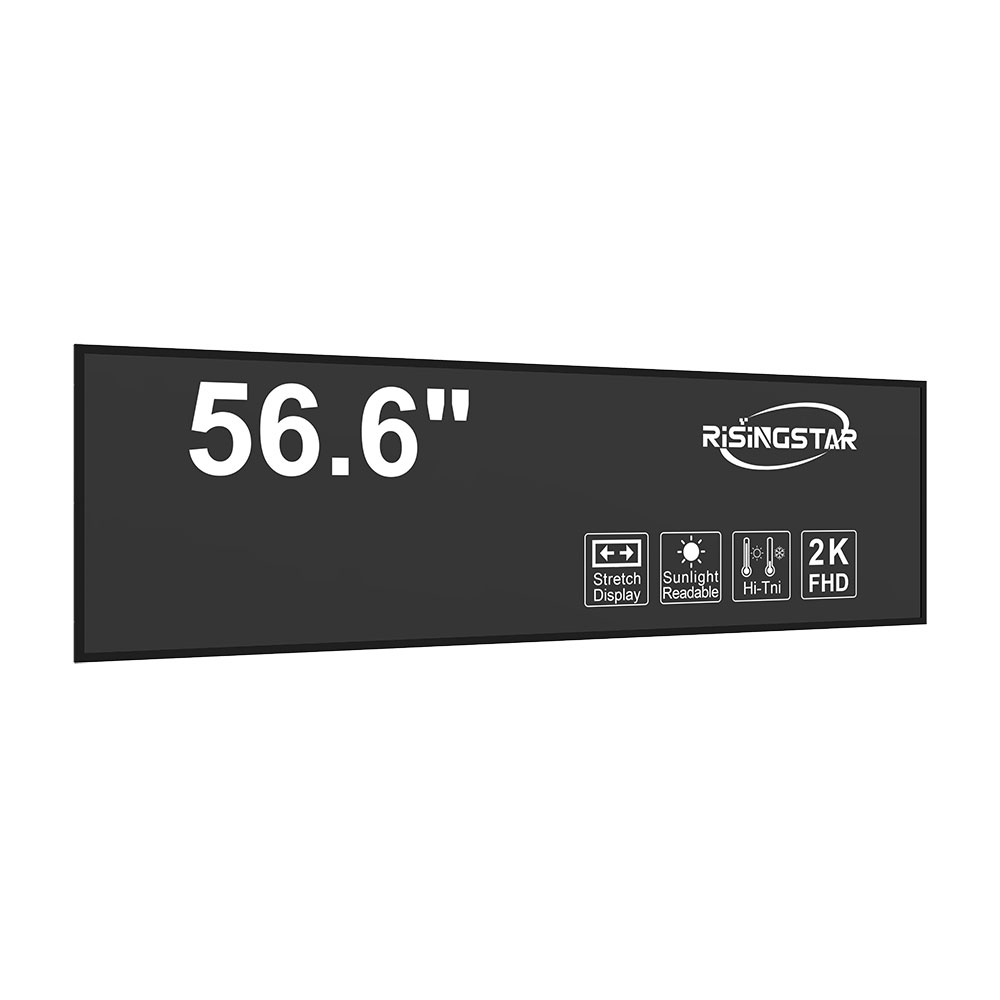
Another critical advancement is the use of transflective liquid crystal technology. Unlike conventional transmissive LCDs, transflective panels combine reflective and transmissive layers, enabling visibility in both bright daylight and low-light conditions without relying solely on a backlight. This hybrid method significantly boosts energy efficiency—a major advantage in applications where power conservation is paramount, such as portable medical devices or off-grid solar-powered instrumentation.
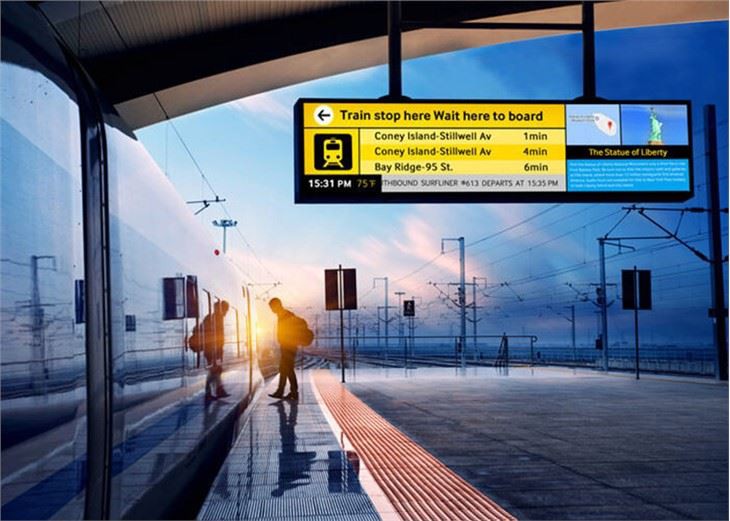
Industrial case studies further demonstrate real-world performance. A 2023 report from the International Electrotechnical Commission (IEC) highlighted a deployment of sunlight-readable LCDs in offshore oil rigs located in the North Sea. The display units, rated at 7,000 nits and operating in -40°C to +60°C temperature ranges, maintained full functionality despite salt spray corrosion and constant exposure to UV radiation. Similarly, in the transportation sector, companies like Siemens and Hitachi have integrated these displays into train control systems and airport ground support equipment, reducing pilot error and enhancing safety during daylight operations.
From an engineering perspective, compliance with international standards such as MIL-STD-810G (for ruggedness) and IEC 60945 (for marine environments) ensures reliability in demanding settings. Additionally, the integration of touch-enabled interfaces—often capacitive or resistive with glove-friendly sensitivity—further enhances usability in cold climates or hazardous work environments.
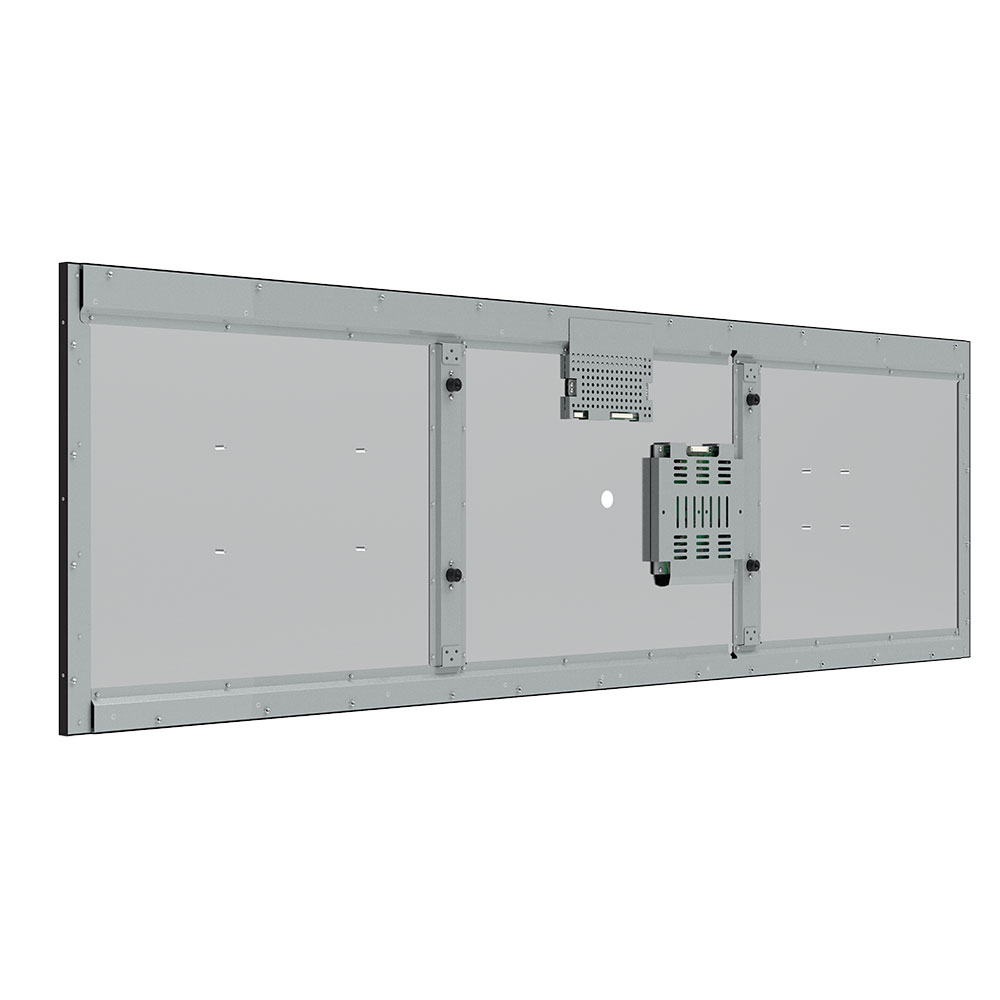
As global markets expand into emerging regions with extreme weather patterns—such as desert-based solar farms in Saudi Arabia or Arctic research stations in Norway—the demand for robust, high-brightness LCDs continues to rise. Future innovations will likely focus on adaptive brightness algorithms, OLED integration for deeper blacks, and AI-driven contrast optimization. With ongoing R&D investments by firms like Sharp, BOE, and Samsung Display, the future of sunlight-readable displays looks brighter than ever—not just in terms of brightness, but in resilience, efficiency, and user experience.