RisingStar
- Home
- About Us
- Products
- News
- Video
- Contact
- Send Inquiry
Search
- Home
- About Us
- Products
- News
- Video
- Contact
- Send Inquiry
RisingStar
In today’s global industrial landscape, outdoor and high-intensity lighting environments demand display solutions that are not only visually clear but also highly reliable under extreme conditions. High-brightness sunlight-readable LCD screens have emerged as a critical component in equipment used by overseas manufacturers and distributors—especially in sectors such as construction, agriculture, transportation, and defense. These displays ensure operational continuity even when ambient light exceeds 10,000 lux, which is common in direct sunlight or bright indoor lighting setups.
Unlike standard LCDs, which become nearly invisible under strong sunlight due to low peak brightness (typically 300–500 cd/m²), sunlight-readable LCDs are engineered to achieve brightness levels of at least 3,000 cd/m², with many industrial-grade models reaching 5,000 to 10,000 cd/m². This performance is achieved through advanced backlight technologies such as LED arrays with diffusers, optimized optical films, and anti-reflection coatings. For example, the use of dual-layer anti-glare (AG) glass combined with polarized layers reduces surface reflections by up to 95%, making content readable without glare or ghosting.
Beyond brightness, these displays must withstand mechanical stress, temperature extremes (-20°C to +70°C), humidity, dust, and vibration—conditions often found in field operations. To meet MIL-STD-810G standards for environmental durability, manufacturers integrate ruggedized enclosures, sealed bezels, and conformal coatings on circuit boards. In case studies from leading OEMs like John Deere and Caterpillar, sunlight-readable LCDs integrated into GPS-guided tractors and heavy machinery have reduced operator errors by over 40% compared to older display systems, significantly improving safety and productivity.
For international distributors, choosing a supplier with ISO 9001 certification and proven experience in producing compliant components is essential. Many manufacturers now offer customizable options including touch functionality (resistive or capacitive), multiple interface protocols (LVDS, MIPI, HDMI), and integration with embedded systems like ARM Cortex-based processors. Additionally, certifications such as CE, FCC, and RoHS ensure compliance with global regulations, reducing logistical and legal barriers to market entry.
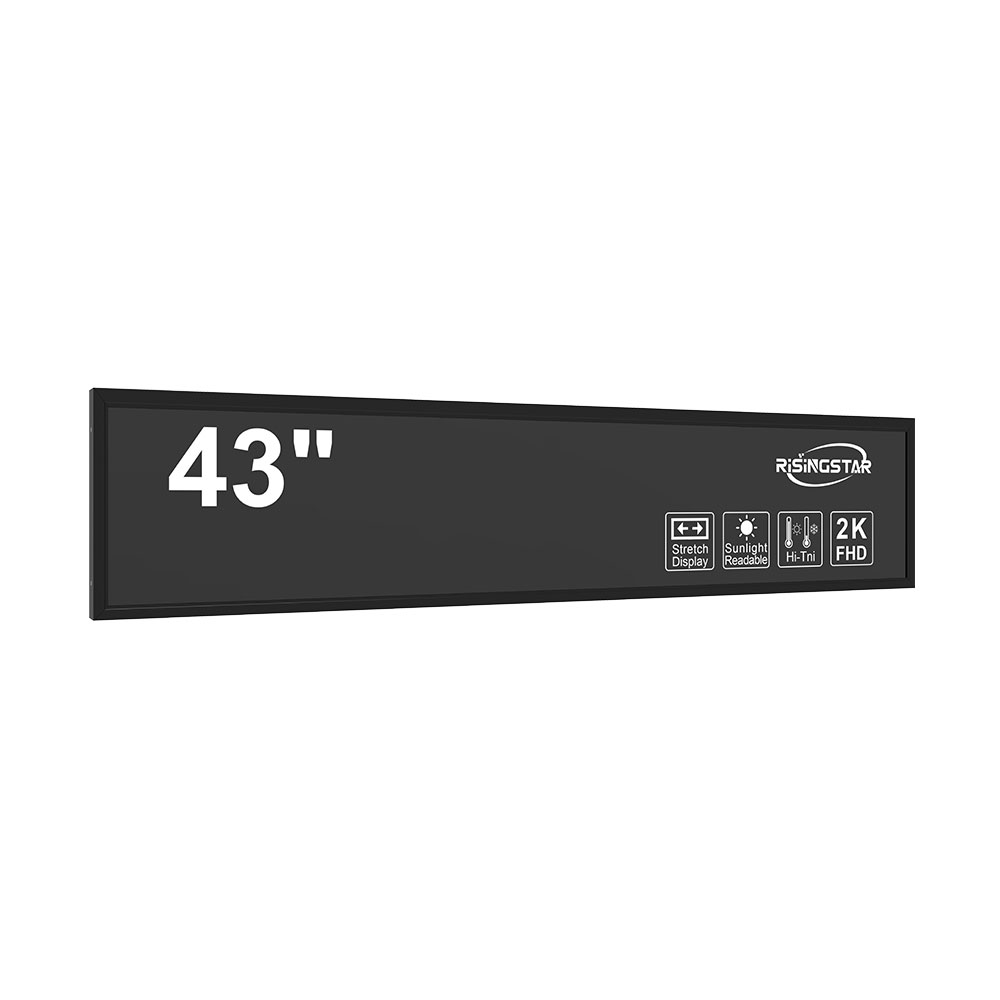
From an economic perspective, investing in high-brightness sunlight-readable LCDs pays off in reduced maintenance costs and longer lifecycle value. While initial costs may be 20–40% higher than standard displays, their ability to operate reliably in harsh conditions translates into fewer replacements, lower downtime, and better user satisfaction. As per a 2023 report by MarketsandMarkets, the global industrial display market is projected to grow at a CAGR of 6.8% from 2023 to 2028, driven largely by increasing demand for ruggedized displays in smart manufacturing and IoT-enabled field devices.
Ultimately, for overseas equipment manufacturers and distributors, selecting the right sunlight-readable LCD screen isn’t just about visibility—it’s about building robust, long-lasting products that deliver consistent performance across diverse geographic and climatic zones. Whether designing agricultural sprayers in Australia, mining equipment in South Africa, or logistics terminals in Scandinavia, the choice of display technology directly impacts product reliability, brand reputation, and end-user trust.