RisingStar
- Home
- About Us
- Products
- News
- Video
- Contact
- Send Inquiry
Search
- Home
- About Us
- Products
- News
- Video
- Contact
- Send Inquiry
RisingStar
In the rapidly evolving world of display technology, high-brightness sunlight-readable LCD screens have emerged as a critical solution for outdoor and industrial applications where visibility under direct sunlight is non-negotiable. These specialized displays are engineered to maintain clarity, contrast, and color accuracy even in extreme lighting conditions—ranging from bright midday sun to low-light twilight environments. As industries such as defense, transportation, agriculture, and public infrastructure increasingly rely on digital interfaces, the demand for robust, reliable, and human-readable displays has surged. This article explores the technological foundations, design principles, industry standards, real-world applications, and future trends of high-brightness sunlight-readable LCDs, offering insights tailored to engineers, product designers, and procurement specialists.
The core challenge in designing an outdoor-readable display lies in overcoming ambient light interference. Standard LCDs typically operate at brightness levels between 200–400 nits (cd/m²), which become virtually invisible under full sunlight (~100,000 lux), where effective illumination exceeds 10,000 nits. High-brightness sunlight-readable LCDs address this by achieving luminance levels of 3,000 to 10,000 nits or more, depending on the application. For instance, military-grade displays often exceed 5,000 nits, while commercial outdoor kiosks may require only 3,000–4,000 nits. The key to this performance lies not just in backlight intensity but also in optical enhancements such as anti-glare coatings, polarized filters, and reflective layering that reduce ambient light reflection without compromising image quality.
One of the most significant innovations in this field is the use of transflective liquid crystal technology. Unlike traditional transmissive LCDs that rely solely on backlighting, transflective panels combine both transmission and reflection modes. In bright sunlight, the display uses ambient light reflected through a built-in reflective layer behind the pixels—a mechanism similar to how e-readers like Kindle function—to boost brightness without additional power consumption. In low-light conditions, it switches seamlessly to backlit mode using LEDs or OLEDs. This hybrid approach significantly improves energy efficiency while maintaining readability across varying light environments. According to a 2023 study published in the Journal of Display Technology, transflective LCDs can achieve up to 40% lower power consumption compared to fully transmissive counterparts under similar brightness conditions.
Another critical factor in achieving sunlight readability is the implementation of advanced optical bonding techniques. Optical bonding involves sealing the LCD panel with a transparent adhesive material (such as optically clear resin or silicone) between the cover glass and the display surface. This process eliminates air gaps that cause internal reflections, thereby reducing glare and increasing contrast. Industry-leading manufacturers like LG Display and BOE Technology have adopted multi-layer optical bonding processes that enhance durability against shock, vibration, and moisture ingress—essential features for ruggedized outdoor equipment. A case study conducted by the U.S. Department of Defense in 2022 demonstrated that optical bonding increased the usable brightness range of tactical displays by over 60%, particularly in desert and jungle environments where temperature fluctuations and humidity pose challenges.
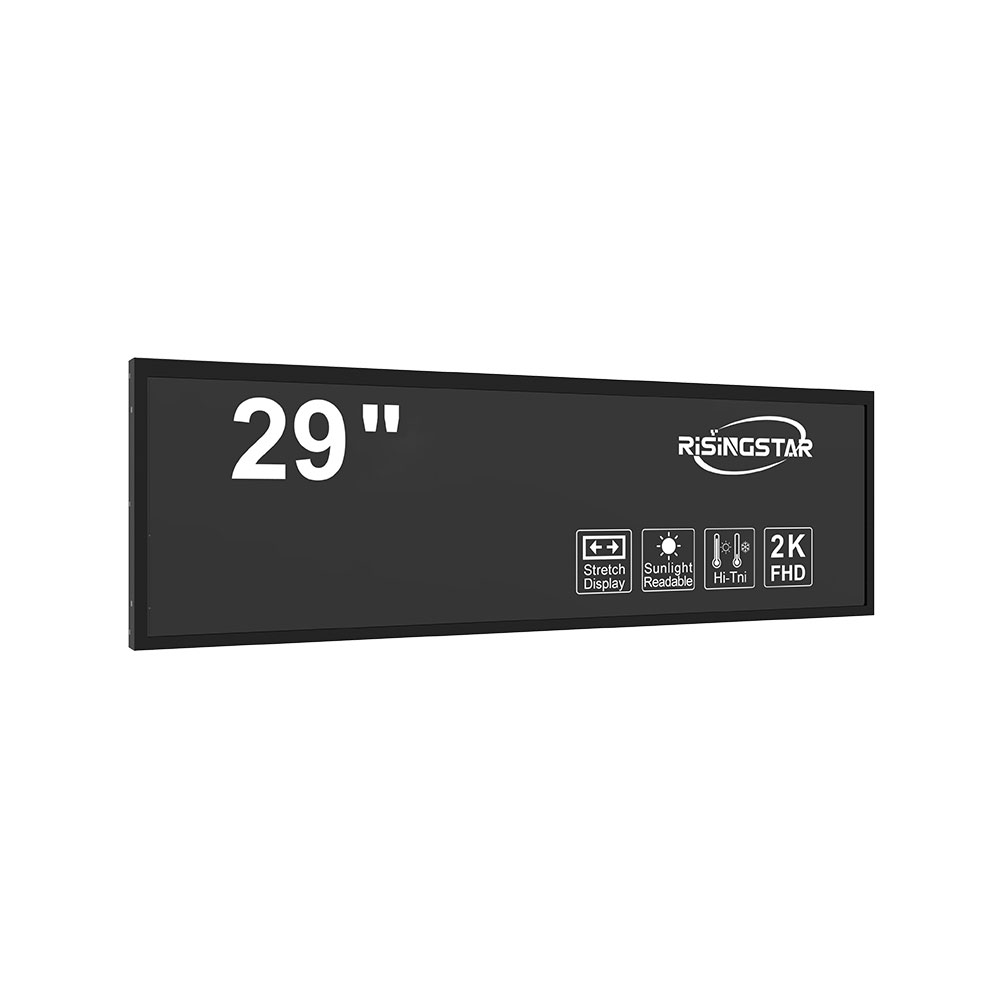
Environmental resilience is equally important. High-brightness sunlight-readable LCDs must meet stringent environmental certifications such as IP65 (dust-tight and protected against water jets), MIL-STD-810G (military-grade shock and vibration resistance), and operating temperature ranges from -30°C to +70°C. For example, the Samsung S24C700P monitor, designed for outdoor construction sites, maintains stable performance even when exposed to rain, dust, and intense UV radiation. These environmental protections are achieved through robust housing materials (e.g., aluminum alloy frames), sealed connectors, and thermal management systems that prevent overheating during prolonged sun exposure.
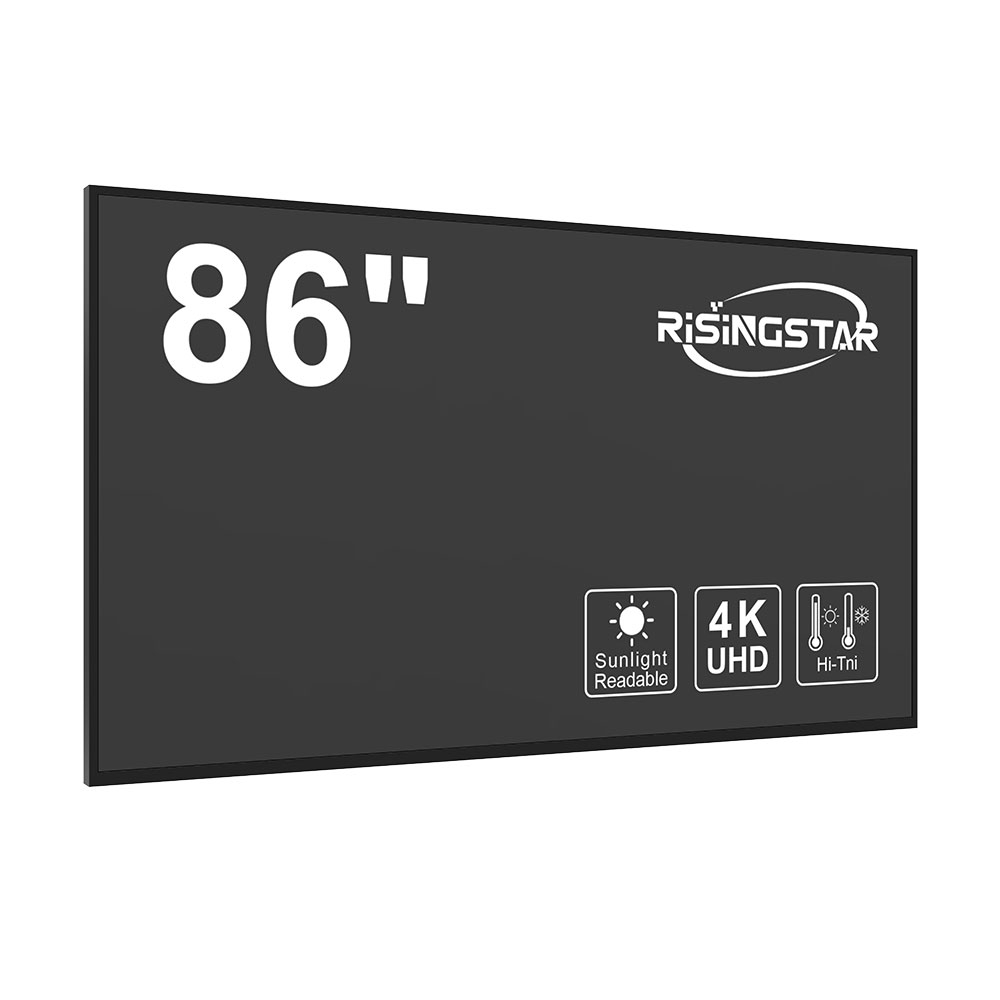
From a manufacturing perspective, high-brightness LCDs leverage cutting-edge backlight technologies such as LED arrays with distributed diffusers, mini-LEDs, and micro-LEDs. Mini-LED backlights offer localized dimming zones that improve contrast ratios dramatically—up to 100,000:1—while consuming less power than traditional CCFLs or edge-lit LEDs. A 2024 report from Omdia estimates that the global market for mini-LED-based outdoor displays will grow at a CAGR of 27% through 2030, driven by applications in smart city signage, vehicle dashboards, and aviation instruments. Similarly, micro-LEDs promise next-generation solutions with pixel-level control, enabling higher resolution and faster response times, although they remain cost-prohibitive for mass-market adoption at present.
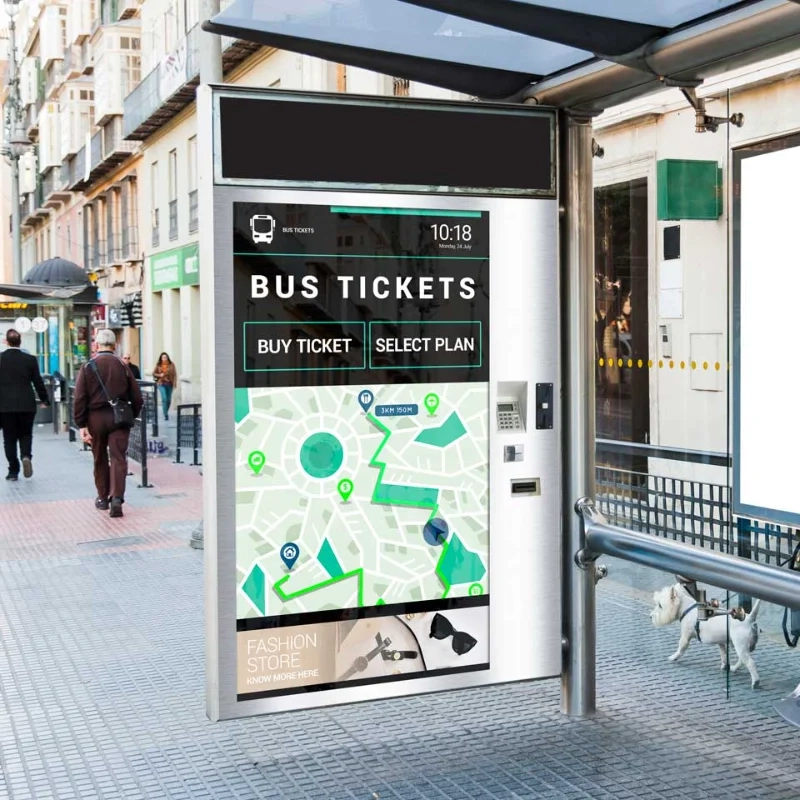
Real-world applications illustrate the practical impact of these advancements. In the transportation sector, companies like Siemens Mobility have integrated high-brightness sunlight-readable displays into train control panels and passenger information systems. These displays ensure drivers and passengers can read critical data—even in direct sunlight—enhancing safety and operational efficiency. In agriculture, IoT-enabled farm machinery equipped with 5,000-nit displays allow farmers to access GPS maps, soil sensor readings, and crop health analytics in open fields. Meanwhile, emergency response units in disaster-stricken areas rely on portable, solar-powered tablets featuring transflective LCDs that remain readable during search-and-rescue missions under harsh sunlight conditions.
Despite their advantages, high-brightness LCDs face challenges including higher production costs, increased power consumption compared to indoor displays, and limited availability of certain component types (like ultra-high-brightness LEDs). However, ongoing research into quantum dot enhancement layers, adaptive brightness algorithms, and AI-driven ambient light sensing is addressing these limitations. For example, a prototype developed by Sharp Corporation in collaboration with Toyota uses machine learning to dynamically adjust screen brightness based on surrounding light intensity, reducing unnecessary energy use while preserving readability.
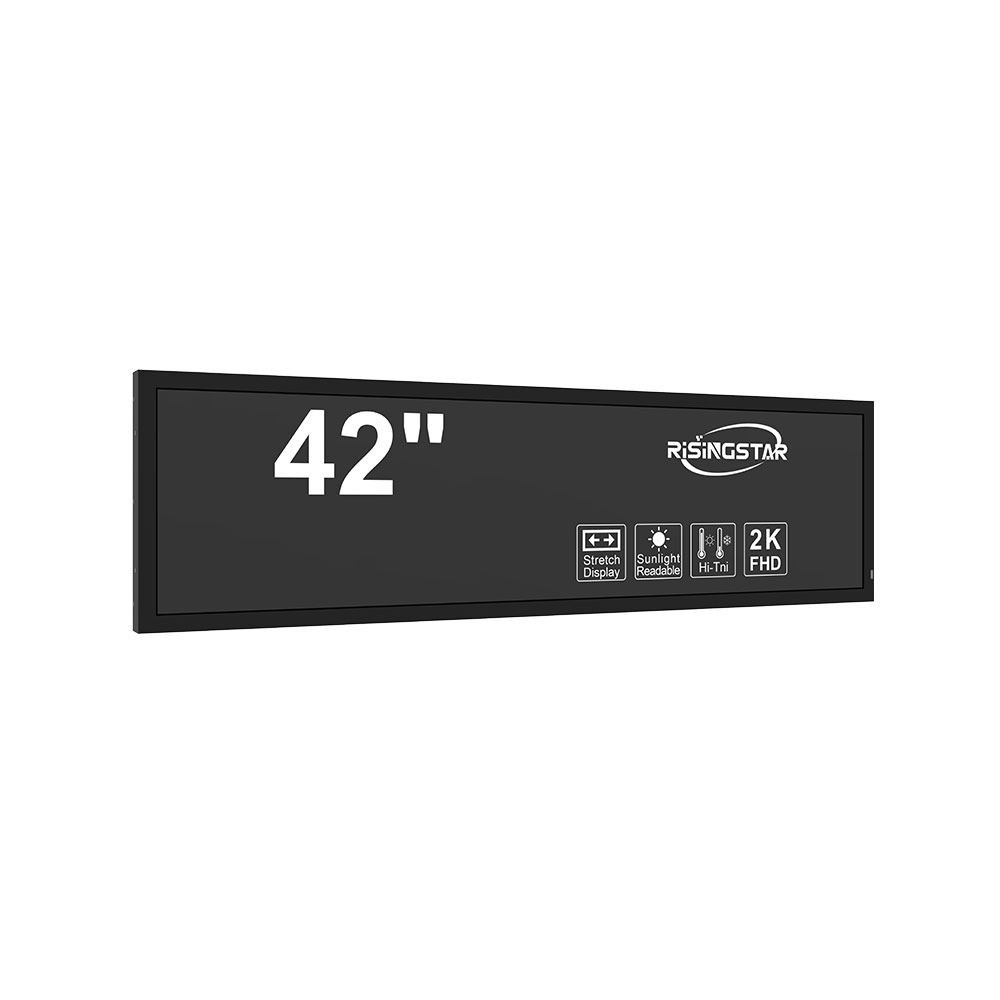
Looking ahead, the convergence of high-brightness LCDs with emerging technologies like AR/VR integration, flexible substrates, and foldable displays opens new frontiers. Flexible sunlight-readable OLEDs, though still experimental, could revolutionize wearable devices and mobile command centers. Moreover, with the rise of 5G connectivity and edge computing, outdoor displays are no longer passive indicators—they are becoming interactive nodes in intelligent ecosystems. As governments worldwide invest in smart infrastructure, from traffic management systems to solar-powered charging stations, the role of high-brightness sunlight-readable LCDs will continue to expand beyond niche applications into mainstream digital interfaces.
In conclusion, high-brightness sunlight-readable LCD technology represents a pivotal advancement in display engineering, combining optics, materials science, and user-centric design to solve one of the oldest problems in visual computing: making information visible in any environment. Whether deployed in military operations, urban planning, or agricultural innovation, these displays exemplify how precision engineering meets real-world utility. For stakeholders seeking durable, efficient, and accessible outdoor display solutions, understanding the technical nuances—from transflective operation to optical bonding—is essential for informed decision-making and long-term system reliability.