RisingStar
- Home
- About Us
- Products
- News
- Video
- Contact
- Send Inquiry
Search
- Home
- About Us
- Products
- News
- Video
- Contact
- Send Inquiry
RisingStar
In today’s increasingly connected world, industrial-grade displays must operate reliably under extreme conditions—including dust, moisture, and mechanical stress. Among the most critical standards for environmental protection in display design is IP66—a rating defined by the International Electrotechnical Commission (IEC) that specifies both ingress protection against solid particles (like dust) and water jets. An IP66-rated LCD display offers complete dust tightness (6) and resistance to powerful water jets from any direction (6), making it indispensable in outdoor, marine, military, and industrial settings.
The journey to achieving IP66 compliance begins with material selection and engineering precision. Manufacturers typically use ruggedized glass (such as Gorilla Glass or tempered glass), sealed bezels, gasketed enclosures, and conformal coatings on internal circuitry to prevent moisture penetration. Unlike consumer-grade displays that may fail within hours of exposure to rain or high humidity, IP66 displays are engineered for continuous operation in wet and dusty environments—such as oil rigs, construction sites, and airport control towers.
Testing for IP66 follows strict IEC 60529 standards. For dust protection, the unit is subjected to a fine powder environment (e.g., talcum powder) for 8 hours under controlled airflow. To verify water resistance, the display undergoes a high-pressure water jet test using 12.5 liters per minute at 100 kPa pressure, directed from multiple angles for 3 minutes each. These tests ensure that even prolonged exposure to heavy rain or cleaning with high-pressure hoses does not compromise performance.
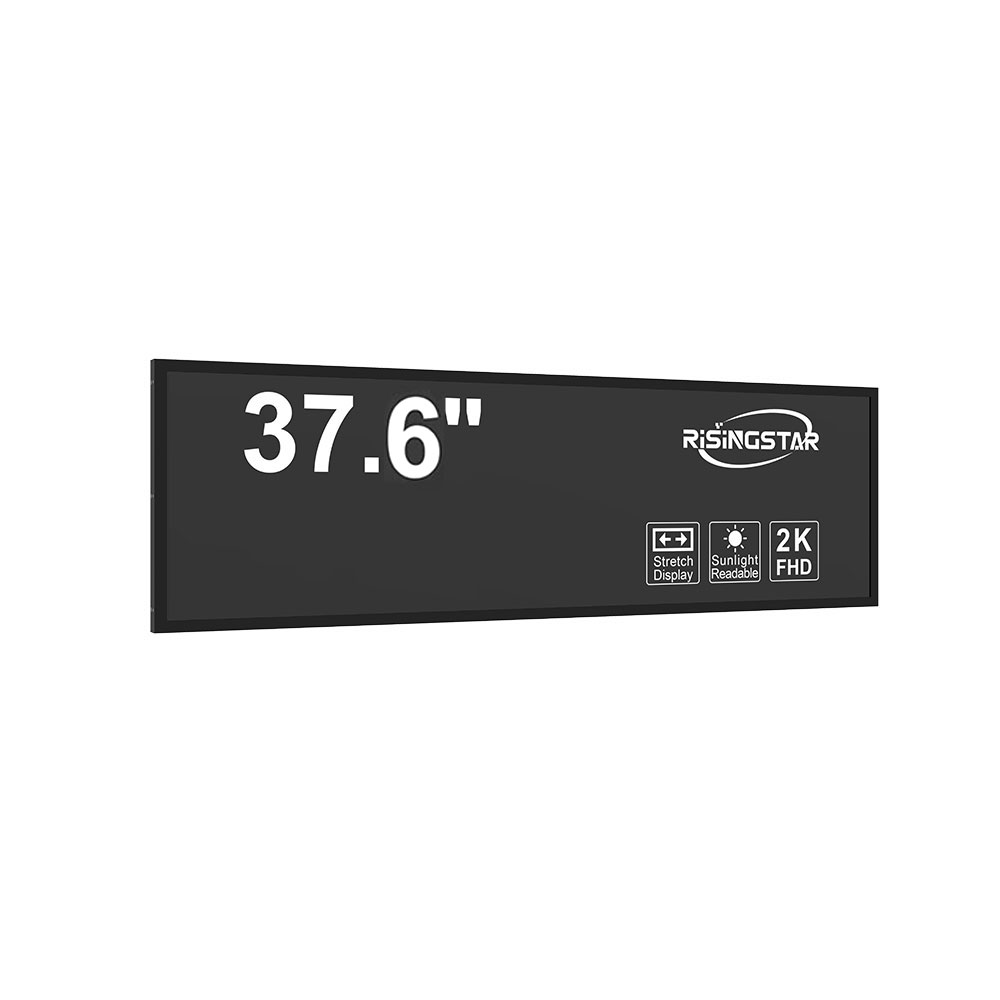
Real-world case studies highlight the importance of IP66 ratings. For example, in the offshore wind energy sector, Siemens Gamesa installed IP66-rated LCDs in turbine control systems exposed to salt spray and frequent rainfall. These screens maintained clarity and responsiveness over 5 years without degradation—a testament to their robust sealing and anti-corrosion treatment. Similarly, the U.S. Department of Defense mandates IP66 for tactical field displays used in humid jungle environments where standard screens would quickly fail due to condensation and particulate buildup.
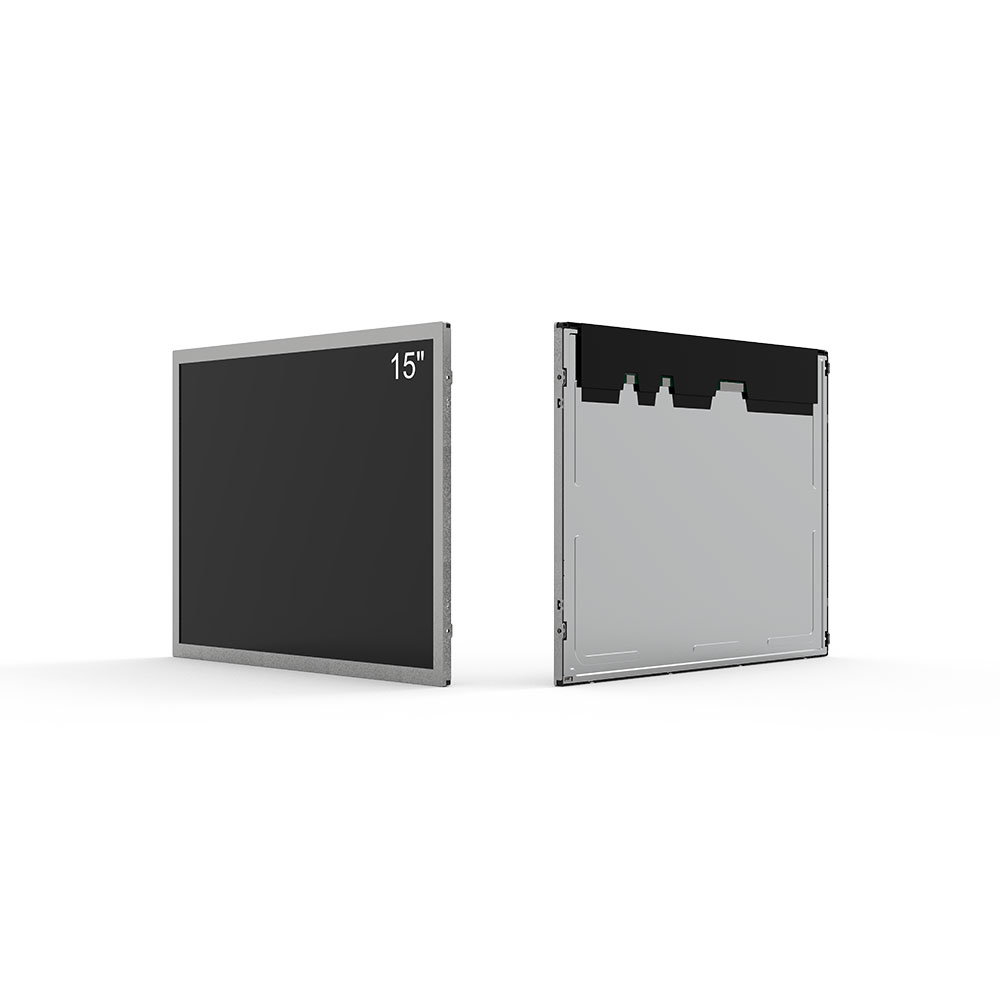
From a technical standpoint, maintaining optical performance while meeting IP66 requirements is challenging. Brightness must remain above 5000 nits for sunlight readability—even when encased in protective housing. This often requires integrating LED backlighting with diffusion films and anti-glare coatings, all while ensuring no gaps exist between components that could allow water ingress. Advanced thermal management systems are also crucial; overheating can cause seal degradation, compromising long-term waterproof integrity.
Manufacturers like CUI Devices, Crystalfontz, and Eizo offer certified IP66 solutions tailored to industrial automation, medical imaging, and transportation sectors. With increasing demand for edge computing devices in IoT-enabled factories and smart cities, IP66-rated displays are no longer optional—they’re essential for operational continuity, safety, and uptime.