RisingStar
- Home
- About Us
- Products
- News
- Video
- Contact
- Send Inquiry
Search
- Home
- About Us
- Products
- News
- Video
- Contact
- Send Inquiry
RisingStar
High-brightness sunlight-readable LCD screens are a critical innovation in display technology, specifically engineered to maintain visibility under intense ambient lighting conditions such as direct sunlight. These displays are indispensable in military, industrial, transportation, and medical sectors where outdoor visibility and operational reliability are paramount. Unlike standard LCDs that suffer from glare and contrast loss in bright environments, sunlight-readable LCDs incorporate advanced optical engineering, high-luminance backlighting, and specialized coatings to ensure consistent performance in real-world lighting scenarios.
The core challenge in designing such screens lies in achieving both high peak brightness—typically ranging from 3,000 to 10,000 nits—and maintaining color accuracy and response time. For instance, the U.S. Department of Defense mandates that military-grade displays must achieve at least 5,000 nits of brightness to remain usable in full sunlight (DoD MIL-STD-461G). Leading manufacturers like EIZO, LG Display, and COTECNO have developed proprietary technologies such as dual-layer polarizers, anti-reflective nano-coatings, and dynamic brightness control algorithms to meet these standards.
A case study from the aviation industry illustrates this necessity: Boeing’s 787 Dreamliner uses sunlight-readable LCDs in its flight deck displays. These screens provide pilots with clear, real-time data during all phases of flight—even when operating at 35,000 feet under direct solar radiation. The integration of passive and active compensation techniques, including ambient light sensors and adaptive gamma correction, ensures readability across varying daylight intensities without compromising battery life or thermal management.
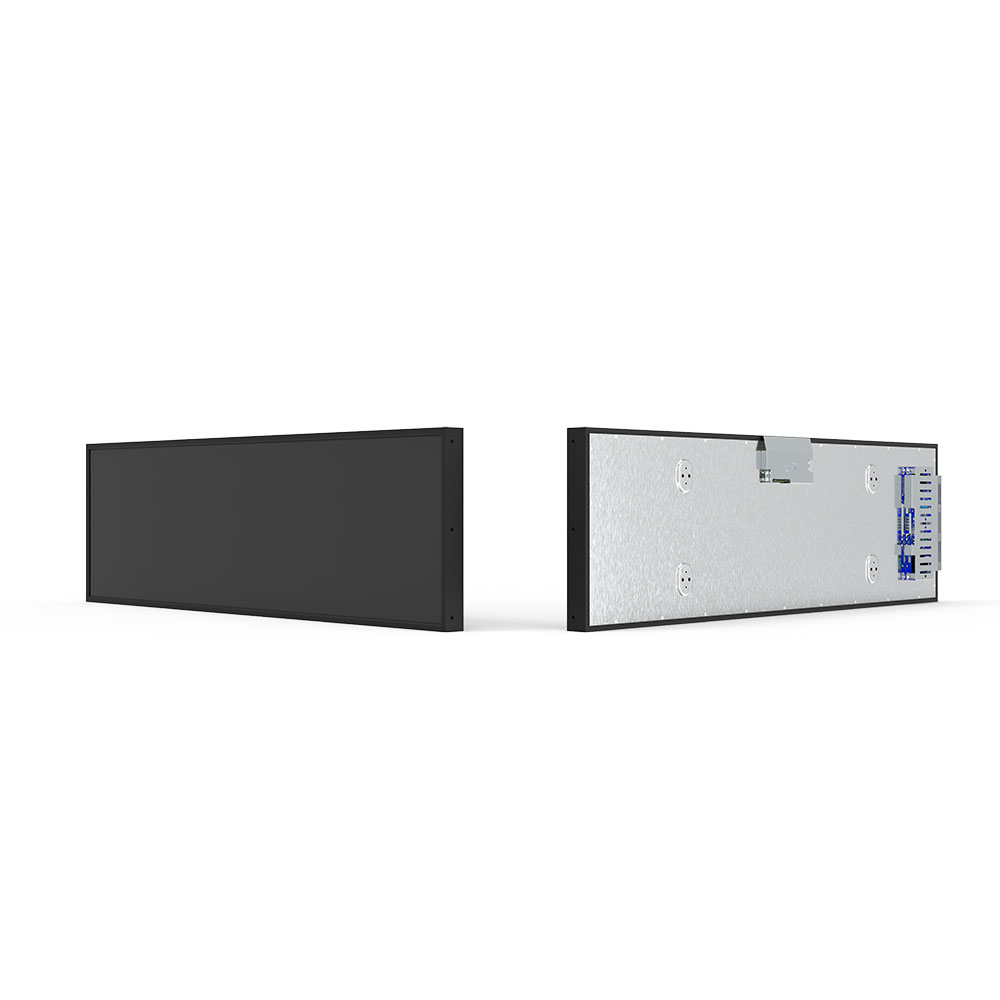
Moreover, advancements in LED backlighting and quantum dot enhancement have significantly improved energy efficiency while boosting luminance. According to a 2023 report by MarketsandMarkets, the global sunlight-readable display market is projected to reach $4.2 billion by 2028, driven by growth in autonomous vehicles, smart city infrastructure, and outdoor kiosks. This trend underscores the importance of not only brightness but also durability, low power consumption, and wide temperature tolerance—features now standard in high-end models.
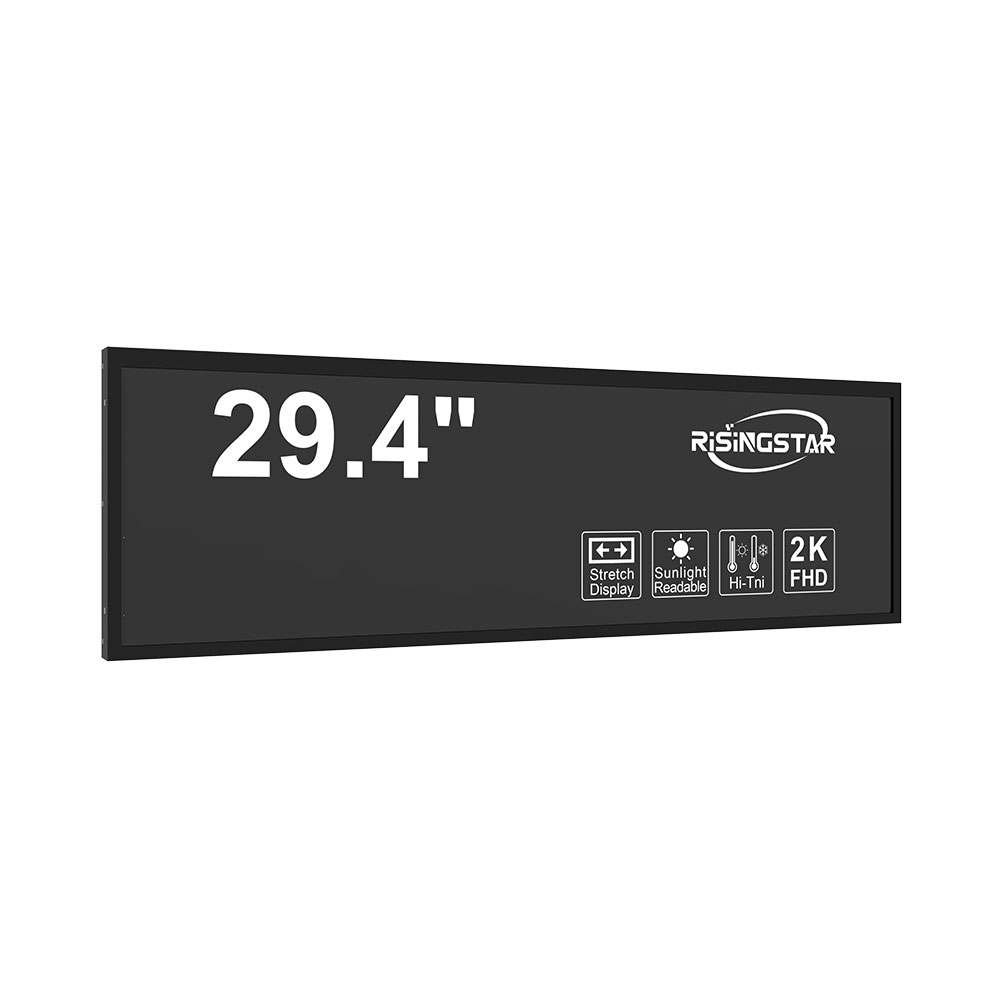
From an engineering perspective, these displays must comply with international standards such as IEC 60068 for environmental stress testing and ISO 16750 for automotive applications. Their robust design often includes sealed housings, IP65+ ingress protection, and shock-resistant substrates to withstand harsh conditions like vibration, moisture, and extreme temperatures (-30°C to +70°C).
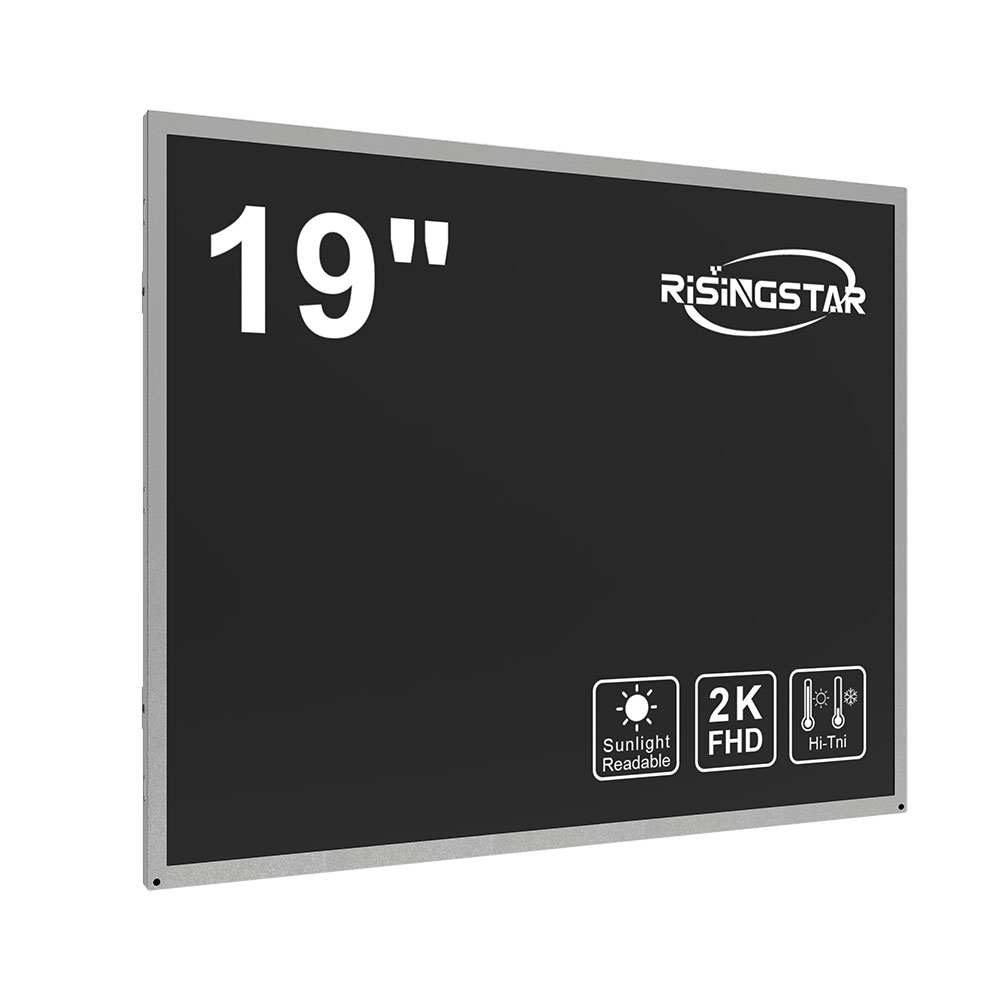
In summary, high-brightness sunlight-readable LCD screens represent the convergence of material science, optical physics, and system-level integration. As industries increasingly adopt outdoor digital interfaces—from drone control panels to public transit information systems—these displays will remain a cornerstone of human-machine interaction in challenging environments. Engineers and procurement specialists must evaluate not just peak brightness but total system performance, including contrast ratio, viewing angle, and long-term stability under continuous exposure to sunlight.