RisingStar
- Home
- About Us
- Products
- News
- Video
- Contact
- Send Inquiry
Search
- Home
- About Us
- Products
- News
- Video
- Contact
- Send Inquiry
RisingStar
In today’s increasingly connected world, industrial-grade displays must operate reliably under extreme conditions—including dust, moisture, and mechanical stress. Among the most critical standards for environmental protection in display design is IP66—a rating defined by the International Electrotechnical Commission (IEC) that specifies both ingress protection against solid particles (like dust) and water jets. An IP66-rated LCD display offers a robust solution for applications where visibility and durability are paramount, such as outdoor kiosks, automotive dashboards, military equipment, and factory automation systems.
The IP66 rating means the device is completely protected against dust (the "6" in the code), making it suitable for use in environments with heavy particulate exposure like construction sites or mining operations. The "6" in the second position indicates resistance to powerful water jets from any direction—typically tested at 12.5 liters per minute of water pressure at a distance of 3 meters for 3 minutes without internal damage. This level of protection ensures the display remains functional even during heavy rain, high-pressure cleaning, or accidental splashing in industrial settings.
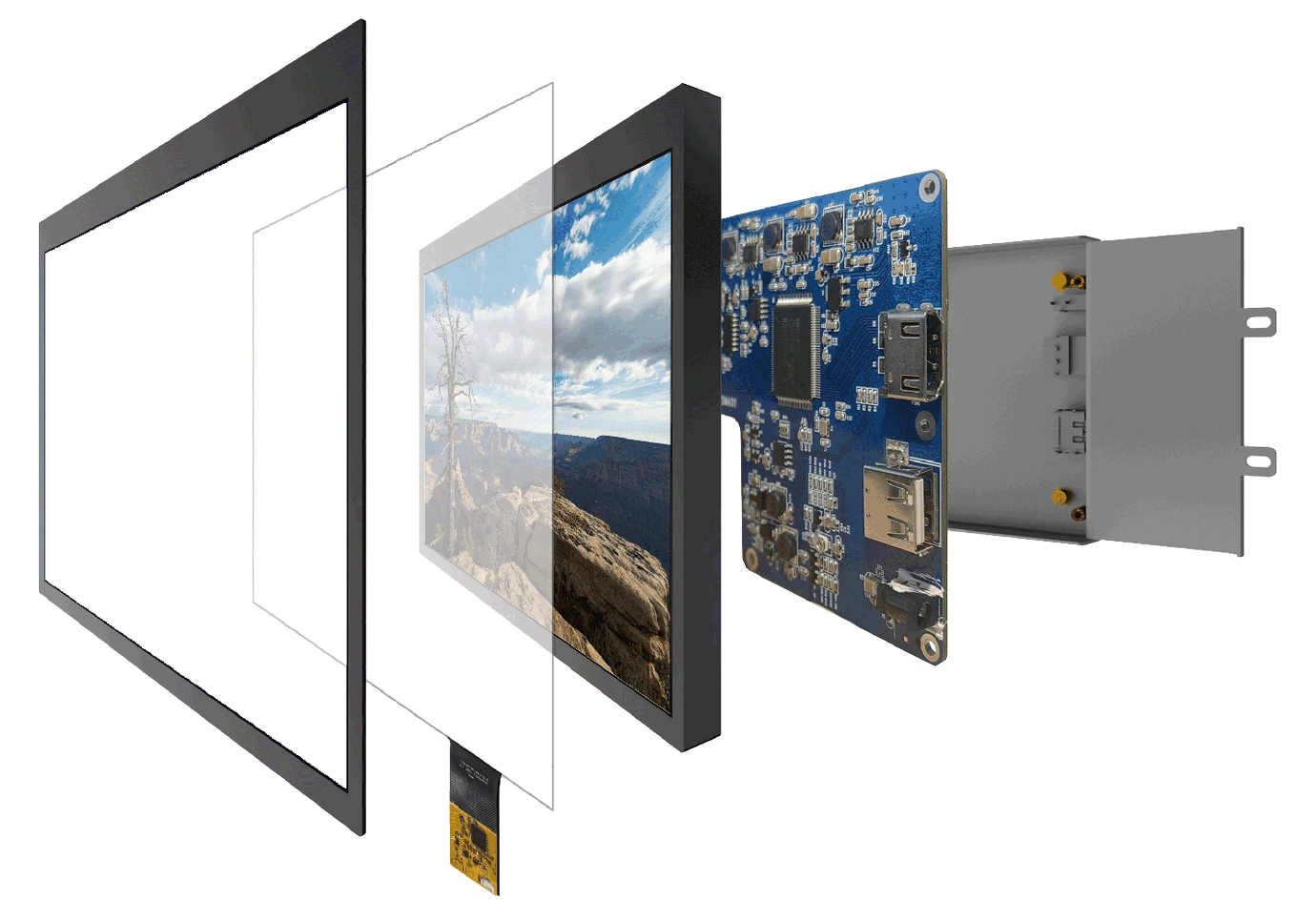
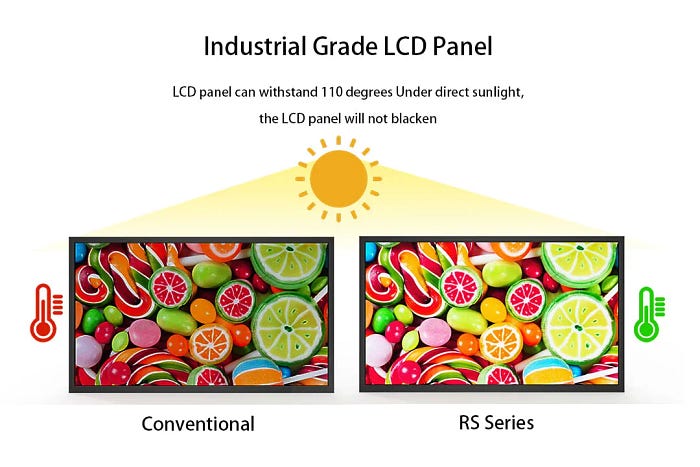
Manufacturers achieve this certification through advanced sealing techniques using silicone gaskets, UV-resistant polycarbonate covers, and conformal coatings on printed circuit boards (PCBs). For example, many high-brightness sunlight-readable LCDs used in military vehicles incorporate an IP66 enclosure along with anti-glare coatings and laminated glass to maintain readability in direct sunlight while resisting harsh weather. These screens often feature brightness levels exceeding 5,000 nits—critical for outdoor visibility—and can withstand temperatures ranging from -30°C to +70°C.
Real-world case studies reinforce the value of IP66 waterproofing. In a 2022 deployment by Siemens for smart metering in urban infrastructure, IP66-rated industrial LCDs were installed in street-level utility cabinets exposed to seasonal flooding and dust storms. Over a two-year period, no failures were recorded due to environmental degradation—an outcome directly attributed to the IP66 compliance. Similarly, in the automotive sector, Bosch has adopted IP66-certified displays in electric vehicle charging stations across Europe, ensuring uninterrupted operation in all weather conditions without requiring frequent maintenance.
To ensure compliance, manufacturers follow IEC 60529 standards during production testing. Each unit undergoes rigorous environmental simulation including dust chamber tests (using silica sand), water jet tests (with controlled flow rates and pressures), and thermal cycling to verify long-term reliability. Additionally, third-party certification bodies such as UL and TÜV provide independent validation, which builds trust among global clients in sectors like aerospace, oil & gas, and public transportation.
For engineers designing systems for outdoor or hazardous environments, selecting an IP66 waterproof LCD is not just about meeting regulatory requirements—it’s about future-proofing performance. With rising demand for IoT-enabled devices in challenging climates, IP66-rated displays offer a balance of visibility, resilience, and cost-efficiency that supports operational continuity and reduces downtime.