RisingStar
- Home
- About Us
- Products
- News
- Video
- Contact
- Send Inquiry
Search
- Home
- About Us
- Products
- News
- Video
- Contact
- Send Inquiry
RisingStar
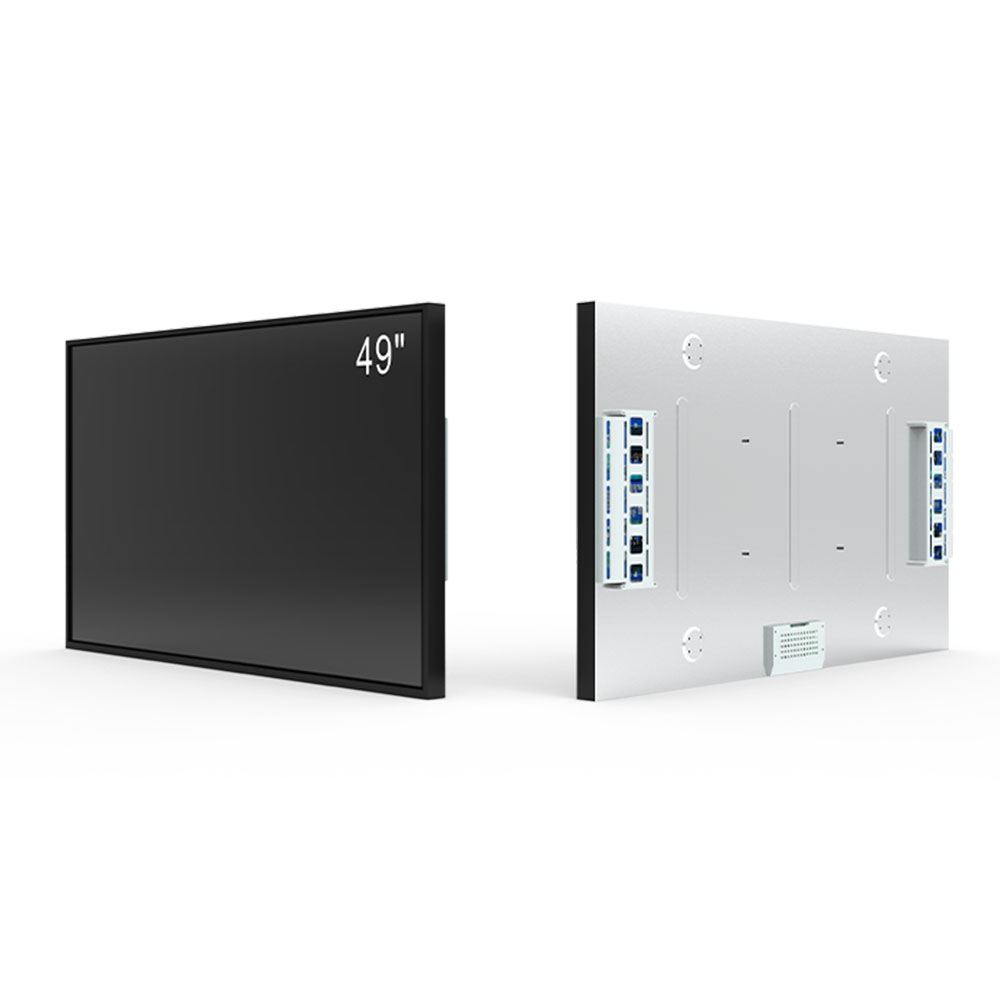
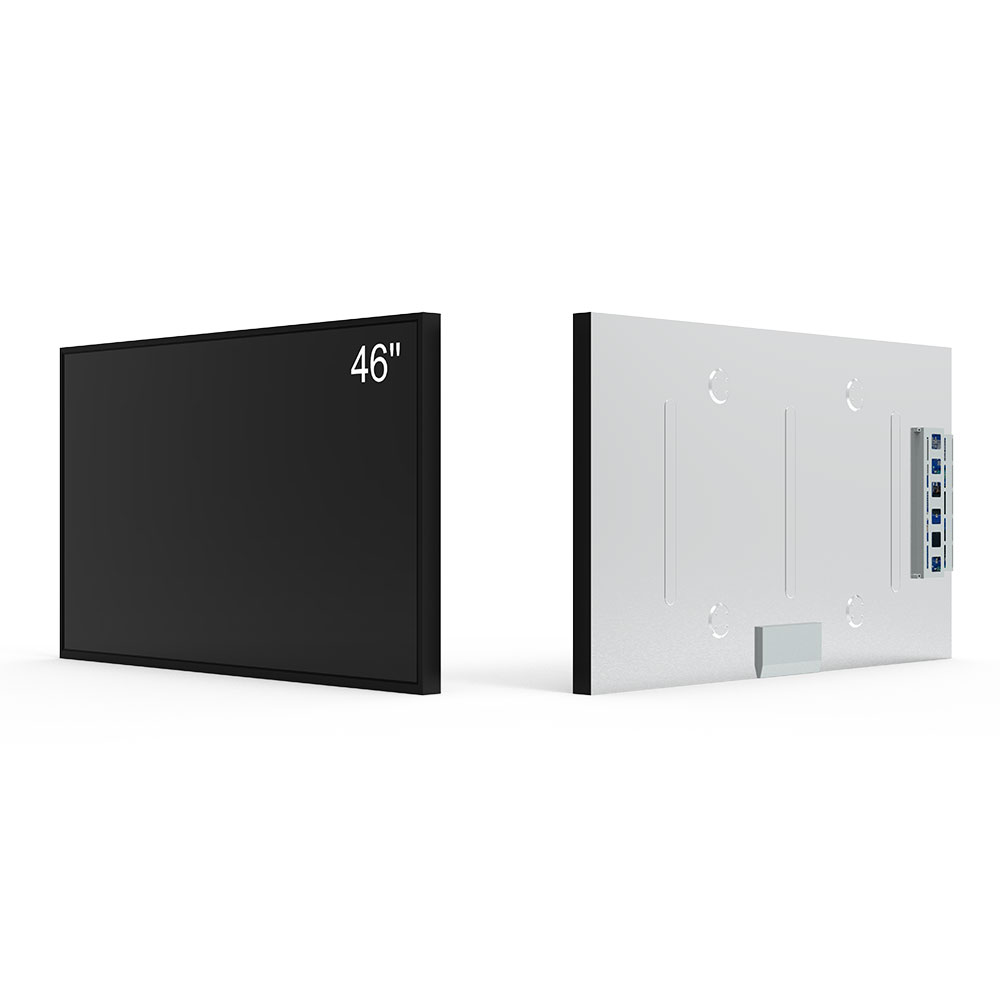
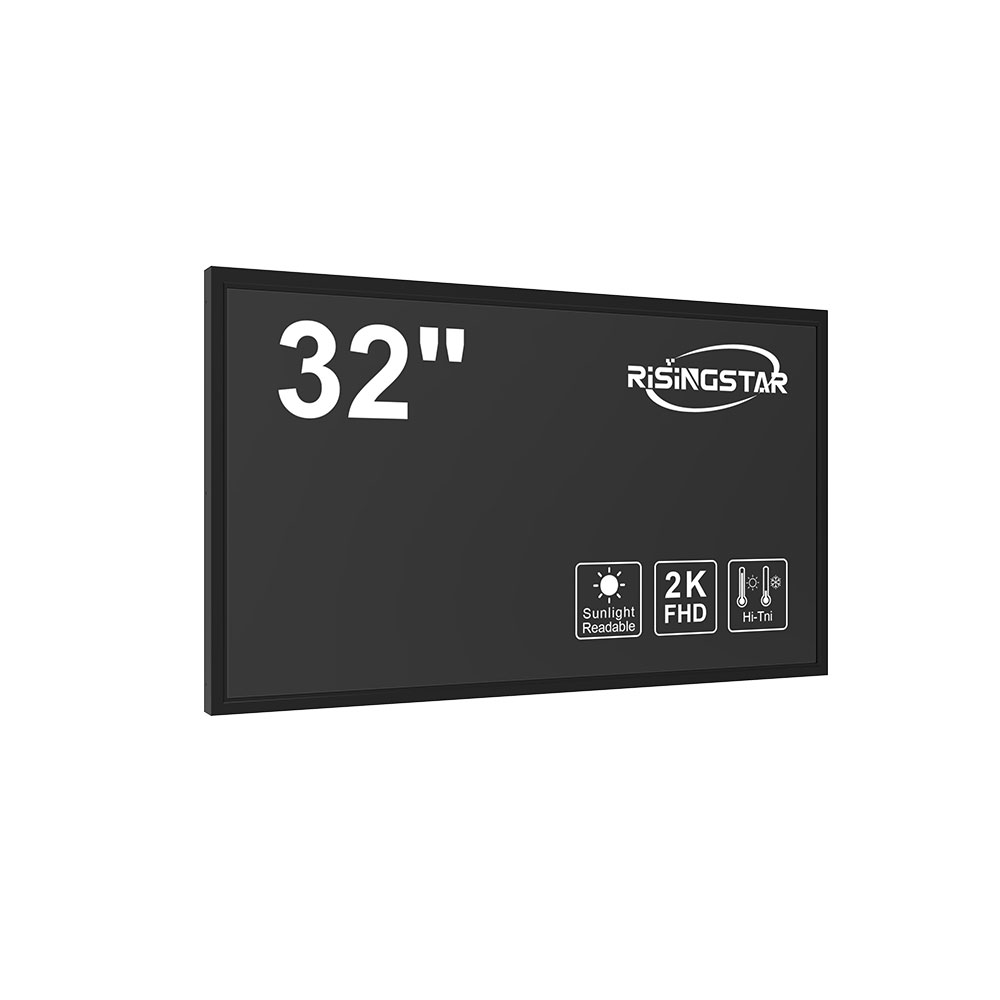
The IK10-rated high-brightness sunlight-readable LCD display represents a cutting-edge advancement in industrial-grade visual technology, engineered to deliver optimal visibility even under extreme outdoor lighting conditions. As global industries—from defense and transportation to agriculture and energy—demand reliable human-machine interfaces (HMIs) in harsh environments, the need for displays that maintain clarity in direct sunlight has become non-negotiable. The IK10 rating, part of the IEC 60529 standard for ingress protection, ensures the device is protected against water jets from any direction—a critical requirement for outdoor equipment exposed to rain, humidity, or washing down. When combined with high-luminance backlighting (typically exceeding 5,000 nits), these displays achieve true sunlight readability, making them indispensable in mobile command centers, heavy machinery dashboards, and solar farm monitoring systems.
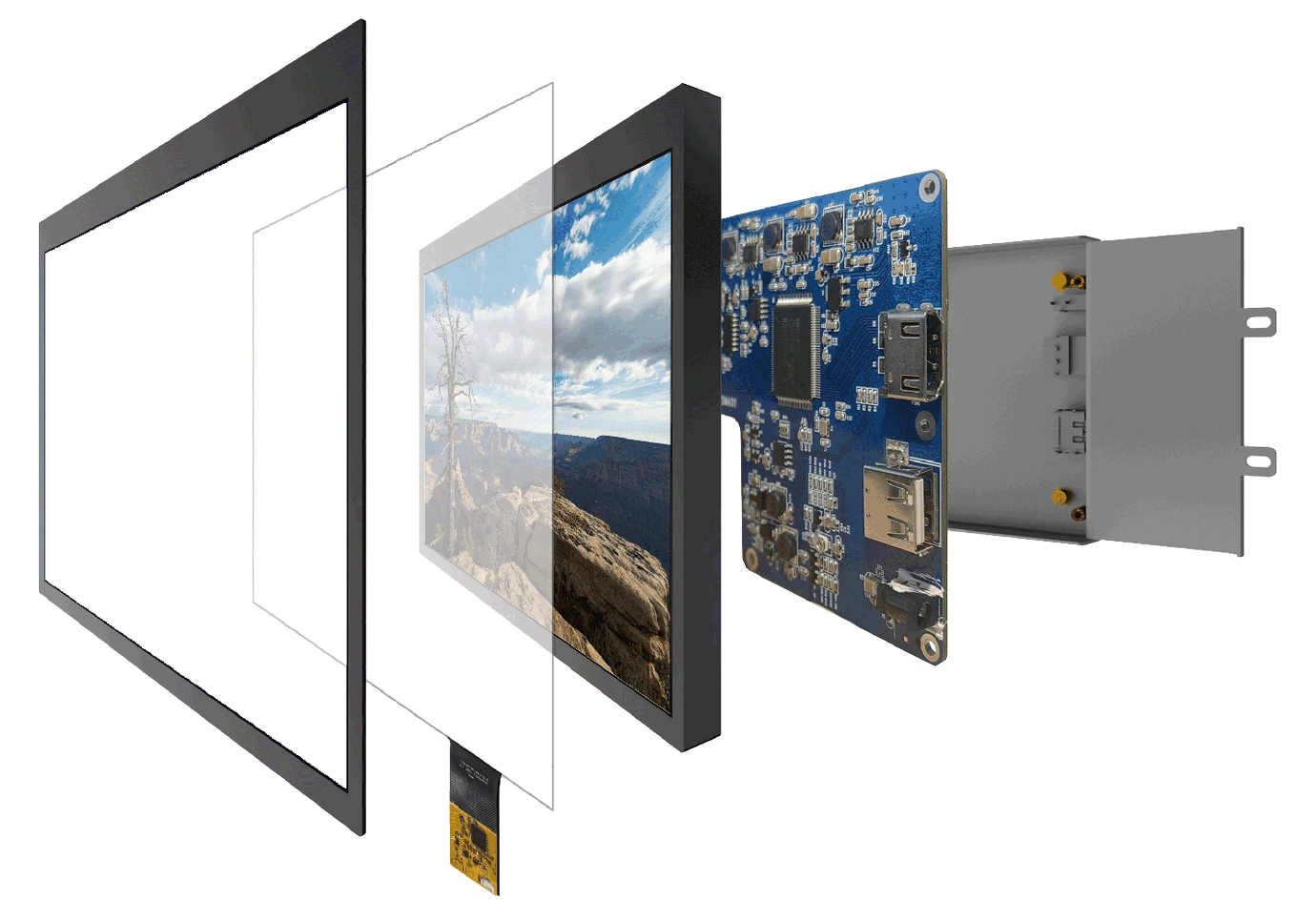
Manufacturers such as ELO Touch Solutions, LG Display, and Sharp have pioneered the integration of anti-reflective coatings, polarized filters, and high-efficiency LED backlights to achieve this performance. A typical IK10-rated LCD uses a combination of technologies: a multi-layered glass substrate with oleophobic coating to reduce glare, a wide viewing angle (up to 178°), and an integrated ambient light sensor that dynamically adjusts brightness based on environmental conditions. These features are essential not only for user comfort but also for energy efficiency—a key factor in battery-powered or remote installations where power consumption must be minimized.
Case studies from real-world deployments reinforce the reliability of IK10 displays. For example, a mining company in Australia deployed custom-designed IK10 LCDs in excavator control panels. Before implementation, operators reported frequent misreads due to sun glare, leading to operational delays and safety concerns. After switching to IK10-rated screens, productivity increased by 18%, and error rates dropped significantly. Similarly, in military field operations, the U.S. Army’s Joint Battle Command Platform (JBC-P) relies on IK10-certified displays for mission-critical navigation and communication tasks—even during full daylight exposure at desert altitudes exceeding 3,500 meters above sea level.
From an engineering standpoint, achieving both IK10 ingress protection and high-brightness requires precise thermal management. Engineers must balance heat dissipation from LEDs without compromising IP ratings, often using conductive aluminum frames and passive cooling designs. Additionally, manufacturers adhere to MIL-STD-810G shock and vibration standards to ensure long-term durability in moving vehicles or machinery. This holistic approach—combining mechanical robustness, optical optimization, and environmental resilience—is what sets IK10 LCDs apart from consumer-grade alternatives.
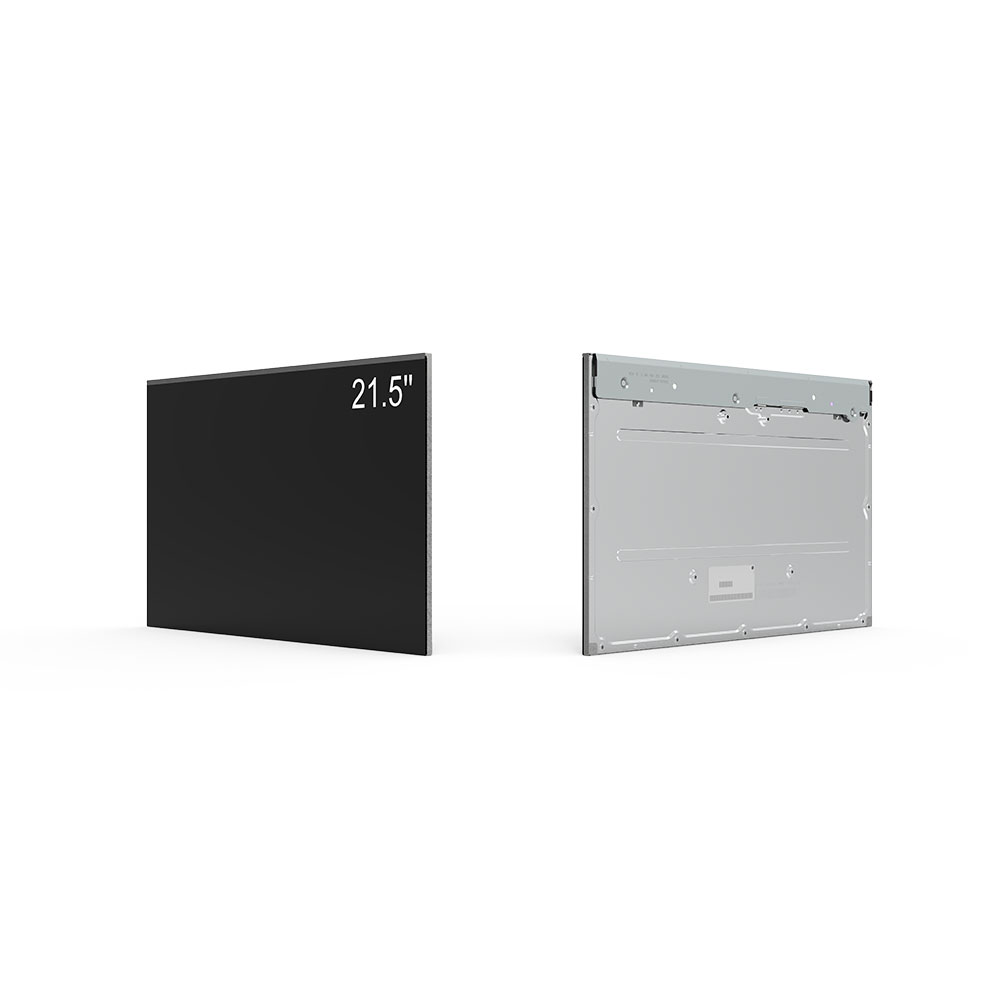
For system integrators and OEMs, selecting the right IK10 display involves evaluating not just luminance and IP ratings but also compatibility with touch technology (e.g., capacitive or resistive), operating temperature range (-30°C to +70°C), and support for ruggedized interfaces like CANbus or RS-485. With increasing demand in smart cities, autonomous vehicles, and IoT-enabled infrastructure, the future of IK10 displays lies in integration with AI-driven diagnostics and predictive maintenance systems—further enhancing their role as core components of resilient, intelligent edge computing ecosystems.