 RisingStar
- Home
- About Us
- Products
- News
- Video
- Contact
- Send Inquiry
Search
- Home
- About Us
- Products
- News
- Video
- Contact
- Send Inquiry
RisingStar
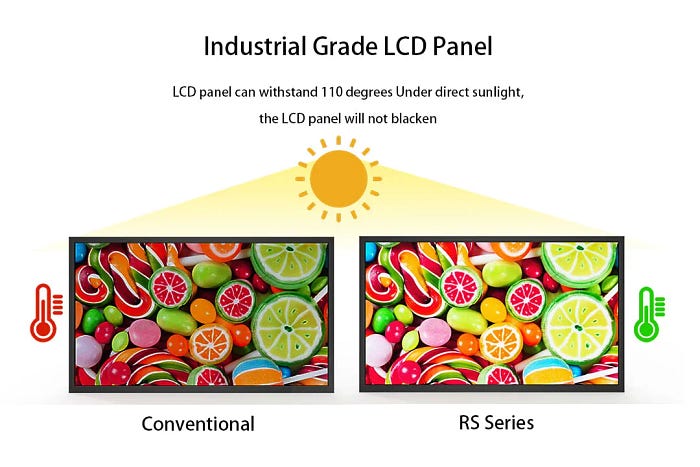
In today’s increasingly connected and mobile-driven world, high-brightness sunlight-readable LCD screens have become indispensable across industries such as transportation, military, industrial automation, medical devices, and outdoor advertising. These displays are engineered to maintain visibility under intense ambient light conditions—such as direct sunlight or bright indoor lighting—where conventional LCDs fail due to low contrast and poor readability.
The core of a sunlight-readable LCD lies in its ability to deliver luminance levels typically exceeding 5,000 nits, often reaching up to 10,000 nits or more. This is significantly higher than standard indoor LCDs, which usually operate at 300–500 nits. To achieve this, manufacturers employ advanced backlighting technologies like LED arrays with high-efficiency drivers, optical enhancement films (OEF), and anti-reflection coatings that minimize glare and maximize contrast ratio—even under extreme sunlight exposure.
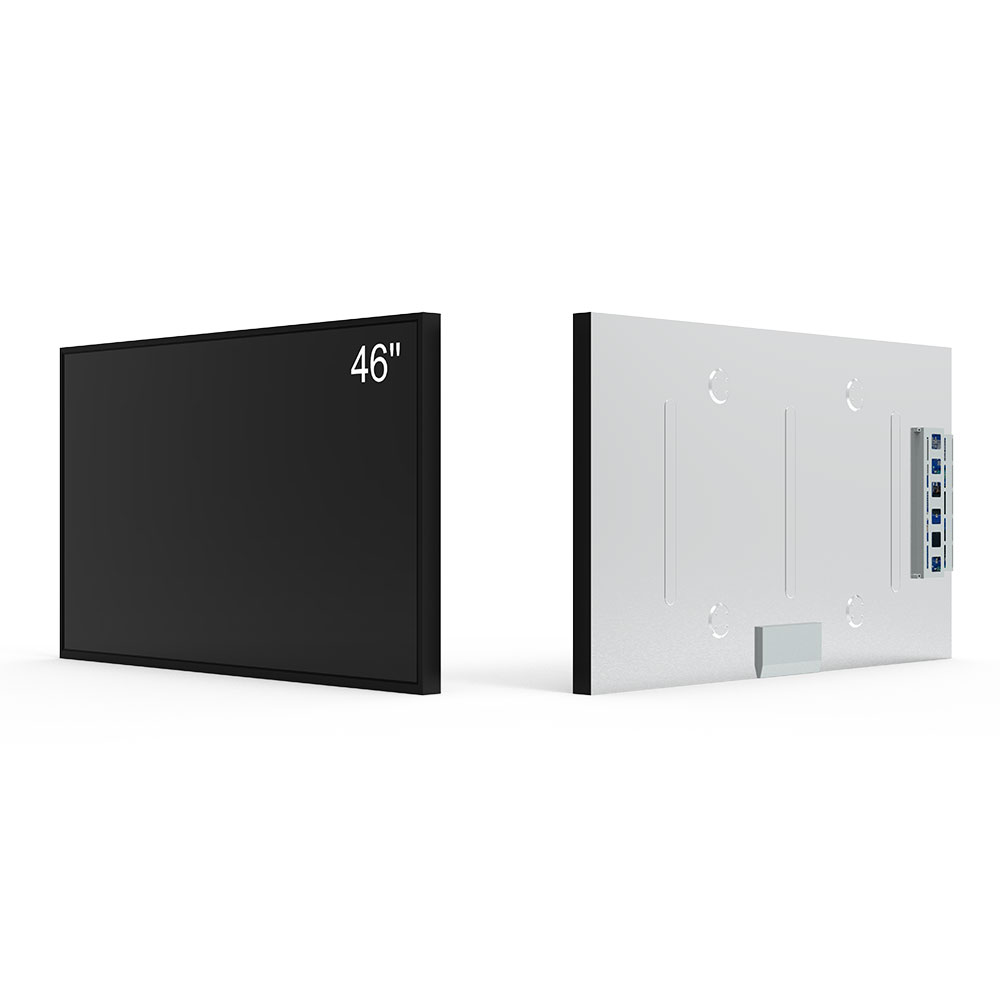
One key innovation is the use of transflective liquid crystal technology, where the display combines both transmissive (for indoor use) and reflective (for sunlight) modes. In bright environments, the reflective layer uses ambient light to illuminate the screen without relying on the backlight, thus reducing power consumption while maintaining visibility. This hybrid approach is widely used in ruggedized handheld devices like GPS units, field service tablets, and military-grade displays.
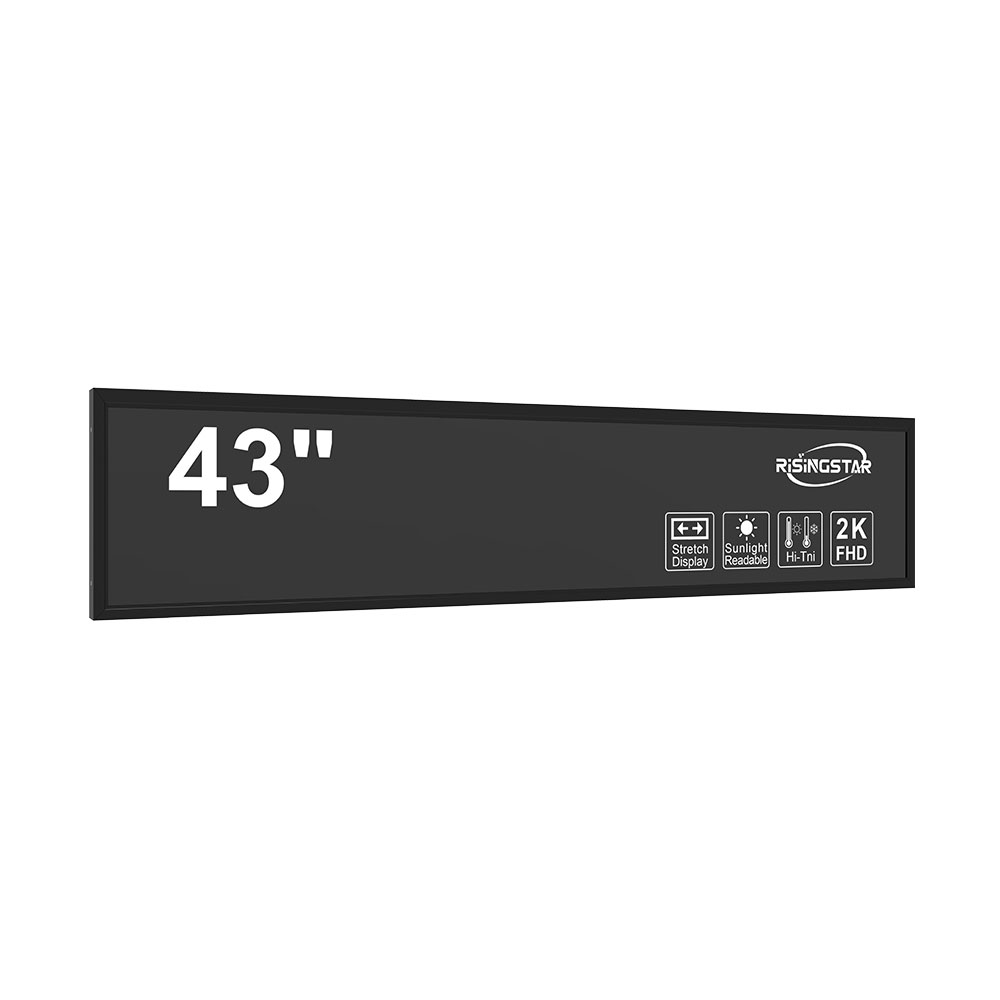
Another critical factor is the integration of digital brightness control algorithms. Modern systems use ambient light sensors to dynamically adjust brightness based on environmental conditions. This not only improves readability but also enhances energy efficiency—a crucial feature for battery-powered devices deployed in remote locations. For example, a study by the Society for Information Display (SID) found that adaptive brightness control can reduce power usage by up to 40% in outdoor mobile applications without compromising image quality.
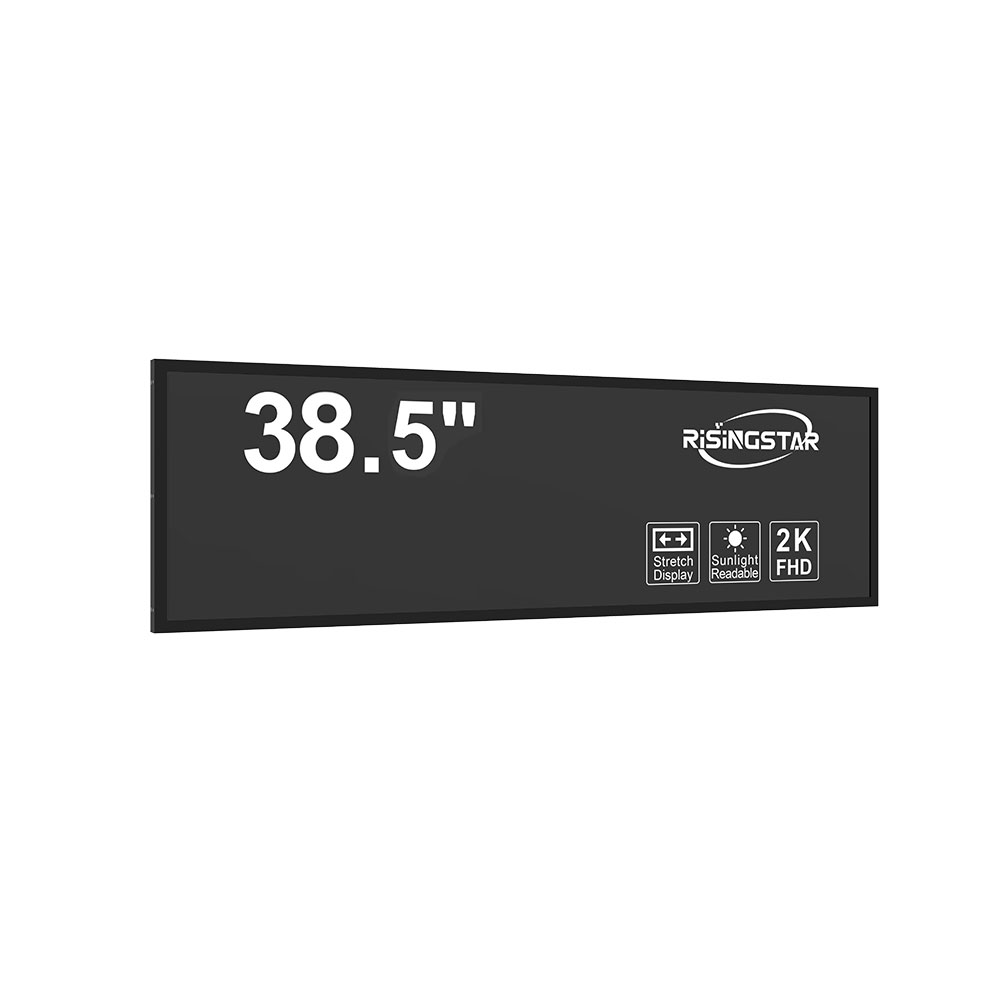
Case studies demonstrate real-world success. In a 2022 deployment by Siemens for an outdoor smart metering system in Arizona, a 7,000-nit transflective LCD maintained full functionality during peak solar hours (10 AM–3 PM), whereas traditional displays became unreadable. Similarly, the U.S. Department of Defense has standardized on 5,000+ nit sunlight-readable displays for battlefield command systems, citing improved situational awareness in open-field operations.
Manufacturers must also adhere to international standards such as MIL-STD-810G for environmental durability and IEC 60068 for shock and vibration resistance. These certifications ensure reliability in harsh climates—from -30°C to +70°C operating temperatures—and protection against dust, moisture, and mechanical stress.
For developers and integrators, selecting the right sunlight-readable LCD involves evaluating parameters like viewing angle (typically >140° horizontal), response time (<15ms), and compatibility with embedded processors or GPUs. Leading suppliers include LG Display, Sharp, and Innolux, who offer modular solutions tailored for OEMs in automotive dashboards, kiosks, and portable medical monitors.
As outdoor digital interfaces grow more complex—with features like touch sensitivity, multi-touch gestures, and 4K resolution—the demand for ultra-bright, low-power, and durable LCDs continues to rise. The future lies in combining AI-driven brightness optimization, micro-LED backlighting, and quantum dot-enhanced color gamut to push the boundaries of performance and usability in any lighting condition.