RisingStar
- Home
- About Us
- Products
- News
- Video
- Contact
- Send Inquiry
Search
- Home
- About Us
- Products
- News
- Video
- Contact
- Send Inquiry
RisingStar
Ultra bright screen technology has become a cornerstone of modern display innovation, especially in environments where ambient light conditions are extreme—such as outdoor signage, automotive dashboards, military equipment, and industrial control panels. These screens are engineered to maintain visibility under direct sunlight, often exceeding 5,000 nits of brightness, which is significantly higher than standard indoor displays that typically range from 200 to 500 nits.
The core principle behind ultra bright screens lies in advanced backlighting systems, such as high-efficiency LED arrays or quantum dot-enhanced lighting modules, combined with anti-reflective coatings and polarization filters. For instance, the use of local dimming techniques allows specific regions of the screen to increase luminance dynamically without increasing overall power consumption—a crucial factor for battery-powered devices like drones or handheld field equipment. According to a 2023 report by Grand View Research, the global high-brightness LCD market is projected to grow at a CAGR of 7.2% from 2023 to 2030, driven largely by demand from the automotive and defense sectors.
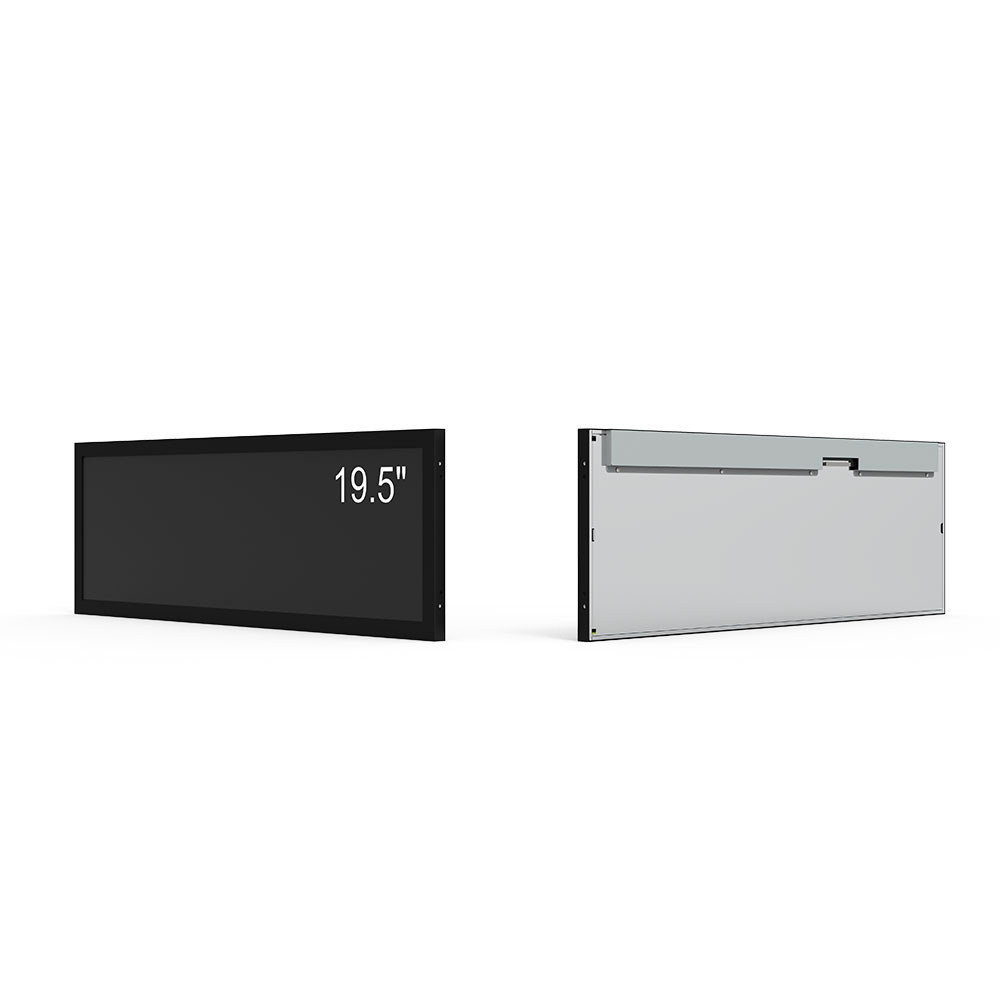
In the automotive industry, ultra bright screens are now standard in premium EVs like Tesla Model S and BMW iX, where infotainment systems must remain legible even in midday sun. Similarly, in defense applications, ruggedized ultra bright displays are used in fighter jets and ground vehicles, meeting MIL-STD-810G standards for shock resistance, temperature extremes, and optical clarity. The U.S. Department of Defense has prioritized sunlight-readable displays since the early 2000s, particularly after operational failures in Iraq and Afghanistan due to poor visibility in desert conditions.
Manufacturers such as LG Display, BOE Technology, and Sharp have developed proprietary solutions like “Sunlight Readable” OLEDs and IPS panels with enhanced contrast ratios (up to 5000:1), making them suitable for medical imaging devices in emergency response units or construction site monitoring tools. These advancements are also supported by emerging technologies like microLED, which offers superior brightness (>10,000 nits) and energy efficiency over traditional LCDs.
From an engineering perspective, achieving ultra-high brightness without compromising color accuracy or lifespan requires precise calibration of white balance, gamma correction, and thermal management. Engineers often utilize real-time ambient light sensors integrated into the display system to adjust brightness automatically—a feature now common in smartphones like Samsung Galaxy S24 Ultra and Apple iPhone 15 Pro Max.
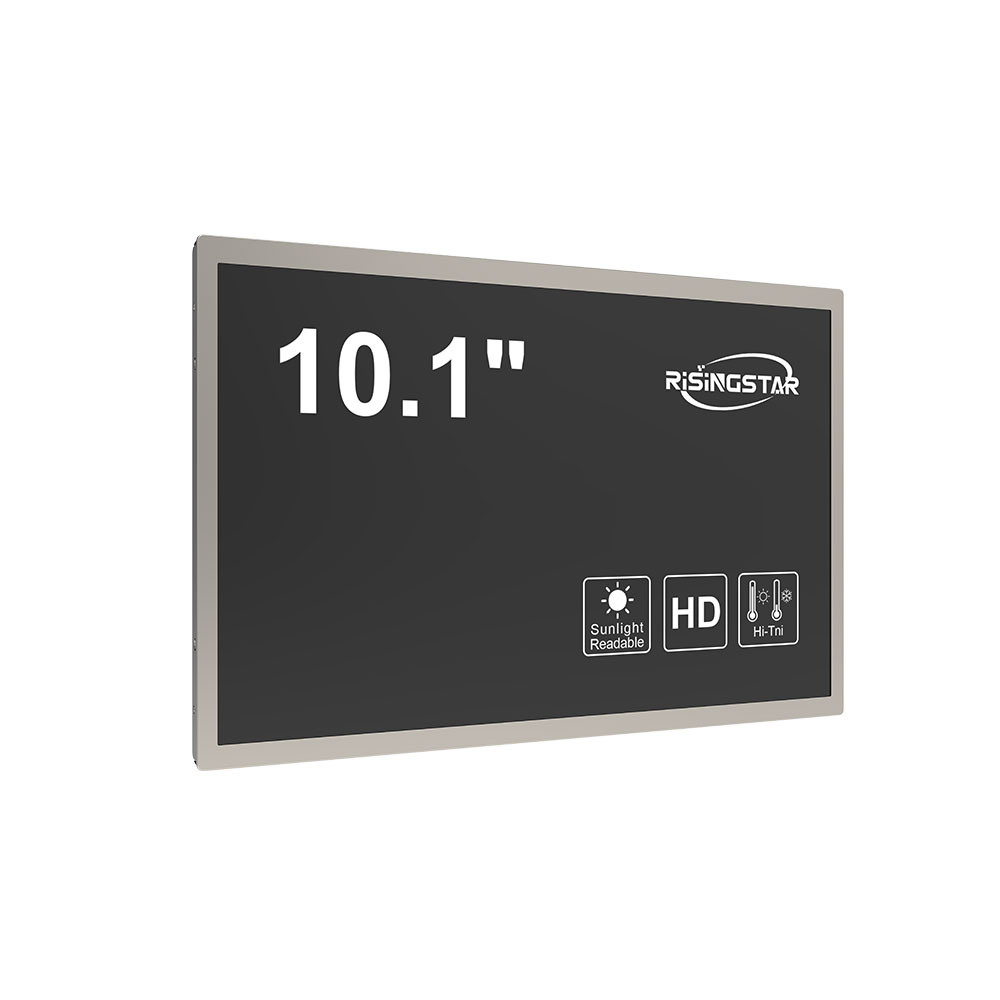
As digital interfaces expand beyond traditional screens into AR/VR headsets, smart glasses, and transparent displays, the need for ultra bright, low-power, and highly durable screens will only intensify. With ongoing R&D in organic LEDs, nanophotonics, and AI-driven brightness optimization, ultra bright screen technology is set to redefine how humans interact with digital content across diverse environments—from desert highways to space stations.