RisingStar
- Home
- About Us
- Products
- News
- Video
- Contact
- Send Inquiry
Search
- Home
- About Us
- Products
- News
- Video
- Contact
- Send Inquiry
RisingStar
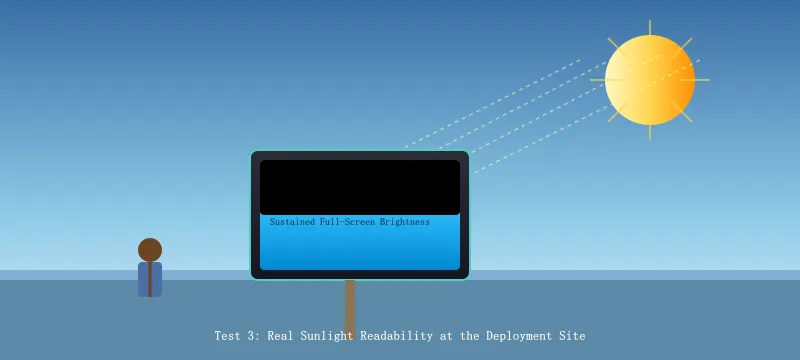
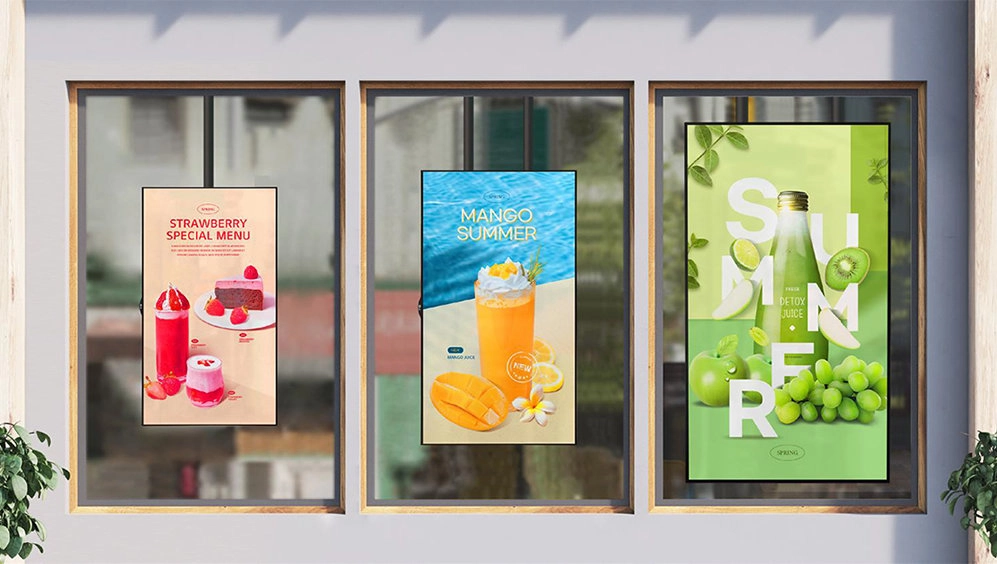
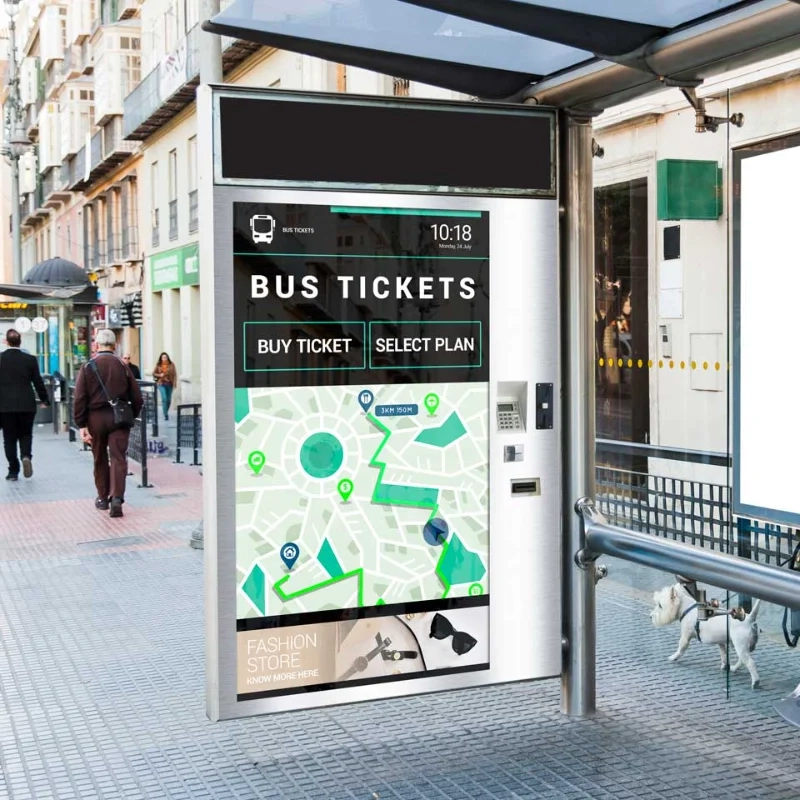
In today’s increasingly connected and mobile-driven world, high-brightness sunlight-readable LCD screens have become indispensable in outdoor environments where visibility under direct sunlight is critical. These displays are engineered to maintain clarity, contrast, and responsiveness even when exposed to intense solar radiation—making them essential in industries such as transportation, defense, medical equipment, agriculture, and public information systems.
The core technology behind high-brightness sunlight-readable LCDs lies in their ability to overcome the primary challenge of ambient light interference. Standard LCDs often suffer from poor visibility in bright conditions due to low peak brightness (typically 250–350 cd/m²), which is insufficient for outdoor use. In contrast, high-brightness sunlight-readable displays achieve luminance levels of 3,000 to 10,000 cd/m²—sometimes exceeding 15,000 cd/m² in military-grade applications—as defined by MIL-STD-3009 and other international display standards. This level of brightness ensures readability not only under full sun but also in shaded or variable lighting conditions.
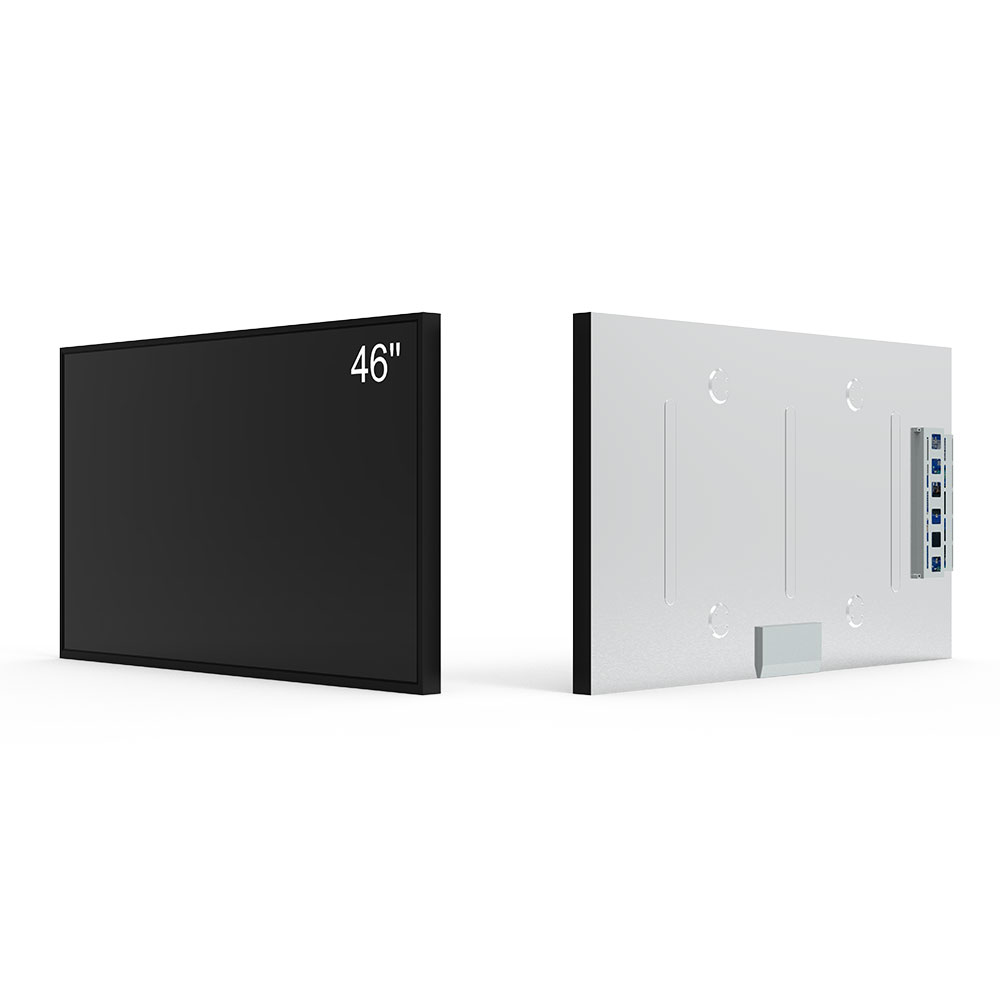
To achieve this performance, manufacturers integrate several key innovations. First, advanced backlighting technologies—such as LED arrays with high-efficiency phosphors and precise optical diffusion layers—deliver uniform illumination across the screen. Second, anti-reflective coatings and polarized filters reduce glare while preserving color accuracy. Third, adaptive brightness control algorithms dynamically adjust luminance based on ambient light sensors, balancing power consumption and visibility—a feature especially crucial in battery-powered devices like handheld field scanners or tactical displays.
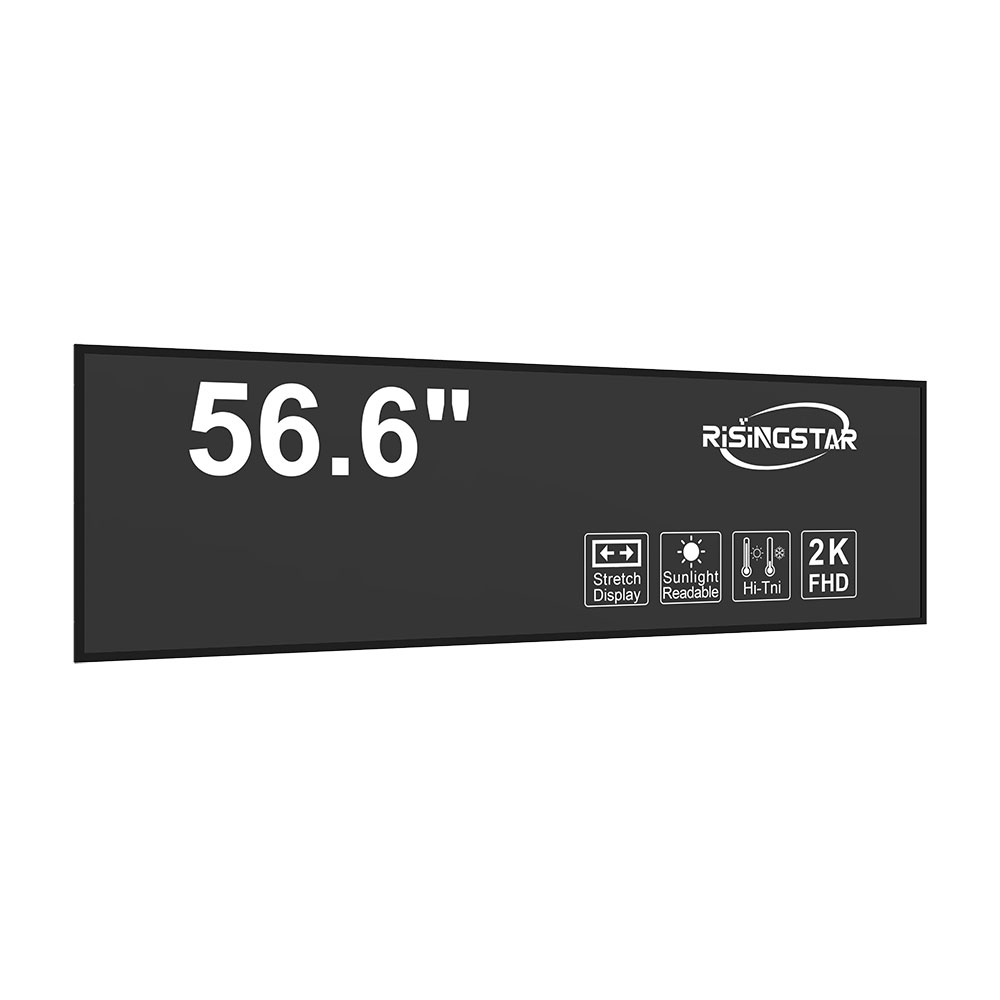
Another critical factor is the use of transflective liquid crystal cells, which combine transmissive and reflective modes. In daylight, the screen uses ambient light via a built-in reflector layer; in low-light conditions, it switches to active backlighting. This dual-mode operation dramatically improves energy efficiency without compromising usability. Case studies from automotive OEMs (e.g., Volvo, Toyota) show that vehicles equipped with transflective displays experienced up to 40% less power draw from the vehicle's electrical system compared to fully backlit alternatives.
Manufacturers must also consider environmental durability. High-brightness sunlight-readable LCDs used in harsh climates undergo rigorous testing per IEC 60068 standards, including thermal cycling (-30°C to +70°C), humidity resistance, and shock/vibration endurance. For example, the U.S. Department of Defense has mandated the use of these displays in unmanned ground vehicles (UGVs) due to their robustness and reliability in combat zones.
Recent advancements in OLED-based sunlight-readable panels are pushing boundaries further. While traditional LCDs dominate due to cost and maturity, OLEDs offer superior contrast ratios and faster response times—ideal for real-time data visualization in aviation or maritime navigation. However, achieving sufficient brightness (over 5,000 cd/m²) without excessive heat generation remains a technical hurdle being addressed through micro-LED integration and quantum dot enhancements.
For developers and engineers selecting components for outdoor systems, understanding the balance between brightness, power efficiency, and environmental resilience is paramount. Proper evaluation includes measuring contrast ratio under direct sunlight using standardized photometric tools, verifying compatibility with touch interfaces (especially glove-friendly capacitive touch), and ensuring compliance with regulatory standards like RoHS, REACH, and CE Marking.
As global demand grows—from smart city kiosks in Dubai to agricultural drones in Brazil—manufacturers are investing heavily in R&D to improve both performance and sustainability. The future lies in intelligent displays that adapt not just to light but to user intent, leveraging AI-driven brightness optimization and predictive maintenance features. Whether deployed in extreme temperatures or remote locations, high-brightness sunlight-readable LCDs continue to redefine what’s possible in human-machine interaction outdoors.