RisingStar
- Home
- About Us
- Products
- News
- Video
- Contact
- Send Inquiry
Search
- Home
- About Us
- Products
- News
- Video
- Contact
- Send Inquiry
RisingStar
High-brightness sunlight-readable LCD screens are essential components in modern industrial, military, and outdoor environments where visibility under direct sunlight is critical. Among the most commonly used display ratios for specialized applications—especially in ruggedized and mission-critical systems—is the 4:3 aspect ratio. This article explores why 4:3 displays (specifically 15", 17", and 19" sizes) remain dominant in sectors such as defense, transportation, medical equipment, and field service tools, and how advanced backlighting, anti-reflection coatings, and high-luminance technologies make these screens perform reliably even in extreme lighting conditions.
The 4:3 aspect ratio, historically associated with CRT monitors and early computer displays, has seen a resurgence in niche markets due to its compatibility with legacy systems and optimal screen real estate for displaying data-rich content like spreadsheets, schematics, and control panels. In contrast to widescreen 16:9 formats that prioritize video and multimedia, 4:3 screens provide better vertical space utilization—critical for text-heavy interfaces in aviation dashboards, tactical displays, and industrial control rooms. For instance, the U.S. Department of Defense often specifies 4:3 displays for ground vehicle and aircraft-mounted systems because they reduce cognitive load during high-stress operations by maintaining consistent layout fidelity across devices.
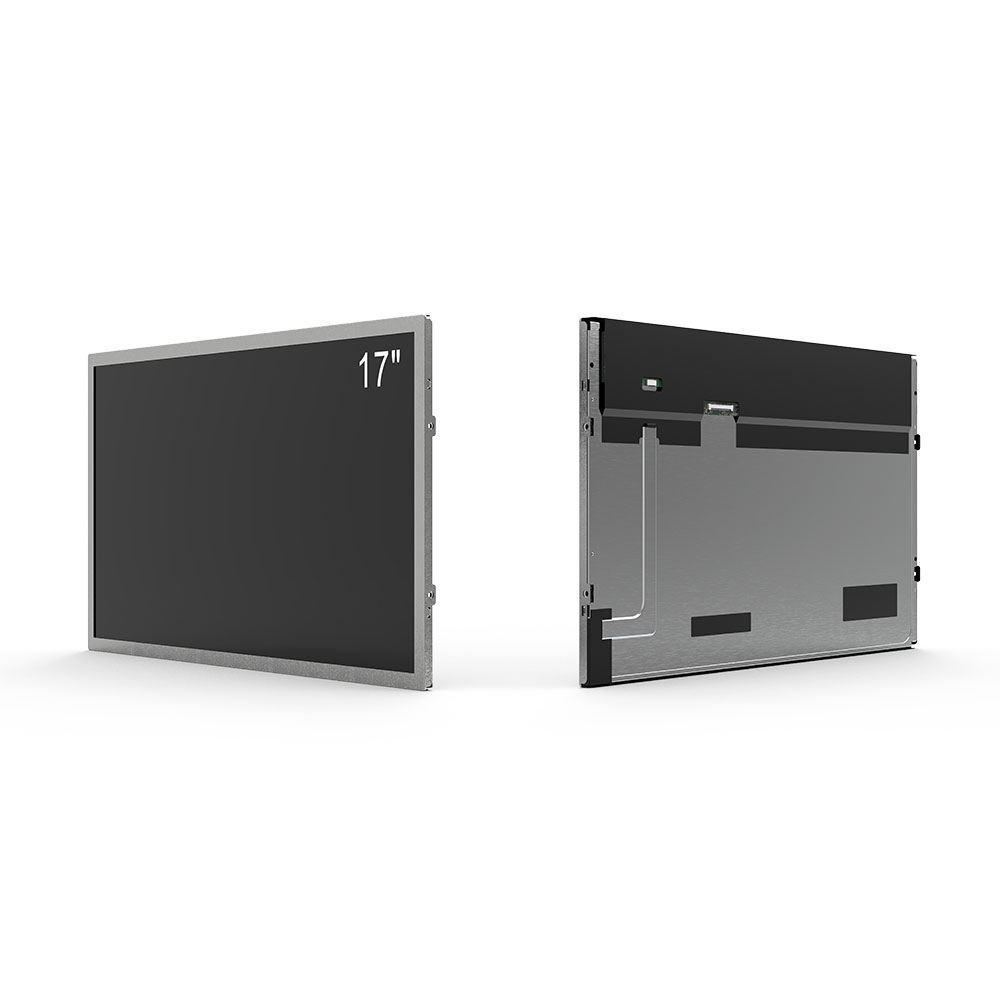
Manufacturers such as Eizo, LG Display, and CMO (Chimei Optoelectronics) have developed specialized high-brightness LCDs rated at 5000 nits or more for sunlight readability. These screens integrate advanced LED backlights with precision optical films and multi-layer anti-glare coatings that minimize ambient light reflection while maximizing luminance. The 15", 17", and 19" form factors are particularly popular in handheld and embedded systems because they balance portability with usability—ideal for field engineers, mobile command centers, and portable medical diagnostics units.
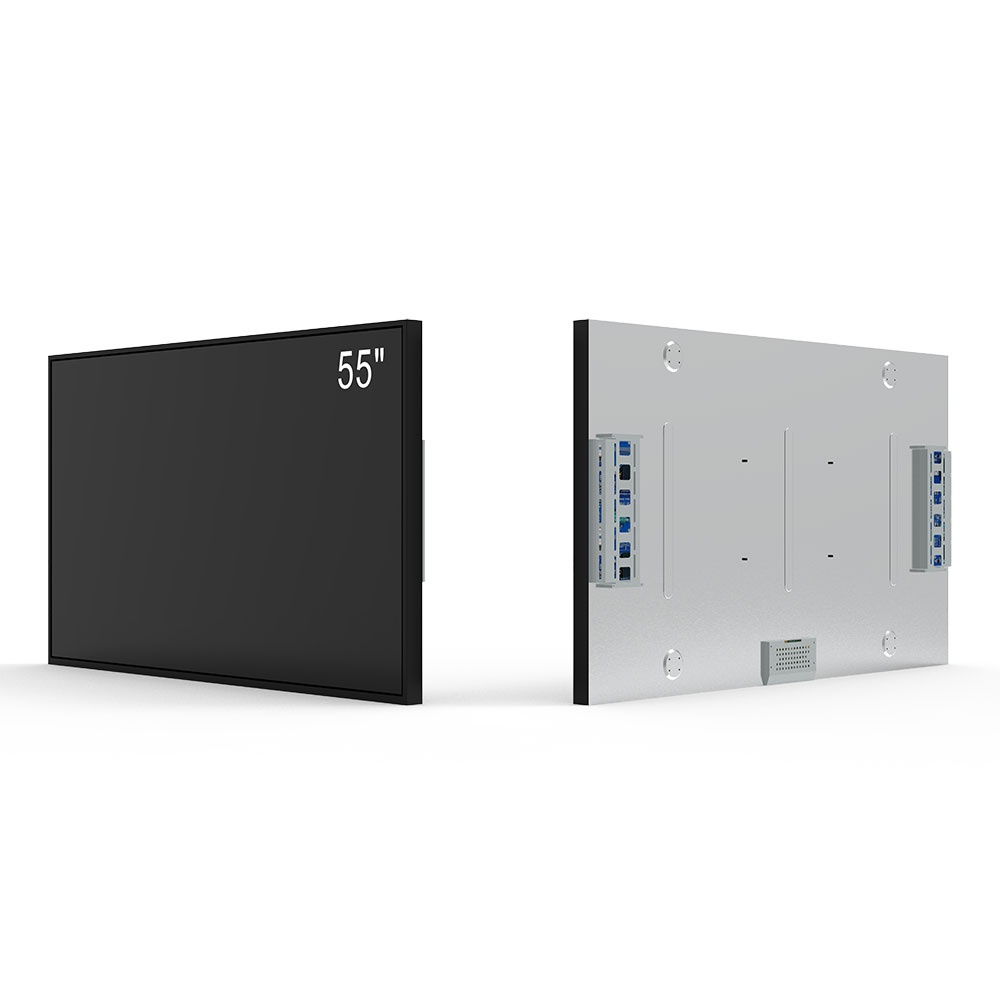
According to a 2023 report from MarketsandMarkets, the global market for sunlight-readable displays is projected to reach $4.2 billion by 2028, growing at a CAGR of 7.3%. Key drivers include increased adoption in autonomous vehicles, smart city infrastructure, and military UAVs. Industry standards such as MIL-STD-810G and IEC 60068-2-1 specify environmental durability, while ISO 16750 ensures performance under vibration, shock, and temperature extremes—all crucial for reliable operation in off-grid or combat scenarios.
Case studies from companies like BAE Systems and Honeywell highlight successful deployment of 15" and 17" 4:3 sunlight-readable displays in armored vehicles and maintenance tablets. These displays maintained full functionality under direct sun exposure (>100,000 lux), whereas standard consumer-grade LCDs failed within minutes. Additionally, newer OLED-based solutions are emerging but still lag behind LED-backlit LCDs in terms of brightness stability and long-term reliability in harsh environments.
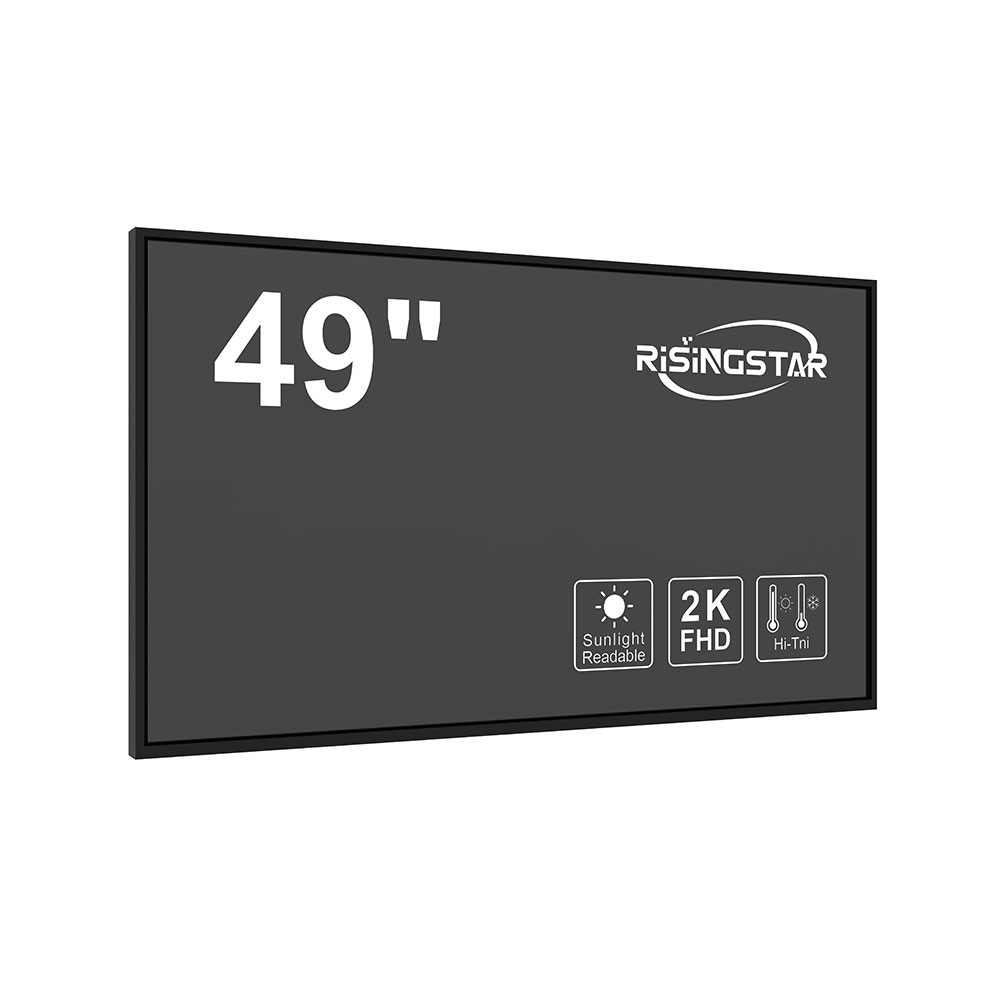
In conclusion, the continued relevance of 4:3 aspect ratio displays in professional settings stems from their proven utility in data-dense, high-stakes environments. When paired with ultra-high brightness (5000+ nits), wide viewing angles, and ruggedized housings, 15", 17", and 19" models offer unmatched clarity and operational resilience in sunlight—a necessity not just for convenience, but for safety and mission success.