RisingStar
- Home
- About Us
- Products
- News
- Video
- Contact
- Send Inquiry
Search
- Home
- About Us
- Products
- News
- Video
- Contact
- Send Inquiry
RisingStar
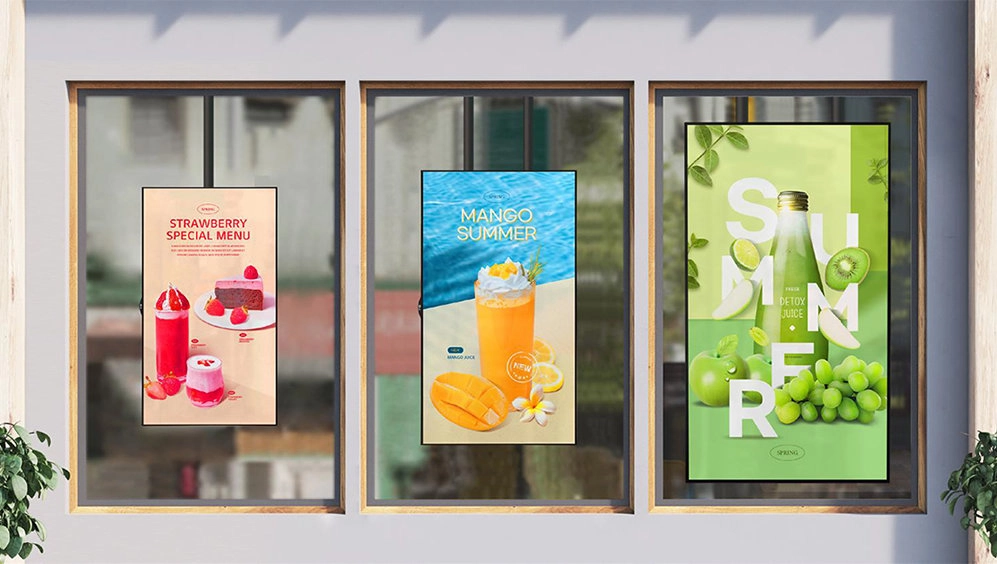
Outdoor digital signage images have become a cornerstone of modern marketing strategies, especially in high-traffic urban environments such as shopping malls, transportation hubs, and public spaces. These dynamic visual displays go beyond static billboards by offering real-time content updates, interactivity, and targeted messaging—making them indispensable tools for brands aiming to capture attention in bright sunlight and diverse weather conditions. According to the Digital Signage Federation (DSF), the global outdoor digital signage market is projected to exceed $28 billion by 2027, driven by advancements in LED technology, higher brightness levels, and smart content management systems.
The key differentiator between conventional signage and high-brightness sunlight-readable LCD screens lies in their ability to maintain clarity under direct sunlight. Standard indoor displays fail at ambient light intensities above 5,000 lux, while professional-grade outdoor digital signage must operate effectively at over 100,000 lux—a threshold common in midday sun. This requires specialized backlighting solutions such as high-lumen LEDs, anti-glare coatings, and optimized contrast ratios. For instance, LG’s Outdoor OLED panels and Samsung’s The Wall series utilize proprietary pixel-level brightness control to ensure readability even during peak solar exposure.
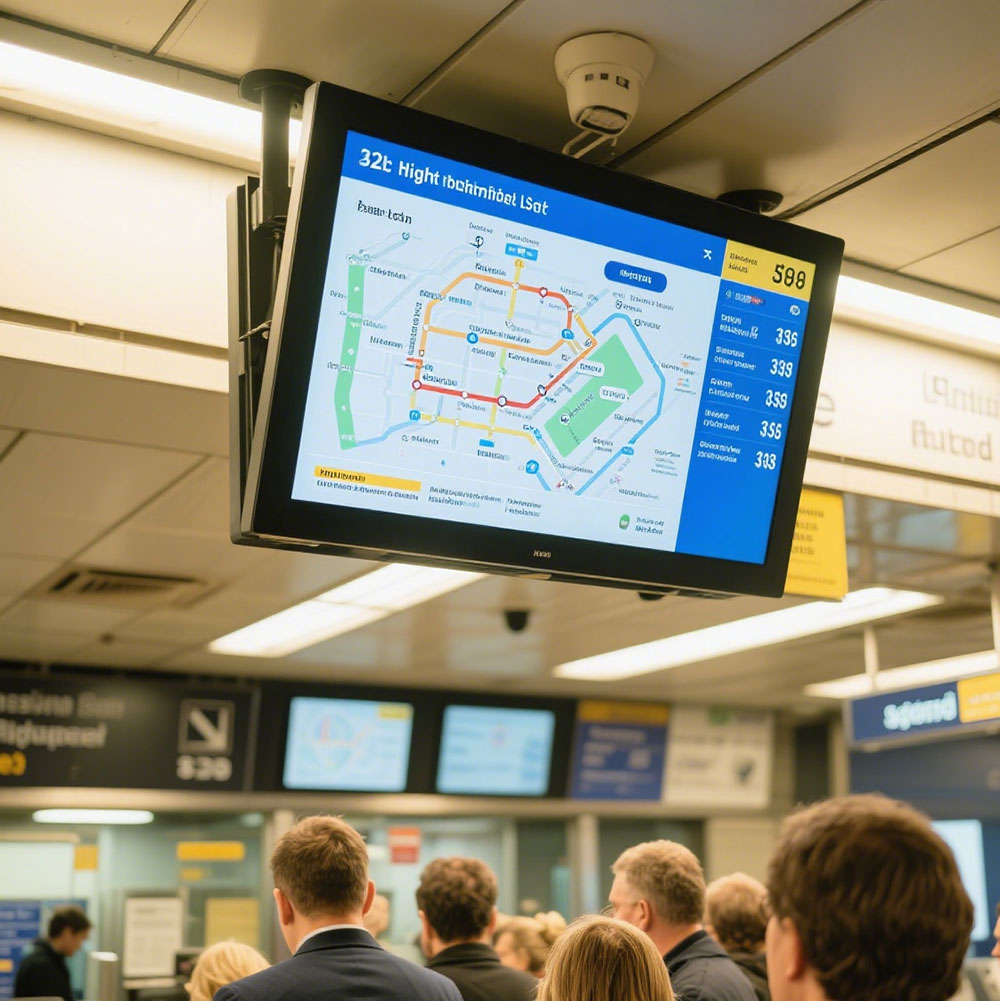
Moreover, outdoor digital signage images are not just about visibility—they’re about engagement. Case studies from companies like JCDecaux and Cineplex show that digital kiosks displaying motion graphics, live social media feeds, or localized weather alerts generate up to 40% more dwell time compared to static posters. In airports, such as London Heathrow, digital signage with dynamic visuals increases passenger satisfaction scores by providing real-time flight updates, directional guidance, and brand-sponsored content—all tailored to regional demographics.
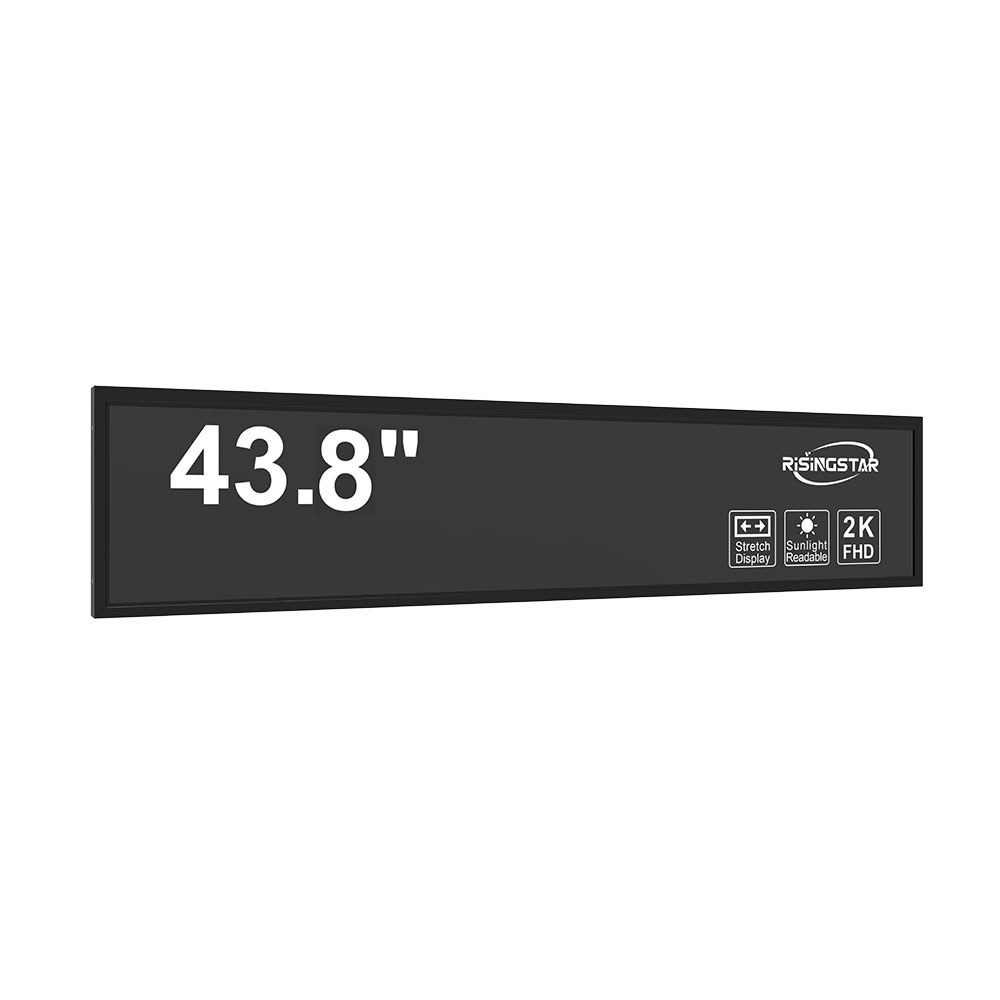
From a technical standpoint, successful deployment hinges on environmental resilience. IP65-rated enclosures protect against dust and water ingress, while wide operating temperature ranges (-30°C to +60°C) ensure functionality in both arctic winters and desert summers. Additionally, energy efficiency is critical; many modern outdoor displays now use adaptive brightness control based on ambient light sensors, reducing power consumption by up to 40% without compromising image quality.
Content strategy also plays a pivotal role. High-resolution images (minimum 1920x1080 resolution, preferably 4K) with optimized compression formats (like H.265) allow fast streaming across networks without lag. Platforms like Screenly OSE and Yodeck enable remote content scheduling, making it possible to rotate ads, promote seasonal campaigns, or even push emergency notifications instantly—an essential feature in disaster-prone regions like Japan or Florida.
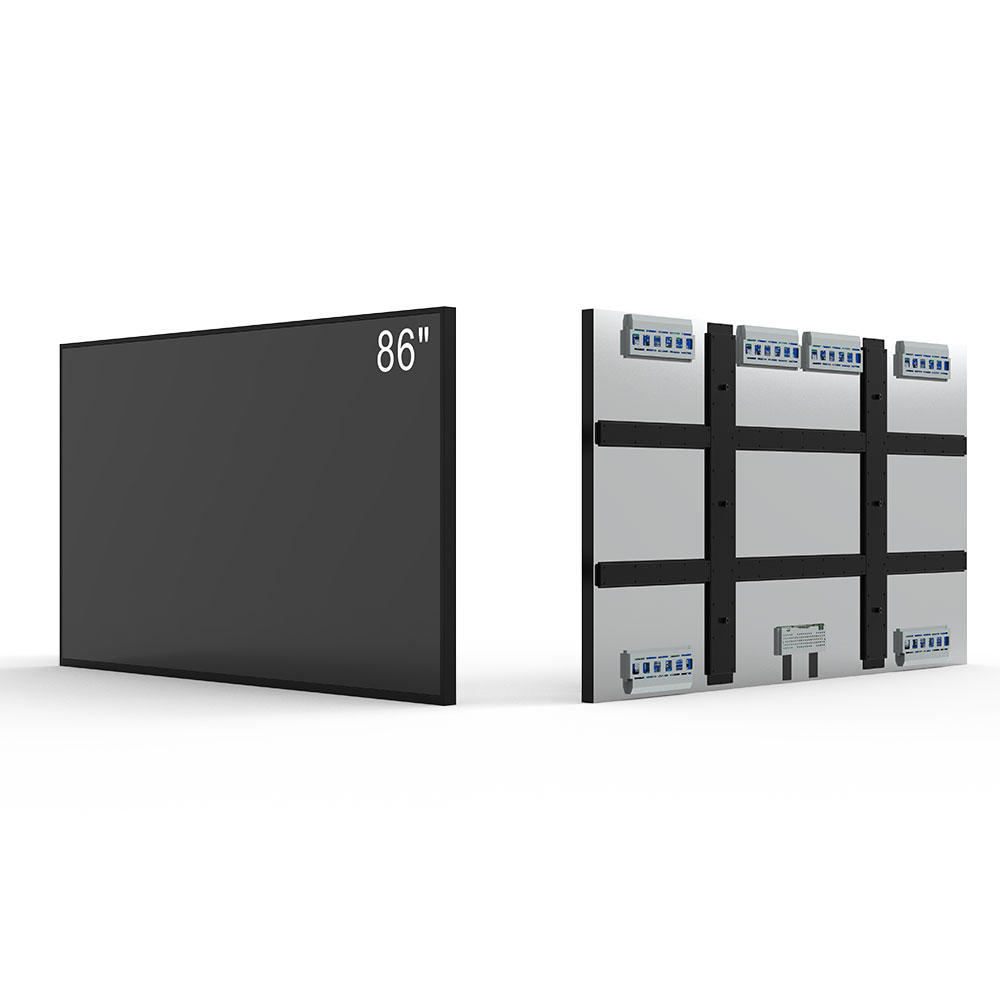
Ultimately, outdoor digital signage images serve as a powerful bridge between brand identity and audience behavior. Whether it's a city council promoting sustainability initiatives through animated infographics or a retail chain showcasing limited-time offers in real time, these screens transform passive observation into active engagement. As mobile-first consumers increasingly rely on visual cues in public spaces, investing in robust, sunlight-readable digital signage isn't just strategic—it's necessary for long-term brand relevance.