RisingStar
- Home
- About Us
- Products
- News
- Video
- Contact
- Send Inquiry
Search
- Home
- About Us
- Products
- News
- Video
- Contact
- Send Inquiry
RisingStar
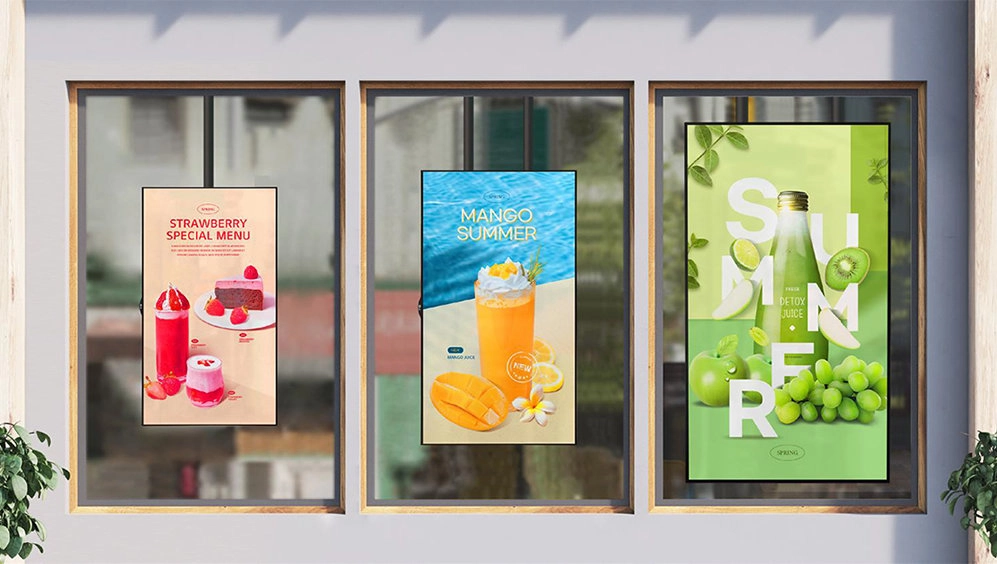
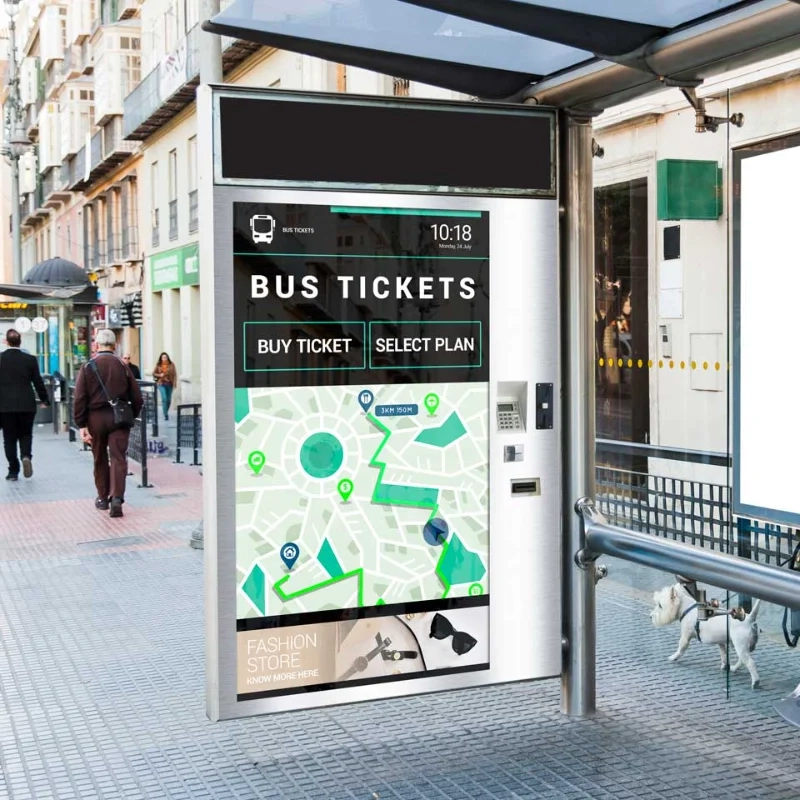
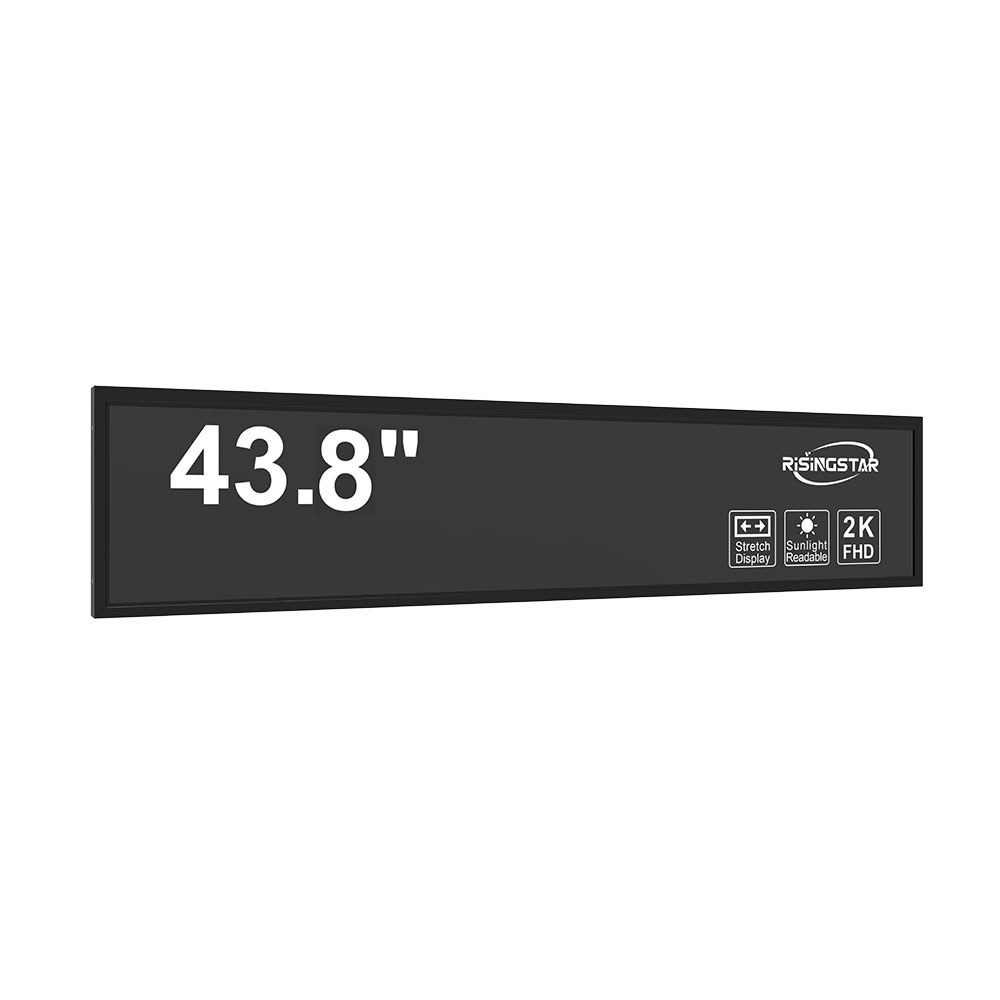
High-brightness sunlight-readable LCD screens are a critical innovation in display technology, specifically engineered to maintain visibility under intense ambient lighting conditions such as direct sunlight. These displays are indispensable in military, industrial, transportation, and medical sectors where outdoor visibility and operational reliability are paramount. Unlike standard LCDs that suffer from glare and contrast loss in bright environments, sunlight-readable LCDs incorporate advanced optical engineering, high-luminance backlighting, and specialized coatings to ensure consistent performance in real-world lighting scenarios.
The core of a sunlight-readable LCD lies in its brightness level—typically ranging from 3,000 to 10,000 nits (candelas per square meter), compared to 250–500 nits for consumer-grade displays. This is achieved through high-efficiency LED backlights and optimized light guides, which distribute uniform illumination across the entire panel. For example, the U.S. Department of Defense’s MIL-STD-810G standards mandate that field equipment must remain readable under 100,000 lux of sunlight, equivalent to full midday sun on a clear day—a condition that demands at least 5,000 nits of peak brightness.
To further enhance visibility, manufacturers use anti-reflective coatings and polarized glass layers that minimize glare and improve contrast ratios up to 10,000:1 or higher. Some models integrate active matrix addressing with low-temperature polysilicon (LTPS) TFTs for faster response times and sharper image quality even in extreme temperatures (-20°C to +70°C). Additionally, adaptive brightness control systems—often integrated with ambient light sensors—dynamically adjust luminance based on environmental conditions, optimizing power consumption without sacrificing readability.
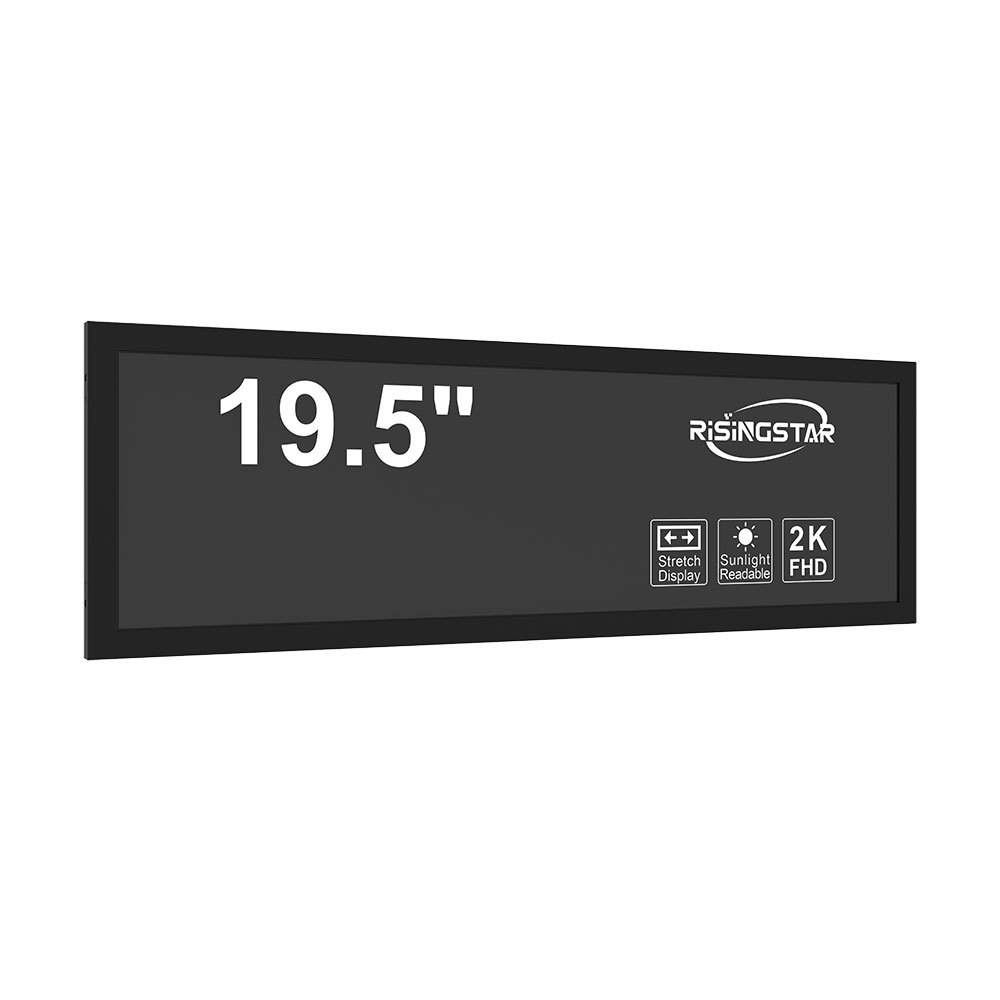
Real-world case studies validate their effectiveness: In a 2021 field test by Honeywell for aviation navigation displays, a 7,000-nit sunlight-readable LCD maintained 98% readability in direct sunlight during a flight over the Sahara Desert. Similarly, in the automotive sector, companies like Bosch have adopted these displays for dashboard interfaces in electric vehicles, ensuring drivers can read information clearly while driving in sunny conditions—a key safety feature.
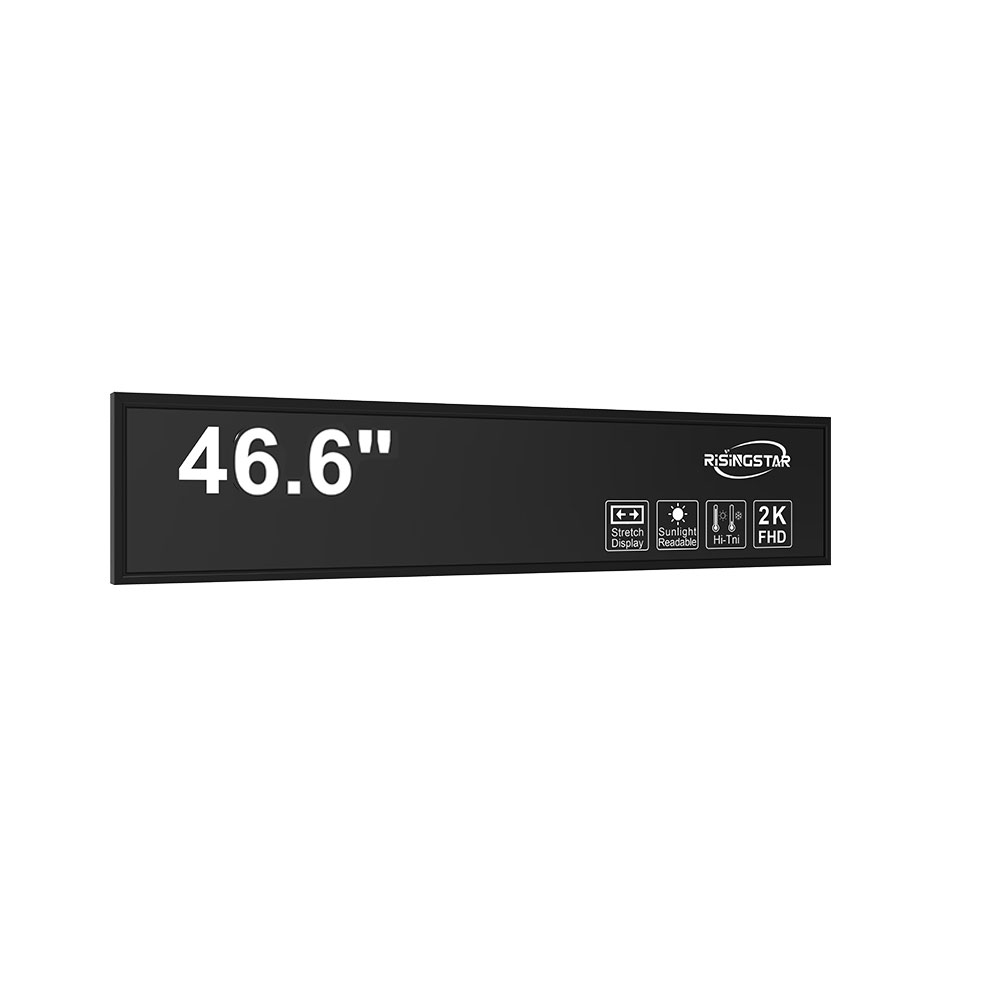
Compliance with international standards such as EN 60068-2-1, IEC 60945 (marine electronics), and ISO 16750 (automotive) ensures these screens meet rigorous durability and performance benchmarks. Moreover, the growing adoption of ruggedized touchscreens in agriculture, construction, and emergency response devices underscores the expanding role of sunlight-readable LCDs in mission-critical applications.
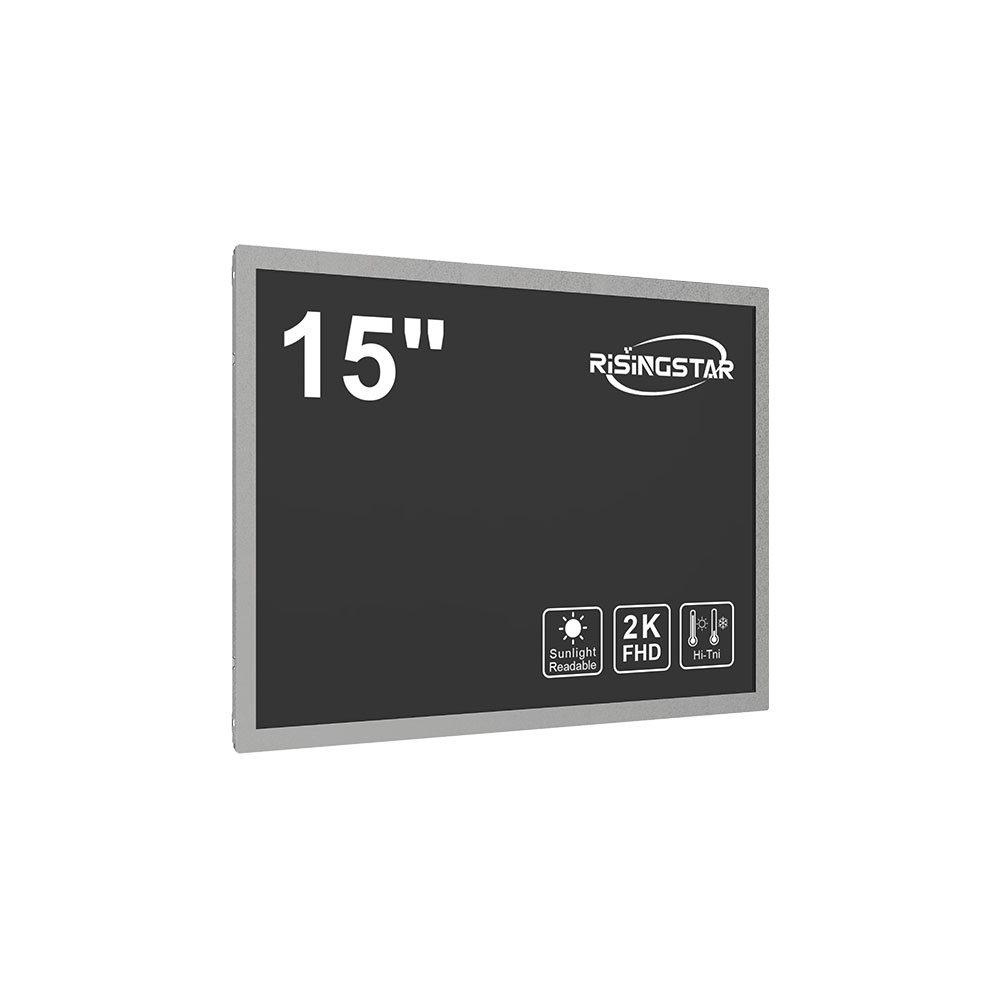
In summary, high-brightness sunlight-readable LCDs represent a mature yet rapidly evolving segment of display technology. Their integration of optical design, thermal management, and intelligent controls makes them not only functional but essential in modern outdoor environments where reliability and clarity are non-negotiable.