RisingStar
- Home
- About Us
- Products
- News
- Video
- Contact
- Send Inquiry
Search
- Home
- About Us
- Products
- News
- Video
- Contact
- Send Inquiry
RisingStar
In today’s increasingly connected world, industrial, military, and outdoor applications demand electronic displays that can withstand extreme environmental conditions—including dust, moisture, and mechanical stress. Among the most critical certifications for such environments is the IP66 rating—a standard defined by the International Electrotechnical Commission (IEC 60529). An IP66-rated display offers complete protection against dust ingress (6) and powerful water jets from any direction (6), making it indispensable in sectors like automotive, defense, construction, and marine operations.
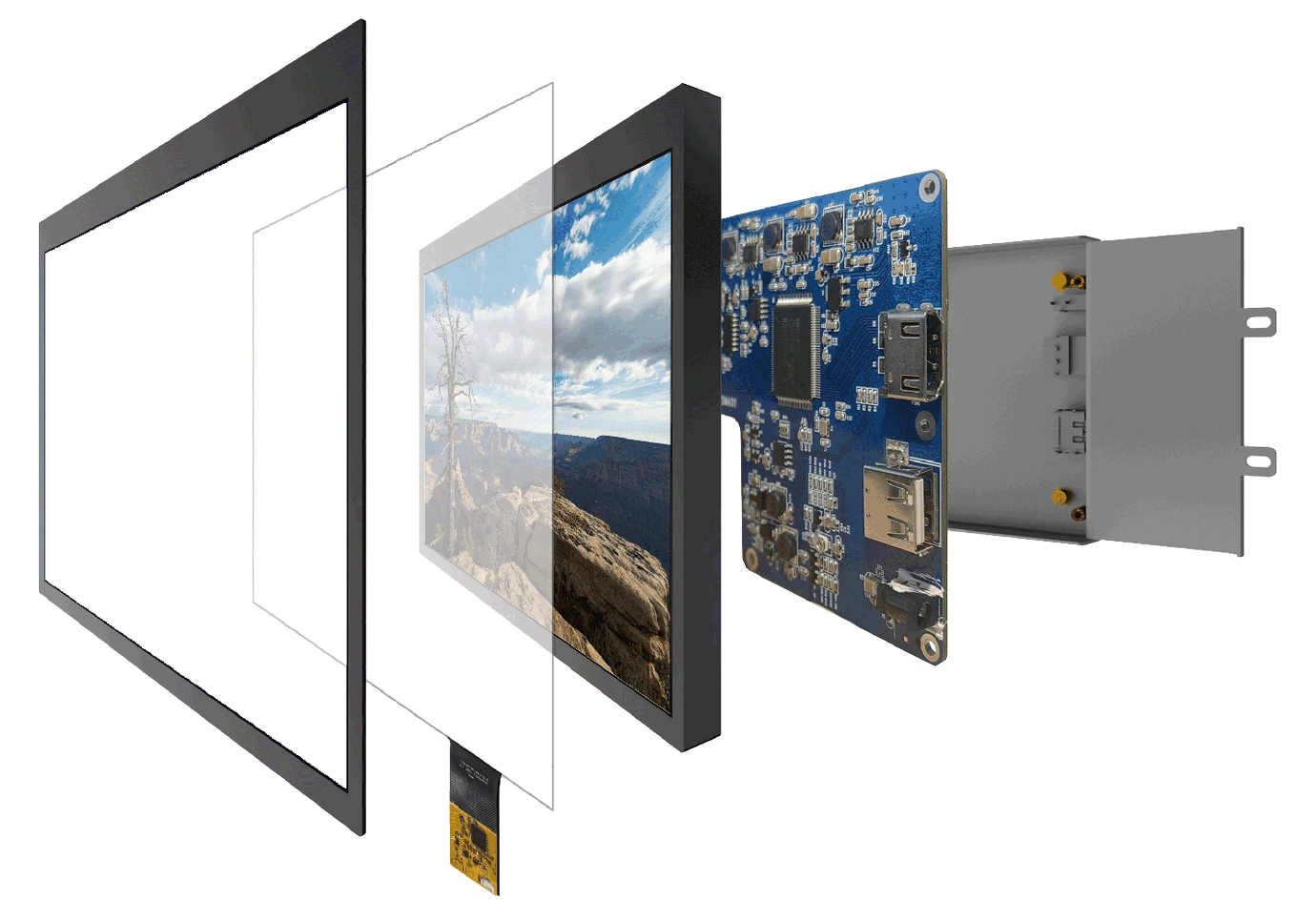
The engineering behind an IP66 waterproof LCD screen involves multiple layers of protection beyond just a sealed enclosure. First, the display panel itself must be encapsulated using UV-resistant silicone or epoxy potting compounds to prevent moisture penetration into sensitive electronics. Second, all seams, connectors, and bezels must be meticulously sealed with gaskets made from materials like EPDM (Ethylene Propylene Diene Monomer) rubber, which maintains flexibility across wide temperature ranges (-40°C to +85°C). Third, manufacturers often apply hydrophobic coatings on glass surfaces to repel water droplets and reduce fogging—critical for visibility in humid climates.
Testing protocols are equally rigorous. To validate IP66 compliance, panels undergo standardized tests including:
- Dust Chamber Exposure (for 8 hours): Simulates continuous exposure to fine particulate matter.
- Water Jet Test (at 12.5 liters per minute for 3 minutes from 3 meters away): Mimics high-pressure rain or hose spraying scenarios.
Case studies confirm real-world performance. For instance, a leading defense contractor deployed IP66-rated LCDs in unmanned ground vehicles (UGVs) operating in Middle Eastern deserts. Despite frequent sandstorms and temperature swings exceeding 50°C, no failures were reported over 18 months of field use. Similarly, offshore oil rigs in the North Sea use IP66 displays in control rooms where humidity exceeds 95% and salt spray is constant—these screens maintain clarity and reliability under continuous exposure.
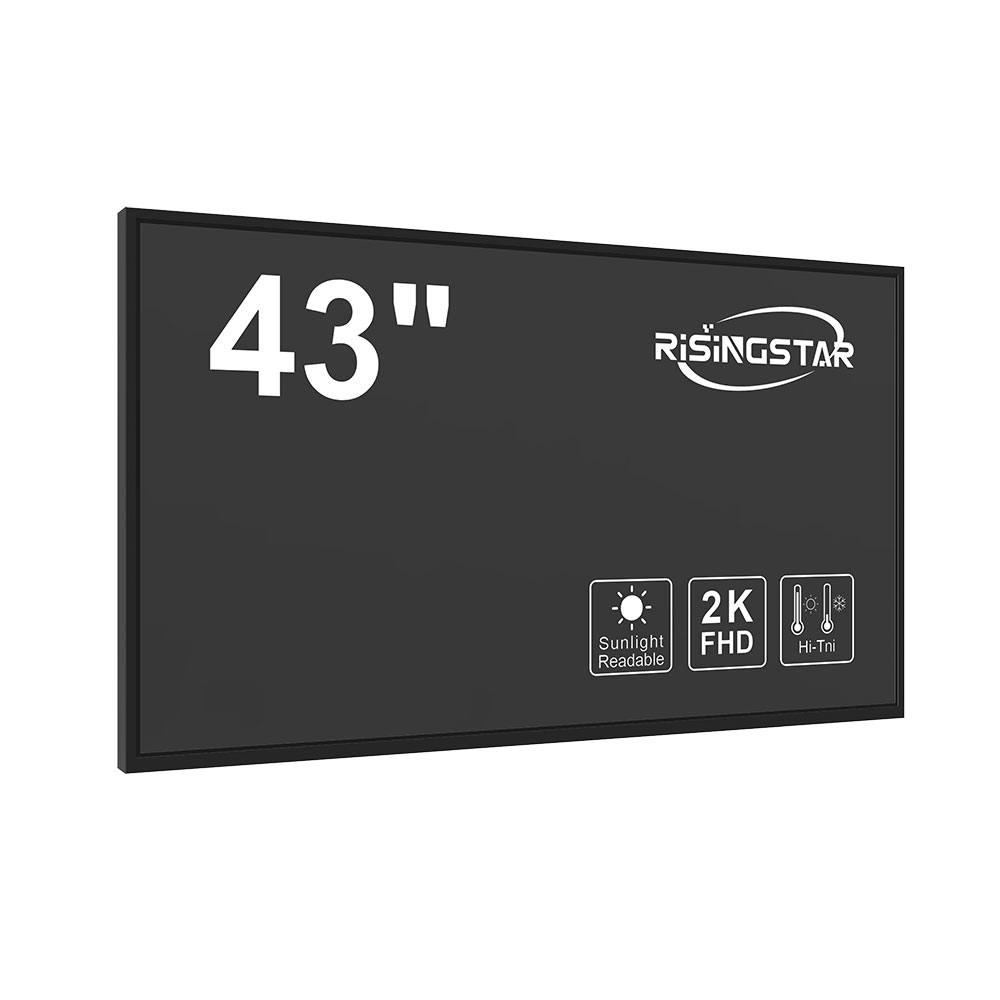
From a technical standpoint, achieving IP66 requires balancing brightness, power consumption, and durability. High-brightness sunlight-readable LCDs typically operate at 3,000–5,000 nits, but this increases thermal load. Engineers address this by integrating passive cooling fins and thermal management circuits that dissipate heat without compromising seal integrity. Additionally, modern designs leverage LED backlight arrays with adaptive brightness control, ensuring optimal visibility while minimizing energy draw—an essential factor for battery-powered devices in remote locations.
In conclusion, IP66 waterproofing is not merely a label—it’s a system-level engineering achievement that demands precision in material selection, manufacturing process control, and environmental validation. As industries push further into extreme environments—from Arctic exploration to desert logistics—the demand for certified, reliable, and readable displays will only grow. Choosing an IP66-compliant LCD means investing in long-term operational resilience, safety, and uptime.