RisingStar
- Home
- About Us
- Products
- News
- Video
- Contact
- Send Inquiry
Search
- Home
- About Us
- Products
- News
- Video
- Contact
- Send Inquiry
RisingStar
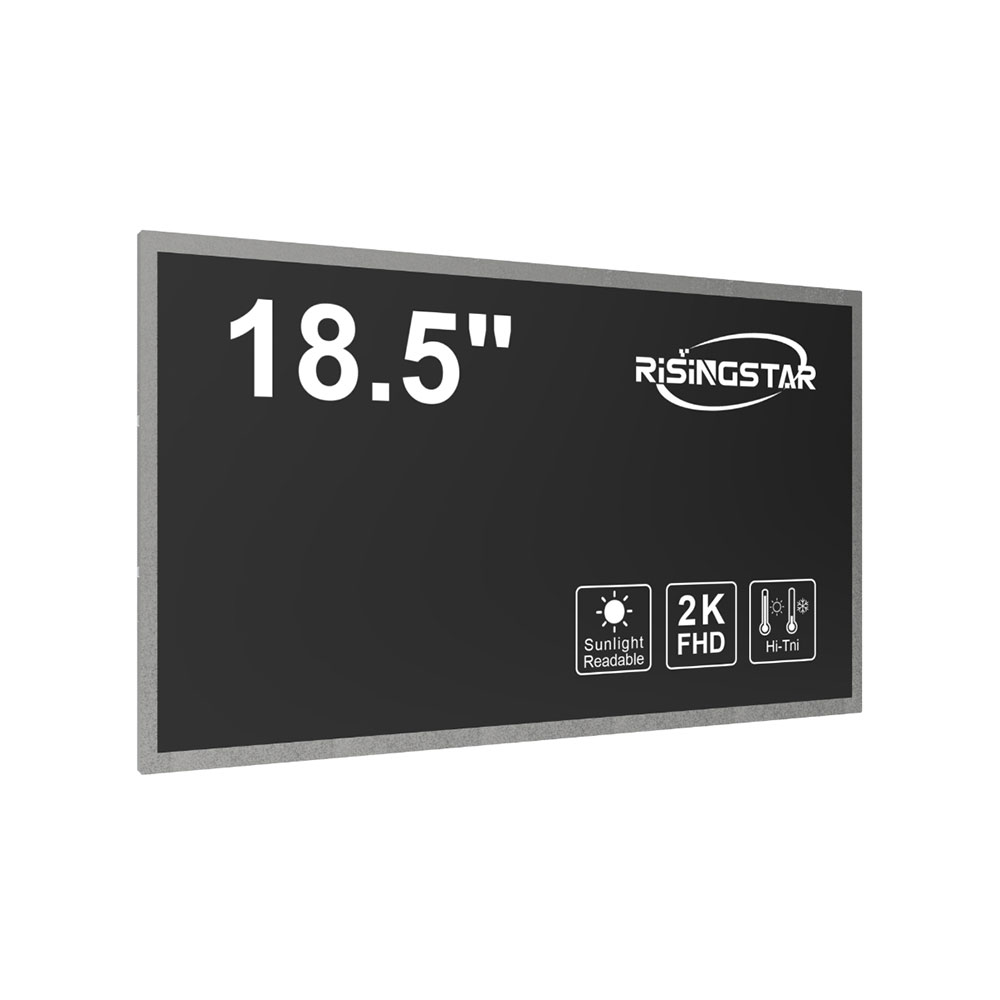
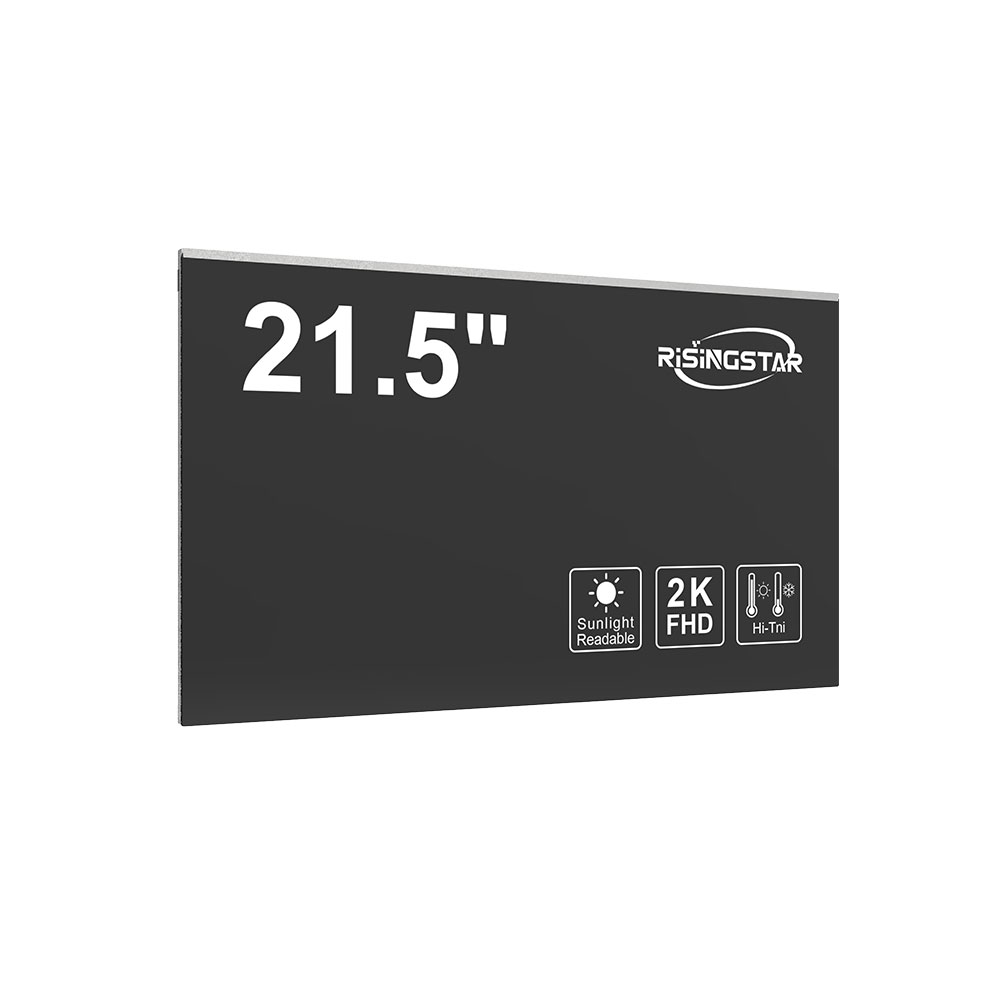
High-brightness sunlight-readable LCD screens are a critical innovation in modern display technology, especially for applications where visibility under direct sunlight is essential. These displays are engineered to maintain clarity and readability even in extreme lighting conditions—such as those found in military field operations, outdoor industrial machinery, automotive dashboards, and public transportation systems. According to the U.S. Department of Defense’s MIL-STD-188-134A standard, outdoor electronic displays must achieve at least 5,000 nits of brightness to be considered sunlight-readable. However, many commercial-grade displays now exceed this threshold, with top-tier models reaching 10,000 nits or more—a level that ensures full visibility even under harsh midday sun.
The core of these displays lies in their optical design and backlighting system. Unlike standard LCDs that use LED backlights with fixed intensity, sunlight-readable LCDs incorporate high-efficiency LEDs (often RGB-based) combined with advanced diffusers and light guides to maximize luminance while minimizing power consumption. For instance, companies like AU Optronics and LG Display have developed proprietary technologies such as “Enhanced Brightness Light Guide” (EBLG) and “Sunlight Readable Display (SRD)” modules that optimize light output per watt. These innovations reduce thermal load and increase battery life in mobile devices—an essential consideration for field equipment.
Additionally, anti-reflective coatings and polarized filters play a crucial role. A study published in the IEEE Transactions on Consumer Electronics (2022) demonstrated that applying multi-layer anti-reflection (AR) coatings can reduce surface glare by up to 90%, significantly improving contrast ratios in bright environments. Some manufacturers also integrate ambient light sensors that dynamically adjust screen brightness based on environmental conditions—a feature commonly found in modern ruggedized tablets used by utility workers or first responders.
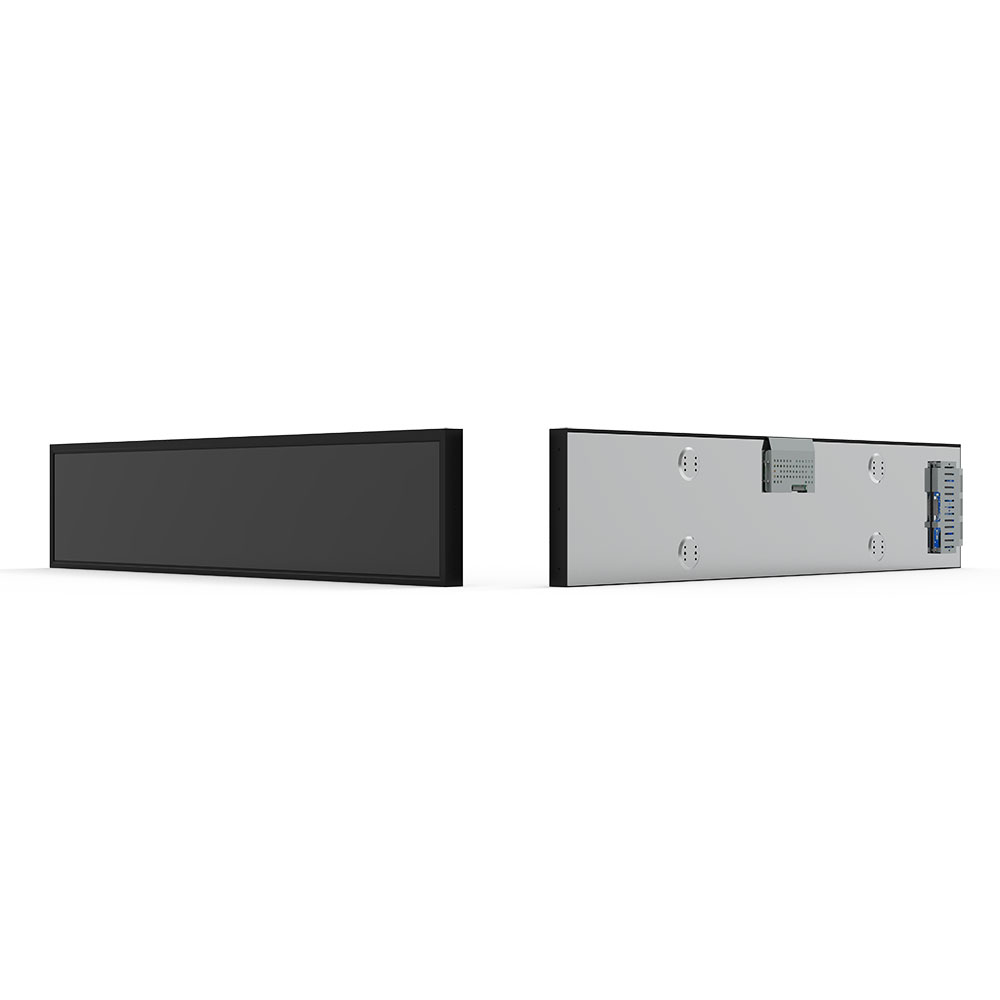
Another key aspect is the use of high-contrast liquid crystal materials, such as IPS (In-Plane Switching) or VA (Vertical Alignment) panels, which provide wide viewing angles and stable color reproduction. These are particularly important in vehicle instrument clusters where drivers need consistent visibility from multiple angles. For example, Tesla’s Model Y uses a 17-inch sunlight-readable touchscreen with a peak brightness of 1,500 nits; however, newer models in development aim to reach 5,000+ nits for improved safety in sunny climates.
Case studies from defense contractors like Raytheon and Honeywell show that integrating sunlight-readable LCDs into tactical radios and drones improves situational awareness during missions. In one real-world deployment in the Middle East desert environment, a 10,000-nit display maintained readability at noon despite ambient light exceeding 100,000 lux—a performance benchmark rarely achieved by consumer-grade displays.
Finally, compliance with international standards such as ISO 16750 (environmental testing for automotive electronics) and EN 60068-2 (climatic testing) ensures long-term reliability in extreme temperatures, humidity, and vibration. This makes high-brightness LCDs not just a convenience but a necessity in mission-critical industries. As global demand for outdoor digital interfaces grows—driven by smart cities, autonomous vehicles, and IoT infrastructure—the evolution of sunlight-readable LCD technology will continue to push boundaries in both performance and durability.