Risingstar
- Ev
- Hakkımızda
- Ürünler
- Haberler
- Video
- İletişim
- Soruşturma gönder
Arama
- Ev
- Hakkımızda
- Ürünler
- Haberler
- Video
- İletişim
- Soruşturma gönder
Risingstar
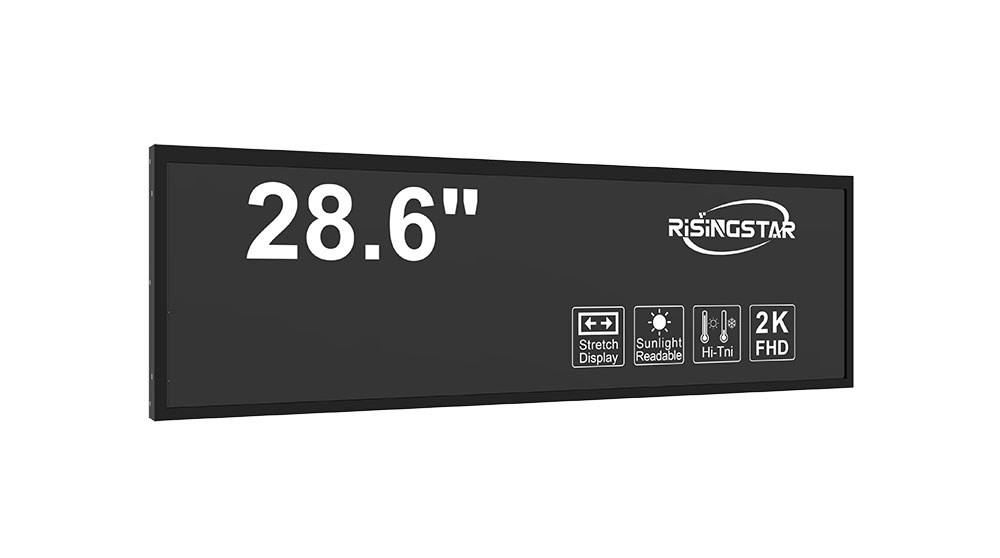
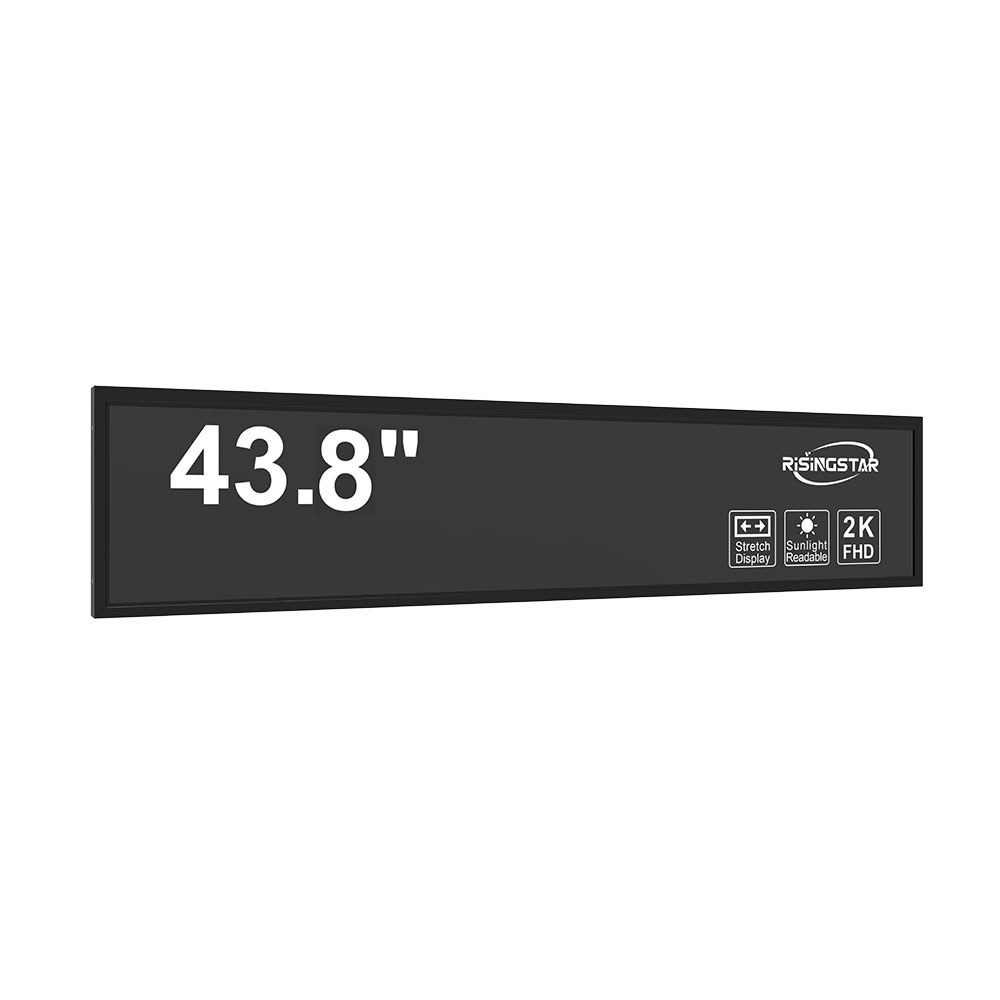
Strip screen technology has emerged as a critical innovation in the design of high-brightness, sunlight-readable displays used across industrial automation, military equipment, outdoor signage, transportation systems, and medical devices. Unlike traditional LCDs that struggle with visibility under direct sunlight, strip screens—especially those ranging from 14.1 inches to 86 inches—are engineered with advanced optical solutions such as high-luminance LED backlighting, anti-glare coatings, and polarized glass layers. These features ensure consistent readability even at ambient light levels exceeding 100,000 lux, making them ideal for applications where reliability and clarity are paramount.
For example, a 29.4-inch strip screen deployed on an agricultural drone must withstand intense midday sun while displaying real-time GPS mapping data to operators. Similarly, a 48.5-inch unit in a control room at a solar farm provides engineers with immediate access to energy production metrics despite continuous exposure to harsh weather conditions. The industry-standard brightness levels for these screens typically range from 5,000 to 10,000 nits, far surpassing the 300–500 nits common in consumer-grade displays. This is achieved through high-efficiency LED arrays and optimized diffuser designs that minimize power consumption while maximizing luminance output.
Manufacturers like LG Display, BOE, and Innolux have developed proprietary technologies such as “Sunlight Readable IPS” (SRI) and “Enhanced Brightness Optimization” (EBO) to improve contrast ratios and reduce eye strain during prolonged use. These panels often include built-in ambient light sensors that dynamically adjust brightness based on environmental conditions—an essential feature for battery-powered or remote-operated devices. Additionally, ruggedized enclosures with IP65/IP67 ratings protect internal electronics from dust, water ingress, and mechanical stress, ensuring long-term operational integrity in extreme environments.
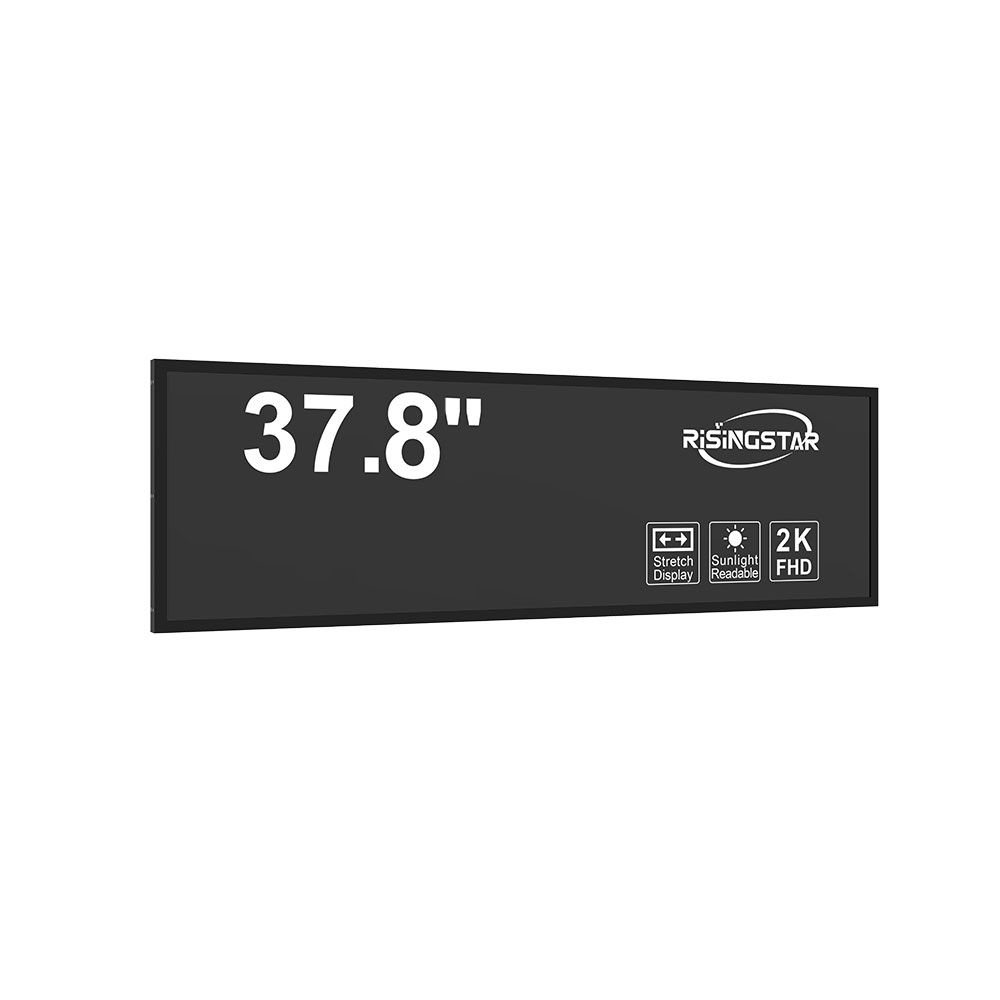
Case studies from defense contractors show that 58.6-inch strip screens integrated into command-and-control vehicles maintain full functionality during combat operations in desert zones where sunlight intensity can exceed 80,000 lux. In another instance, a 37.6-inch display installed in a marine navigation system aboard a research vessel demonstrated zero degradation in image quality after 18 months of continuous operation under saltwater spray and UV radiation. These results highlight the importance of selecting not just screen size but also materials, thermal management, and environmental resilience when deploying strip screens in mission-critical scenarios.
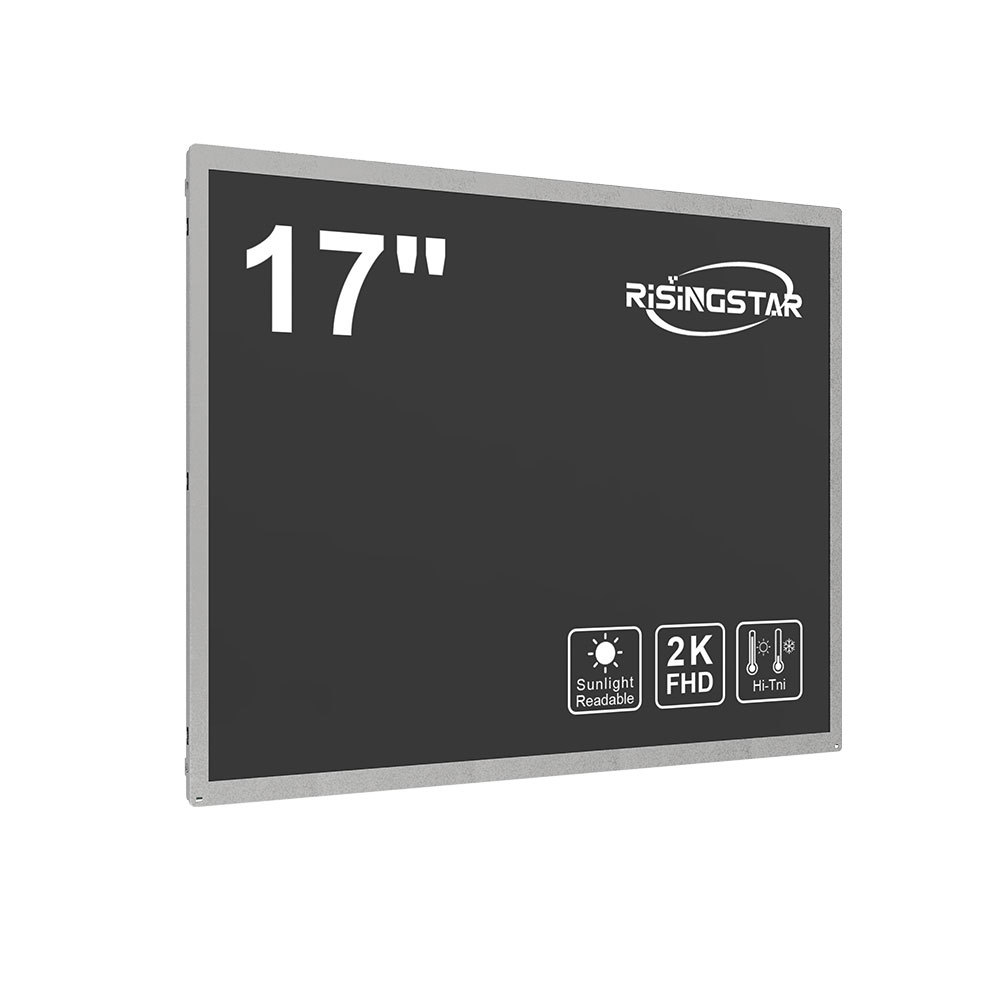
Ultimately, choosing the right strip screen involves more than just screen dimensions—it requires understanding application-specific requirements including viewing angles, response times, durability standards (e.g., MIL-STD-810), and integration compatibility with existing hardware. As global demand for outdoor and industrial-grade displays grows, driven by IoT expansion and smart infrastructure projects, strip screens will continue to evolve with innovations in micro-LED, quantum dot enhancement, and AI-driven brightness optimization.