Risingstar
- Ev
- Hakkımızda
- Ürünler
- Haberler
- Video
- İletişim
- Soruşturma gönder
Arama
- Ev
- Hakkımızda
- Ürünler
- Haberler
- Video
- İletişim
- Soruşturma gönder
Risingstar
In outdoor environments where ambient light levels can exceed 100,000 lux, standard LCD displays often fail to provide adequate visibility. This is where high-brightness sunlight-readable LCD screens come into play—engineered specifically to maintain clarity, contrast, and color accuracy under direct sunlight. These displays are essential in industries such as military, transportation, industrial automation, agriculture, and medical devices, where reliable visual performance in harsh lighting conditions is non-negotiable.
The core technology behind high-brightness sunlight-readable LCDs involves multiple layers of optical engineering. First, the display must achieve a minimum brightness of 3,000 nits (with many commercial models reaching 5,000–10,000 nits), far surpassing typical indoor displays that operate at 250–500 nits. This brightness is achieved through advanced backlighting systems using high-efficiency LEDs or cold cathode fluorescent lamps (CCFLs) with optimized diffusers and reflectors. Additionally, polarized filters and anti-reflective coatings reduce glare by minimizing surface reflection—a critical factor when sunlight strikes the screen at oblique angles.
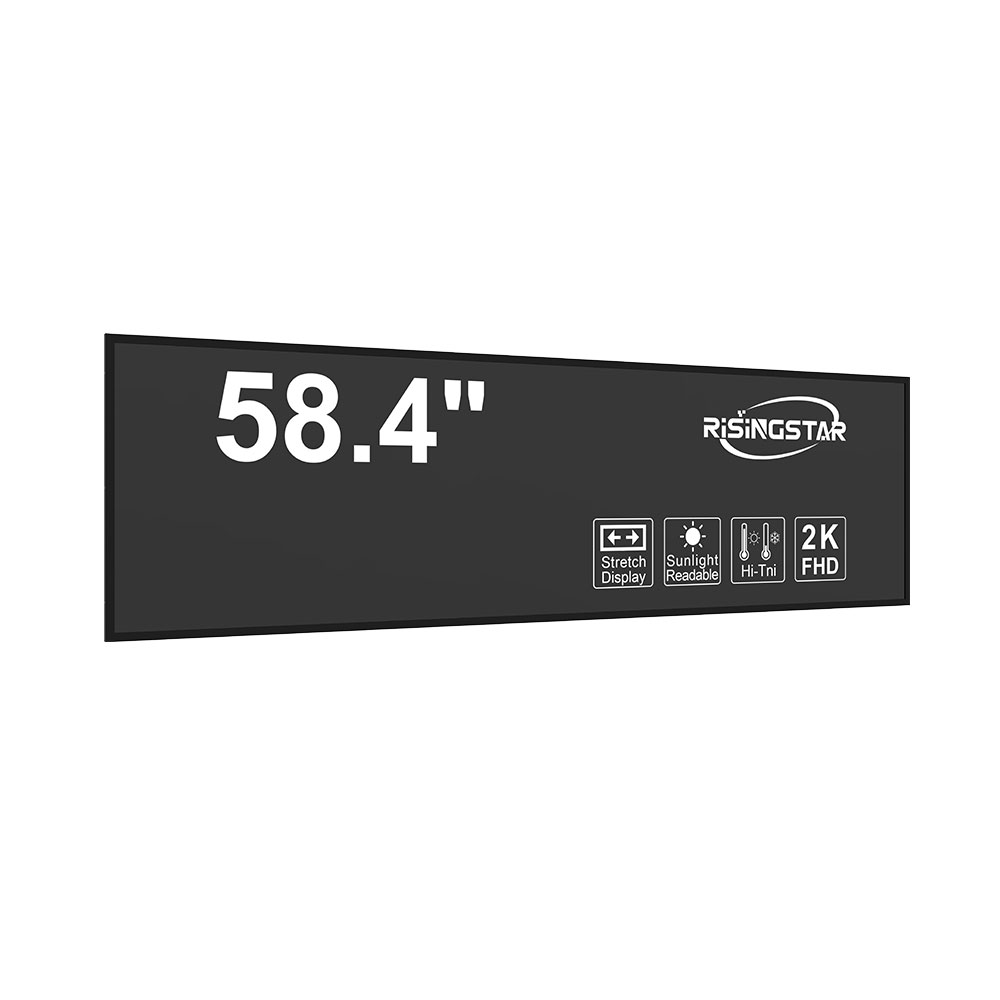
A key differentiator from conventional LCDs is the use of transflective liquid crystal technology. Unlike transmissive-only panels that rely solely on internal backlighting, transflective displays combine both reflective and transmissive modes. In bright sunlight, they utilize ambient light via a reflective layer, reducing power consumption while enhancing readability. In low-light or nighttime conditions, the backlight activates, ensuring consistent visibility across all lighting scenarios. This dual-mode operation is particularly valuable in battery-powered devices such as handheld field equipment or ruggedized tablets used in remote locations.
Manufacturers like LG Display, Sharp, and E-Ink (for specialized applications) have developed proprietary techniques to enhance contrast ratios, which typically range from 1,000:1 to 5,000:1 in sunlight-readable panels—compared to 300:1 in standard displays. Enhanced contrast ensures text remains legible and icons distinguishable even under extreme sun exposure. Moreover, wide viewing angles (up to 178° horizontally and vertically) supported by in-plane switching (IPS) or vertical alignment (VA) technologies ensure consistent image quality regardless of observer position—an advantage in multi-user environments such as construction sites or public transit dashboards.
Environmental resilience is another crucial feature. These displays are built with IP65/IP67-rated enclosures to resist dust and water ingress, making them suitable for wet, dusty, or vibrating conditions. They also meet MIL-STD-810G standards for shock, vibration, and temperature extremes (-20°C to +70°C), enabling deployment in arctic research stations or desert-based logistics operations. Case studies from the U.S. Department of Defense and NASA’s Mars rovers illustrate how sunlight-readable LCDs enable mission-critical data visualization in unpredictable environments.
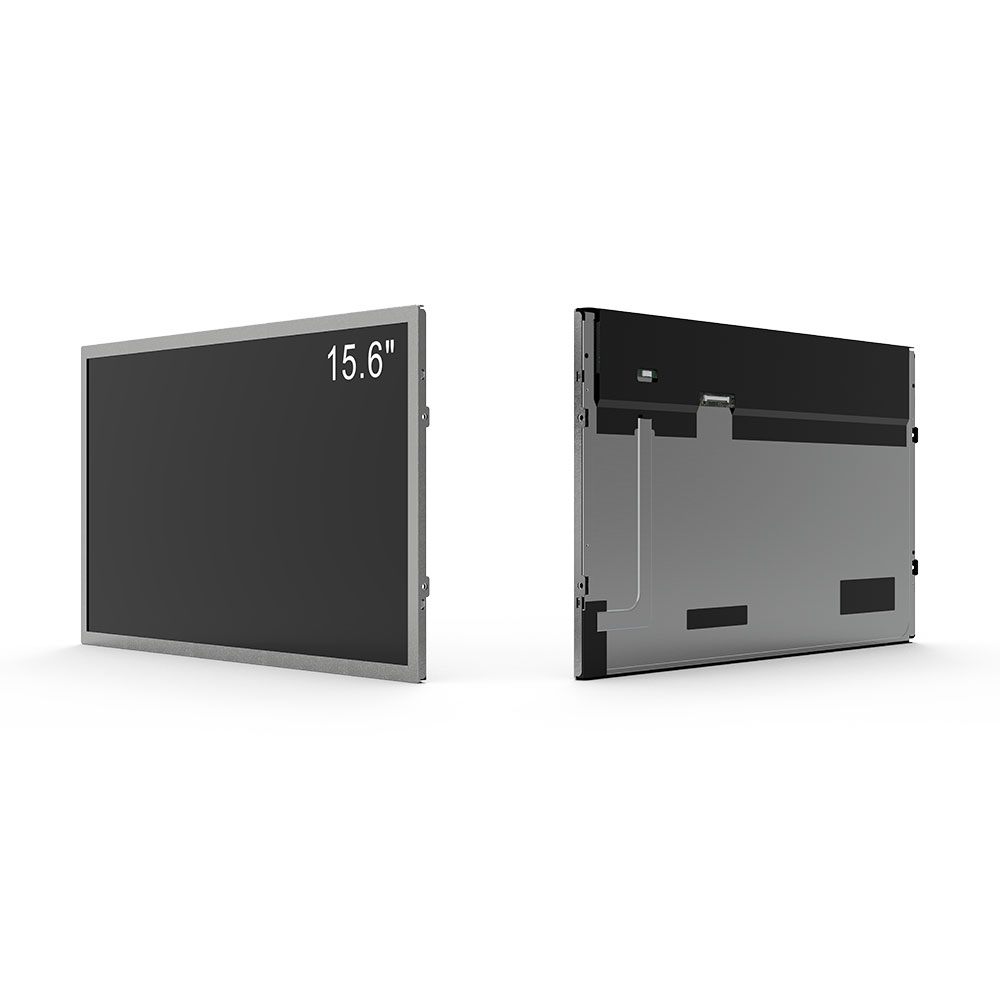
From an economic perspective, while high-brightness sunlight-readable LCDs cost 2–3 times more than standard panels, their durability, reduced maintenance needs, and operational efficiency justify the investment in high-stakes applications. With rising demand for edge computing and IoT deployments in outdoor settings—from smart city kiosks to agricultural drones—these screens are becoming foundational components in next-generation outdoor digital interfaces.