RisingStar
- Home
- About Us
- Products
- News
- Video
- Contact
- Send Inquiry
Search
- Home
- About Us
- Products
- News
- Video
- Contact
- Send Inquiry
RisingStar
High-brightness, sunlight-readable displays have emerged as essential components in various sectors, particularly for applications requiring clear visibility under bright environmental conditions. These displays are engineered to achieve high luminance levels, often exceeding 1,000 nits, allowing them to maintain readability even in direct sunlight. This technology is particularly advantageous in public transportation systems, outdoor advertising, and various retail environments, where legibility and visibility are critical for effective communication.
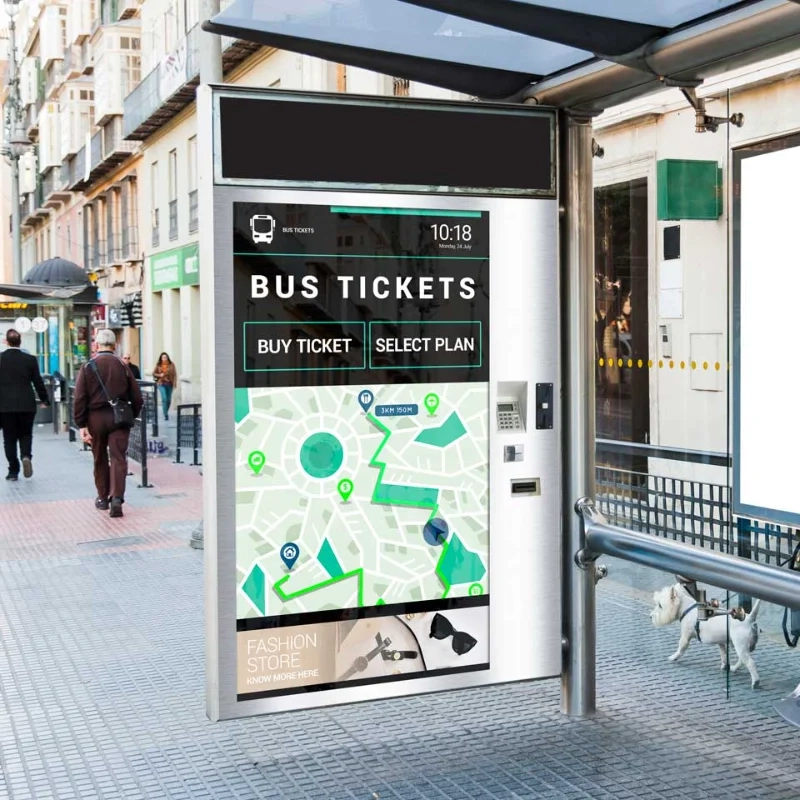
One prominent application of high-brightness displays is in passenger information systems within railways, buses, trains, and subways. For instance, urban transit agencies have adopted sunlight-readable displays to communicate real-time arrival and departure information. These systems foster enhanced passenger experience by providing crucial data in an easily digestible format. A striking example can be seen in cities like Tokyo and New York, where digital signage not only informs passengers but also serves as a platform for advertising and announcements, generating additional revenue for transit authorities.
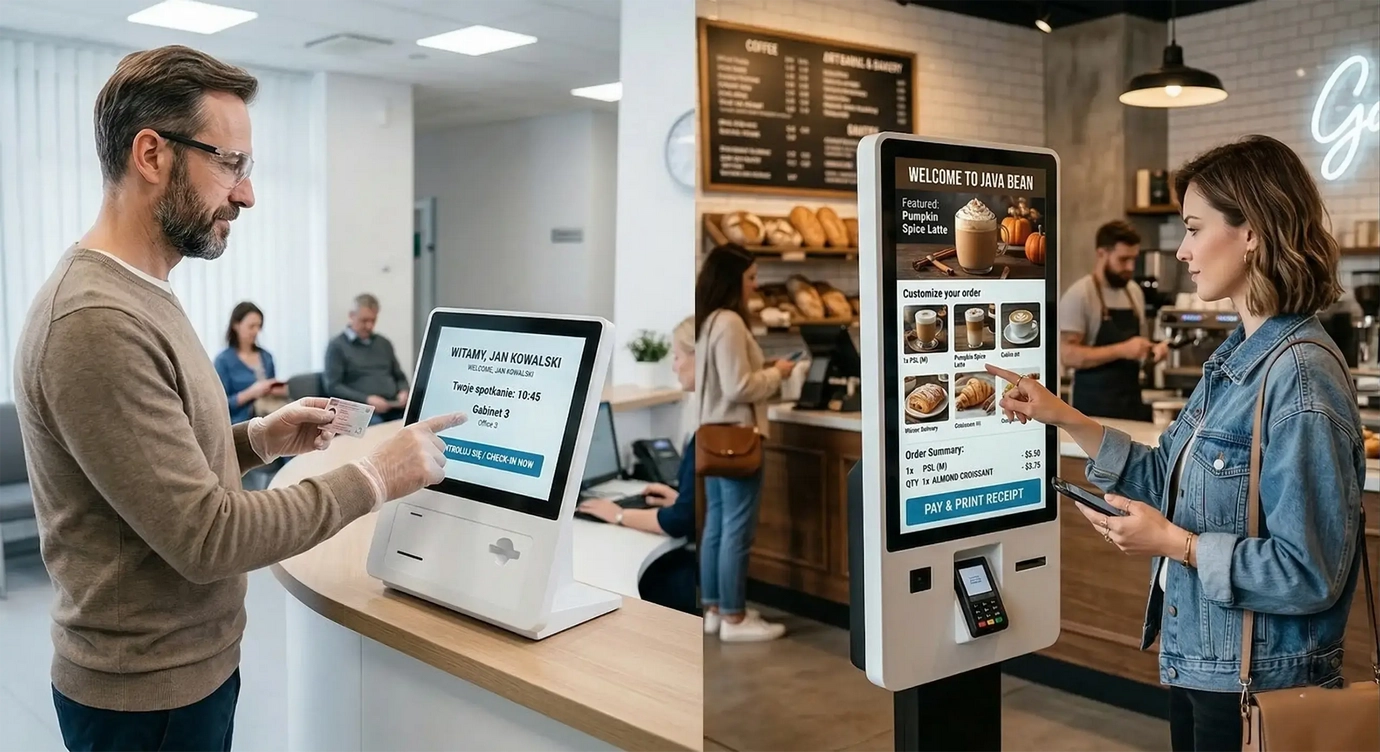
Moreover, the rise of electric vehicles (EVs) underscores the need for user-friendly interfaces at charging stations. High-brightness displays at EV charging kiosks are imperative for providing drivers with essential information such as charging status, payment options, and user instructions. The clear visibility offered by these displays in diverse lighting conditions alleviates user frustration and enhances driving convenience. Case studies demonstrate that well-designed kiosks with sunlight-readable displays can significantly improve user engagement and satisfaction.
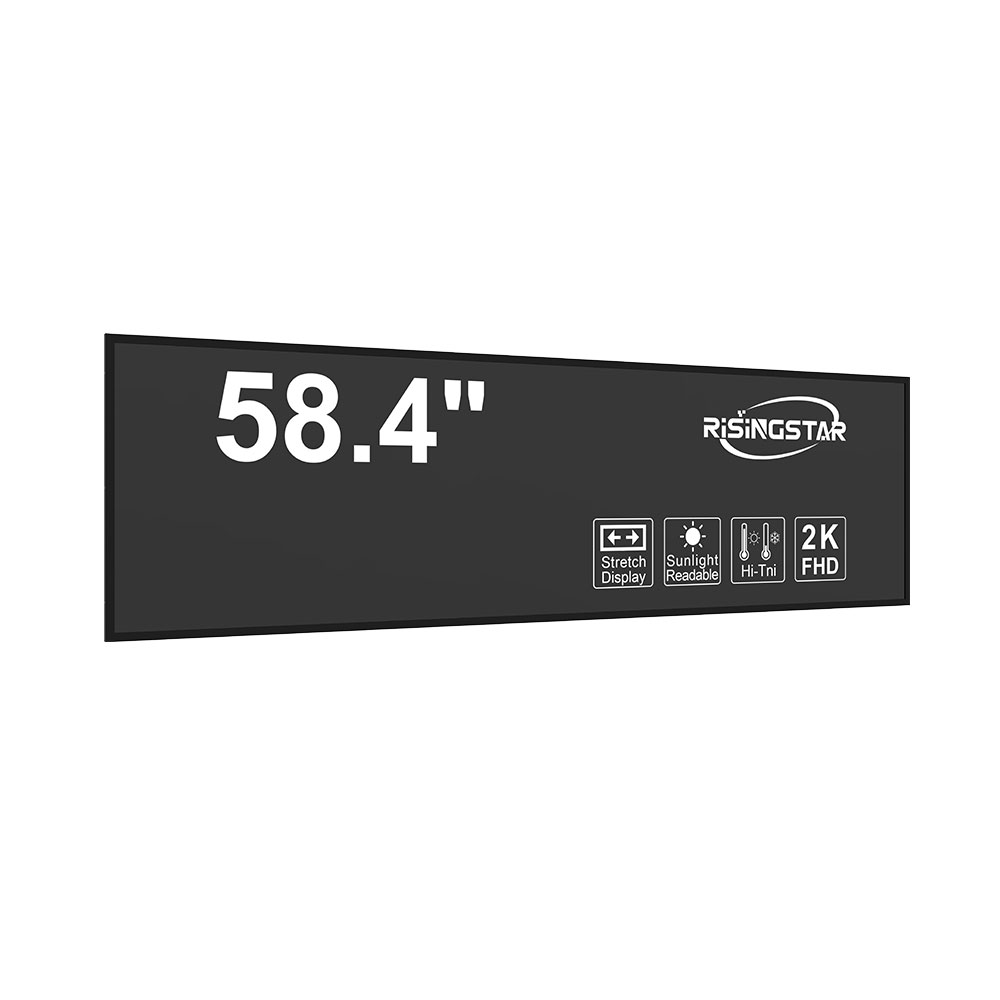
In retail environments, digital signage equipped with high-brightness technology is revolutionizing the way products and services are advertised. This is particularly advantageous for outdoor digital signage, where competition for consumer attention is fierce. Implementations in locations such as shopping malls and tourist attractions reveal that high-brightness displays not only highlight promotions effectively but also draw foot traffic by showcasing dynamic content. Research indicates that displays with superior visibility can increase consumer interactions by approximately 60%, directly impacting sales.
Gas pumps and real estate displays also see substantial benefits from high-brightness technology. At gas stations, these displays can provide critical information about fuel prices, promotions, and car wash services, ensuring visibility from a distance. Interestingly, the same principles apply to real estate signage, where potential buyers can easily view property listings and contact information from afar. Agents leveraging high-brightness displays find increased inquiries thanks to the clarity and attractiveness of their outdoor advertisements.
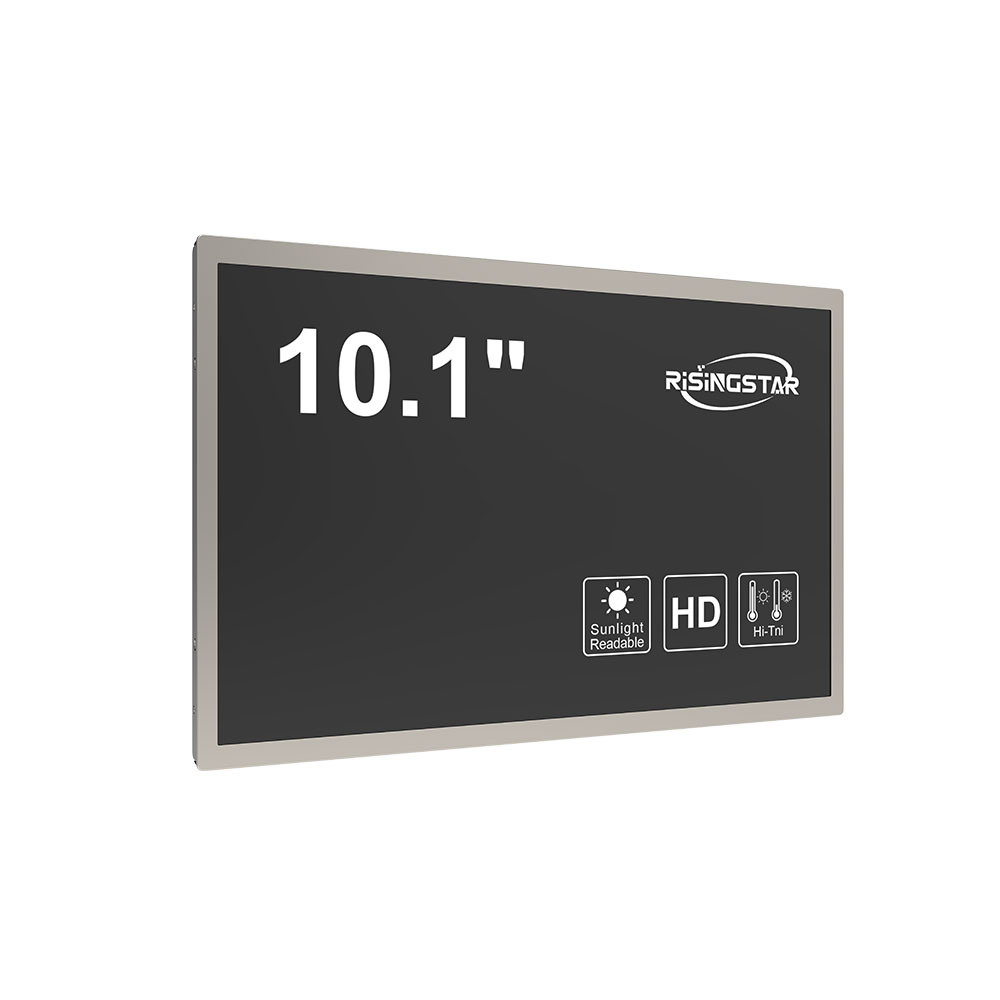
The technology behind high-brightness, sunlight-readable displays includes a combination of LED backlighting techniques, advanced polarizers, and anti-glare coatings. By optimizing these elements, manufacturers can create displays that mitigate reflections and enhance contrast, making it easier for consumers to read information even in bright sunlight. Furthermore, developing these displays often involves adhering to industry standards, such as those set by the International Standards Organization (ISO), which guide manufacturers in creating robust and reliable products.
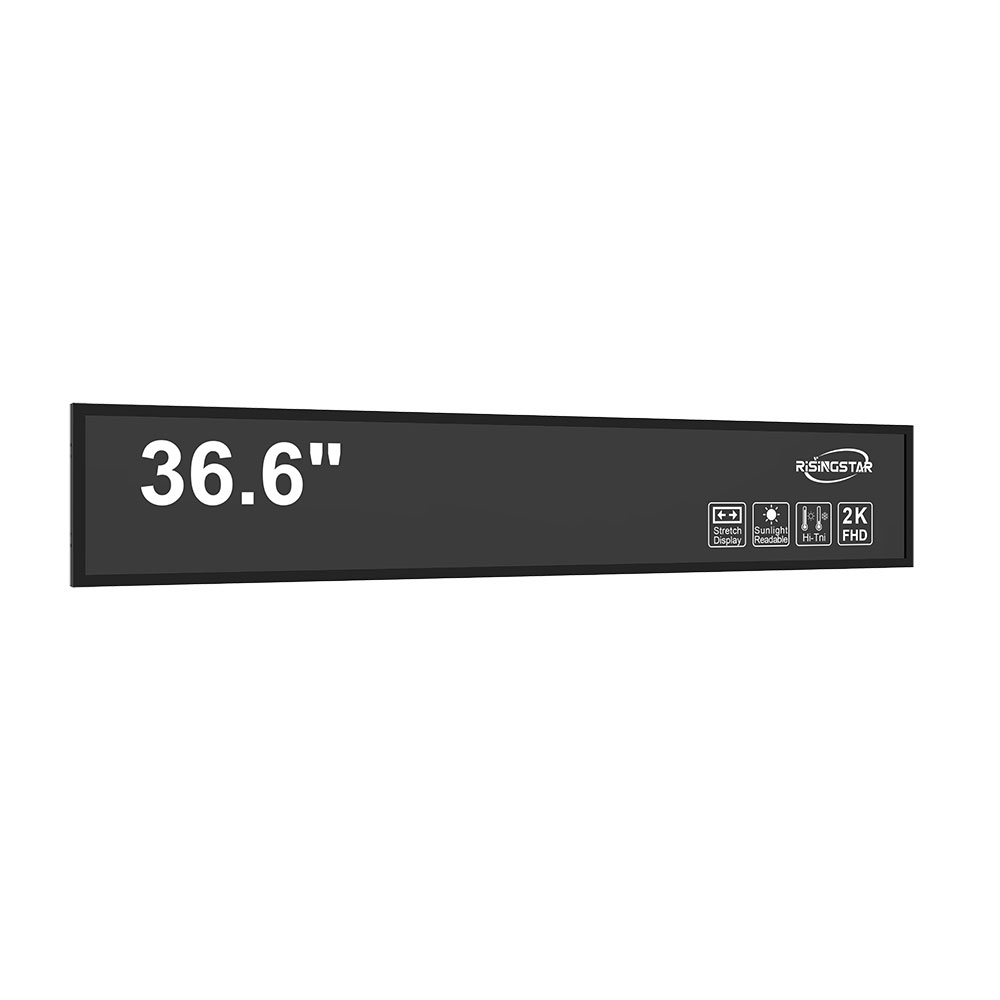
In conclusion, high-brightness, sunlight-readable displays represent a transformative technology across various industries. From enhancing passenger experiences in public transportation to driving consumer engagement in retail environments, these displays are vital for success in today's competitive landscape. As the demand for effective outdoor communication continues to grow, the innovation in display technologies will play a crucial role in shaping the future of information delivery.