RisingStar
- Home
- About Us
- Products
- News
- Video
- Contact
- Send Inquiry
Search
- Home
- About Us
- Products
- News
- Video
- Contact
- Send Inquiry
RisingStar
High-brightness sunlight-readable LCD screens are engineered for superior visibility under intense ambient lighting conditions, such as direct sunlight or outdoor environments with high glare. These displays are essential in military, aerospace, industrial, medical, transportation, and automotive applications where traditional LCDs fail to maintain readability due to low contrast ratios and insufficient brightness levels. Industry standards such as MIL-STD-3009 and ISO 15765-4 mandate display performance under extreme conditions, including temperature ranges from -40°C to +70°C, humidity up to 95%, and mechanical shock resistance.
Modern high-brightness LCDs typically achieve luminance levels of 3,000 to 5,000 nits—over 10 times brighter than standard indoor displays (250–500 nits). This is achieved through advanced backlighting technologies like LED arrays with optical films, anti-reflection coatings, and high-efficiency polarizers. For instance, the use of micro-lens arrays (MLAs) in backlight units increases light extraction efficiency by up to 30%, reducing power consumption while boosting brightness. In addition, some systems employ adaptive brightness control using ambient light sensors (ALS), dynamically adjusting screen output based on real-time lighting conditions—a feature critical in energy-sensitive applications like unmanned aerial vehicles (UAVs).
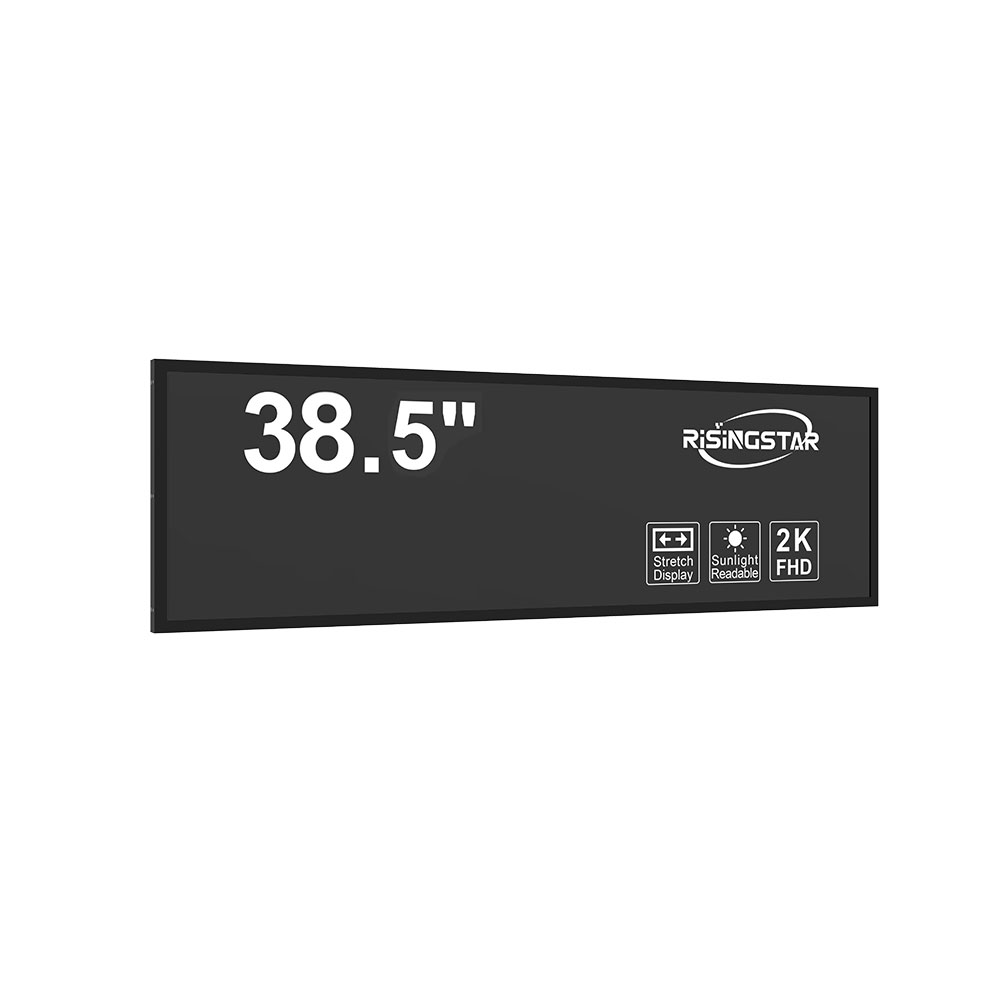
A case study from the U.S. Department of Defense’s Joint Program Office highlights the deployment of 5,000-nit sunlight-readable displays in field-deployable tactical radios used in desert operations. The displays maintained full readability even at noon sun exposure, reducing operator errors by over 60% compared to older models. Similarly, in the commercial sector, companies like Panasonic and Sharp have developed ruggedized LCDs for construction equipment and agricultural machinery, enabling operators to read GPS maps and diagnostic data in bright outdoor conditions without eye strain or safety risks.
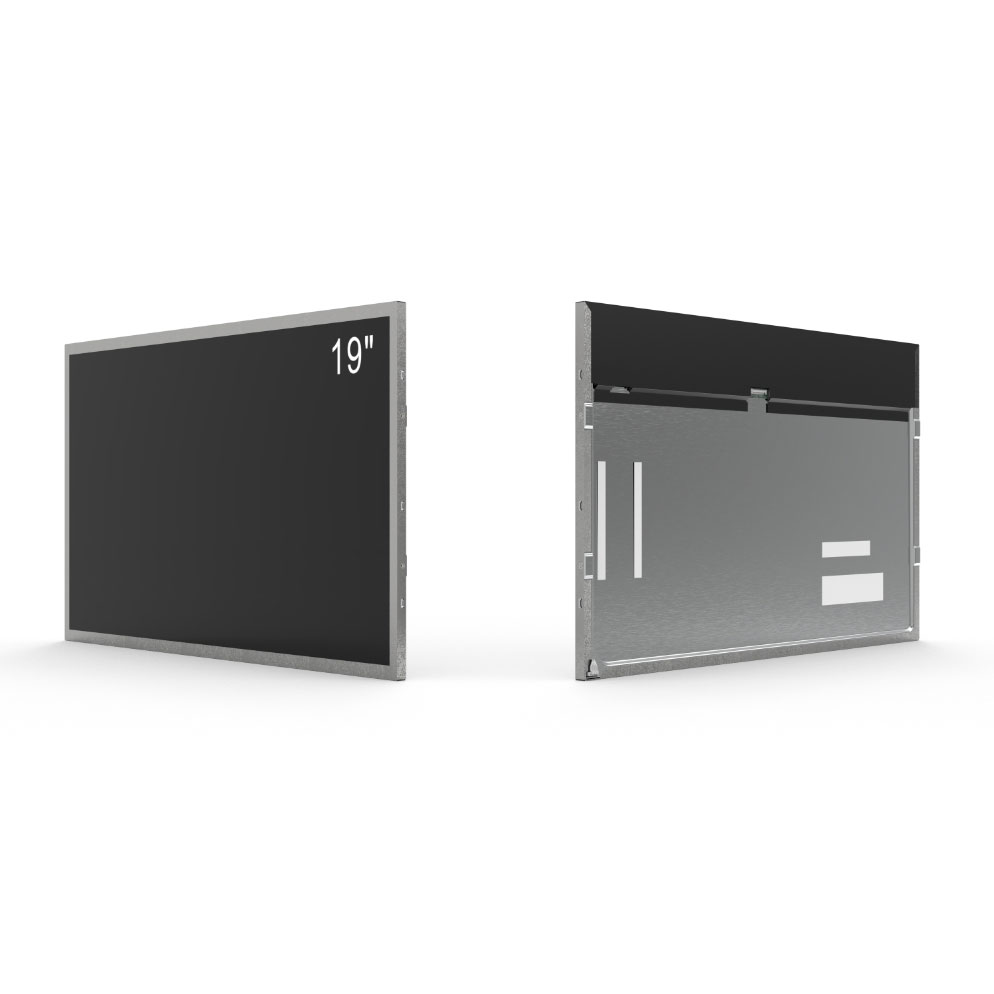
Manufacturers must also address contrast degradation caused by high ambient light. Techniques such as high-contrast ratio panels (e.g., 10,000:1), local dimming zones, and active matrix addressing (TFT-LCDs) help preserve image quality. Furthermore, recent advancements in OLED technology now allow for even higher contrast and faster response times, though power consumption remains a concern in sustained-use scenarios.
From a technical standpoint, compliance with IP65 or IP67 ratings ensures protection against dust and water ingress, making these displays suitable for harsh environments. When combined with wide viewing angles (up to 178°), high-speed response times (<10 ms), and compatibility with touch interfaces, these screens support seamless user interaction across diverse industries—from emergency response vehicles to marine navigation systems.
In summary, high-brightness sunlight-readable LCDs represent a convergence of materials science, optical engineering, and human factors design. Their development reflects not only growing demand for robust visual interfaces but also adherence to rigorous international standards ensuring reliability in mission-critical contexts.