RisingStar
- Home
- About Us
- Products
- News
- Video
- Contact
- Send Inquiry
Search
- Home
- About Us
- Products
- News
- Video
- Contact
- Send Inquiry
RisingStar
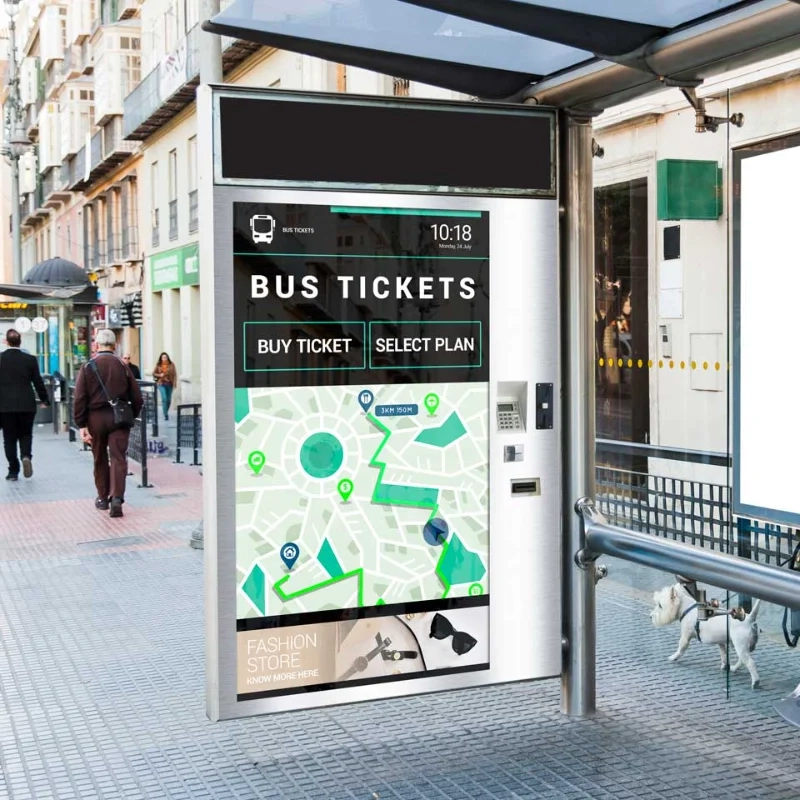
High-brightness sunlight-readable LCD screens are critical components in modern outdoor display systems, especially in environments where ambient light levels exceed 10,000 lux—such as military vehicles, construction equipment, industrial control panels, and public transportation interfaces. These displays must remain legible under direct sunlight while maintaining energy efficiency, durability, and reliability in extreme conditions. The core challenge lies not just in increasing brightness but in optimizing contrast ratio, viewing angle, and power consumption to ensure usability across diverse lighting scenarios.
Manufacturers achieve high brightness through a combination of advanced backlight technologies (such as LED arrays with diffusers), polarized glass layers, anti-reflective coatings, and active matrix liquid crystal design. For example, many high-end models now use white LED backlights with brightness levels exceeding 5,000 nits, far surpassing standard indoor LCDs that typically max out at 300–500 nits. This performance is essential for readability in full sunlight—a condition that can reduce screen visibility by up to 90% without proper engineering.
A key innovation in recent years is the integration of adaptive brightness control using ambient light sensors. These sensors dynamically adjust screen luminance based on environmental lighting, which helps conserve battery life in portable devices and reduces thermal load in embedded systems. According to IEEE Transactions on Consumer Electronics (2022), adaptive brightness algorithms can improve power efficiency by 30–40% compared to fixed-brightness modes, making them indispensable for field-deployable equipment like UAV ground stations or rugged handheld scanners.
Moreover, sunlight-readable displays often incorporate specialized surface treatments such as matte or micro-louvered glass to minimize glare. A study published in Displays (Elsevier, 2021) found that anti-reflective coatings with multi-layer dielectric films reduce surface reflection from over 8% to less than 1%, significantly enhancing image clarity even at oblique angles. This is crucial for applications like aircraft cockpit instruments or solar farm monitoring systems, where users may view the screen from multiple positions.
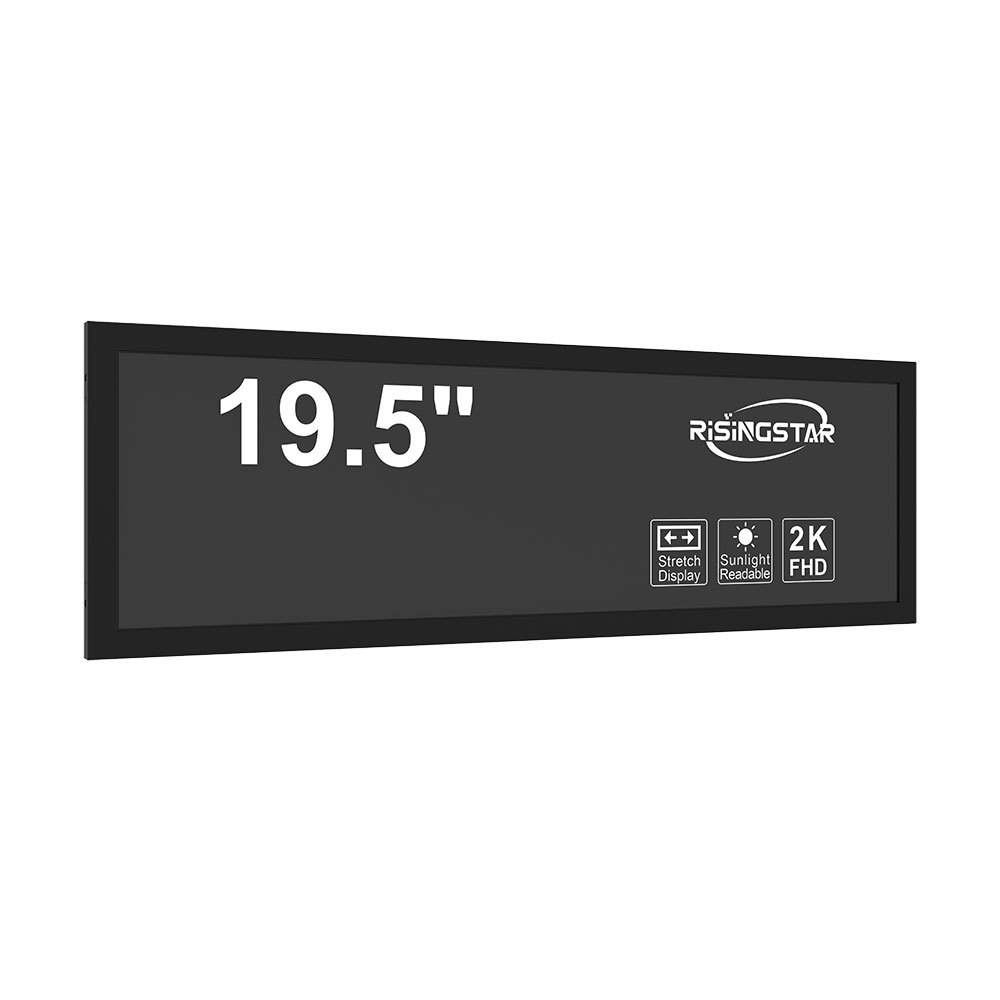
In addition to optical enhancements, mechanical robustness plays a vital role. Many outdoor-grade LCDs are rated IP65 or higher, ensuring resistance to dust, water ingress, and vibration. Military standards such as MIL-STD-810G define rigorous testing protocols for temperature extremes (-30°C to +70°C), shock, and humidity, which certified displays must pass before deployment. Case studies from companies like Crystalfontz and Eizo show that these standards directly correlate with reduced field failures in harsh environments like desert operations or offshore drilling platforms.
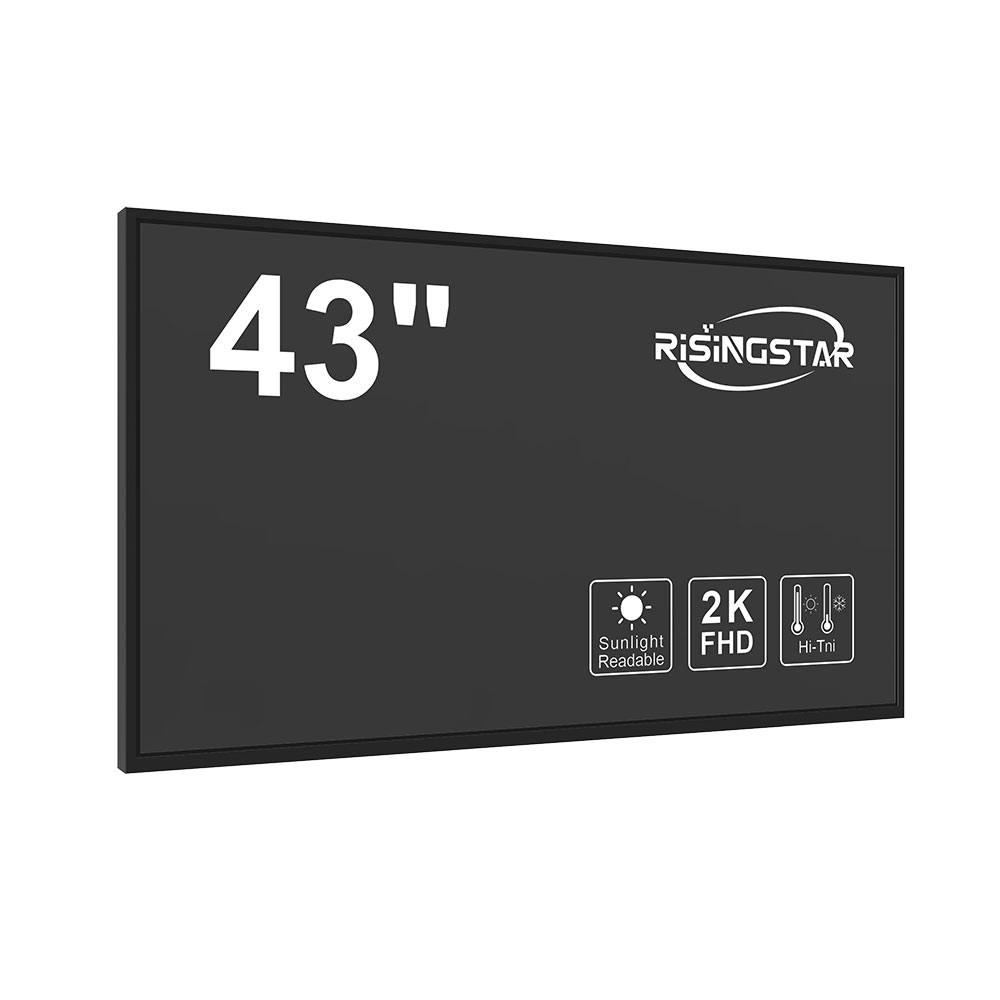
Finally, future trends point toward OLED-based sunlight-readable displays, which offer superior contrast ratios due to true black levels and faster response times. While current OLED technology struggles with peak brightness limitations (around 2,000 nits), ongoing R&D efforts led by Samsung Display and LG Display aim to break this barrier using stacked emissive layers and quantum dot enhancement. Such advancements will redefine what’s possible in mobile command centers, smart city kiosks, and autonomous vehicle dashboards.
The success of any sunlight-readable LCD depends on a holistic approach—balancing hardware, software, materials science, and user experience. As global demand for reliable outdoor displays grows, driven by IoT expansion, urbanization, and defense modernization, engineers must prioritize both technical excellence and practical application context to deliver truly readable solutions in the harshest conditions.