RisingStar
- Home
- About Us
- Products
- News
- Video
- Contact
- Send Inquiry
Search
- Home
- About Us
- Products
- News
- Video
- Contact
- Send Inquiry
RisingStar
In modern industrial, military, and outdoor applications, the need for reliable display technology that can operate under extreme environmental conditions is paramount. One of the most critical specifications for such displays is the IP66 waterproof rating—a standard defined by the International Electrotechnical Commission (IEC) in IEC 60529. An IP66-rated display offers complete protection against dust ingress (6) and powerful water jets from any direction (6), making it ideal for use in environments where moisture, humidity, or even accidental submersion may occur.
The design of an IP66 waterproof LCD screen involves multiple layers of engineering rigor. First, the LCD panel itself must be sealed with high-quality gaskets—typically made from silicone or EPDM rubber—that prevent water penetration at seams and edges. The bezel and housing are often machined from aluminum or stainless steel to ensure structural integrity while resisting corrosion. Additionally, anti-reflection coatings and polarized filters enhance readability under direct sunlight, a feature often paired with brightness levels exceeding 5,000 nits—essential for visibility in outdoor sunlight exposure.
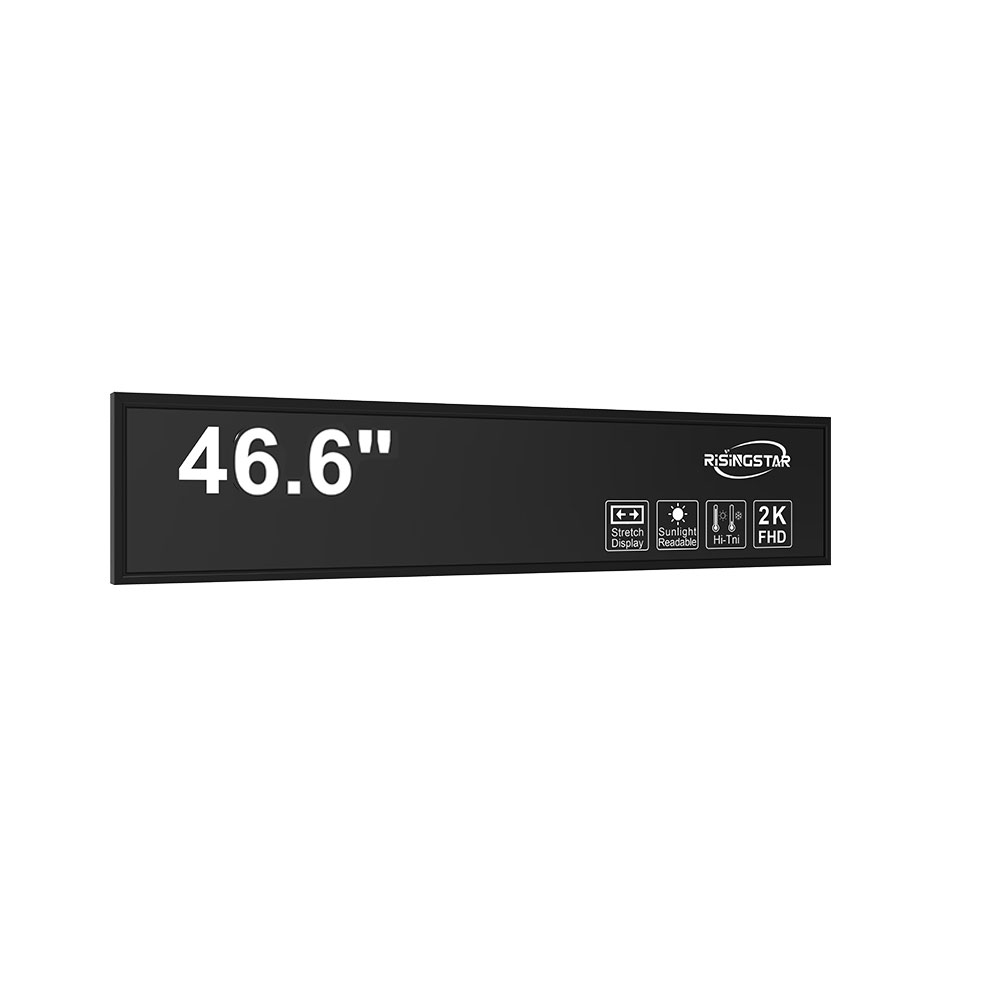
Manufacturers follow standardized testing protocols to validate IP66 compliance. These include dust chamber tests (ASTM D4234) where fine particles simulate desert or construction site conditions, and water jet tests using nozzles delivering 12.5 liters per minute at 100 kPa pressure from a distance of 3 meters. Each test must pass without internal condensation or performance degradation. Industry leaders like BAE Systems, Rockwell Collins, and LG Display have published case studies demonstrating successful IP66 implementation in ruggedized avionics and command-and-control units used in maritime operations and defense logistics.
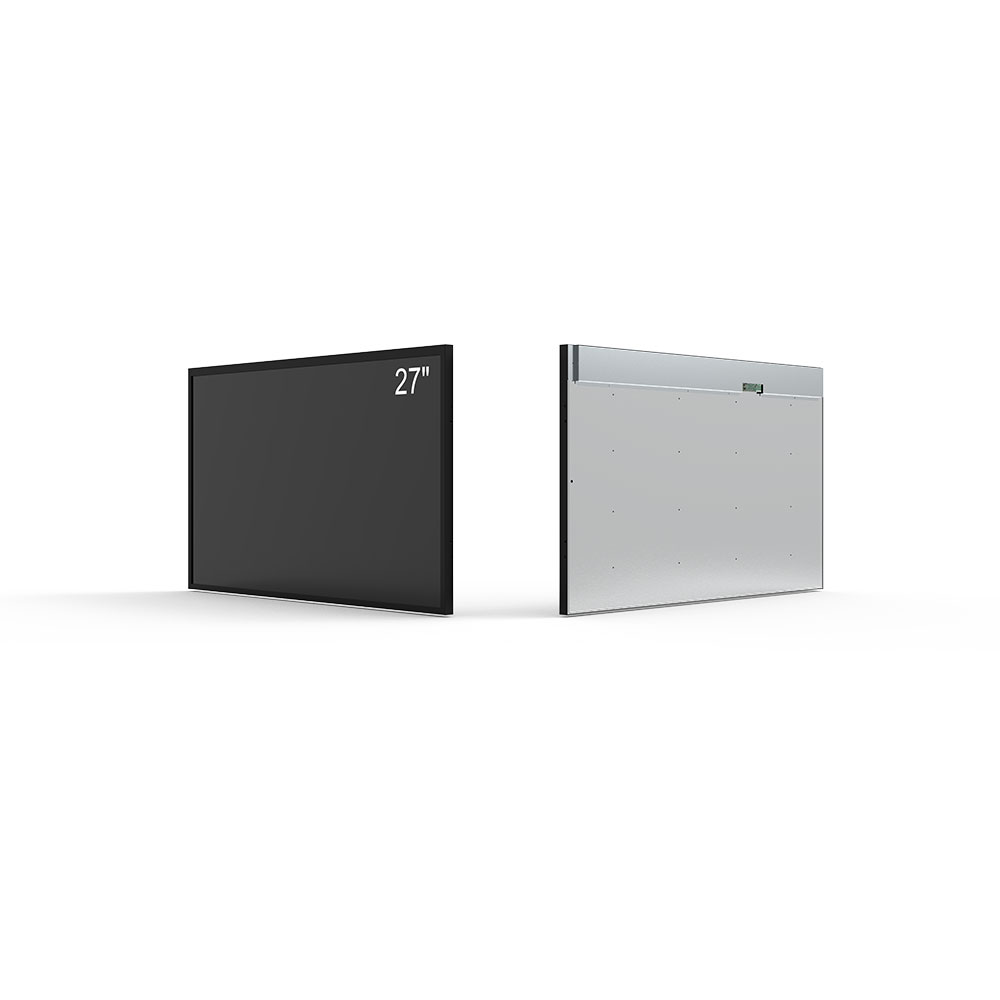
Beyond military and aerospace, IP66 displays are now essential in agriculture (e.g., smart irrigation systems), transportation (e.g., truck dashboards in heavy rain), and energy sectors (e.g., solar farm monitoring panels). For instance, a 2023 study by the IEEE Sensors Journal analyzed 12 deployed IP66 LCD systems in offshore wind farms and found that failure rates dropped by over 70% compared to non-IP66 alternatives after one year of continuous operation in salty, humid climates.
To maintain long-term reliability, manufacturers incorporate advanced sealing techniques such as laser welding, potting compounds, and hermetic seals around connectors. These methods reduce maintenance costs and extend operational life, especially in environments where regular cleaning or replacement is impractical. Moreover, with increasing demand for IoT-enabled devices, IP66-rated LCDs are being integrated into edge computing platforms that require both durability and data visualization capability—such as remote asset tracking and predictive maintenance dashboards.
In summary, IP66 waterproof LCD screens represent a convergence of material science, mechanical design, and rigorous certification standards. They are not just about survival in harsh conditions—they enable mission-critical functionality where uptime, clarity, and safety are non-negotiable. As industries evolve toward smarter, more connected infrastructure, the role of IP66-certified displays will only grow in importance across global markets.