 RisingStar
- Home
- About Us
- Products
- News
- Video
- Contact
- Send Inquiry
Search
- Home
- About Us
- Products
- News
- Video
- Contact
- Send Inquiry
RisingStar
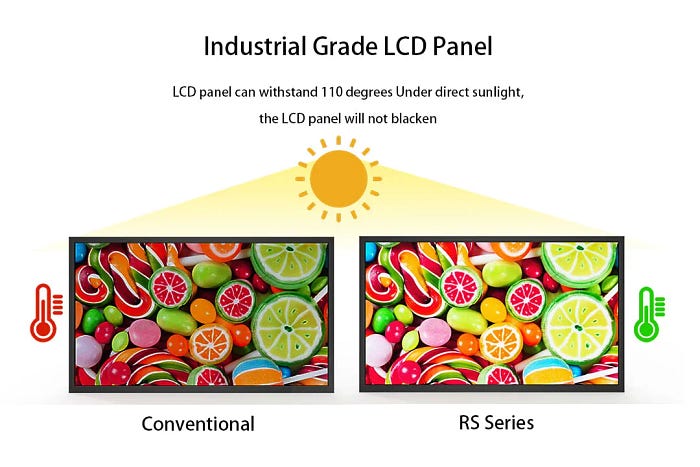
In today’s increasingly connected and mobile-driven world, the demand for reliable, high-performance displays that function flawlessly under harsh environmental conditions—especially in direct sunlight—is growing rapidly. High-brightness sunlight-readable LCD (Liquid Crystal Display) screens are no longer a niche technology; they are essential components in industries ranging from military and aerospace to transportation, agriculture, healthcare, and consumer electronics. These displays are engineered to maintain readability even when exposed to intense ambient light, typically exceeding 100,000 lux—a level of brightness far beyond what standard indoor LCDs can handle.
The core challenge lies in overcoming the fundamental limitations of conventional LCD technology. Standard LCDs rely on backlighting to illuminate the display panel, but in bright sunlight, this backlight is often overwhelmed by ambient light, rendering content invisible or barely legible. To solve this, high-brightness sunlight-readable LCDs employ advanced engineering techniques that enhance contrast, reduce glare, and maximize luminance output while maintaining energy efficiency.
One of the most critical design elements in these displays is the use of ultra-high-brightness LEDs as backlights—typically delivering 5,000 to 10,000 cd/m² (candela per square meter), compared to 200–500 cd/m² for typical indoor screens. This increase in luminance ensures visibility under full sun conditions. For example, the U.S. Department of Defense mandates that military-grade displays must remain readable under 100,000 lux illumination, which corresponds to peak midday sunlight at the equator. Such standards have pushed manufacturers like Eizo, LG Display, and Novatek to develop specialized panels using high-efficiency LED arrays and optimized optical films.
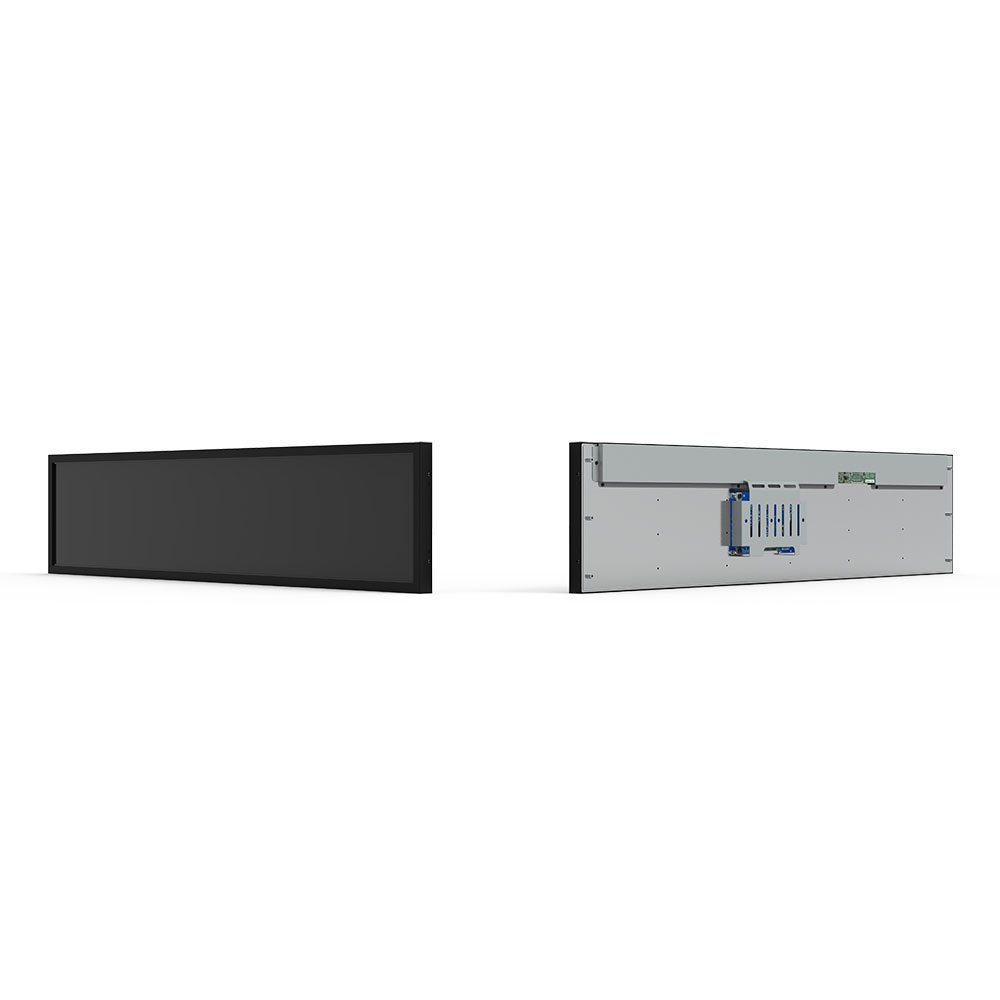
Another key innovation is the integration of anti-glare coatings and polarized filters. These reduce specular reflection—the mirror-like reflection that causes eye strain and obscures text or images. Some displays also incorporate matte glass or diffusive layers that scatter incoming light evenly across the screen surface, further enhancing contrast ratios. A well-designed sunlight-readable LCD can achieve contrast ratios of 1000:1 or higher, making it suitable not just for direct sunlight, but also for low-light environments like night operations or dimly lit vehicles.
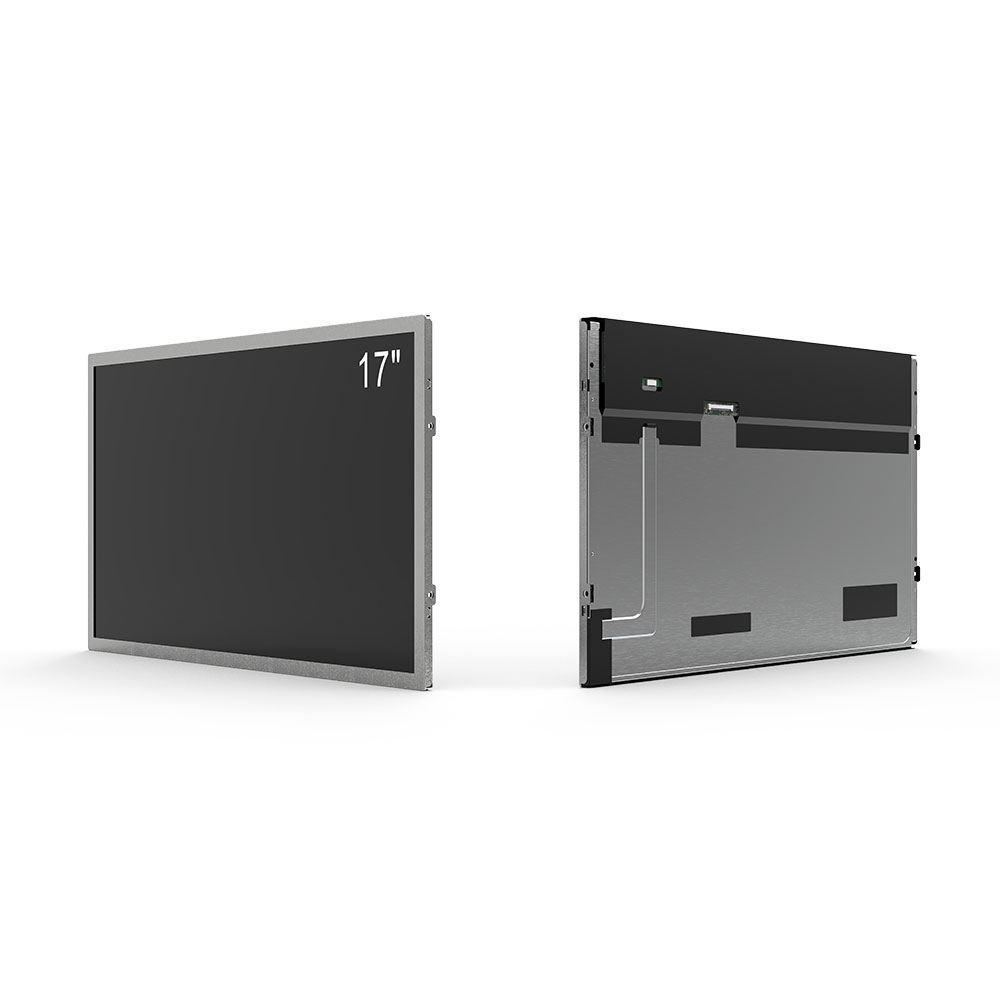
Thermal management is another crucial factor. High-brightness LEDs generate more heat than their standard counterparts, and excessive thermal buildup can shorten the lifespan of the display or cause image degradation. Advanced cooling solutions such as passive heatsinks, thermally conductive materials, and dynamic brightness control algorithms help regulate temperature. In some industrial applications, displays are tested under extreme temperatures ranging from -40°C to +70°C, ensuring reliability in both arctic and desert environments.
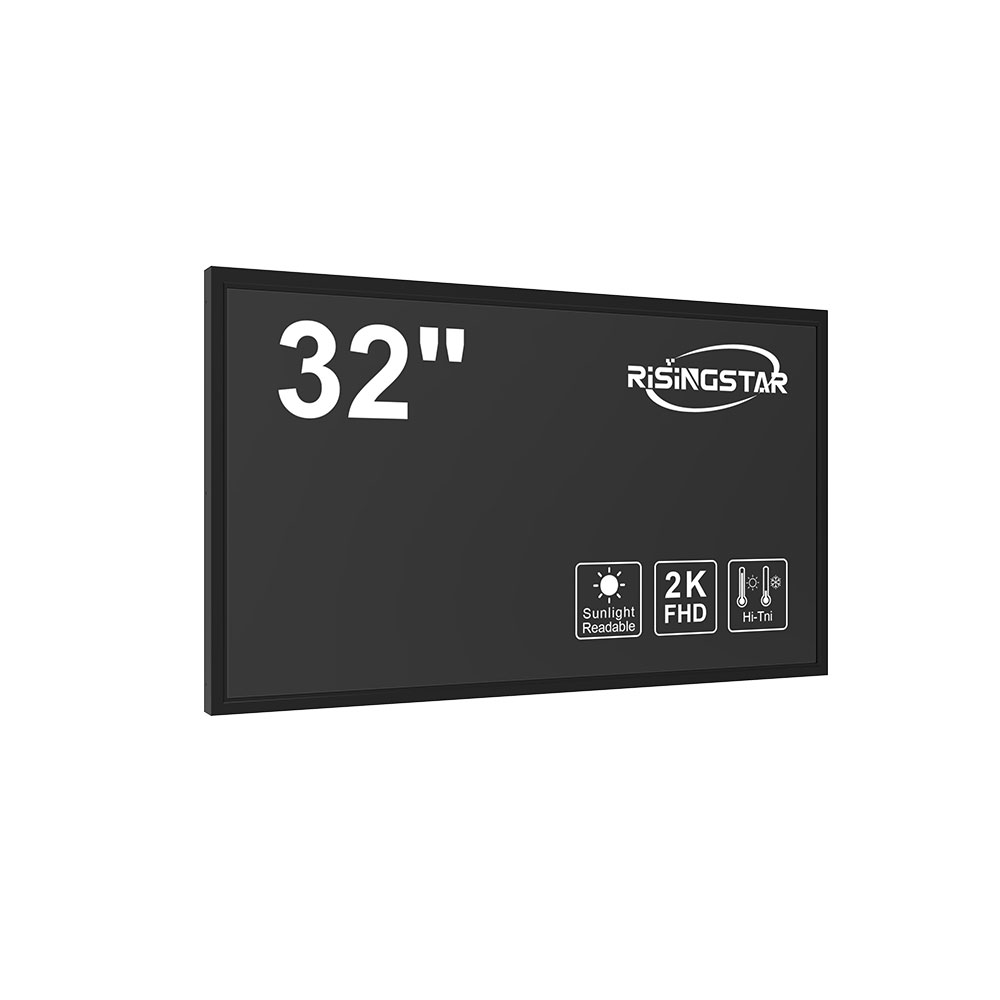
Manufacturers often follow international standards such as MIL-STD-810G for environmental testing, IEC 60068 for climate testing, and ISO 16750 for automotive applications. These certifications ensure that the display can withstand shock, vibration, humidity, and electromagnetic interference—factors that are especially critical in mobile platforms like drones, armored vehicles, or field medical devices.
Case studies demonstrate real-world performance. For instance, the U.S. Army’s Ground Vehicle Systems Center partnered with several display suppliers to test LCDs in combat vehicles. They found that traditional displays failed within minutes of exposure to direct sunlight, while certified sunlight-readable models maintained 95% readability over extended periods. Similarly, in agriculture, John Deere has integrated high-brightness LCDs into tractor dashboards to allow operators to monitor GPS navigation and equipment diagnostics without squinting—even during midday plowing.
Energy efficiency remains a concern, especially for battery-powered devices. To address this, many modern sunlight-readable LCDs utilize adaptive brightness control based on ambient light sensors. When sunlight intensity drops (e.g., at dusk or indoors), the backlight dims automatically, reducing power consumption by up to 50%. This feature is particularly valuable in portable medical devices, handheld UAVs, and remote monitoring systems where battery life is paramount.
Display technologies such as transflective LCDs offer a hybrid approach that combines the benefits of both transmissive and reflective modes. In bright sunlight, the reflective layer bounces ambient light back through the liquid crystals, reducing reliance on the backlight. At night or in low-light conditions, the display switches to transmissive mode, using the internal LED backlight. This dual-mode operation significantly improves energy efficiency while maintaining high readability—a major advantage in portable and ruggedized devices.
Additionally, touch functionality plays a vital role in outdoor usability. Capacitive touchscreens may fail under gloved hands or wet conditions, so many high-brightness displays now integrate resistive or infrared-based touch solutions that work reliably in all weather. Some models even include water-resistant enclosures rated IP65 or higher, protecting against dust, rain, and accidental submersion.
From an engineering standpoint, the selection of materials is equally important. The use of durable polycarbonate substrates, hardened Gorilla Glass or sapphire cover layers, and UV-stable polymers ensures longevity and resistance to scratches, impacts, and degradation due to prolonged UV exposure. For example, Corning’s Gorilla Glass 6 has been adopted in numerous military and industrial-grade displays due to its superior scratch resistance and impact durability.
Looking ahead, emerging trends include the adoption of OLED (Organic Light-Emitting Diode) and micro-LED technologies for even higher brightness levels and improved contrast. While OLEDs inherently offer better contrast than LCDs, they have historically struggled with burn-in and lower peak brightness. However, recent advances in pixel-level control and phosphor chemistry are addressing these issues. Micro-LED, though still expensive, promises true sunlight readability due to its self-emissive nature and ability to reach over 10,000 nits—making it ideal for future outdoor applications like augmented reality helmets or smart city kiosks.
Ultimately, the success of a high-brightness sunlight-readable LCD hinges on a holistic system design approach. It requires collaboration between display engineers, material scientists, thermal experts, and software developers to optimize performance across multiple dimensions: luminance, contrast, power efficiency, durability, and user interface responsiveness. As global markets expand—especially in solar-rich regions like Africa, the Middle East, and South Asia—there is a growing need for robust, scalable, and cost-effective solutions tailored to diverse environmental challenges.
This evolution reflects a broader shift in human-machine interaction: from passive viewing to active engagement in outdoor, mission-critical environments. Whether guiding a drone through a forest canopy, navigating a ship in open ocean, or administering emergency care in a field hospital, high-brightness sunlight-readable LCDs serve as the frontline interface between humans and machines—an indispensable tool in our increasingly demanding digital landscape.