 RisingStar
- Home
- About Us
- Products
- News
- Video
- Contact
- Send Inquiry
Search
- Home
- About Us
- Products
- News
- Video
- Contact
- Send Inquiry
RisingStar
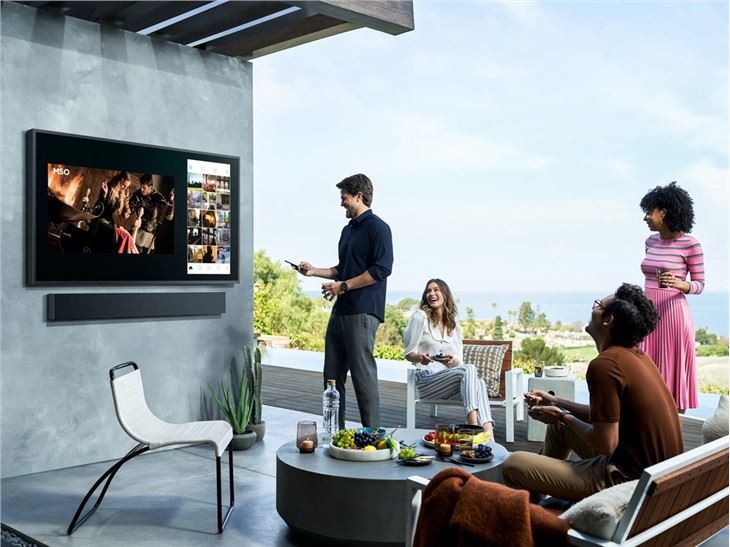
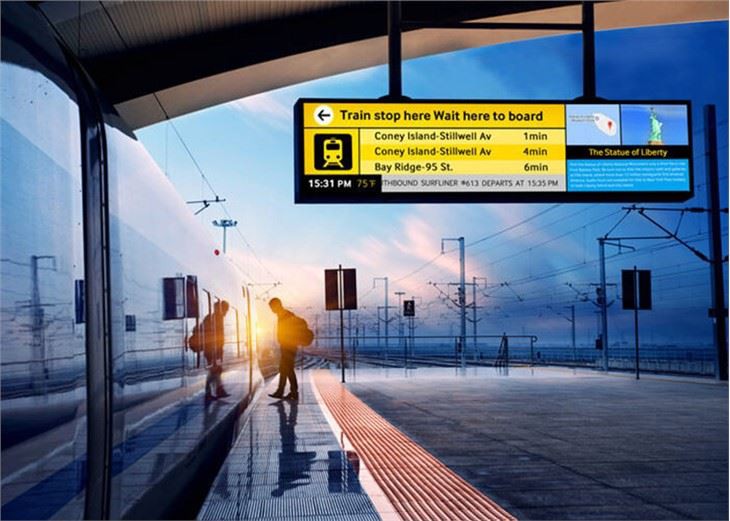
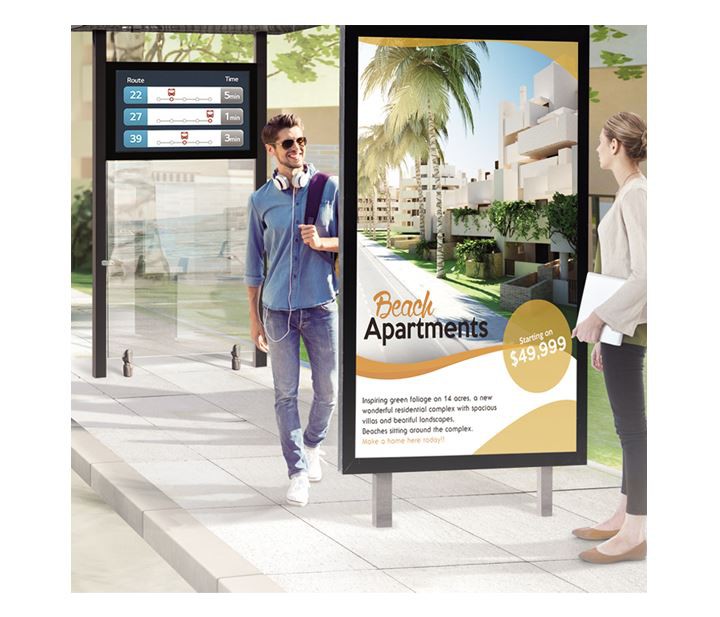
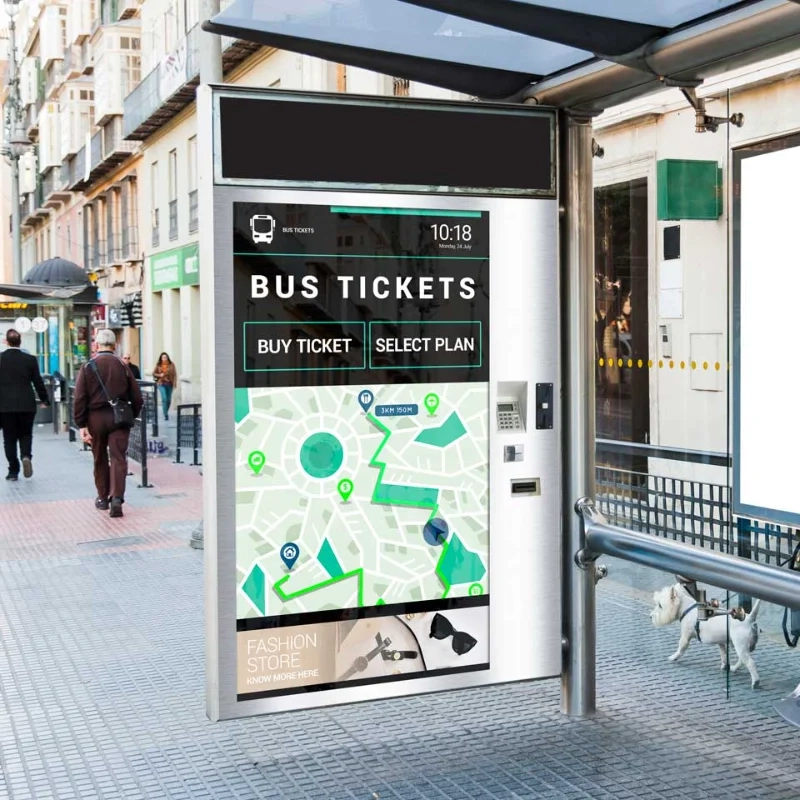
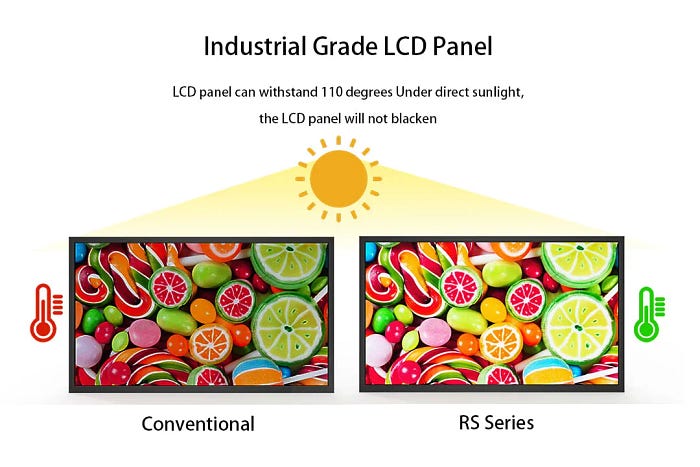
Sunlight-readable LCD displays are a critical innovation in modern electronics, particularly for applications requiring clear visibility under direct sunlight. These displays are engineered to maintain high contrast, color accuracy, and readability even in harsh outdoor lighting conditions—such as on construction sites, military vehicles, industrial control panels, public transportation systems, and solar-powered IoT devices. Unlike standard LCDs that often become unusable in bright daylight due to ambient light interference, sunlight-readable LCDs employ advanced technologies such as high-brightness LED backlights (typically 5,000 to 10,000 nits), anti-glare coatings, and optimized pixel architectures to ensure reliable performance.
One of the most widely adopted solutions is the use of transflective liquid crystal technology, which combines both transmissive and reflective modes. In low-light environments, it behaves like a traditional LCD by using an LED backlight; in bright sunlight, it leverages ambient light reflection off a metallic layer behind the pixels—dramatically reducing power consumption while enhancing brightness. This dual-mode approach is especially effective in battery-operated devices like handheld GPS units or field data loggers used in agriculture or environmental monitoring.
Practical applications extend beyond consumer electronics. For example, the U.S. Department of Defense mandates sunlight-readable displays for all tactical vehicle interfaces (e.g., Bradley Fighting Vehicles), where visibility is essential for mission success. Similarly, companies like Siemens and ABB integrate these displays into industrial automation systems deployed in outdoor manufacturing facilities, ensuring operators can read critical diagnostics without squinting or relying on shade.
Despite their advantages, challenges remain. Common issues include thermal sensitivity—where excessive heat degrades display lifespan—and limited viewing angles in some models. Additionally, achieving full sunlight readability without significantly increasing power draw remains a technical hurdle. However, recent advancements in OLED-based sunlight-readable displays (such as those developed by LG Display and BOE Technology) offer improved efficiency, wider viewing angles, and better contrast ratios, positioning them as future-ready alternatives to traditional LCDs.
The latest trend in this field is the integration of AI-driven adaptive brightness control. Devices now analyze ambient light levels in real time and automatically adjust brightness and contrast settings—not just for energy savings but also for eye comfort. This feature is already seen in premium automotive infotainment systems and smart city kiosks, aligning with global efforts to reduce energy consumption while maintaining usability.
In summary, sunlight-readable LCDs are no longer niche components—they are foundational to modern outdoor human-machine interfaces. With continuous improvements in materials science, backlighting, and intelligent software optimization, they represent one of the most resilient and versatile display technologies available today.