RisingStar
- Home
- About Us
- Products
- News
- Video
- Contact
- Send Inquiry
Search
- Home
- About Us
- Products
- News
- Video
- Contact
- Send Inquiry
RisingStar
In today’s increasingly mobile and outdoor-centric world, high-brightness sunlight-readable LCD screens have become essential components in industries such as military, transportation, medical devices, and industrial automation. These displays are engineered to remain legible under direct sunlight—a challenge that standard LCDs fail to meet due to insufficient luminance and poor contrast ratios.
A typical indoor LCD screen operates at around 250–300 nits of brightness, which is inadequate when exposed to ambient light exceeding 10,000 lux—common in daylight conditions. In contrast, high-brightness sunlight-readable LCDs must deliver a minimum of 1,500 nits (often up to 5,000 nits or more), ensuring visibility even under extreme solar radiation. This performance is achieved through several key technologies:
First, advanced backlighting systems—such as high-efficiency LED arrays with optimized optical films—are used to boost luminance without excessive power consumption. For example, some modern military-grade displays use dual-layer diffuser plates and prismatic films to distribute light uniformly across the panel while minimizing glare.
Second, anti-reflective coatings and polarized filters reduce surface reflection by over 90%, preventing image distortion caused by ambient light. These coatings often employ nanostructured surfaces or multi-layer dielectric stacks that selectively reflect unwanted wavelengths while allowing visible light transmission.
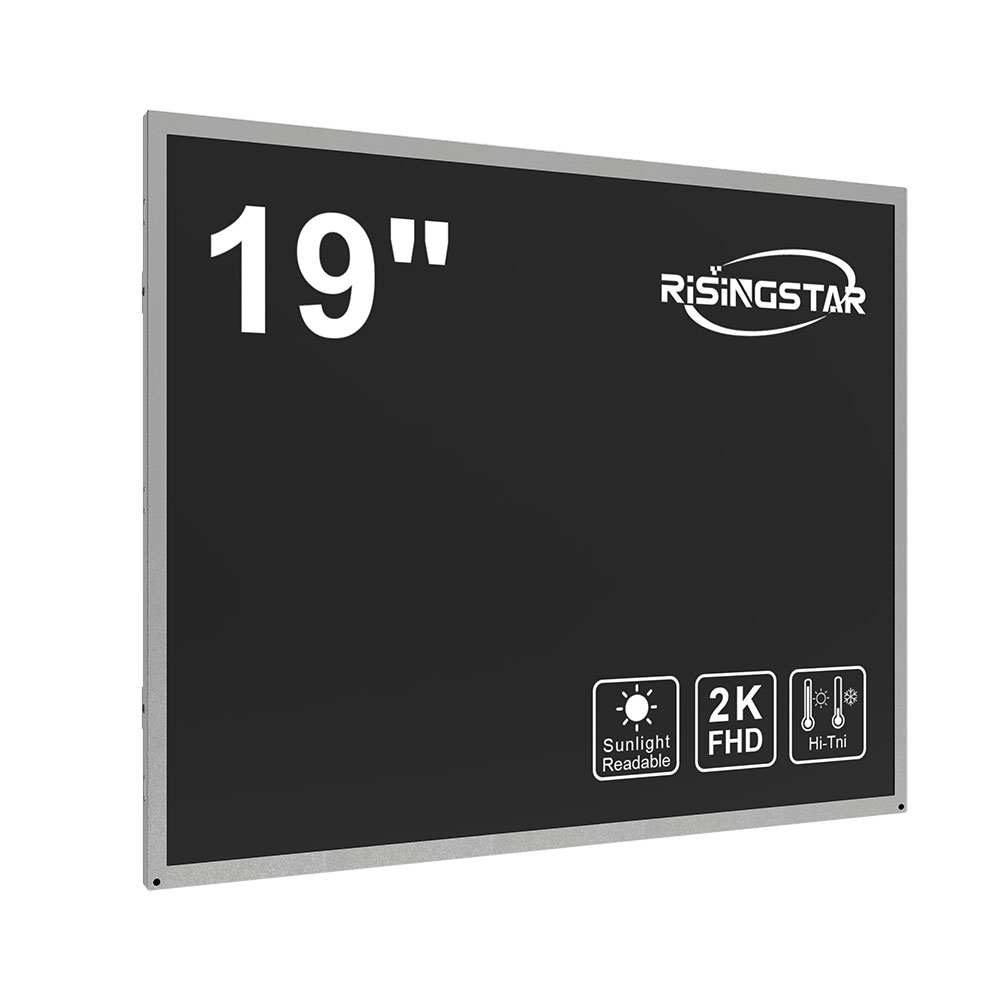
Third, active matrix technology—especially TFT (Thin-Film Transistor) panels—ensures rapid response times and consistent color reproduction, critical for dynamic outdoor environments where motion and changing lighting conditions are common. High-end models may also incorporate adaptive brightness control using ambient light sensors to optimize power efficiency without sacrificing readability.
Case studies from real-world applications validate these advancements. For instance, the U.S. Department of Defense has adopted sunlight-readable displays in UAVs (Unmanned Aerial Vehicles) and field communication units, where display clarity directly impacts mission success. Similarly, in automotive infotainment systems, manufacturers like Bosch and Continental have integrated 3,000-nit displays into vehicle dashboards, enabling drivers to view navigation and safety alerts clearly during daytime driving.
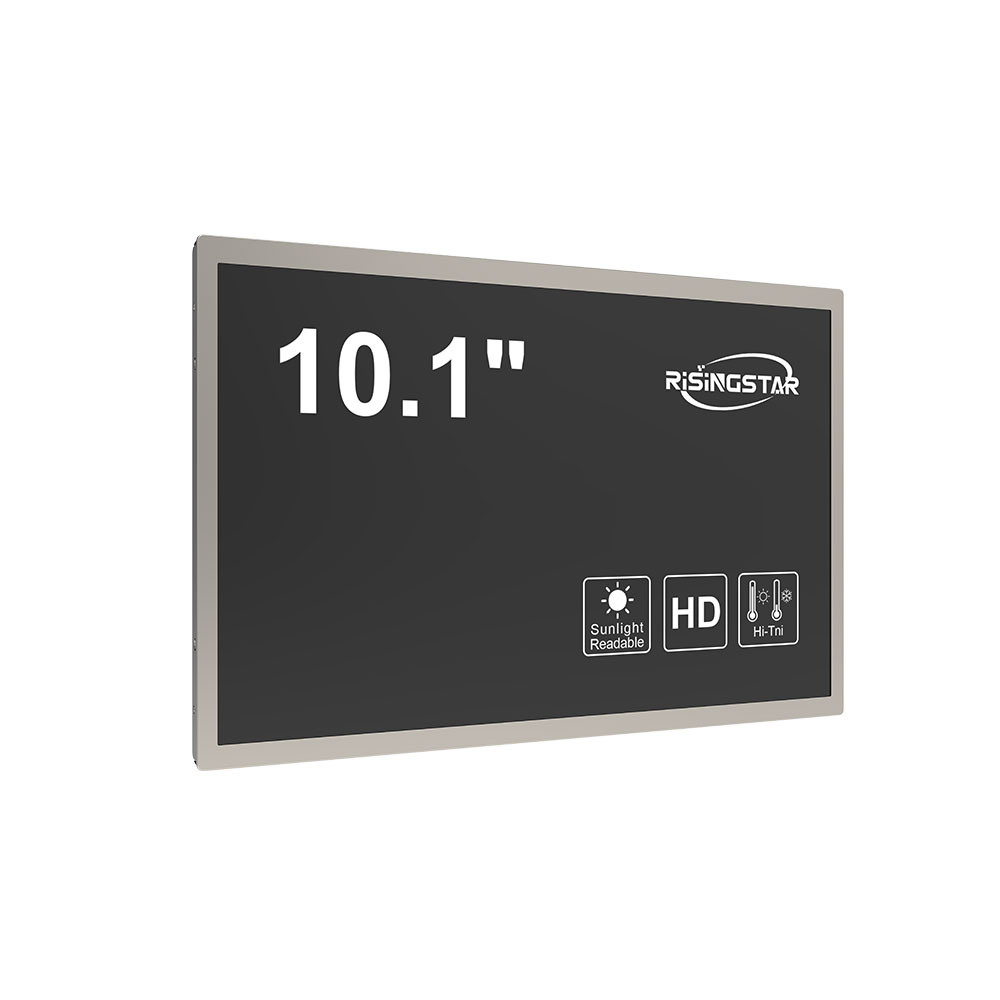
Moreover, compliance with international standards such as MIL-STD-810G (for environmental durability) and IEC 60068 (for climatic testing) ensures reliability in harsh conditions—from freezing temperatures to intense UV exposure. The use of ruggedized glass, sealed enclosures, and wide operating temperature ranges (-30°C to +70°C) further enhances longevity in outdoor settings.
From an engineering perspective, the design process involves iterative prototyping, photometric analysis, and user-centered testing to balance brightness, power, and thermal management. Engineers must also consider human factors—such as eye strain reduction through adjustable contrast and color temperature—to improve long-term usability.
As smart cities, autonomous vehicles, and IoT-enabled outdoor equipment grow in complexity, the demand for robust, sunlight-readable LCDs will continue to rise. Companies like Sharp, LG Display, and Innolux are investing heavily in next-generation technologies such as micro-LED backlights and quantum dot-enhanced panels to push brightness limits even further while maintaining energy efficiency.
Ultimately, high-brightness sunlight-readable LCDs represent not just a technical advancement but a strategic enabler of operational effectiveness across diverse sectors. Their ability to function reliably in any lighting condition makes them indispensable for modern outdoor electronics.