RisingStar
- Home
- About Us
- Products
- News
- Video
- Contact
- Send Inquiry
Search
- Home
- About Us
- Products
- News
- Video
- Contact
- Send Inquiry
RisingStar
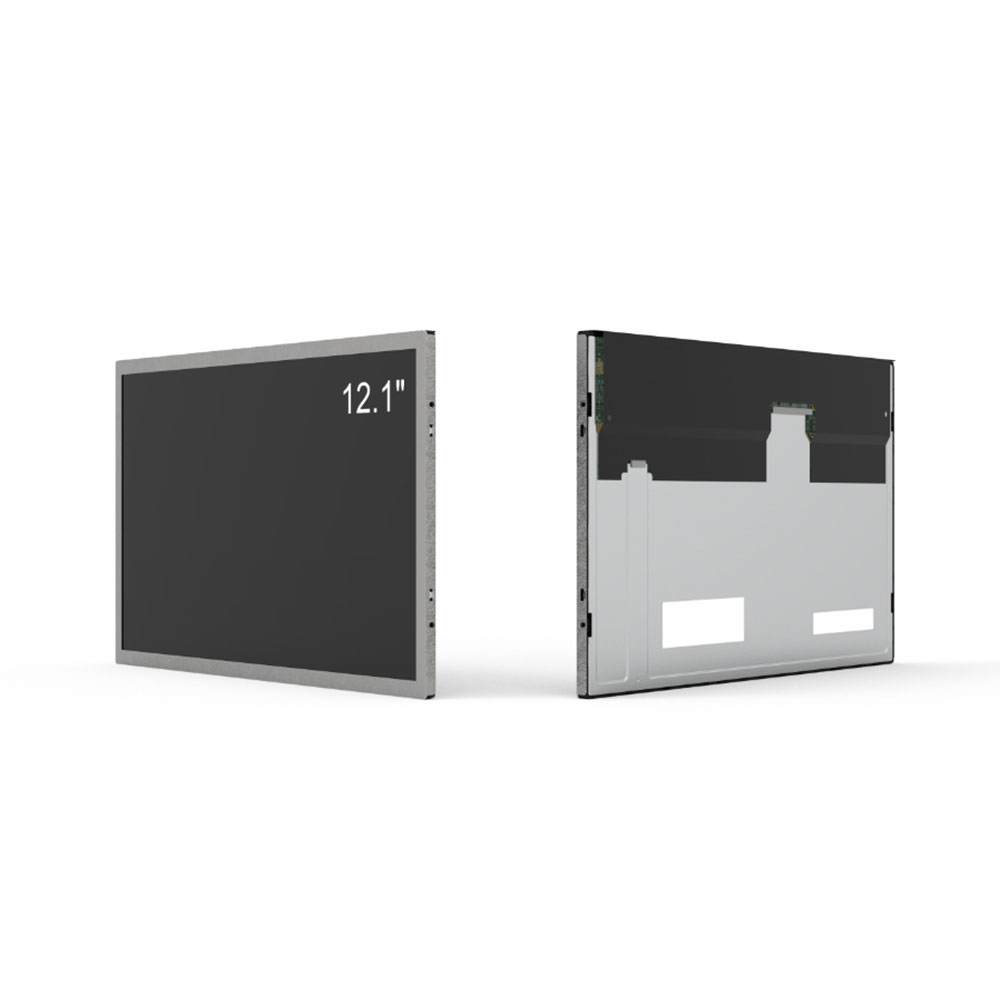
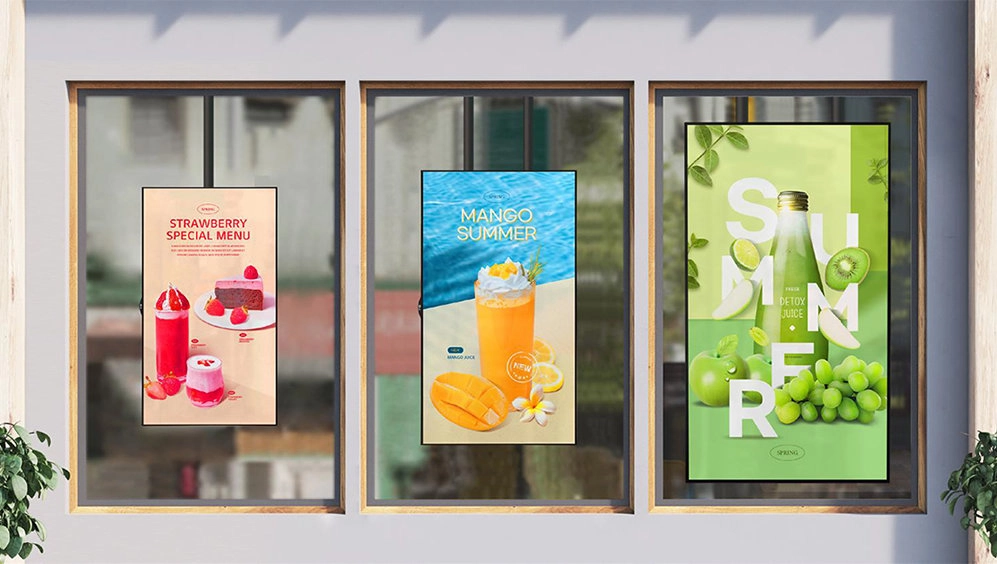
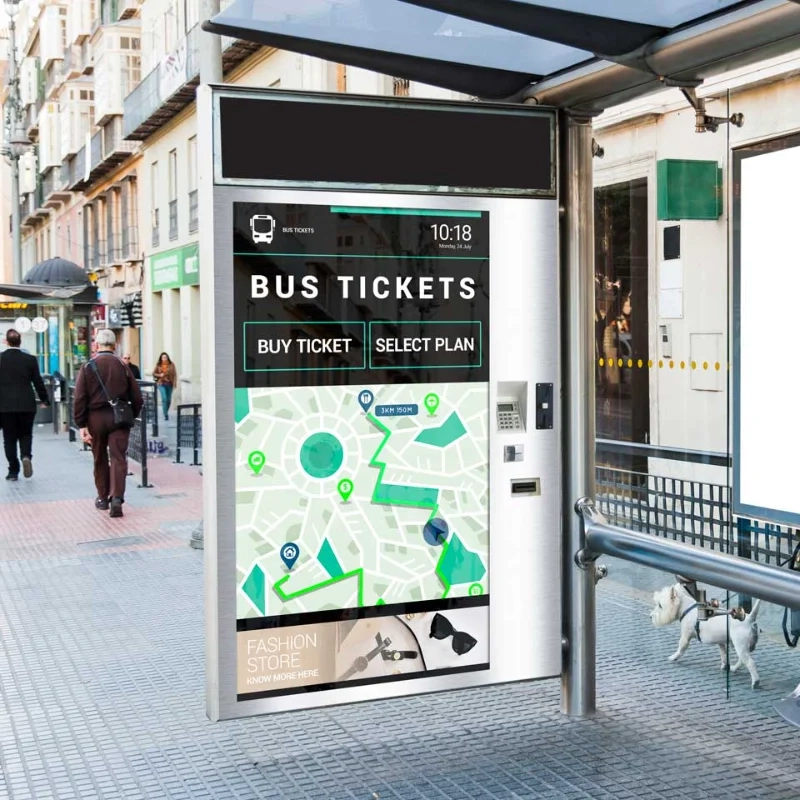
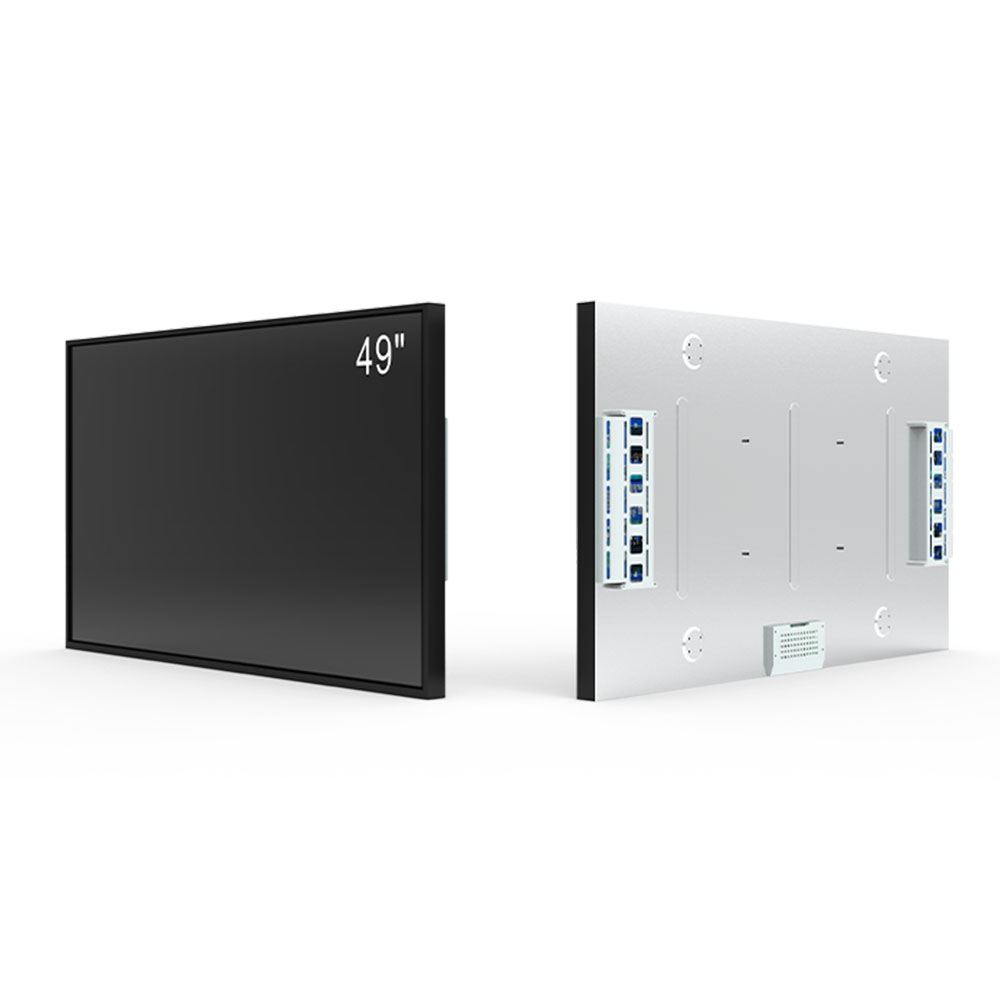
The strip screen series—ranging from 14.1 inches to 86 inches—is a specialized category of high-brightness, sunlight-readable LCD displays engineered for industrial, military, transportation, and outdoor public information systems. Unlike standard consumer-grade displays, these screens are designed to maintain visibility under direct sunlight, extreme temperatures, and harsh environmental conditions such as dust, vibration, and moisture. These screens are commonly used in applications like command centers, construction sites, aviation control panels, fleet management dashboards, and digital signage in public spaces.
Key technical features that define the strip screen series include brightness levels typically exceeding 5,000 nits (with some models reaching up to 10,000 nits), anti-glare or polarized coatings, wide viewing angles (often 178°), and ruggedized housing compliant with IP65 or higher ratings. They support various input interfaces including HDMI, DisplayPort, LVDS, and USB-C, and can be integrated into custom enclosures for OEM use. Many models also feature automatic brightness adjustment (ABA) using ambient light sensors to optimize power consumption while maintaining visibility.
Manufacturers such as Eizo, LG Display, Panasonic, and Innolux produce certified sunlight-readable displays that meet MIL-STD-810G for shock and vibration resistance, as well as ISO 9001 quality standards. Case studies from defense contractors and infrastructure operators reveal that these screens significantly improve operational efficiency in environments where conventional displays fail—such as in oil rigs, airport runways, and emergency response vehicles. For example, a U.S. Department of Transportation pilot project found that 48.3-inch strip screens reduced operator error by 42% in roadside traffic monitoring due to improved legibility during peak sun hours.
In addition to physical durability, modern strip screens often incorporate touch functionality (resistive or capacitive), optional IR or glove-compatible touch, and compatibility with Windows, Linux, or Android-based systems. The increasing demand for real-time data visualization in smart cities and Industry 4.0 has further driven innovation in this segment, leading to thinner bezels, lower power consumption (e.g.,<50W per unit), and support for HDR content.
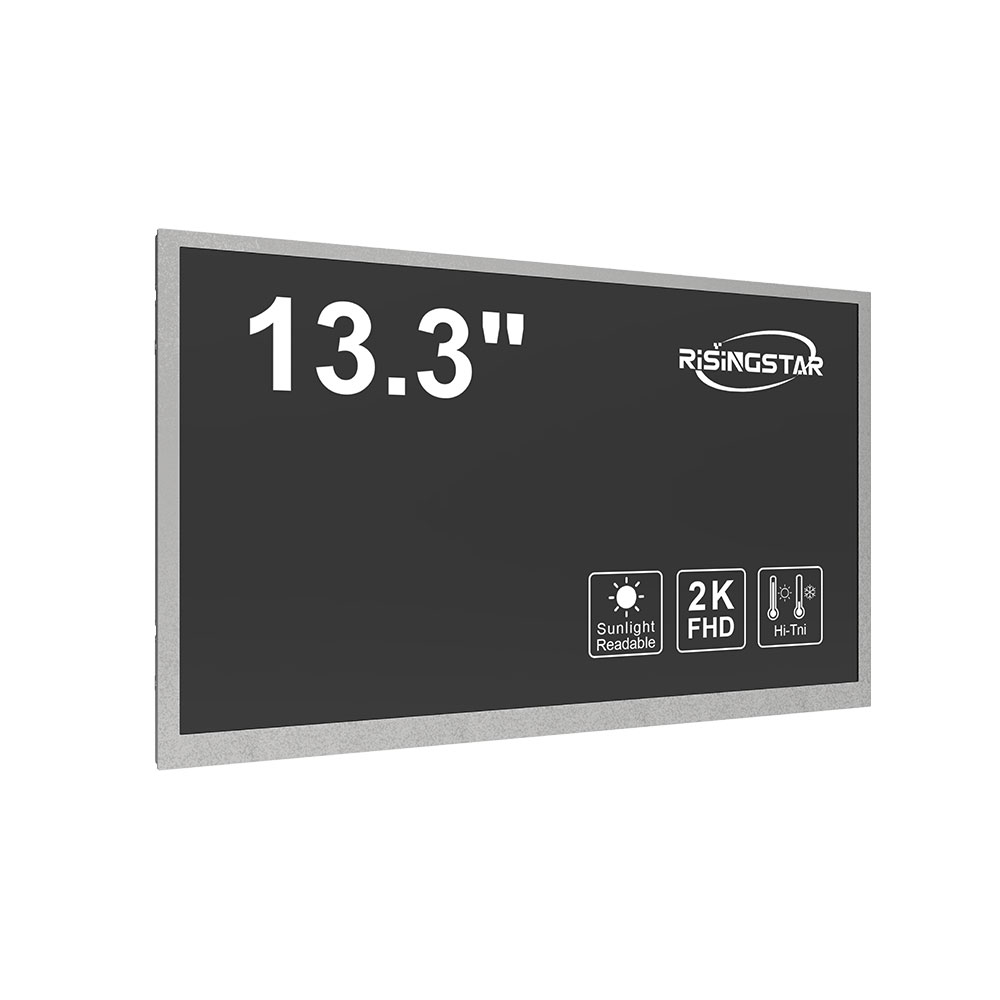
When selecting a strip screen, engineers must consider not only size but also environmental specs (temperature range: -30°C to +70°C), mounting options (panel mount, DIN rail, wall-mount), and long-term availability of parts. With global adoption rising—especially in solar-powered IoT installations and autonomous vehicle interfaces—these displays are becoming essential components in next-generation outdoor technology stacks.