RisingStar
- Home
- About Us
- Products
- News
- Video
- Contact
- Send Inquiry
Search
- Home
- About Us
- Products
- News
- Video
- Contact
- Send Inquiry
RisingStar
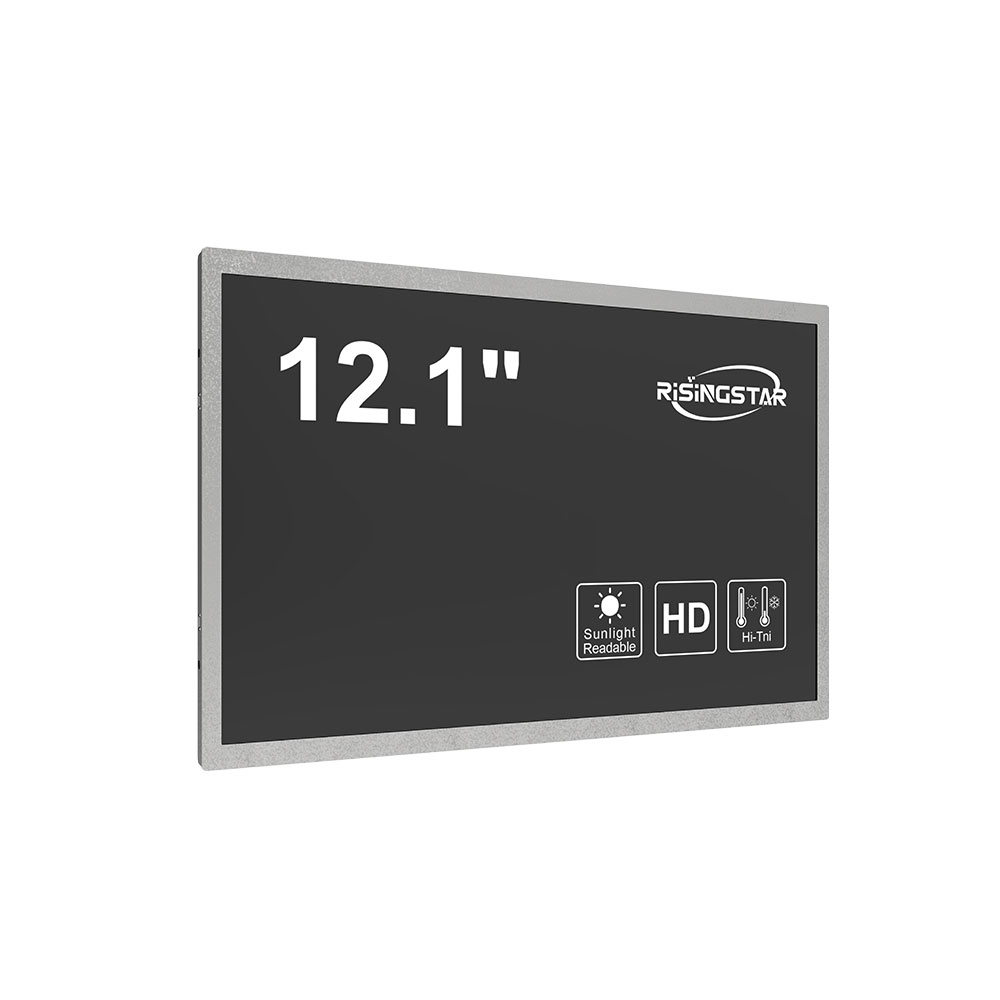
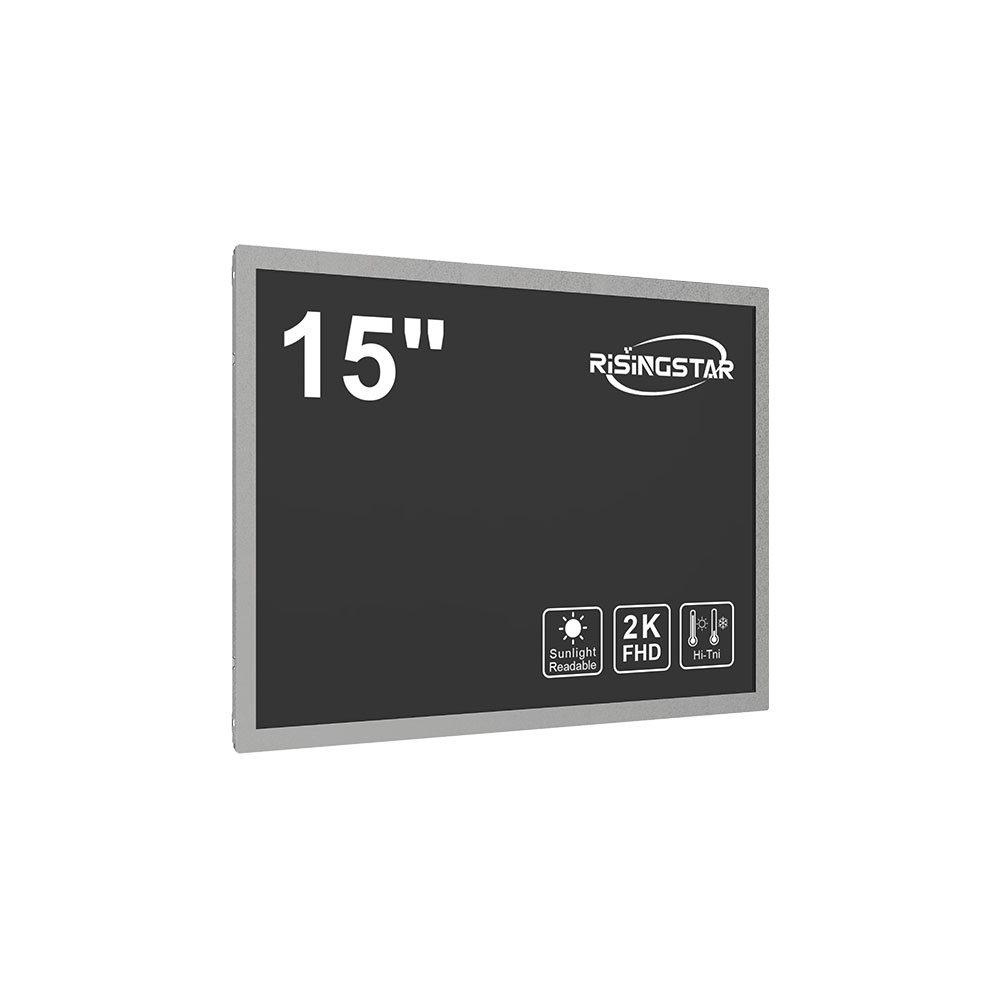
In outdoor environments where ambient light levels can exceed 100,000 lux—such as in military operations, transportation systems, or industrial control panels—standard LCD screens often fail to provide adequate visibility. This is where sunlight-readable LCD displays become essential. These specialized screens are engineered to maintain clarity and usability under direct sunlight by leveraging advanced optical technologies, high-brightness backlighting, and anti-glare surface treatments.
Sunlight-readable LCDs typically achieve brightness levels of 3,000 to 5,000 cd/m² (candela per square meter), significantly higher than the 250–400 cd/m² common in consumer-grade displays. For example, the U.S. Department of Defense mandates that military-grade display systems must be readable at 5,000 cd/m² minimum in full sunlight, a standard widely adopted in defense, aerospace, and public infrastructure applications. Industry leader LG Display and Japan Display Inc. have developed proprietary techniques such as “Super Bright” LED backlights and optimized pixel architectures to meet these demands.
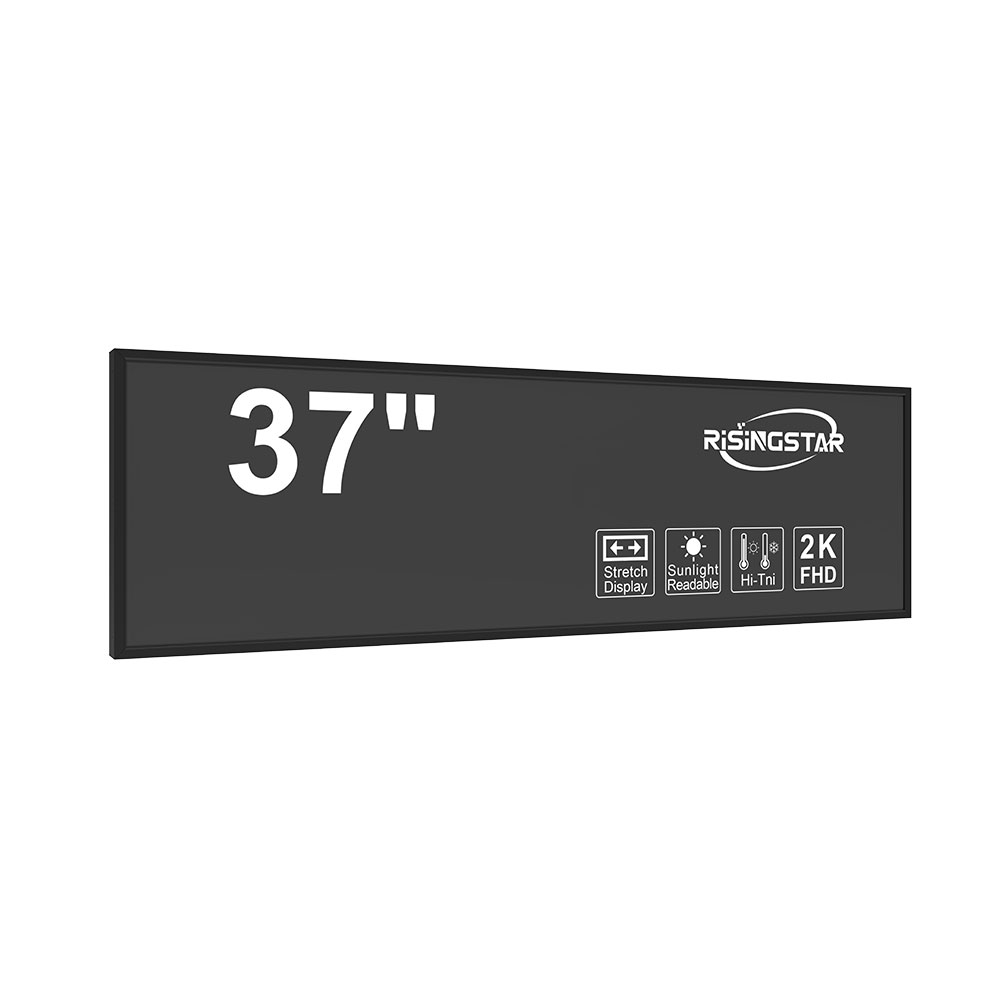
One critical component is the use of transflective liquid crystal technology, which combines reflective and transmissive modes. In bright conditions, the screen uses ambient light like a mirror, reducing power consumption; in low-light settings, it switches to a backlight mode. This dual-mode approach is particularly effective in battery-powered devices such as handheld field computers or vehicle-mounted navigation units.
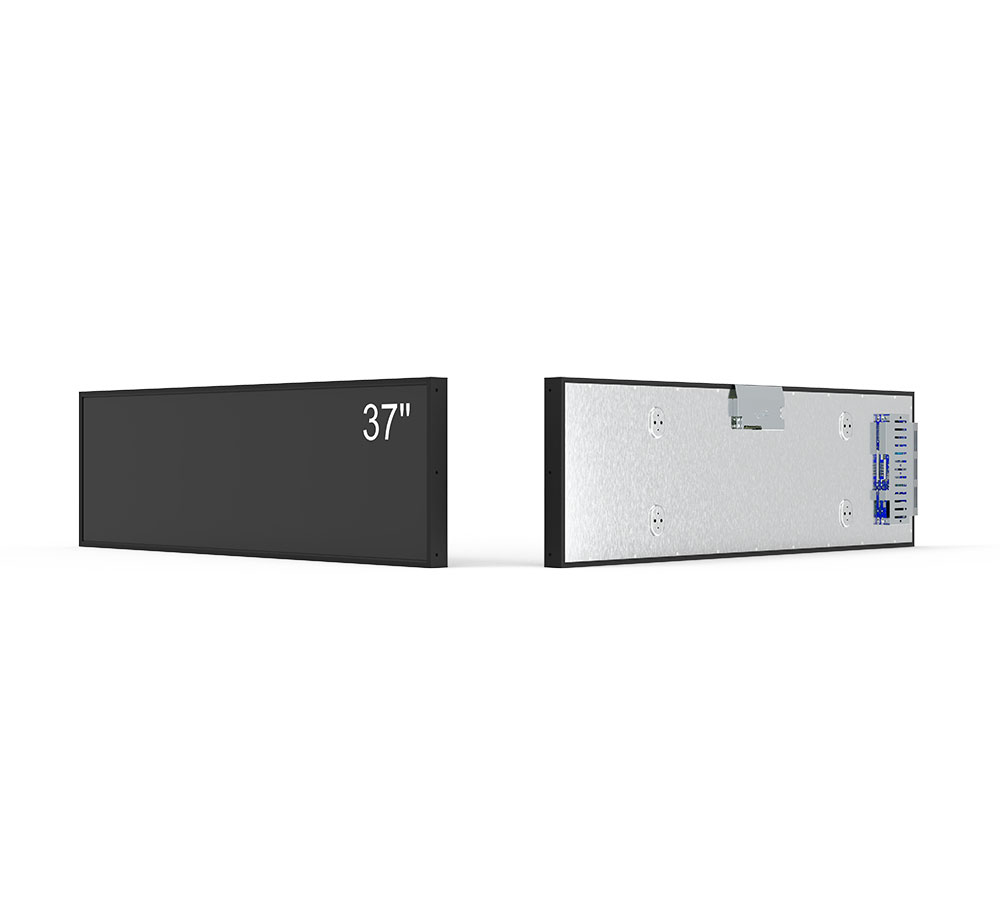
Another key innovation is the integration of anti-reflective (AR) coatings and polarized filters. These reduce glare from sunlight while preserving contrast ratios above 1000:1—essential for readability in variable lighting. According to IEEE Transactions on Consumer Electronics (2022), AR-coated panels show up to 60% less reflection compared to uncoated alternatives, enhancing user experience without compromising durability.
Thermal management also plays a vital role. Outdoor displays must operate reliably between -20°C and +70°C. Engineers incorporate heat-dissipating materials such as aluminum frames and thermal interface materials (TIMs) to prevent overheating, especially in hot climates like deserts or tropical regions. The MIL-STD-810G standard, widely referenced in ruggedized electronics, validates environmental resilience including shock, vibration, and humidity resistance.
Case studies support these design principles. For instance, Siemens implemented sunlight-readable LCDs in its railway signaling systems across Scandinavia, where extreme winter daylight variability required consistent visibility. Similarly, Samsung’s Galaxy Tab Active series for field service technicians employs a 3,000 cd/m² screen with Gorilla Glass 6 protection, achieving both IP68 dust/water resistance and excellent outdoor readability.
As global demand grows—especially in smart city infrastructure, electric vehicle dashboards, and autonomous vehicle interfaces—sunlight-readable LCDs are becoming a necessity rather than an option. OEMs now integrate these screens early in product development to ensure compliance with international standards such as EN 60950 (safety) and IEC 60068 (environmental testing).
The future lies in adaptive brightness algorithms powered by ambient light sensors and machine learning models that dynamically adjust screen luminance based on real-time sunlight intensity, further optimizing power efficiency and visual performance. With continuous innovation in materials science and display engineering, sunlight-readable LCDs will remain indispensable in any environment where human-machine interaction must function flawlessly under natural light extremes.