RisingStar
- Home
- About Us
- Products
- News
- Video
- Contact
- Send Inquiry
Search
- Home
- About Us
- Products
- News
- Video
- Contact
- Send Inquiry
RisingStar
In today’s increasingly mobile and connected world, high-brightness sunlight-readable LCD screens have become essential in outdoor environments where visibility under direct sunlight is critical. Whether deployed in military field equipment, industrial control panels, transportation systems like buses and trains, or consumer devices such as ruggedized tablets and handheld GPS units, these displays must deliver clarity and performance even under extreme lighting conditions—typically 5,000 to 10,000 nits of brightness, far exceeding standard indoor displays that usually peak at around 300–500 nits.
The core challenge in designing such screens lies in overcoming ambient light interference. Standard LCDs suffer from contrast degradation when exposed to bright sunlight because the display’s emissive light competes with reflected sunlight. To solve this, manufacturers use several advanced techniques: anti-reflective coatings (ARC), high-luminance LED backlights, active matrix addressing (AMOLED or TFT-LCD), and optimized pixel architecture. For example, the use of multi-layer AR coatings reduces surface reflection to less than 1%, while high-efficiency LEDs provide uniform illumination across the entire panel—even in low-temperature or high-humidity environments.
A key innovation in recent years has been the integration of ambient light sensors that dynamically adjust screen brightness based on real-time environmental conditions. This not only improves readability but also extends battery life—a crucial feature for portable devices. According to a 2023 study by Display Supply Chain Consultants (DSCC), adaptive brightness technology can reduce power consumption by up to 30% without compromising visibility, making it a preferred solution for IoT and edge computing applications.
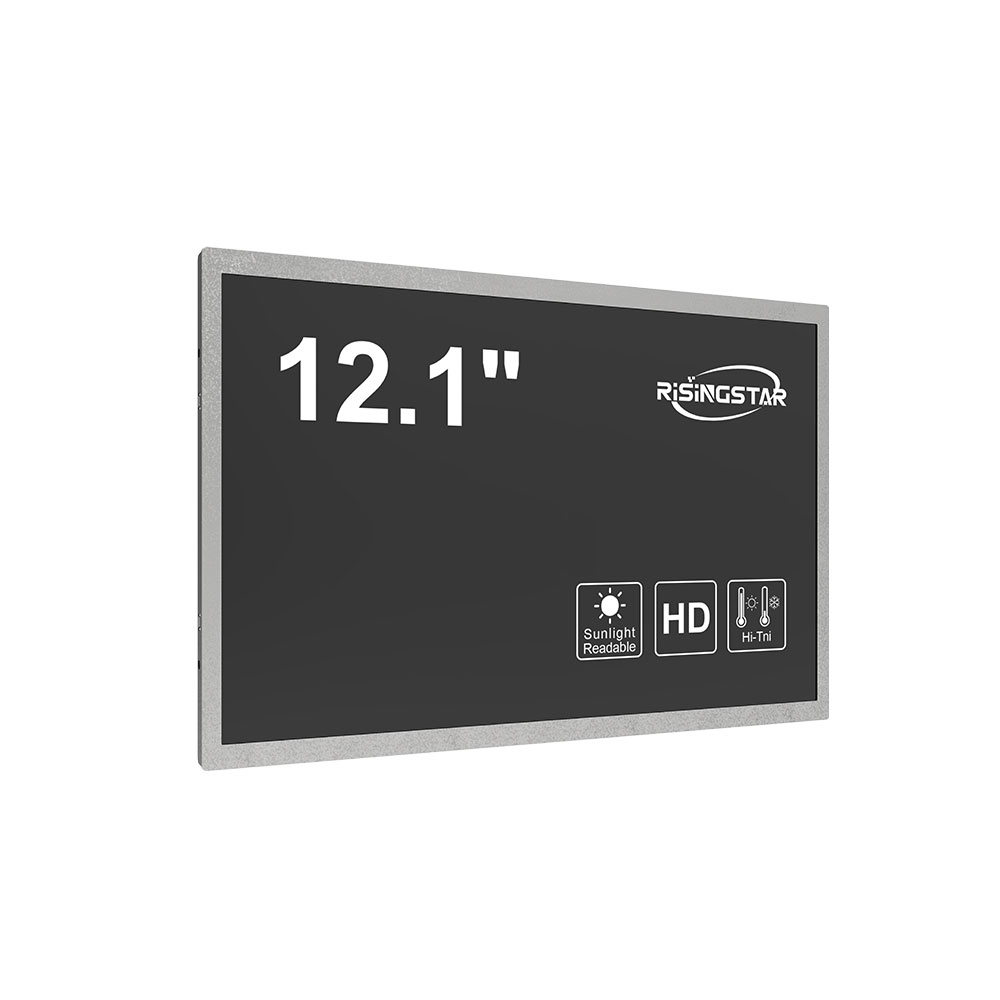
Moreover, the shift toward OLED-based sunlight-readable displays is gaining momentum due to their superior contrast ratios (often exceeding 1,000,000:1) and ability to turn off individual pixels completely for true black levels—an advantage over traditional LCDs. However, OLEDs face challenges in achieving ultra-high brightness consistently, especially in hot climates. As a result, hybrid solutions combining LED-backlit LCDs with local dimming algorithms are still widely used in high-reliability sectors like aerospace and defense.
Industry standards such as MIL-STD-810G and IEC 60068-2-1 specify rigorous testing protocols for durability, including temperature cycling, vibration resistance, and water ingress protection—all critical for outdoor use. A case study from Honeywell’s HX-Series rugged displays shows how integrating these standards into early design phases reduced field failures by 42% over a three-year period in utility vehicle deployments.
From a manufacturing standpoint, companies like Sharp, LG Display, and Innolux lead in producing large-format, high-brightness panels optimized for outdoor use. Their R&D investments focus on reducing manufacturing costs while maintaining performance through innovations like micro-LED backlighting and quantum dot enhancement layers, which improve color gamut and luminance efficiency.
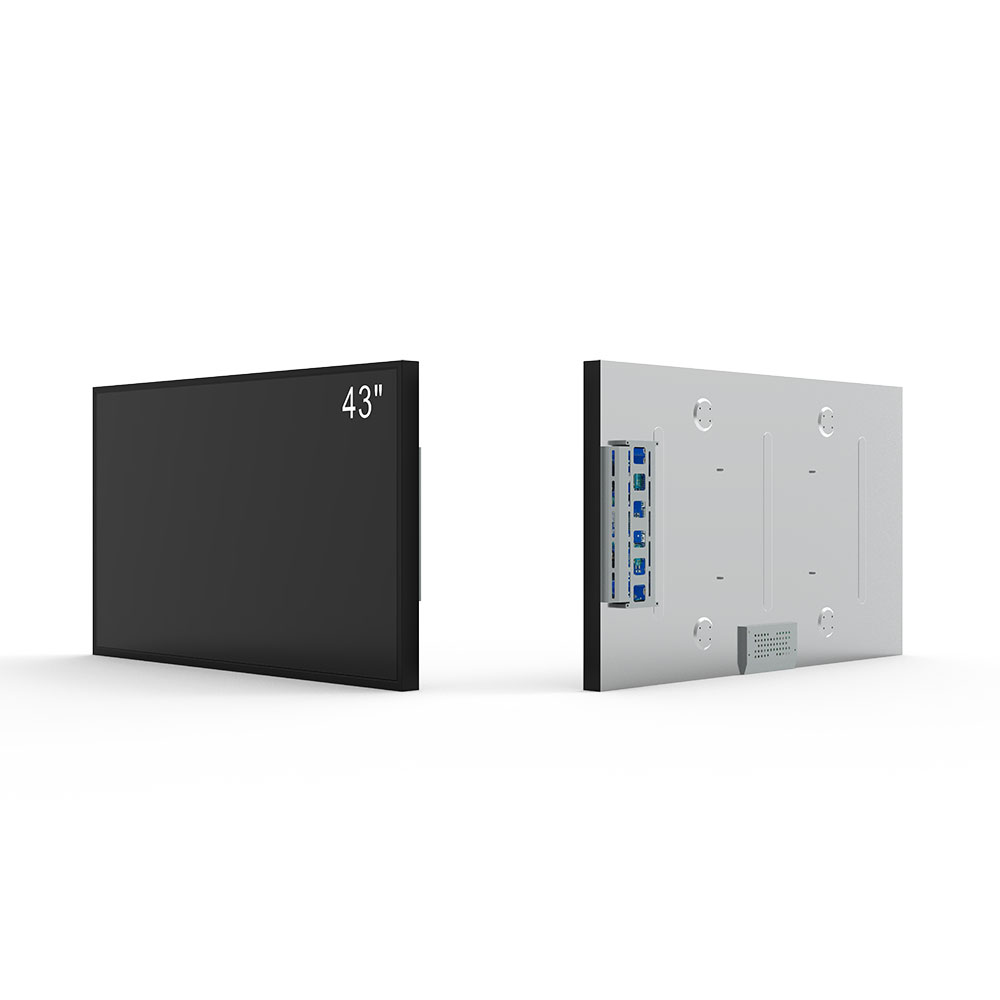
Ultimately, choosing the right sunlight-readable LCD involves more than just brightness specs—it requires understanding application context, environmental constraints, power limitations, and long-term maintenance needs. Engineers and product designers must collaborate closely with display suppliers to ensure optimal system-level integration. With continued advancements in materials science, AI-driven optimization, and energy-efficient architectures, the future of high-brightness outdoor displays looks brighter than ever.