RisingStar
- Home
- About Us
- Products
- News
- Video
- Contact
- Send Inquiry
Search
- Home
- About Us
- Products
- News
- Video
- Contact
- Send Inquiry
RisingStar
In today's increasingly mobile and connected world, the demand for high-brightness sunlight-readable LCD screens is surging—especially in military, industrial, transportation, and outdoor consumer applications. These specialized displays must perform reliably under intense solar radiation, extreme temperatures, and unpredictable environmental conditions such as dust, moisture, and vibration. Unlike standard LCDs that fail to maintain visibility in direct sunlight, sunlight-readable LCDs are engineered with advanced optical and materials technologies to ensure legibility even at 10,000+ lux illumination levels.
The core challenge in designing a sunlight-readable LCD lies in balancing brightness, contrast, and power efficiency while maintaining durability. Traditional LCDs typically offer peak brightness between 250–500 nits, which becomes ineffective when ambient light exceeds 5,000 lux—a common condition during midday sun. High-brightness models now exceed 5,000 nits (and some reach up to 10,000 nits), often using LED backlighting systems with dynamic brightness control, anti-reflective coatings, and polarized glass layers to minimize glare and maximize contrast ratios above 1000:1.
A key innovation in modern sunlight-readable displays is the use of transflective technology. Transflective LCDs combine reflective and transmissive modes: they rely on ambient light for reflection in bright environments and switch to active backlighting in low-light settings. This hybrid approach improves energy efficiency by up to 40% compared to fully transmissive panels while preserving readability under all lighting conditions—an essential feature for battery-powered field devices like handheld military radios or remote weather stations.
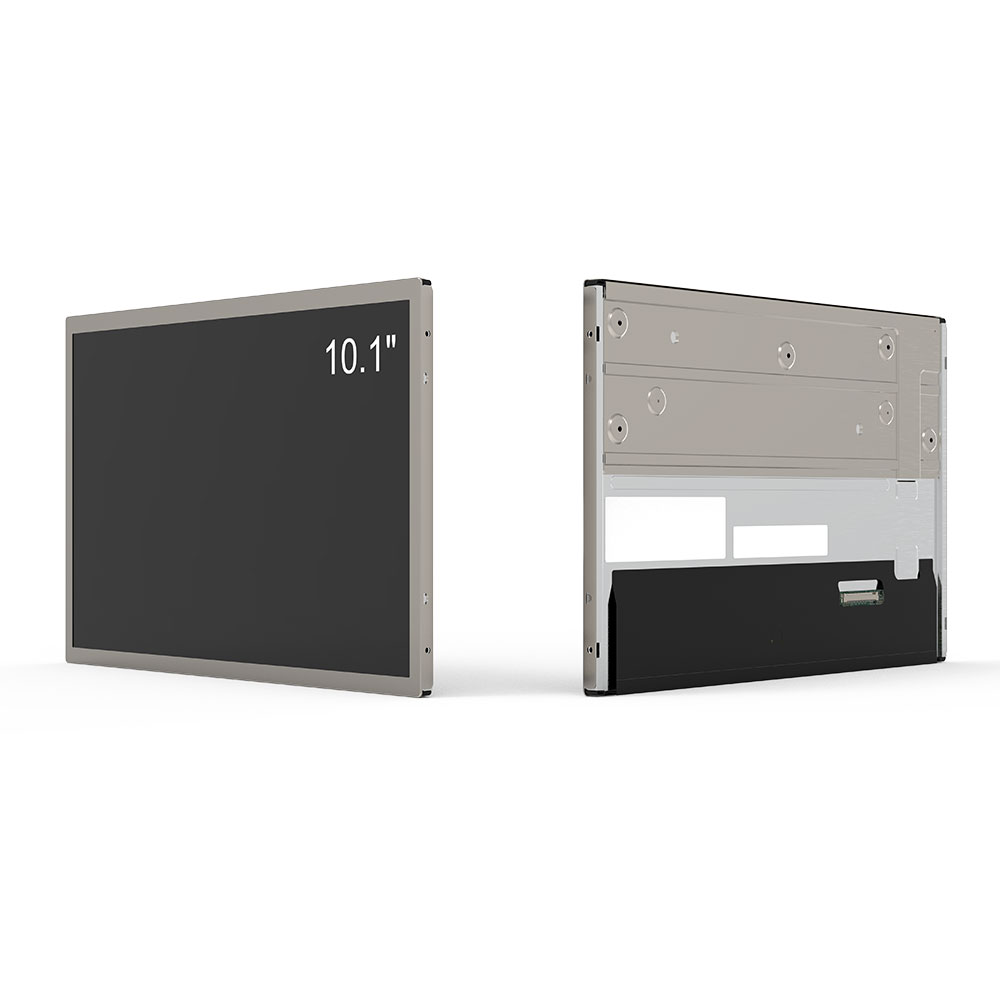
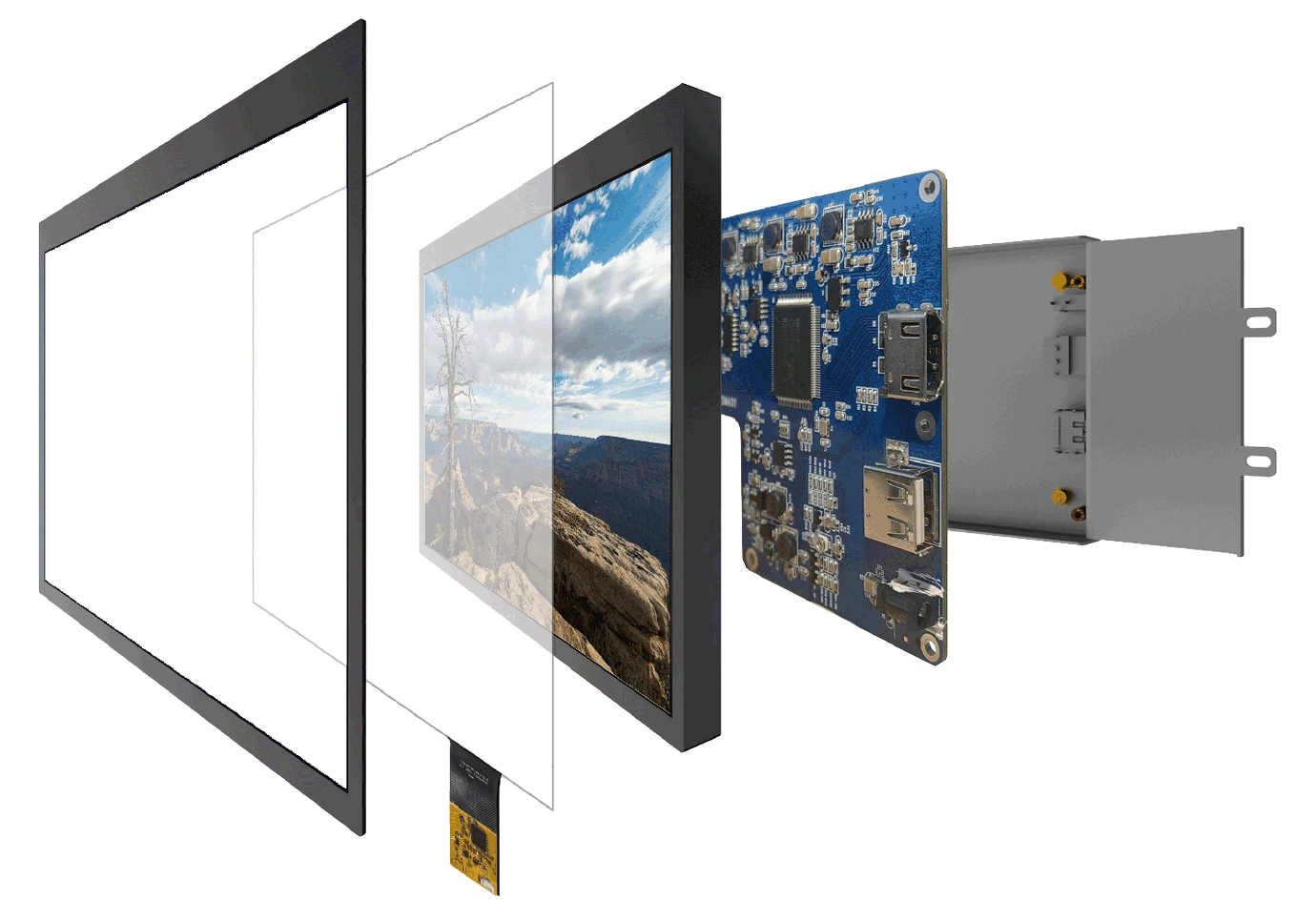
Another critical factor is ruggedization. These displays must meet MIL-STD-810G standards for shock, vibration, temperature extremes (-30°C to +70°C), and ingress protection (IP65/IP67). Case studies from manufacturers like Eizo, Cogent, and LG Display show that encapsulated glass laminates, reinforced bezels, and conformal coatings significantly reduce failure rates in harsh environments. For example, the U.S. Army’s AN/PRC-152 radio uses a 7-inch sunlight-readable display rated at 7,000 nits, enabling clear visibility across diverse terrains—from desert heat to Arctic cold.
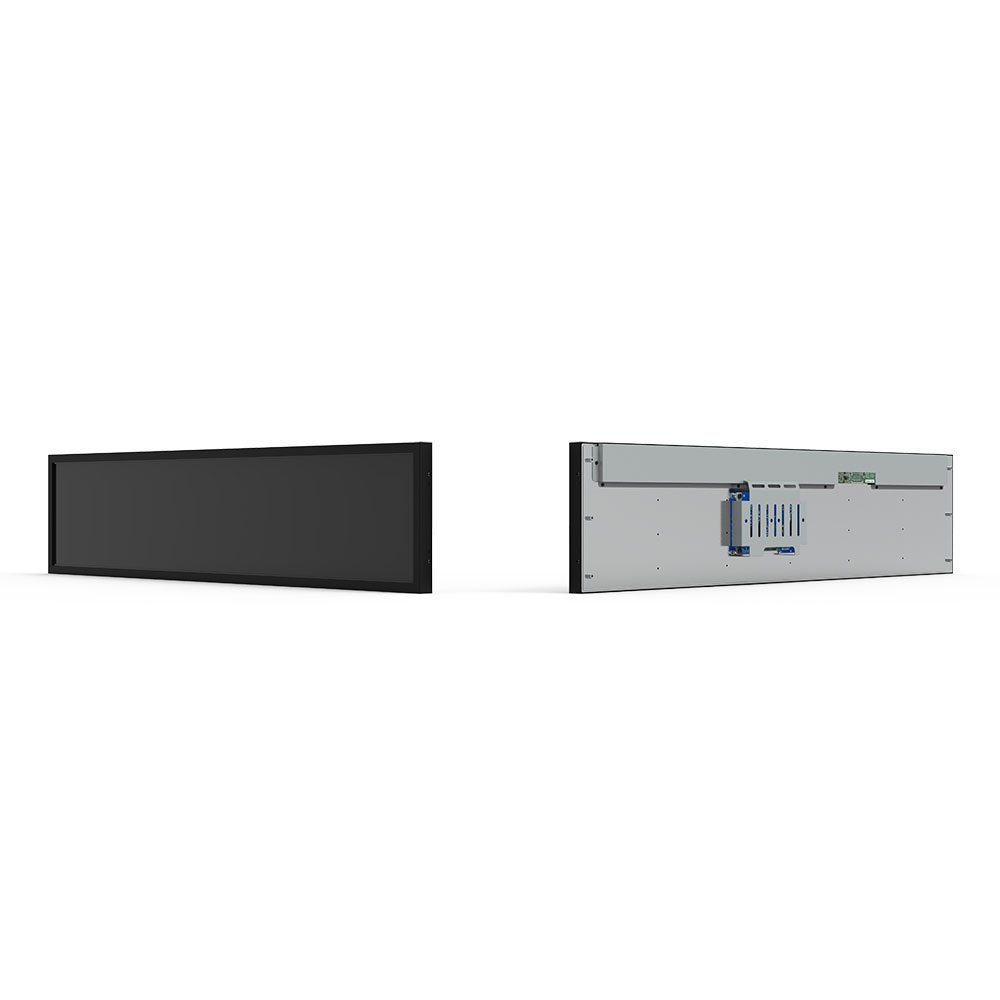
Furthermore, smart features such as automatic brightness adjustment via ambient light sensors and touch response optimization enhance usability. In automotive dashboards and construction equipment, these capabilities reduce driver fatigue and increase operational safety. According to a 2023 report by MarketsandMarkets, the global market for sunlight-readable displays is projected to grow at a CAGR of 7.3% through 2028, driven by increased adoption in autonomous vehicles, IoT edge devices, and defense systems.
In conclusion, high-brightness sunlight-readable LCDs are not just an upgrade—they are a necessity for any application where reliability, clarity, and robustness matter. As global industries continue to push electronics into more demanding environments, advancements in display technology will remain pivotal to mission-critical operations and user experience alike.