RisingStar
- Home
- About Us
- Products
- News
- Video
- Contact
- Send Inquiry
Search
- Home
- About Us
- Products
- News
- Video
- Contact
- Send Inquiry
RisingStar
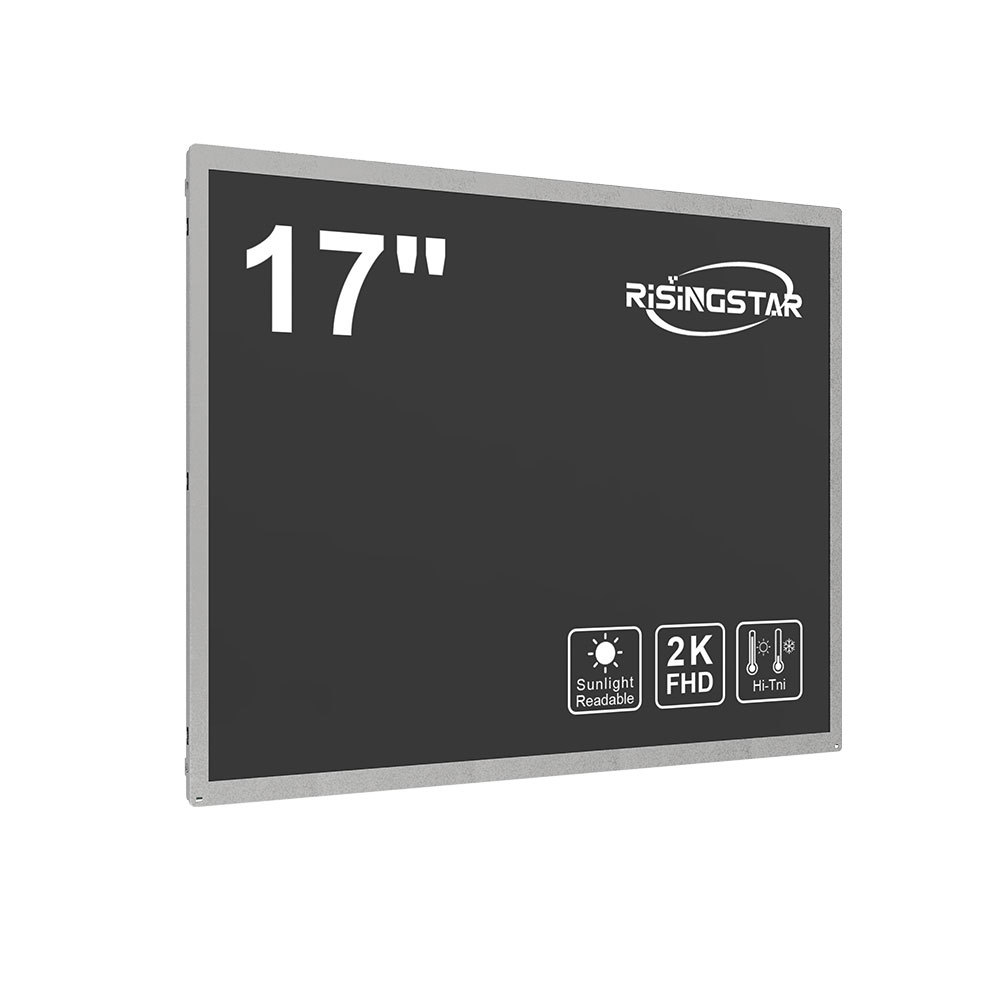
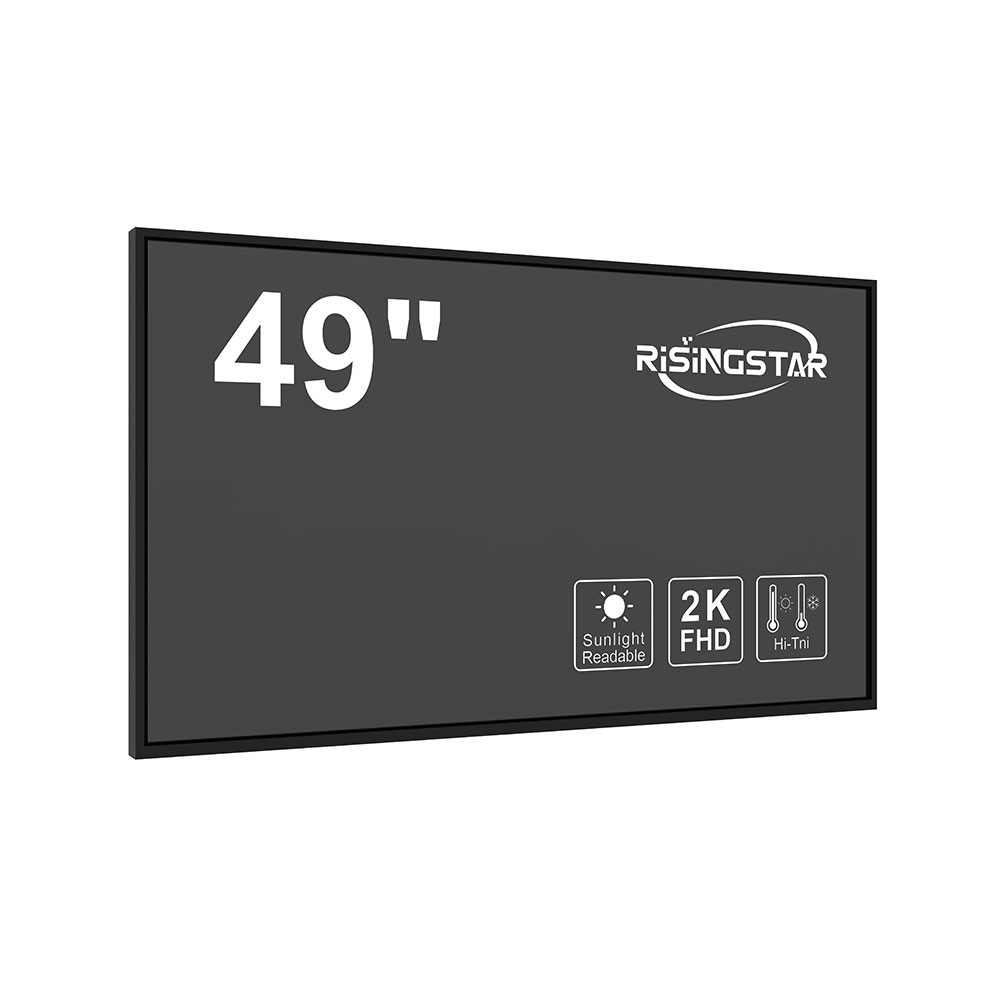
Sunlight-readable LCD displays are essential in outdoor and high-ambient-light environments where standard LCDs fail due to poor visibility. These displays are engineered to maintain readability under direct sunlight, typically requiring brightness levels of 5,000 nits or higher—far exceeding the 250–300 nits typical of indoor screens. The engineering behind such displays involves multiple layers of technological innovation, including advanced backlighting, polarizer optimization, anti-reflective coatings, and specialized liquid crystal materials.
A key factor is the use of high-luminance LED backlights, often based on RGB or white LEDs with integrated diffusers to ensure uniform light distribution. In military, aerospace, and industrial applications, manufacturers like Crystalfontz, Evesham Technologies, and LG Display have developed panels that exceed 10,000 nits peak brightness while maintaining low power consumption through intelligent dimming algorithms. For example, the U.S. Department of Defense mandates MIL-STD-810G compliance for all field-deployable devices, which includes rigorous testing for temperature extremes, humidity, and solar radiation exposure.
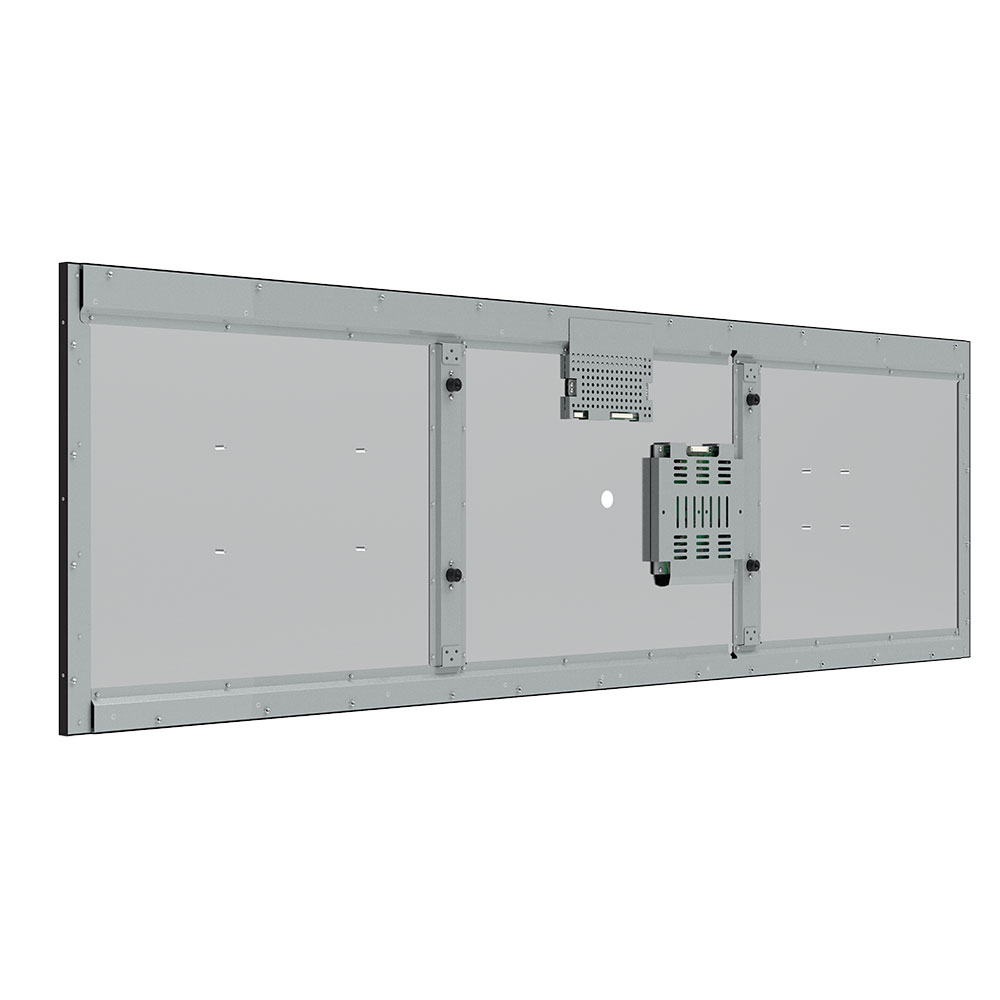
Another critical element is the integration of dual-layer anti-reflective (AR) coatings applied to both the front glass and the display surface. These coatings reduce ambient light reflection by up to 90%, enabling clear visibility even at noon sun angles. Some manufacturers also employ micro-lens arrays or patterned films to enhance contrast ratios—up to 10,000:1—which improves text legibility in harsh lighting conditions. Additionally, adaptive brightness sensors automatically adjust screen luminance based on real-time environmental light measurements, optimizing energy efficiency without sacrificing readability.
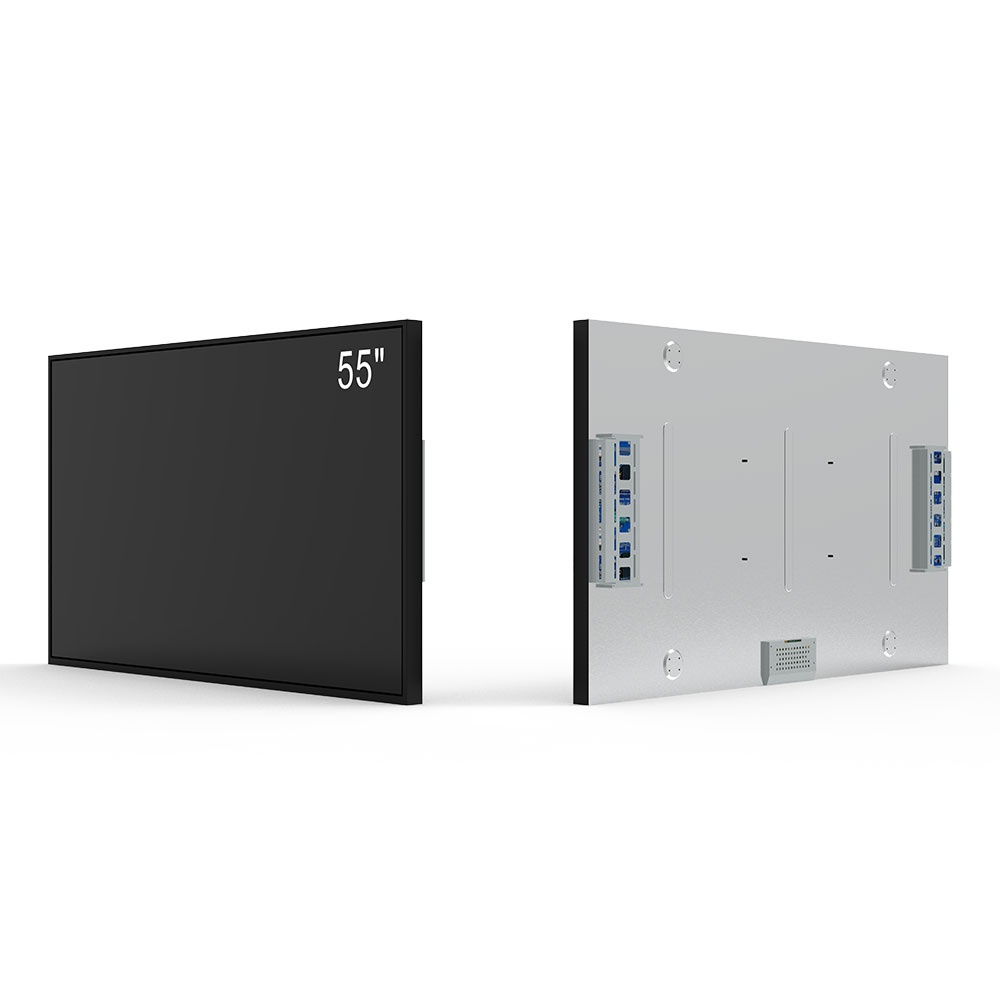
In the automotive sector, companies like Panasonic and LG have adopted high-brightness LCDs in dashboard systems for electric vehicles (EVs), where driver safety and interface clarity are paramount. A 2023 study published in IEEE Transactions on Consumer Electronics highlighted that drivers using sunlight-readable displays made 34% fewer visual errors compared to those using conventional screens during daylight driving. This underscores the growing importance of these technologies beyond defense and industrial markets into consumer electronics.
Manufacturers must also adhere to international standards such as ISO 9241-3 (ergonomic requirements for office work with visual display terminals) and IEC 60068 (environmental testing methods). These ensure that the displays perform reliably across diverse climates—from desert heat to arctic cold—without degradation in image quality. Furthermore, advancements in OLED and Mini-LED technologies now allow for even higher brightness potential, with some prototypes reaching 15,000 nits, paving the way for next-generation sunlight-readable solutions.
For designers and engineers selecting a sunlight-readable LCD, it is crucial to evaluate not only peak brightness but also contrast ratio, viewing angle stability, power efficiency, and thermal management. Real-world case studies from UAV operators in Middle Eastern conflict zones show that proper selection can extend device lifespan by over 50% due to reduced overheating and glare-related wear.